Party Size Limits in a Timber Hole
There’s nothing quite like the experience of a frosty morning in an Arkansas timber hole, with the anticipation of mallards cupping their wings through the cypress and oak canopy. But if you’ve ever found yourself crammed into a small opening with too many buddies, struggling to stay hidden and avoid tangled shot strings, you know the frustration. This guide is all about navigating the often-unspoken rules and practical realities of party size limits when you're duck hunting in those magical flooded woods.
Understanding Why Party Size Matters in a Timber Hole
Hunting flooded timber for ducks is an art, and a big part of that art is understanding how your presence impacts the hunt. Unlike an open field, a timber hole is a delicate ecosystem where every movement, every sound, and every misplaced hunter can make or break your morning.
The Dynamics of Timber Hunting
Think about it: in a vast rice field, you might have ducks circling high, giving you plenty of time to get still. In a timber hole, those ducks often appear out of nowhere, committed and low, weaving through the trees. The window of opportunity is incredibly brief. This means sight lines are limited, often to a specific shooting lane, and the dense cover can make sounds travel strangely, sometimes amplifying them in ways you wouldn't expect. A splash, a whispered conversation, or even the rustle of clothing can spook a flock that's already in close.
The "hole" itself—that open pocket of water amidst the trees—is usually much smaller than a field blind. Ducks are looking for refuge, not a party. Too many hunters can make that small opening feel like Times Square, and wary birds will flare long before they get into range. It's a game of stealth and minimal disturbance, where less often truly is more.
Impact of movement and noise on wary ducks can be profound. Mallards that have been shot at all season long become incredibly sensitive to any visual cues or sounds that seem out of place. A crowded hole means more bodies, more potential for fidgeting, and ultimately, more chances for a keen-eyed duck to spot something amiss and bank out of there. You want to present as natural and undisturbed a scene as possible, and a bustling group works against that goal.
Ethical Considerations and Hunter Experience
Beyond the practicalities of spooking ducks, there are genuine ethical considerations and impacts on the overall hunter experience when a timber hole is overpopulated. Safety, first and foremost, comes to mind. With multiple shotguns in a tight space, it's paramount that everyone has a clear shooting lane and understands the angles. Too many hunters can quickly lead to unsafe cross-shooting situations or accidental discharges, turning a day of enjoyment into a tragedy.
Then there's the quality of the hunt itself. If you've got six guys crammed into a space meant for three, nobody's really getting a good shot. It often devolves into "sky-busting" or everyone taking long, Hail Mary shots out of desperation, which just educates the ducks further and leads to more wounded birds. The goal should always be clean kills and a memorable experience for everyone, not just a chaotic scramble. It's about respecting the game and your fellow hunters.
The unspoken etiquette among timber hunters dictates that you don't crowd others and you leave enough space for everyone to enjoy their pursuit. This means recognizing the natural capacity of a given hunting spot. If a hole is really only big enough for two or three, bringing six isn't just inefficient; it's a breach of that shared understanding that makes hunting enjoyable for the broader community. It’s about being a good steward of the resource and a respectful member of the hunting fraternity.
The Role of Decoys and Calling in Tight Quarters
When you're hunting timber, your decoy spread and calling strategy are vastly different from what you'd use in an open field. In a big spread on a flooded rice field, you might run dozens, even hundreds of decoys, relying on volume and motion to catch high-flying birds. In timber, it's about subtlety. You're trying to create a small, inviting pocket that looks like a safe haven.
Too many decoys in a small timber hole can actually look unnatural and cluttered, deterring ducks rather than attracting them. Similarly, with calling, Calling Ducks in Tight Arkansas Timber is usually about soft, reassuring quacks and feeding chuckles, not loud hail calls. You're trying to coax ducks to commit to a small, specific landing zone. If you have several people all blowing calls at once, it can sound like an absolute cacophony, easily turning off any approaching birds.
A cohesive, disciplined approach to calling is essential. Usually, one or two experienced callers are enough, with others staying quiet or contributing only with soft feeding calls when appropriate. Too many voices can easily confuse the ducks and make it harder for them to pinpoint the source of the sound, especially when they're trying to drop through the canopy. Coordination within the party is paramount to present a convincing scenario to the ducks.
Official Regulations and Unwritten Rules for Party Size
When you hit the woods, especially public land, it's easy to get caught up in the excitement. But knowing the rules, both written and unwritten, about party size can save you a lot of headaches and ensure a better hunt for everyone.
Public Land Regulations (WMAs, National Forests)
The Arkansas Game and Fish Commission (AGFC) manages a lot of fantastic public hunting land, including numerous Wildlife Management Areas (WMAs) and portions of National Forests that offer incredible timber hunting opportunities. While the AGFC doesn't always specify an exact "number of hunters per timber hole" regulation, their rules often dictate what's permissible indirectly. For instance, blind size limits or rules about constructing permanent structures can imply a maximum capacity.
What's more common are regulations around Arkansas WMA Waterfowl Permit Rules or draw hunts, which might assign specific hunting locations or blinds with a set number of hunters allowed. For general public land hunting, it really comes down to common sense, safety, and respect for other hunters. You wouldn't want to squeeze eight hunters into a three-person spot, creating a safety hazard and ruining the experience for everyone. Always check the specific regulations for the WMA or National Forest you plan to hunt, as rules can vary.
Even without explicit numbers, the spirit of fair chase and responsible hunting on public land strongly suggests that overcrowding a spot is detrimental. It pressures the birds excessively, makes them even warier, and can lead to conflicts with other hunters trying to Finding Unclaimed Water on Public Ground. Being mindful of others who may be trying to hunt nearby is a key part of public land etiquette, especially in popular areas.
Guided Hunts and Outfitter Policies
If you're booking a guided hunt in Arkansas, especially for ducks in the Delta, party size limits are almost always clearly defined by the outfitter. Reputable outfitters understand that cramming too many hunters into a blind or timber hole diminishes the quality of the hunt and, ultimately, their reputation. They're balancing the economics of their business with the need to provide a successful and enjoyable experience for their clients.
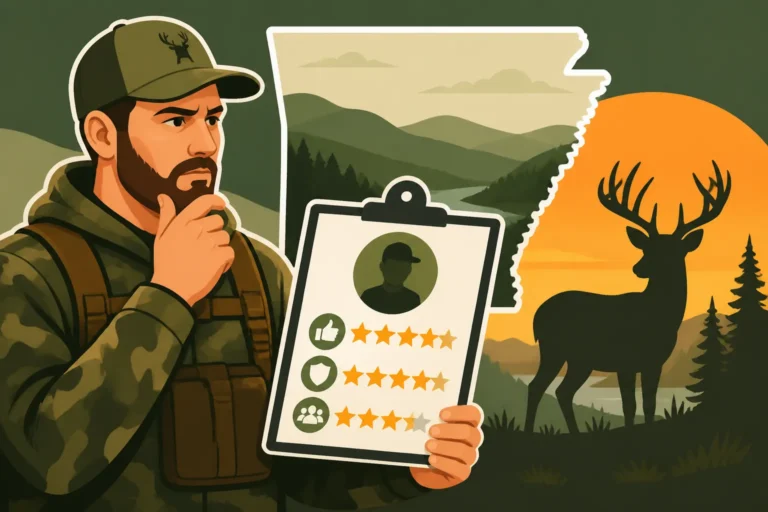
When you're calling to book, one of your absolute first questions should be, "How many hunters will be in our blind/hole?" Don't assume. Some outfits might put four or five hunters in a small pit blind, while others might stick to three or four for a more intimate timber experience. Brands like BookYourHunt or GoHunt are excellent resources for researching outfitters, reading reviews, and getting details on their group size policies before you commit. A good outfitter will be transparent about their practices.
Remember, you're paying for an experience, and that includes the comfort, safety, and opportunity to shoot ducks. An outfitter who consistently runs overcrowded hunts might be cutting corners elsewhere. Always get these details in writing, if possible, especially if you're coordinating a group trip. Understanding their typical Party Size Limits in a Timber Hole will help you set realistic expectations for your trip.
Private Land and Lease Agreements
Hunting on private land or through a lease agreement gives you more flexibility, but it doesn't mean you should throw caution to the wind. If you own the land or have a lease, you get to set your own party size limits. However, wise hunters understand that continually over-pressuring a small timber hole with too many hunters can quickly burn it out, making the ducks avoid it altogether. It's about long-term management of your resource.
Many hunting clubs, particularly those with Arkansas Hunting Lease Costs or club memberships, have internal rules governing how many hunters can be in a blind or a specific area at one time. These rules are usually put in place to ensure fair access for all members, maintain the quality of the hunting, and prevent over-harvesting of specific spots. Adhering to these rules is crucial for harmony within the club.
Even on your own private ground, consider the impact of your party size on the overall pressure. You might be able to cram six friends into a hole for a memorable hunt, but if you do that every weekend, you'll likely find fewer ducks committing later in the season. Sometimes, limiting your group to two or three hunters, even on private land, leads to more consistent success over the entire season and helps maintain the sanctity of that special timber hole.
Strategies for Managing Your Hunting Party Effectively
Whether you're hunting public land with friends or taking a group on a private lease, managing your party size and dynamics effectively can make a world of difference in your success and enjoyment. It's about more than just showing up; it's about preparation and cooperation.
Before the Hunt: Communication is Key
One of the most common pitfalls of group hunting is a lack of clear communication before you even set foot in the woods. Before the hunt, gather your group and set expectations. Talk about how many people will be in the blind or timber hole, who will be calling, who has experience with dogs, and what the general plan for shooting will be. This pre-hunt huddle can prevent a lot of confusion and frustration in the field.
Discussing roles is crucial. Is someone the primary caller? Who will handle the dog? Who is responsible for watching the "kill hole" or the approach from a particular direction? Planning for shot distribution can also be helpful, especially with new hunters or youth hunters present. Will you try to let everyone get a shot, or focus on getting birds on the water first? This level of communication avoids people trying to be a hero and instead fosters teamwork.
Using your Scouting Arkansas Public Land Before Season information can also inform your party size decision. If you've scouted a small, tight hole that only seems suitable for two hunters, communicate that clearly. Don't try to force a larger group into a space that just won't accommodate it effectively. Be realistic about the spot's capacity and match your group size accordingly for the best chance of success.
During the Hunt: Discipline and Safety
Once you're in the timber hole, discipline becomes paramount. Maintaining quiet and minimizing movement are the two biggest factors in getting ducks to commit. This means no unnecessary talking, no rustling gear, and certainly no fidgeting or standing up when ducks are working. Every hunter in the party needs to understand that their individual actions affect the success of the entire group.
Ensuring clear shooting lanes and defining safe shooting zones for each hunter is absolutely critical for safety. In the excitement of ducks pitching in, it's easy for people to swing their guns outside of their safe zone. Designate a "shot caller"—one person who will call the shot when the ducks are in range and committed. This prevents everyone from trying to shoot at once, reduces the risk of accidental injury, and encourages cleaner kills. Without this discipline, a larger party quickly becomes a chaotic and dangerous mess.
The importance of using appropriate shot cannot be overstated, especially on public land. Remember Nontoxic Shot Rules in Arkansas. Beyond that, practicing good shot discipline, only taking ethical shots at birds within range, is a hallmark of a responsible hunter. A larger group needs even more emphasis on this, as the temptation to "sky-bust" can increase with more guns in play, leading to more missed shots and potentially wounded birds.
Post-Hunt: Debriefing and Future Planning
After the hunt, take a few minutes for a quick debrief. This doesn't have to be a formal meeting, but an honest conversation about what worked and what didn't. Was the party size too large for that specific hole? Did everyone feel safe and have good shot opportunities? Was the calling effective? This feedback is invaluable for future hunts.
Adjusting party size or tactics for next time is often the result of these post-hunt discussions. Maybe that small timber hole you hunted is better suited for just two hunters, and for larger groups, you need to find a more open spot or split into smaller units. Recognizing when a spot is better suited for a smaller group helps preserve that spot's effectiveness over the season and avoids burning out a prime location.
Ultimately, the goal is to prioritize quality over quantity. A successful hunt isn't just about the number of birds in the strap; it's about the experience, the camaraderie, and the memories made. Sometimes, that means making the tough call to bring a smaller group to ensure a better experience for everyone, including the ducks themselves.
The Ideal Number: Finding the Sweet Spot
Determining the "perfect" number of hunters for a timber hole is less about a hard and fast rule and more about a nuanced understanding of the environment, your group's capabilities, and what you hope to achieve.
Factors Influencing Ideal Party Size
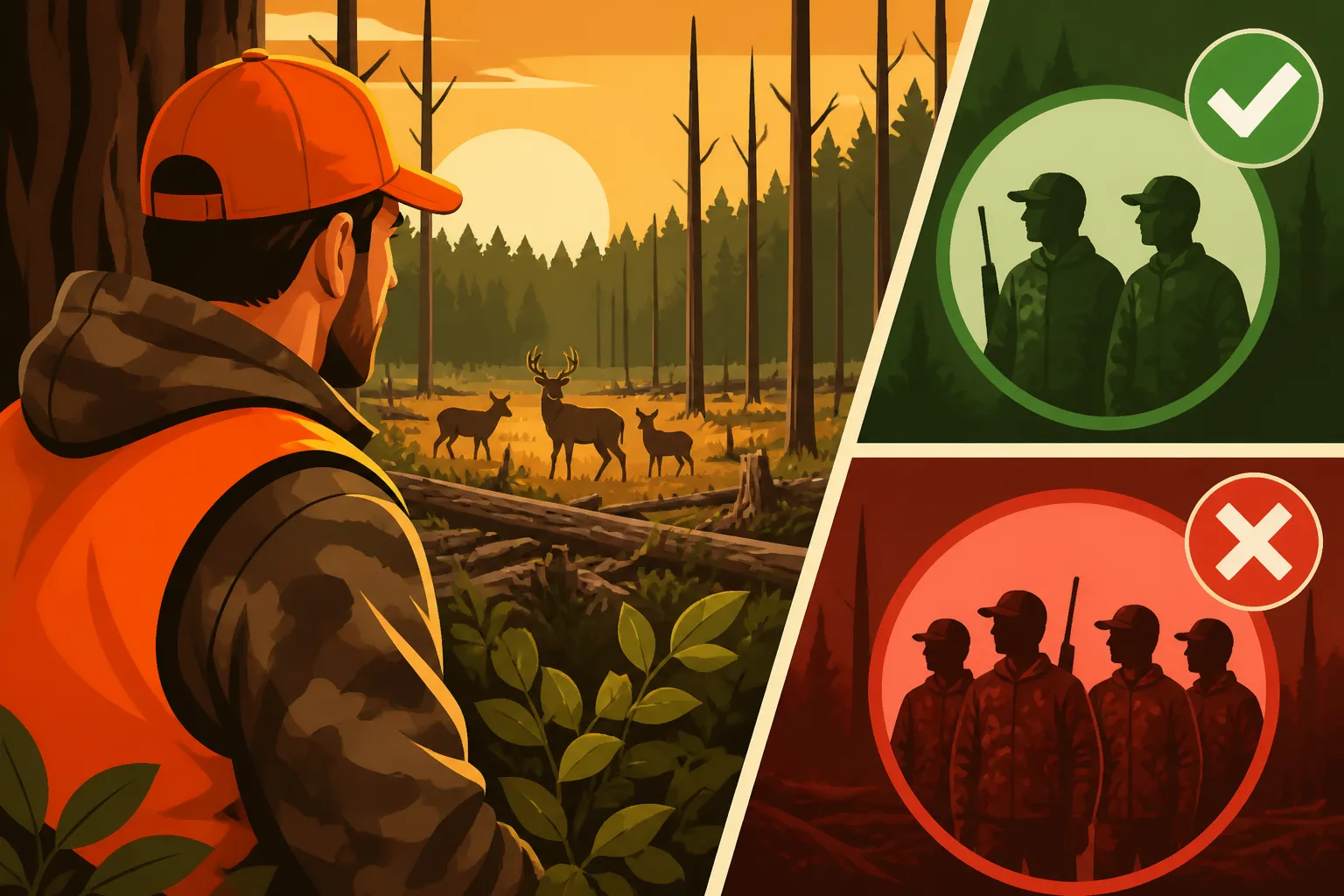
Several factors play into what constitutes an ideal party size for a given timber hole. Firstly, the actual size of the "hole" or opening in the timber is critical. A tiny pocket might realistically only hold two hunters comfortably and effectively, while a larger, more open area might accommodate four or even five. Trying to squeeze too many people into a small space immediately compromises concealment and movement.
The amount of natural cover available within and around the hole also dictates capacity. If you have dense cypress roots or thick brush to hide behind, you might get away with an extra person. If it’s sparse, every additional hunter becomes a glaring silhouette. The skill level and discipline of your hunters are paramount, too. An experienced group that stays quiet and still can often operate effectively in a tighter space than a rowdy, inexperienced group.
Finally, consider the presence of a dog. A well-behaved retriever is an invaluable asset, but it also takes up space and contributes to potential movement and noise. If you have two dogs for three hunters, that's a very different dynamic than one dog for six hunters. Even the type of ducks you're targeting can influence the ideal size; highly call-shy mallards require extreme stealth and minimal disturbance, often favoring smaller groups.
Small Groups (1-3 Hunters): Pros and Cons
Hunting with a small group, typically one to three hunters, often yields the most intimate and effective timber hunting experience.
Pros:
- Less noise and movement: With fewer bodies, it's inherently easier to stay quiet, still, and concealed. This is paramount for wary timber ducks.
- More room and comfort: Everyone has space to move slightly, set up their gear, and shoot safely without feeling cramped.
- Better concealment: Fewer hunters mean a smaller footprint to hide from incoming birds.
- More shots per hunter: Each individual gets more opportunities to shoot, enhancing their personal experience.
- Intimate experience: It fosters a deeper connection with nature and often leads to quieter, more focused hunting. It's perfect for a serene Still-Hunting After a Delta Rain morning.
Cons:
- Fewer eyes: A smaller group might miss birds circling high or approaching from an unexpected angle.
- Less calling power: If you don't have an expert caller, a small group might struggle to work birds effectively.
- Harder to retrieve without a dog: If you don't have a dog, retrieving downed birds, especially cripples, can be more challenging and time-consuming with fewer people.
Larger Groups (4+ Hunters): Pros and Cons
While challenging, larger groups can work in timber, but they demand a higher level of discipline and a suitable location.
Pros:
- More eyes: Many sets of eyes can help spot distant birds or those trying to sneak in.
- Multiple callers: With coordinated effort, multiple callers can create a more robust sound, though this requires great discipline to avoid overcalling.
- Easier game recovery: More people mean faster and more thorough searching for downed birds, especially in dense cover.
- Camaraderie: The shared experience with a larger group can be incredibly enjoyable and create lasting memories.
Cons:
- Increased noise and movement: The biggest challenge. It's much harder for a large group to remain silent and still, easily spooking wary birds.
- Harder to conceal: A bigger footprint is simply more difficult to hide effectively.
- More potential for safety issues: With more guns, the risk of cross-shooting or accidental discharge increases if safety protocols aren't strictly followed.
- Fewer shots per hunter: Individual shot opportunities will likely decrease as they are spread among more people.
Here's a quick comparison of how party size can impact your timber hunt:
| Aspect of Hunt | Small Group (1-3 Hunters) | Large Group (4+ Hunters) |
|---|---|---|
| Concealment | Excellent; easy to hide, minimal footprint | Challenging; harder to hide multiple bodies |
| Noise/Movement | Low; easy to stay quiet and still | High; more potential for rustling, talking, fidgeting |
| Calling | Focused; usually 1-2 callers, subtle techniques | Can be chaotic; requires strict discipline and coordination |
| Safety | High; clear shooting lanes, less cross-fire risk | Moderate to Low; increased risk without strict adherence |
| Shot Opportunity | High per hunter; more individual chances | Low per hunter; opportunities spread thinner |
| Duck Pressure | Low; less disturbance, holds birds longer | High; often burns out spots faster |
| Game Recovery | Moderate; often reliant on one dog/retriever | High; more eyes and hands for finding birds |
| Overall Experience | Intimate, focused, peaceful | Social, energetic, requires more management |
No matter your group size, the key to a successful timber hunt is always the same: respect the resource, respect your fellow hunters, and prioritize safety above all else. Finding that sweet spot for your party will lead to more enjoyable and successful hunts in the magnificent flooded timber of Arkansas.
Disclaimer
This article is for general informational purposes only and does not constitute professional advice. Laws, prices and regulations vary by location and change over time. Consult a qualified professional for guidance on your specific situation.