Renting a Vehicle for a Delta Hunt
You've planned your big Arkansas Delta duck hunt, lined up your gear, and maybe even secured a spot in some prime timber or a flooded field. But then it hits you: how are you actually going to get to those honey holes? Your everyday sedan, or even your family's crossover SUV, might handle the interstate just fine, but the backroads and muddy access points of the Arkansas Delta are a whole different beast. This guide will walk you through everything you need to know about renting a vehicle that can truly stand up to the unique challenges of an Arkansas hunting trip, ensuring your ride doesn't become the weakest link in your hunting adventure.
Why Your Everyday Ride Might Not Cut It for an Arkansas Delta Hunt
There’s a romantic notion of pulling up to the blind in a pristine vehicle, but the reality of Delta hunting often involves mud-splattered tires, gravel flying, and occasionally pushing through standing water. If you’re coming from out of state or just don’t have a dedicated hunting rig, a rental car might seem like an easy solution. However, you need to be very realistic about the conditions you’ll encounter.
The Unique Challenges of Delta Terrain
The Arkansas Delta, particularly during duck season, is not known for its smooth, paved roads leading right to the edge of the timber. Far from it. You’ll often find yourself navigating miles of gravel roads, which can quickly turn into a slick, rutted mess after a good rain. These aren’t just dusty country roads; they can be deeply rutted by tractor tires, heavy equipment, and other hunters. A sedan or even a small SUV simply doesn't have the ground clearance to safely traverse these conditions without risking serious damage to the undercarriage, oil pan, or exhaust system. Trust me, the last thing you want is to be stranded miles from the nearest paved road, with a flat tire or a busted transmission, while the ducks are flying.
Beyond the gravel, many hunting spots, especially on public lands like certain WMAs or accessed through private leases, involve driving through fields, along levees, or down unimproved two-tracks. These areas can have standing water, hidden potholes, and soft spots that will swallow up a two-wheel-drive vehicle in a heartbeat. Imagine trying to drive a low-slung car through a foot of standing water on a field access road – it's a recipe for disaster. The mud is often a special kind of gumbo, thick and sticky, capable of coating your tires and turning them into slicks. You need a vehicle that can take a beating and keep on rolling, something with decent ground clearance and, ideally, four-wheel drive. You don't want to miss the morning flight because your vehicle is buried up to its axles.
Hauling Your Hunting Gear and Crew
Now, let's talk about gear. Duck hunting isn't a minimalist sport. You're bringing waders, waterproof coats, multiple firearms in cases, blinds bags stuffed with calls and shells, dry boxes, and likely a few dozen decoys – maybe even a couple of dozen if you’re running a larger spread. If you’re hunting with a buddy or two, multiply that by each person. All this stuff takes up an incredible amount of space. A typical sedan trunk simply won't cut it, and even a mid-size SUV can feel cramped in a hurry, especially when you factor in muddy boots, wet waders, and the general funk of a successful hunt.
You'll need ample cargo space, ideally something that can be hosed out or easily wiped down. A truck bed is obviously ideal for this, allowing you to toss in muddy decoys and wet gear without worrying about ruining the interior. If you're going with an SUV, think about heavy-duty floor mats, rubber cargo liners, or even large tarps to protect the carpet from the inevitable mud, water, and dog hair. Don't forget coolers for drinks, snacks, and, hopefully, plenty of ducks! Cramming all this into a small vehicle makes for a miserable ride and can damage the interior, leaving you with hefty cleaning fees or worse from the rental company. It's about being prepared for the realities of the hunt, not just the drive.
Types of Rental Vehicles Best Suited for a Delta Hunting Trip
When you're trying to figure out what kind of wheels to rent for your Arkansas Delta hunting adventure, you really need to think beyond just getting from point A to point B. It's about getting to the actual hunting spots safely and efficiently, often in less-than-ideal conditions. Trust me, the right vehicle choice can make or break your trip.
The Workhorse: Full-Size Pickup Trucks
For most serious hunters heading to the Delta, a full-size pickup truck is the undisputed champion. Think Ford F-150, Ram 1500, Chevrolet Silverado 1500 – that kind of beast. These trucks are built for utility, and that's exactly what you need. First off, the ground clearance is usually excellent, allowing you to roll over ruts, small logs, and through shallow standing water without grinding your undercarriage. This alone can save you a world of headache and potential damage claims.
Then there's the cargo space. The bed of a pickup truck is invaluable. You can throw in dozens of decoys, your waders, muddy boots, dog crates, an ice chest full of birds, and anything else that might get wet or dirty, all without a second thought about the interior. Many pickups come with four-wheel drive (4×4) options, which are an absolute game-changer on slick, muddy roads or when you have to cross a wet field. Engaging 4×4 can mean the difference between getting to your blind on time and spending the morning stuck in a ditch. While they might not be the most fuel-efficient choice for highway driving, the sheer utility and peace of mind they offer in hunting country are well worth it. They might also have a towing capacity if you happen to be bringing a small boat or a decoy trailer, though most hunters flying in won't need that.
The Versatile Option: Large SUVs
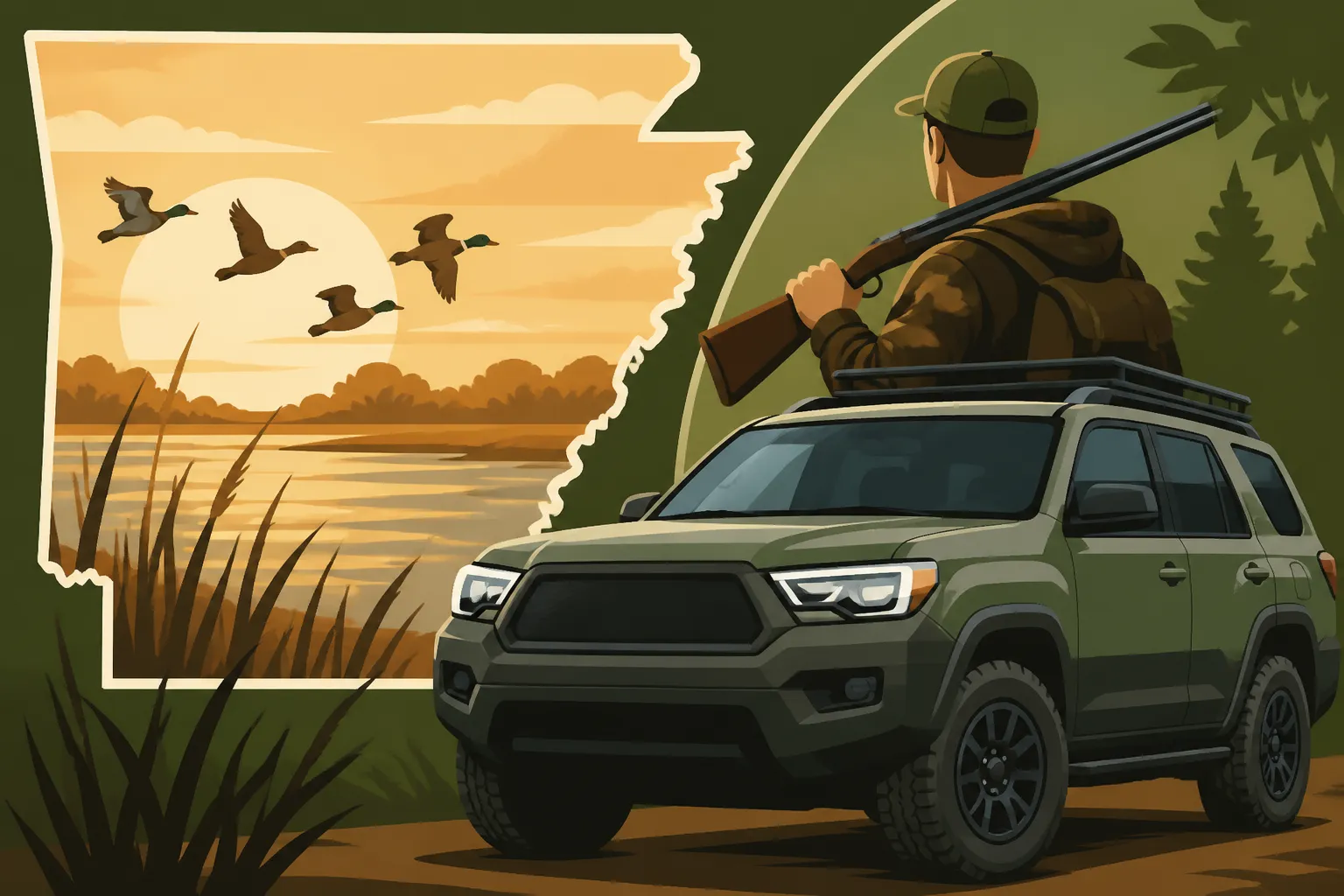
If a pickup isn't available or if you prefer a more enclosed space, a large SUV can be a very strong contender. We're talking about vehicles like a Chevrolet Tahoe, Ford Expedition, or even a Toyota Sequoia. These aren't your typical suburban crossovers; they offer significantly more ground clearance than smaller SUVs and often come with robust four-wheel drive systems. The enclosed cargo area can be a major plus for security, especially if you're leaving gear in the vehicle overnight at a lodge or motel. You can easily secure firearms and other valuables out of sight.
While they don't have an open bed like a truck, the spacious interior, especially with the rear seats folded down, can swallow a surprising amount of gear. You’ll definitely want to lay down heavy tarps or rubber mats to protect the carpet from mud and water. They also tend to offer more comfortable seating for multiple passengers, which is nice after a long morning in the blind. For a smaller group of two or three hunters, a large SUV can be an excellent compromise, providing comfort for the drive and capability for the rough stuff. Just be mindful that once the back is full of muddy gear, the smell might linger, so those tarps and a good cleaning will be critical upon return.
When a Standard Car Just Won't Do
Let's be blunt: a standard car, or even many smaller, front-wheel-drive crossovers, are usually a terrible idea for a proper Arkansas Delta hunting trip. I've seen countless hunters show up with vehicles completely ill-equipped for the conditions, and it rarely ends well. These vehicles lack the ground clearance necessary to navigate anything more than a well-maintained gravel road, and even then, you're risking punctures, scrapes, and major suspension damage. Their tires are typically highway-oriented, offering little to no traction in mud or soft dirt.
The primary reason to avoid these vehicles is safety and reliability. Getting stuck is not just an inconvenience; it can be dangerous, especially if you're in a remote area without cell service in the cold, pre-dawn hours. Furthermore, rental companies are very specific about not taking their vehicles off-road. While you might argue that a muddy access road isn't "off-road," if damage occurs, they might see it differently. The repair bills for a damaged undercarriage or transmission can be astronomical and will likely fall squarely on your shoulders. Save yourself the stress, expense, and potential for missing a hunt. Unless you plan to solely drive to your lodge and have someone else transport you to every hunting spot on paved roads, a standard car just won't cut it. For serious hunting, you need a serious vehicle.
Practical Considerations When Renting a Vehicle
So, you've decided on a sturdy truck or a capable SUV – good call! But the rental process itself has its own set of hurdles, especially when you're anticipating using the vehicle for something more rugged than a grocery run. Don't overlook these practical details, as they can save you headaches and unexpected charges down the line.
Rental Agencies and Their Policies for "Off-Road" Use
This is where things can get tricky. Most major rental agencies, like Hertz, Enterprise, or Budget, have very strict policies against "off-road" use of their vehicles. Now, what they consider off-road might be different from what you consider a perfectly normal hunting access road. To them, if it’s not paved or a well-maintained gravel county road, it could be deemed off-limits. If you cause damage while driving on what they classify as an off-road surface, your insurance – even the collision damage waiver you purchased – might be voided. This means you’d be on the hook for the full cost of repairs, or even the replacement of the vehicle.
It’s absolutely crucial to read the rental agreement thoroughly, especially the fine print regarding permissible driving conditions. Don't be afraid to ask direct questions at the counter, although many agents might give you a standard, vague answer. It's often safer to stick to vehicles with four-wheel drive and higher clearance, as these are inherently more capable of handling rougher terrain, even if the rental company's policy is still technically restrictive. Sometimes, smaller, independent rental companies in more rural areas might be more understanding or even offer vehicles specifically suited for work or utility, but these can be harder to find and book, especially during peak hunting seasons like Arkansas Duck Season Dates. Always consider how any damage might be interpreted and ensure you're covered, or prepared to pay.
Planning for Pick-up, Drop-off, and Logistics
When you're planning your trip to the Arkansas Delta, think about where you'll actually pick up and drop off your rental. Flying into a major airport like Little Rock (Clinton National Airport) or Memphis (Memphis International Airport) gives you access to the widest selection of vehicles from the big-name rental companies. However, driving from these airports to prime hunting grounds near Stuttgart, DeWitt, or Jonesboro can add significant time to your journey, often an hour or two each way.
Booking your desired vehicle type, especially a 4×4 pickup or large SUV, well in advance is non-negotiable. Hunting season, particularly duck season, sees a surge in demand for these types of vehicles. Waiting until the last minute could leave you with a compact car and a serious problem. If you're looking for an outfitter through a service like BookYourHunt, they often clarify what vehicle support they provide, which might mitigate your rental needs. Consider your exact dates, including any scouting days before the season kicks off, and make sure your rental covers the entire period. If you’re considering a one-way rental (picking up in one city and dropping off in another), be prepared for potentially higher fees and limited availability of specific vehicle types. Always confirm the pick-up and drop-off times and locations, especially if you have early morning flights or plan to drive straight to the field.
Essential Accessories and Checks for Your Rental
Before you even leave the rental lot, do a thorough check of your vehicle. This goes beyond just looking for existing dents and scratches (though definitely document those!). Start with the tires:
- Tread: Ensure they have good, deep tread. Highway tires won't perform well in mud.
- Air Pressure: Check the pressure; sometimes rentals are over-inflated.
- Spare Tire and Jack: Crucial! Make sure there’s a spare, it’s properly inflated, and you have the jack and lug wrench. Many modern rentals only come with a tire repair kit, which is next to useless for a serious blowout on a muddy road. If it’s just a kit, see if you can swap vehicles or consider other options.
Beyond the standard checks, consider bringing some essential accessories:
- Flashlight: Always handy in the pre-dawn hours.
- Jumper Cables: A dead battery is an easy fix if you have cables.
- Basic Tool Kit: For minor roadside emergencies.
- Tow Strap: If you get stuck, a tow strap can be a lifesaver, assuming someone else can pull you out.
- Interior Protection: Tarps, old blankets, or heavy-duty rubber floor mats are a must to protect the rental's interior from mud, water, and dog hair. You want to avoid those hefty cleaning fees!
- Extra Fuel Can: In remote parts of the Delta, gas stations can be few and far between. Having a small amount of extra fuel can prevent an unwelcome hike.
Knowing your vehicle’s capabilities and having a few crucial items can make a huge difference in managing the unexpected realities of hunting the Arkansas Delta WMAs and Green Timber.
| Vehicle Type | Pros | Cons | Best For |
|---|---|---|---|
| Full-Size Pickup | Excellent cargo space, high ground clearance, available 4×4 for traction | Lower fuel economy, can be large for city driving, rental cost may be higher | Groups with lots of gear, navigating truly rough access roads, dog handlers |
| Large SUV | Enclosed secure cargo, comfortable for passengers, good clearance, often 4×4 | Interior can get messy quickly, less open cargo than a truck, higher rental cost | Smaller groups, families, when security of gear is a priority, more highway miles |
| Mid-Size SUV/Crossover | Better fuel economy than large SUV/truck, slightly better clearance than car | Limited cargo, often only FWD, lower clearance for truly bad roads, less robust suspension | Access to paved roads only, light gravel, minimal gear, not recommended for actual hunting access |
| Standard Sedan | Cheapest rental, best fuel economy on highways | Very low clearance, no traction on unpaved roads, no cargo space for gear, easily damaged | Strictly for travel to a lodge on paved roads, no field access whatsoever |
Cost-Saving Tips and Smart Booking Strategies
Hunting trips can add up quickly, and a rental vehicle is often a significant line item. While you don't want to skimp on capability and get stuck, there are smart ways to manage the cost without compromising your hunt. A little foresight and planning can keep more money in your pocket for gas and decoys!
Booking in Advance and Seasonal Pricing
The single most effective way to save money and ensure you get the vehicle you need is to book as far in advance as possible. Just like flights and lodging, rental car prices fluctuate based on demand. Peak hunting seasons, especially the early weeks of Arkansas Waterfowl Seasons and Zones or the Arkansas Modern Gun Deer Hunting opener, see a massive spike in demand for pickups and large SUVs. If you wait until a few weeks before your trip, you'll not only pay a premium but might also find that the suitable vehicles are completely booked. I'm talking months in advance here, not weeks.
Additionally, look for any discounts you might be eligible for. Many major rental companies offer discounts through memberships like AAA, AARP, or various professional organizations. Check with your credit card company as well; some cards offer preferred rates or additional insurance benefits when you book with them. Be flexible with your dates if possible; sometimes shifting your trip by a day or two can unlock significantly lower rates. Compare prices across multiple rental companies, but always make sure you're comparing apples to apples – ensure the vehicle type, 4×4 option, and included mileage are consistent.
Insurance, Damage Waivers, and Personal Coverage
Navigating rental car insurance can feel like a maze, but it’s critical when you’re taking a vehicle into potential adverse conditions. Standard rental agreements usually only include basic liability, which covers damage you cause to other vehicles or property, not damage to the rental car itself. The collision damage waiver (CDW) or loss damage waiver (LDW) offered by the rental company will cover damage to the rental car, but it can be expensive. Before you automatically say yes, check a few things:
- Your Personal Auto Insurance: Many personal auto policies extend coverage to rental cars. Call your agent to confirm what’s covered, what your deductible is, and any limitations (e.g., specific vehicle types, off-road use exclusions).
- Credit Card Benefits: Many credit cards offer secondary (or sometimes primary) rental car insurance. This means they'll kick in after your personal insurance or might be your first line of defense. Again, call your card issuer to understand their exact terms, especially for larger vehicles or if you're taking it off paved roads.
- The Fine Print: As mentioned earlier, even with a CDW or credit card coverage, specific clauses might exclude damage incurred during "off-road" driving. Understand that a minor fender bender on a paved road is very different from scraping the entire undercarriage on a muddy two-track or getting stuck in deep water.
The risk of expensive damage and the associated claims can be high if you're not properly covered. Don't assume you're protected; verify it before you sign on the dotted line. It's an extra step, but one that can save you thousands of dollars and immense stress if something goes wrong.
Alternatives to Traditional Rental Companies
Sometimes, going the traditional route just doesn't fit your needs or budget, especially if you're looking for a really robust vehicle that a typical agency might not have or would heavily restrict.
- Local Dealers or Independent Rental Businesses: In smaller towns near popular hunting areas, you might find local car dealerships or independent rental businesses that offer older, more utilitarian trucks or SUVs. These might not be shiny new models, but they could be more affordable and, crucially, their policies might be more flexible regarding use on gravel or dirt roads. They often understand the local conditions and the needs of hunters. It might take some searching and phone calls, but this can be a great option for a workhorse vehicle.
- Peer-to-Peer Car Sharing Platforms: Services that connect private vehicle owners with renters exist, like Turo. While this can offer a wider variety of vehicles (including some serious 4×4 rigs), you need to be extra diligent here. Owners set their own rules, and insurance coverage can vary wildly. Again, the "off-road" clause will be critical. If you find a truck, ensure the owner is explicitly okay with it being used for hunting access and that your insurance or their platform's coverage will protect you. It requires more research but could yield a more suitable vehicle.
- Outfitter Provided Transport: If you're booking a guided hunt, especially for waterfowl around Stuttgart or other Delta hotspots, many Booking an Arkansas Duck Hunt packages include transportation to and from the hunting blinds. In this scenario, your rental vehicle would only be for getting to the lodge or town, and a less rugged option might suffice. Services like GoHunt or BookYourHunt often detail what's included in their guided packages, and vehicle support is a common perk. This can save you the headache and expense of a specialized rental. When considering whether to rent your own dedicated hunting vehicle, or rely on a guide for field access, think about what aspects of the hunt you want control over and where you're comfortable delegating logistics.
Disclaimer
This article is for general informational purposes only and does not constitute professional advice. Laws, prices and regulations vary by location and change over time. Consult a qualified professional for guidance on your specific situation.