Reading Red Oak Acorn Drops
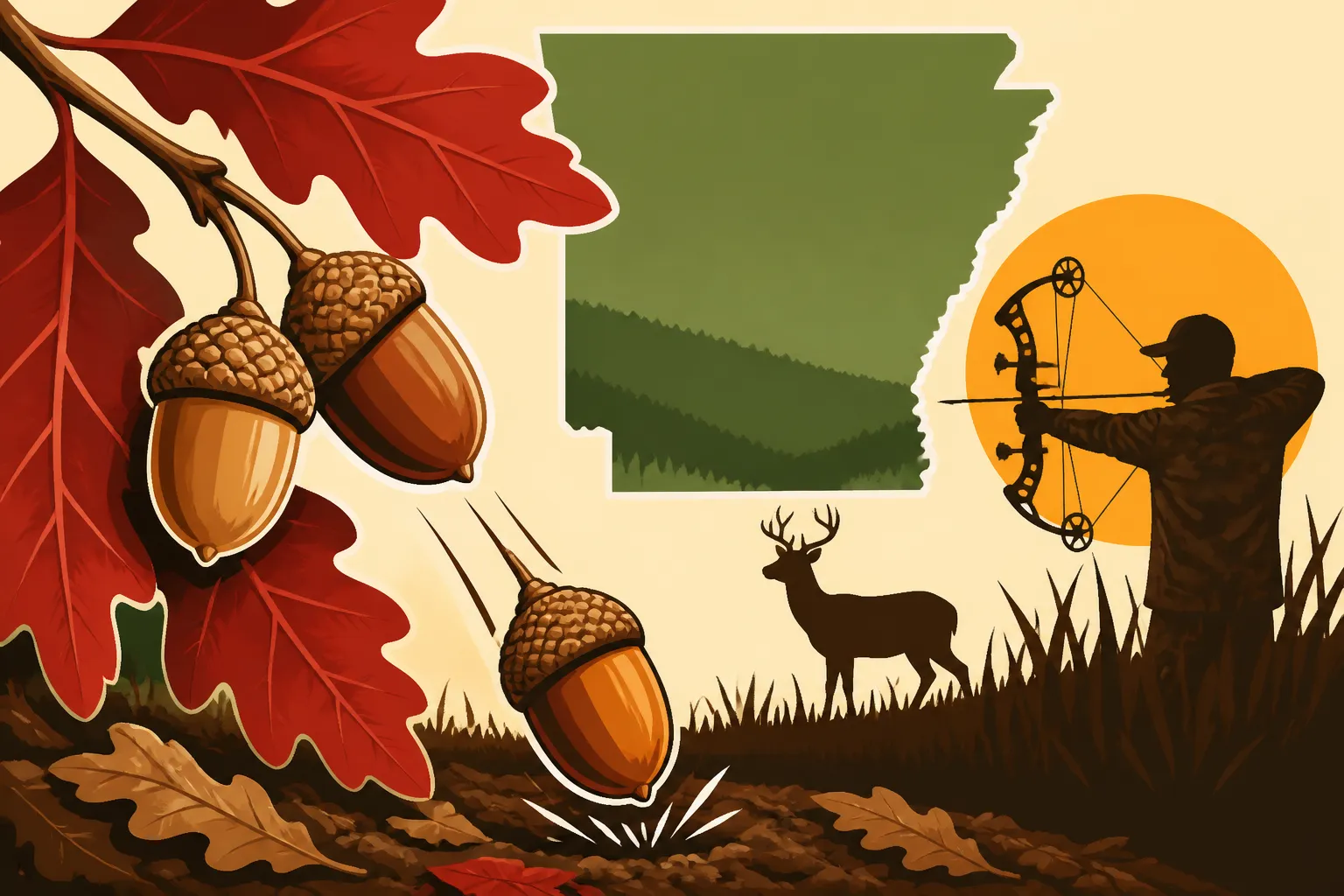
It's an age-old frustration for Arkansas deer hunters: you hit the woods, confident in your scouted areas, only to find the deer are simply not there. Often, the missing piece of the puzzle isn't your setup or your calling, but a subtle shift in their food source. Understanding and effectively hunting red oak acorn drops is a game-changer, providing a consistent, high-energy food source that can hold deer in an area for weeks, even when other food options dwindle. This guide will walk you through everything you need to know to locate, interpret, and successfully hunt these vital natural deer buffets across the diverse Arkansas landscape.
The Unseen Power of Red Oak Acorns
When it comes to natural forage, acorns are king in many parts of Arkansas, providing a critical energy boost for deer and other wildlife. But not all acorns are created equal, and understanding the nuances between different oak species can be the difference between seeing a lot of deer and seeing nothing but squirrels. Red oaks, in particular, play a unique and often misunderstood role in the whitetail diet, especially as the hunting season progresses.
The Nutritional Powerhouse: Why Red Oak Acorns are Critical
Red oak acorns, which include species like Southern Red Oak, Northern Red Oak, Scarlet Oak, and Pin Oak, are known for their higher fat content compared to white oaks. While white oak acorns are often preferred by deer immediately due to their lower tannin levels (making them less bitter), red oak acorns possess a secret weapon: longevity. Their higher tannin content means they don't germinate as quickly as white oaks and are less palatable to insects and fungi, allowing them to remain on the forest floor, or even on the branches, for a much longer period. This extended shelf life makes them an absolutely vital food source from late fall well into the heart of winter in Arkansas, long after white oak acorns have been consumed or have rotted away. When the early season white oak bonanza is over, and other soft mast like persimmons have disappeared, deer will transition to red oaks with a vengeance.
Imagine a late November morning in the Ouachita National Forest. The white oaks that were dropping heavily in October are now picked clean, and the deer seemingly vanished overnight. But if you've done your homework and found a strong red oak crop, you know exactly where those deer have moved. They're not gone; they've just shifted their focus to the bitter but incredibly nutritious red oak acorns that are now the primary available food. For deer trying to pack on calories for the rut and impending winter, these acorns are an indispensable resource, fueling their daily movements and keeping them healthy. This makes understanding them paramount for anyone wanting to truly get a handle on deer movements during the middle and late portions of Arkansas's deer seasons.
Distinguishing Red from White: Key Differences Hunters Need to Know
Visually differentiating red oaks from white oaks is fairly straightforward once you know what to look for, and it's a skill every serious Arkansas hunter should cultivate. White oaks typically have rounded lobes on their leaves, like a classic oak leaf shape, while red oaks have pointed, bristly tips on their leaf lobes. The acorns themselves also differ significantly. White oak acorns generally have a smoother, often lighter-colored shell and a cap that usually covers about a quarter of the nut. Red oak acorns, on the other hand, tend to be darker, often striped, and can vary greatly in size, with a cap that covers more of the nut, sometimes half or more. The most crucial difference for hunters, however, is the drop timing. White oak acorns generally drop earlier in the fall, often starting in late September through October, and are consumed quickly. Red oak acorns usually begin dropping later, from late October through November, and can continue to be available on the ground or in snow and leaves well into January.
Consider a scenario where you're scouting in the Boston Mountains of the Ozark National Forest. You spot a grove of oaks with leaves that are still mostly green, but a few have turned a deep red. You examine the leaves closely: pointed lobes with bristles. Then you look on the ground and see long, dark acorns with caps that look like little berets. You've just identified a red oak grove, and depending on the time of year, this could be your golden ticket. If it's early October, you know these won't be dropping heavily for a few more weeks, giving you time to hang a stand for later. If it's late November, and you see fresh cuttings, you know you're in the right place. Knowing this distinction allows you to anticipate deer movements and plan your hunts strategically, rather than just reacting to where the deer were.
Identifying a Productive Red Oak Acorn Drop
Finding red oaks is one thing, but identifying a productive drop – one that deer are actively using – is where the real skill comes in. It's not just about seeing acorns on the ground; it's about interpreting the signs and understanding the cycle. A heavy crop on a few trees isn't necessarily a "drop" if the deer haven't found it yet, or if conditions aren't right for them to feed there.
Visual Cues from Afar: Spotting Clusters and Limb Health
Before you even step foot under an oak, you can often get clues from a distance about its potential. Look for trees, especially on south-facing slopes or along ridges in areas like the St. Francis National Forest, that appear to have an unusually high density of acorns still clinging to their branches. These might look like small, bumpy clusters against the sky, particularly after the leaves have fallen. A tree that looks "loaded" in early fall is a good candidate for a significant drop later on. Pay attention to the overall health of the tree; healthy, mature red oaks with full canopies are more likely to produce a substantial acorn crop than stressed or younger trees. You can also sometimes spot areas where the ground cover beneath a cluster of oaks appears disturbed, even before you get close enough to see individual acorns. This often signals that previous drops have occurred and animals have been rooting around.
Imagine using a good pair of binoculars during an early season scouting trip, scanning the canopies of a distant ridge. You notice a swath of timber, darker than the surrounding areas, and as you zoom in, you can clearly see the round, distinct shapes of acorns hanging in the branches. This immediately flags that area for a closer look. You might also notice patches of ground under specific oak groupings that look "cleaned up" or disturbed, indicating that something has already been feeding there. This kind of visual reconnaissance, often aided by satellite imagery, can save you hours of aimless wandering, helping you prioritize where to focus your boots-on-the-ground effort.
On-the-Ground Evidence: Actual Acorns, Cuttings, Tracks
Once you're in the woods, the real detective work begins. A productive red oak drop isn't just about acorns on the ground; it's about the activity around them. Look for fresh acorns, specifically red oak varieties, scattered generously. If you find old, dried-out acorns from last year, or ones that are chewed by bugs, it's not a fresh drop. You want to see vibrant, intact acorns that have recently fallen. The most critical signs, however, are cuttings and tracks. Squirrels, deer, and turkeys will all feed on acorns, and they leave distinct evidence. Squirrels will leave behind small, chewed-up acorn fragments, often in piles. Deer will create "cuttings" when they bite off the cap or a piece of the nut, leaving behind tell-tale fragments. Fresh deer tracks and droppings in the vicinity of a heavy drop are undeniable proof that deer are actively utilizing the area.
Picture yourself still-hunting Arkansas pine country in late November. You're slowly making your way through a mixed timber stand when you come across a mature red oak. Beneath it, the forest floor is littered with newly fallen red oak acorns. You bend down and see not only acorns but also small, fresh pieces of shell and nut meat – deer cuttings. Then, nearby, you spot a fresh deer track pressed into the damp soil and a small pile of deer droppings. This isn't just an acorn tree; it's an active feeding station. This specific tree, or cluster of trees, now becomes a prime location for a stand setup. This thorough inspection, combining multiple layers of evidence, ensures you're not just guessing but following clear signs of recent and ongoing deer presence. This level of detail is why it's so important to really spend time on the ground during your pre-season scouting or even during your hunt.
Timing the Drop: When to Expect Them to Fall
The timing of red oak acorn drops is a critical factor for hunting success, as it dictates when these areas become prime feeding locations. Generally, red oak acorns mature and begin dropping later in the fall than white oaks. While white oak acorns can start falling in late September, red oak drops typically kick off in late October and can continue well into November, and even December or January depending on the species and weather conditions. A good frost or a strong wind can often trigger a significant drop, sending a rain of acorns to the forest floor. The amount of rain and drought conditions during the growing season can also impact the size and timing of the crop.
For example, a hunter targeting deer during the prime weeks of Arkansas's Modern Gun Deer Hunting season needs to be acutely aware of red oak activity. If early November brings a cold snap and strong winds, it's a good bet that many red oaks will be shedding their bounty. This means redirecting your scouting and hunting efforts away from previously active white oak areas and towards those promising red oak groves. Keeping an eye on weather patterns and the progression of fall foliage can offer invaluable clues. If you notice the leaves on the red oaks starting to turn their characteristic deep reds and browns, it's often a precursor to the acorn drop. Understanding this natural rhythm allows you to be proactive, anticipating where deer will be feeding next, rather than always being a step behind them.
Strategic Scouting for Red Oak Zones
Finding those crucial red oak acorn drops isn't always about blindly walking the woods. With modern tools and smart techniques, you can significantly increase your efficiency and chances of success. Scouting effectively combines digital reconnaissance with dedicated time on the ground, creating a comprehensive understanding of your hunting area.
Digital Reconnaissance: Using Mapping Tools
Before you ever lace up your boots, modern mapping applications can be your best friend in identifying potential red oak hotspots. Services like GoHunt allow you to view detailed satellite imagery that can help distinguish between different timber types. While it's not always precise enough to identify individual oak species, you can often pick out areas of mature hardwoods, especially those on slopes or ridges, which are prime real estate for red oaks. Look for areas with a denser, more textured canopy in late summer or early fall, which often indicates mature oaks. You can also use topographical maps to identify saddles, benches, and ridges, as deer often prefer to feed in these areas where travel is easier, and escape routes are plentiful. Plot out several potential areas on your map, creating a series of waypoints for later physical scouting. This strategic pre-scouting can drastically cut down on wasted time in the field.
Imagine you're planning a trip to the Sylamore WMA in the Ozark National Forest. Instead of just driving up and wandering, you pull up GoHunt on your computer. You zoom in on an area known for mature hardwoods, looking for distinct canopy patterns. You identify several finger ridges extending off a main mountain, and notice a few areas that look particularly "bumpy" or "mossy" in the satellite view – often indicators of older, large-crowned trees. You mark these as potential red oak feeding areas, noting any nearby creeks or thickets that could serve as bedding cover or water sources. By doing this initial legwork, you're not going into the woods blind; you're going with a mission and a series of high-probability locations to check, making your time in the field much more productive.
Boots-on-the-Ground Verification: What to Look For Physically
Digital tools are fantastic, but nothing beats getting your feet on the ground. Once you've identified potential red oak areas on your map, it's time to verify them. Physically walk these areas, looking for the specific characteristics of red oaks: the pointed, bristly leaves, and the larger, often striped acorns. More importantly, look for signs that deer are actively feeding. This means fresh tracks, droppings, and those tell-tale acorn cuttings. Don't just focus on the ground directly under the trees; deer will often browse slightly away from the heaviest drop, especially if there's good cover nearby. Pay attention to distinct trails leading into and out of the red oak areas, as these will be their primary travel corridors to bedding areas or water.
Let's say you've found a promising ridge in the Ouachita National Forest on GoHunt, marked it, and now you're walking it. You confirm the presence of large red oak trees. Now, you’re not just looking for acorns, but for a cluster of fresh, intact nuts on the ground. You scan for any disturbance in the leaf litter, and sure enough, you find a small patch where the leaves have been pawed away, revealing several freshly cracked acorns. Nearby, you see a couple of deer tracks, still slightly damp from the morning dew. This is definitive proof. You follow a faint trail leading off the ridge towards a thick bedding area you identified on your map, confirming the travel pattern. This physical verification, often best done a week or two before the peak of the red oak drop, solidifies your hunting plan and allows you to set up your stand with confidence. This is also a great time for Scouting Arkansas Public Land Before Season.
Monitoring Activity: Trail Cameras and Observation
Once you've located a promising red oak drop, setting up trail cameras can provide invaluable real-time intelligence. Position cameras overlooking the heaviest part of the drop, or along the most prominent deer trails leading into the area. Check them regularly to monitor deer activity, noting the time of day deer are feeding, the number of deer, and if any target bucks are consistently showing up. This information helps you fine-tune your hunt timing and stand placement. Beyond cameras, direct observation from a distance can also be incredibly effective. Using binoculars or a spotting scope from a vantage point, you can watch how deer approach the drop, where they linger, and which trees they seem to prefer.
Consider setting up a camera overlooking a specific cluster of red oaks on a bench in the Ozarks, following the advice in Where to Hang a Camera in Big Timber. You check the card after a week and find images of multiple deer, including a decent buck, feeding heavily between 8 AM and 10 AM, and again just before dark. This tells you that early morning or late afternoon hunts are going to be your best bet. You also notice that the buck seems to favor one particular section of the drop. This intel, gathered discreetly, allows you to adjust your stand location or plan your approach to intercept him. Without this continuous monitoring, you'd be relying on assumptions, but with camera data, you have concrete evidence of deer behavior. This direct observation is key to understanding "Hunting the Arkansas Rut by Zone" when deer shifts food sources.
Hunting the Red Oak Drop
Successfully hunting red oak acorn drops requires more than just finding them. It demands strategic planning for stand placement, understanding deer movement patterns in relation to the food source, and adapting your tactics to the specific environment and the game you're after.
Stand Placement Considerations: Wind, Access, Cover
The cardinal rule of stand placement is always to play the wind, and a red oak drop is no exception. Deer will typically approach a food source with the wind in their favor, circling downwind to scent-check the area before committing. So, your stand needs to be positioned downwind of their most likely approach, allowing your scent to be carried away from their path. Beyond wind, think about access. Can you get to and from your stand without disturbing the feeding area or alerting deer? This often means choosing a route that uses natural terrain features, dense cover, or ditches. Finally, consider cover. While deer are focused on feeding, they still prefer to feel secure. A stand placed on the edge of a dense thicket, or with good cover behind it, will make you feel more comfortable and allow for better concealment.
For instance, if you've identified a heavy red oak drop on an Ozark ridge, and you know deer are likely bedding on the leeward side of the ridge, you'll want to place your stand on the downwind side of the drop, perhaps 20-30 yards into the feeding area or along a funnel leading to it. Your access route should come in from the opposite direction, ideally through a low-lying area or a dense stand of pines that masks your entry. If the wind is out of the north, you might set up to the south of the oaks, anticipating deer to approach from the west or northwest, downwind from your position. This thoughtful approach ensures that your presence doesn't spook the very deer you're trying to hunt. This also applies when Hunting Ozark Ridges and Hollows for Deer or Reading an Ozark Bench for Deer.
Tactics for Deer: Still-Hunting, Ambushing, and Call Integration
Once you've got your stand placement dialed in, consider your hunting tactics. For red oak drops, ambushing from a well-placed stand is often the most effective method, especially during peak feeding times in the early morning or late afternoon. Get in early, sit quietly, and be patient. However, still-hunting can also be incredibly productive. Moving slowly and deliberately through a large red oak flat, pausing frequently to scan and listen, can allow you to intercept deer moving between bedding and feeding areas, or even catch them actively feeding. Use binoculars often to pick apart the shadows for subtle movements. As for calls, subtle grunts or doe bleats can sometimes draw a curious buck closer, especially during the rut, but avoid overcalling and educate yourself on Rattling and Grunting in Arkansas for best results.
Imagine you're hunting a sprawling red oak bottom in the Delta, a week into November. You've chosen a morning hunt. You slip into your stand well before daylight, the air crisp. As the sun begins to lighten the sky, you hear the crunch of leaves approaching. You remain still, slowly turning your head. A small group of does and yearlings are picking their way through the leaf litter, methodically hoovering up acorns. They are oblivious to your presence because your entry was quiet and the wind is perfect. Later, during the peak of the rut, if you're still-hunting, and you come across a scrape line near a red oak drop, a light grunt call might just pull a cruising buck off his patrol to investigate. The key is to adapt your tactics to the time of year, the specific deer behavior you're observing, and the pressure the deer are experiencing.
Other Game Benefiting: Squirrels, Turkeys, and Bears
While deer might be your primary target, red oak acorn drops are a magnet for a host of other game species, making these areas incredibly diverse for hunting. Squirrels absolutely love red oak acorns. You'll often hear them chattering and see them frantically gathering nuts, especially in the early morning. This frantic activity can actually be a good indicator that deer will soon follow, or are already present. Turkeys also readily feed on acorns, scratching through the leaf litter to uncover them. If you're hunting turkeys during the fall season, a good red oak drop can be a fantastic place to set up, listening for their distinctive "purrs" and "clucks." And let's not forget about black bears in the Ozark and Ouachita regions. Bears are huge consumers of acorns, especially in the fall as they try to fatten up for winter. A heavy red oak crop can draw bears from miles around, making these spots crucial for Black Bear Hunting in Arkansas.
Think of a cool October morning in the Boston Mountains. You're set up near a strong red oak drop, waiting for deer. Soon, the woods come alive with squirrels cutting acorns, their busy antics filling the silence. Later, you hear distant clucking, and a small flock of turkeys materializes, scratching through the leaves, methodically working their way through the acorns. While you're primarily focused on deer, seeing these other species confirms that this particular red oak drop is a vibrant and active food source for all manner of forest critters. For those interested in fall squirrel hunting, specifically Squirrel Hunting Arkansas Hardwoods, these red oak areas offer fantastic opportunities. This multi-species appeal is one of the reasons red oak drops are such a productive and fascinating ecosystem to understand.
| Oak Acorn Type | Key Identification | Drop Timing (Arkansas) | Palatability | Longevity on Ground | Hunting Implications |
|---|---|---|---|---|---|
| White Oak | Rounded leaf lobes, lighter acorns, shallow cap | Late Sept – Mid Oct | High (low tannins) | Short (eaten quickly, rot) | Early season magnet, hot for short periods, deer move on fast. |
| Red Oak | Pointed leaf lobes, darker/striped acorns, deep cap | Late Oct – Jan | Moderate (high tannins) | Long (store well, less rot) | Mid to late season primary food source, holds deer longer, consistent hunting. |
Conclusion: Mastering the Red Oak Advantage
Successfully reading and hunting red oak acorn drops isn't just about luck; it's a learned skill that separates consistent hunters from those who struggle. It requires a keen eye for detail, an understanding of deer biology, and the patience to scout and monitor your chosen areas. By mastering the art of identifying productive red oak drops, timing their fall, and implementing smart hunting strategies, you unlock a powerful tool for anticipating deer movements throughout the critical fall and winter months in Arkansas. This knowledge helps you understand when the Arkansas Deer Population Estimate will be concentrating and offers a significant advantage, ensuring your time in the woods is spent where the deer are, leading to more rewarding and successful hunts.
Disclaimer
Hunting and scouting activities carry inherent risks. Always prioritize safety, understand and obey all Arkansas Game and Fish Commission regulations, and obtain appropriate licenses and permits before engaging in any hunting activities. This guide is for informational purposes only and should not replace professional advice or official regulations.