When Arkansas Gobblers Go Quiet
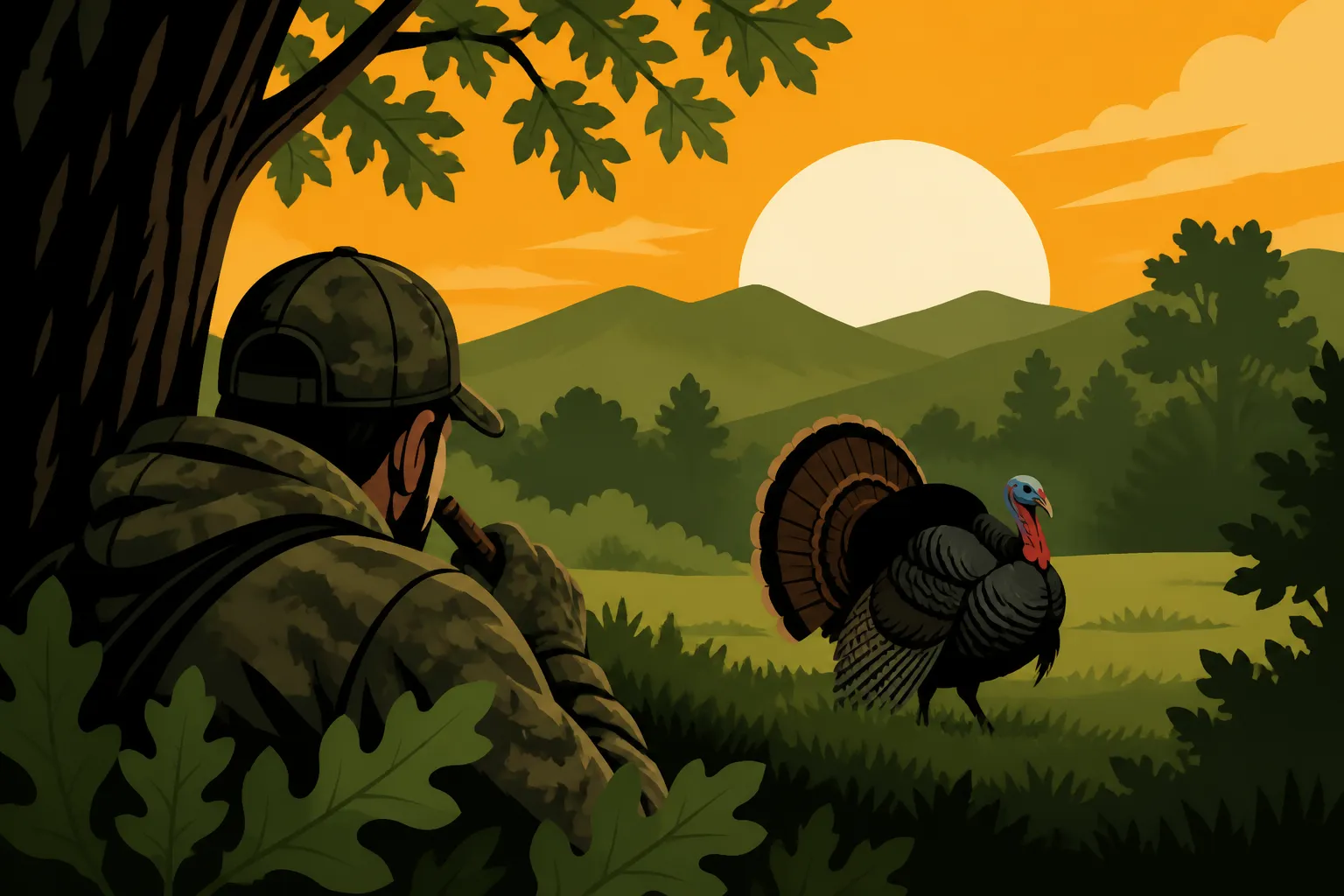
There are few things more frustrating in the Arkansas spring woods than heading out for a turkey hunt, filled with the hope of those booming morning gobblers, only to be met with dead silence. You've scouted, you've practiced your calls, you've envisioned that longbeard strutting in, and then… nothing. It's a common scenario, particularly as the season progresses and birds become more wary. This guide is all about understanding why Arkansas gobblers go quiet and, more importantly, how you can adapt your tactics to still find success when they do.
Understanding the Silence: Why Gobblers Clam Up
That sudden quiet isn't just bad luck; it's often a direct response to changes in their environment, their breeding cycle, or increased hunting pressure. Recognizing these factors is the first step to figuring out how to break the silence and coax a wary tom into range. It can feel like they've just vanished, but trust me, they haven't. They're just playing a different game now.
Post-Breeding Phase and Shifting Priorities
Early in the spring, those gobblers are absolutely bursting with testosterone, eager to locate and breed hens. Their vocalizations are a key part of this whole ritual, broadcasting their presence and dominance. They'll gobble from the roost, gobble at every crow, owl, or truck door slam, trying to get a hen's attention. But as the season wears on, especially into late April and May, things start to change.
Many hens have been bred and are now nesting or have already started laying. This means gobblers are no longer surrounded by eager hens demanding their attention. The sheer urgency to gobble their heads off diminishes significantly. They might still gobble a few times off the roost, but then they'll often pitch down and go silent, focusing on finding any remaining unbred hens or simply moving to feed and strut without all the fanfare. This is a common pattern observed across the state, from the deep hardwoods of the Delta to the rugged terrain of the Ozarks. It's a natural progression, but it certainly complicates our hunting efforts.
Weather Impact and Environmental Factors
Weather plays an enormous role in turkey behavior, and it’s often overlooked when trying to figure out why birds aren't talking. Bright, clear, calm mornings tend to be ideal for gobbling, almost like the perfect stage for them to perform. But throw in some rain, heavy wind, or a sudden cold snap, and those birds can become incredibly tight-lipped.
Think about it: strong winds can make it hard for them to hear distant hens, making gobbling less effective. Heavy rain might send them seeking shelter, and who wants to gobble in a downpour anyway? Even a sudden drop in temperature can put a damper on their enthusiasm. Arkansas weather can be notoriously fickle in the spring; one day it's sunny and 70 degrees, the next it's drizzling and 45. Keep a close eye on the forecast when planning your hunts. Sometimes, just waiting for a break in the weather can make all the difference, but more often, you need to adapt to what nature throws at you.
Hunting Pressure and Gobbler Education
This is probably the most significant factor, especially on public land or areas that see a lot of hunting activity. Turkeys are smart, and they learn quickly. By mid-season, they’ve heard every locator call, every yelp, and probably dodged a few hunters in blinds. They associate those sounds with danger, and they become "educated" – or, as we call them, quiet.
A gobbler that was hammered with calls and hunters during the first week of the season is far less likely to respond to a yelp or cut later on. They've learned that making noise can get them in trouble. This is why you'll often find that the first few days of the Arkansas spring turkey season are the most vocal, with gobbling tapering off dramatically afterward. Hunters are part of the equation, and our presence fundamentally changes how these birds behave. This is particularly true in areas like the Ozark National Forest or some of the more accessible WMAs, where Spring Turkey Hunting in the Arkansas Ozarks is a popular pursuit for many.
Scouting and Adapting: Finding Quiet Birds
When the woods are quiet, you can't rely on sound to tell you where the birds are. You have to become a detective, using your eyes and knowledge of turkey behavior to piece together their movements. This shifts your focus from calling them in to actively pursuing them, often becoming more of a still-hunting scenario. It's harder, no doubt, but incredibly rewarding when it pays off.
Locating Roost Sites Without Relying on Calls
Just because they aren't gobbling doesn't mean they aren't roosting. Finding a silent gobbler starts with knowing where he's spending the night. This requires some serious pre-dawn effort and quiet observation. Instead of driving around and blasting locator calls, focus on listening for more subtle sounds: the flapping of wings as they pitch down, soft tree yelps, or even just the sudden distinct calls of other birds reacting to a turkey's presence.
Spend time observing treelines near food sources or along major ridgetops, especially where you’ve found past sign. Use optics to scan for dark shapes in the trees just before legal shooting light. Even if you don't hear a single gobble, seeing a bird pitch down from a limb tells you exactly where to set up for a morning ambush. This might mean getting there an hour earlier than usual, moving slowly and quietly in the dim light, almost like you're hunting deer. In the more open areas of Turkey Tactics in Arkansas Pine Plantations, looking for prominent, tall pines that offer good vantage points can be a great strategy.
Reading Sign and Identifying Travel Corridors
When vocalizations drop off, the physical evidence they leave behind becomes paramount. You need to become an expert at reading turkey sign. This means looking for tracks, droppings, and scratch marks in the dirt. Gobblers, even silent ones, still have predictable patterns of movement between roosting areas, feeding grounds, and strut zones.
Look for wide, distinct gobbler tracks, especially along logging roads, field edges, or creek bottoms. Focus on areas where you see lots of scratching, indicating they've been feeding. Strut marks – those distinct wingtip drag marks and a central body print – are a dead giveaway that a gobbler is using that spot to display. Identifying these areas helps you pinpoint travel corridors and potential ambush points. Often, a quiet gobbler will still use the same strut zones he did when he was vocal, he's just not announcing his arrival with a booming gobble. Using a GPS like GoHunt can be invaluable here, allowing you to mark every piece of sign you find and build a comprehensive map of a gobbler's daily movements.
Adjusting Your Approach to Mid-Season Changes
The early season "run and gun" style where you chase hot gobblers often needs to be shelved when birds go quiet. Mid-season requires a slower, more deliberate approach. Instead of covering miles of ground, focus on thoroughly hunting smaller, high-potential areas. This might mean setting up early and staying put longer, trusting your scouting and waiting for a bird to come to you.
It also involves recognizing that their diet might be shifting. While acorns were king earlier, now they might be hitting fresh green sprouts in fields, insects, or new berry patches. Observing these subtle shifts and then setting up in those feeding areas can put you in the right place at the right time. For a deeper dive into adjusting strategies for different times of the day, consider Hunting Gobblers in the Late Morning as a great resource to learn from.
Tactical Shifts: Hunting Quiet Arkansas Gobblers
Once you've accepted that the loud, boisterous gobblers are a thing of the past for a bit, it’s time to change your playbook. This often means relying less on aggressive calling and more on subtle tactics, visual aids, and a whole lot of patience.
Mastering Subtle Calling Techniques
Forget the aggressive cutting and loud yelps that worked wonders on opening day. When birds are quiet, often less is more. Switch to soft, inquisitive yelps, clucks, and purrs. Think about a hen subtly moving through the woods, occasionally clucking to herself or giving a soft tree yelp. That's the sound you want to emulate.
These soft calls are designed to pique a gobbler's curiosity without alerting him to your presence as a hunter. They suggest a lone hen, perhaps one that hasn't been bred yet, or one simply going about her business. A gobbler that won't respond to a loud cut might just turn his head at a soft, contented purr. Sometimes, a quiet gobble or a simple cluck from him is all you'll get in return, and that’s your cue to be ready. Knowing when and how to scale back your vocalizations is crucial for Calling Arkansas Gobblers in the Ozarks where birds can be notoriously tough.
Utilizing Decoys for Visual Attraction
When gobblers aren't gobbling, your calls are only half the equation. They need a reason to commit to a location, and a visual element can be incredibly persuasive. Decoys become paramount when hunting quiet birds. Even if he hears your soft calls, seeing a realistic hen (or a jake and hen combo) can be the tipping point for a wary tom.
Consider using a single hen decoy in a breeding or feeding posture. If you're feeling a bit more aggressive, a jake and hen combination can often entice a dominant gobbler looking to run off a younger rival. Position your decoys where they are highly visible from a gobbler's likely approach, giving him a clear view but still keeping your setup concealed. Make sure to choose your decoy placement carefully; for instance, Decoy Placement for Pressured Birds suggests considering where the gobbler will focus his attention once he sees the decoy, ideally presenting you with a broadside shot.
| Decoy Type | Best Use Case | When to Deploy | Pros | Cons |
|---|---|---|---|---|
| Single Hen | General attraction, wary birds | All season, especially mid to late | Non-threatening, natural | Less aggressive attraction |
| Feeding Hen | Feeding areas, relaxed birds | Mid-morning, late afternoon | Indicates safety, inviting | May not challenge dominant gobblers |
| Breeding Hen | Enticing breeding-focused gobblers | Peak breeding, mid-season | Strong visual appeal to mature Toms | Can be ignored if hens are nesting |
| Jake Decoy | Provoking dominant gobblers | Mid to late season, when hens are nesting | Challenges alpha birds, aggressive | Can scare off submissive gobblers |
| Full Strut Gobbler | Highly aggressive, territorial birds | Very late season, isolated gobblers | Ultimate challenge for a dominant tom | Can intimidate other gobblers, risky if not prepared |
Patience and Persistence: The Sit-and-Wait Game
This is where many hunters lose steam. The desire to move, to go find a bird, is strong. But with quiet gobblers, patience often trumps miles covered. Set up in a location you've thoroughly scouted – a known strut zone, a travel corridor, or an active feeding area – and commit to it. This isn't a 30-minute sit; this might be a multi-hour vigil.
When you do hear a distant, soft gobble or even just a subtle cluck, don't immediately jump up and chase it. Play hard to get. Give a very soft response, then wait. Let his curiosity get the best of him. Sometimes, a quiet bird will circle, taking his time to approach, looking for the hen he heard. This is where your camouflage, your ability to remain absolutely still, and your knowledge of Setting Up Against a White Oak or other effective cover really pay off. Staying put allows you to observe, adapt, and be ready when that quiet gobbler finally slips into view.
Overcoming Specific Challenges of the Quiet Phase
Hunting silent gobblers presents its own unique set of problems beyond just finding them. They might be "henned up," or only active at odd hours, making your usual tactics fall flat. Addressing these head-on is how you turn a frustrating hunt into a successful one.
Dealing with "Henned Up" Gobblers
One of the biggest headaches when gobblers go quiet is encountering a bird that is "henned up." He's surrounded by real hens, so he has no reason to come to your calls. He might gobble occasionally for his ladies, but he's not interested in leaving them to find your decoy. This is a common late-morning scenario as hens finish up their nesting duties and regroup.
Your best bet here is to try and intercept them. If you can identify their general travel route, get ahead of them and set up. Sometimes, a subtle approach can draw a hen away from the group, and the gobbler will follow. You might also have to wait them out. Patience becomes key. Hens will eventually leave to nest, and when they do, that gobbler can become a lot more receptive. Alternatively, you can try to move around the group, making a wide circle to get ahead of them and call from a different angle. This is where knowledge about Arkansas Turkey Bag and Daily Limits is important, as you don't want to get so focused on calling that you miss an opportunity on a legal bird.
Hunting During Off-Peak Hours
Everyone wants to be in the woods at dawn, and for good reason: turkeys are most vocal then. But when gobblers go quiet, those prime morning hours can be the most frustrating. This is when you need to start considering the "off-peak" hours – late morning, midday, and even late afternoon.
As the morning progresses, hens often peel off to nest, leaving the gobblers feeling a little lonely. This is when a gobbler that was previously henned up or just silent might become more responsive. He'll start looking for company. These midday birds are often still receptive to soft calls. Similarly, a gobbler might move to a preferred feeding area or strut zone in the late afternoon, making that a good time to be out. Don't limit yourself to just the first two hours of daylight; a significant portion of the Arkansas turkey season can be successfully hunted during these less-pressured times.
Leveraging Topography and Cover
When dealing with quiet, wary birds, understanding the landscape becomes your greatest asset. Turkeys love to use natural funnels, ridge lines, and thick cover to travel safely and efficiently. Scouting these features and knowing how to use them to your advantage is critical.
In areas with varied topography, like the Ouachita National Forest, gobblers will often travel along benches and ridgetops, using these elevated positions to survey their surroundings. Identifying these natural travel corridors allows you to set up for an ambush without having to rely on calling them from a long distance. Similarly, thick patches of cover or creek bottoms can act as natural screens, allowing you to move closer to a suspected location undetected. Remember, Run-and-Gun on Arkansas Public Land doesn't always mean loud and fast; it can mean moving quietly and strategically through the terrain to intercept birds that aren't talking. GoHunt mapping tools can be a fantastic way to identify these topographical features from home before you even step foot in the woods, helping you plan your silent approach.
Disclaimer
Hunting is an activity with inherent risks. Always prioritize safety, understand and follow all Arkansas Game and Fish Commission regulations, and be mindful of ethical hunting practices. Conditions in the field can change rapidly, and your judgment is paramount for a safe and successful hunt.