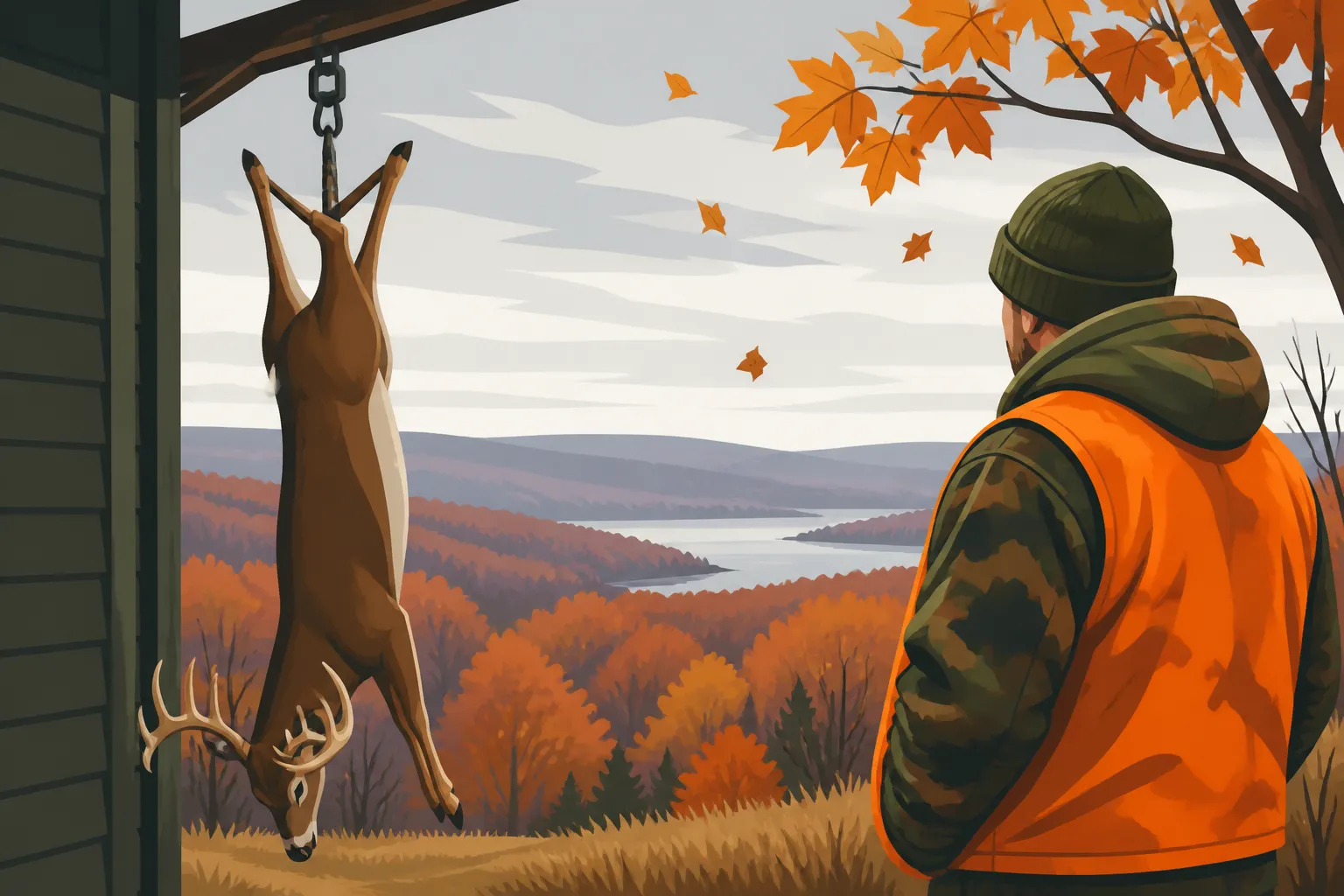
Cooling Meat in an Arkansas November
There’s nothing quite like the crisp air of an Arkansas November morning, the anticipation of a deer hunt, and then… the successful harvest. But here in the Natural State, November weather can be surprisingly fickle. You might wake up to frost, but by noon, the sun is beating down, and suddenly, that hard-earned venison is a ticking clock, challenging your ability to keep it cool and prevent spoilage. This guide is all about navigating those real-world challenges, offering practical, no-nonsense strategies to ensure your deer meat makes it to the freezer in prime condition, preserving every ounce of that precious harvest.
The Deceptive Nature of Arkansas November Weather for Game Meat
Many hunters, especially those new to Arkansas, often assume that once November hits, the days are consistently cold enough to allow for a relaxed pace with field dressing and meat care. And honestly, who can blame them? We dream of those frosty mornings. But the reality on the ground, especially across the diverse landscapes of Arkansas, is often quite different. Our autumns frequently swing from cool to downright balmy, and those warmer days can be a real enemy to fresh game meat.
Understanding Temperature Fluctuations
Arkansas weather in November is a dance between lingering warm fronts and the first real pushes of cold air. You might have a 30-degree morning, only for it to climb into the high 60s or even low 70s by midday. These temperature spikes are the primary reason why treating every November day like a deep-freeze expedition is a recipe for disaster. Bacteria multiply rapidly in temperatures above 40 degrees Fahrenheit, and even a few hours in warmer conditions can compromise the quality of your meat. Think about it: you tag a buck at 8 AM, spend an hour tracking, another hour or two getting it out of a tough spot, and suddenly it’s 11 AM, the sun is high, and your deer has been lying in 60-degree air. That’s a critical window where careful planning is absolutely necessary. This isn't just about losing some flavor; it's about food safety and respecting the animal you harvested.
The Myth of "Cold Enough"
It's a common refrain around deer camp: "It's cold enough, we'll get to it later." But what exactly is "cold enough"? For optimal meat preservation, you want to get that internal temperature down as quickly as possible, ideally below 40 degrees Fahrenheit. While surface temperatures might feel chilly, the deep muscle tissue of a recently harvested deer retains a lot of body heat, especially if the animal was active before the shot. That internal heat, combined with ambient air temperatures above freezing, creates a perfect incubator for bacterial growth. Even on a 45-degree day, a whole deer carcass can take many hours, if not a full day, to cool properly without intervention. This is why immediate and aggressive cooling measures are so crucial, regardless of what the thermometer feels like when you step outside. It’s always better to be proactive and prepare for the worst-case scenario than to risk spoiling your precious venison.
Immediate Field Care: Your First Line of Defense Against Spoilage
The moment an animal hits the ground, the clock starts ticking. What you do in those crucial first minutes and hours will largely determine the quality of the meat. This isn't just about tradition; it's about science and respect for the harvest.
Prompt Field Dressing and Gutting
The absolute most critical step in cooling meat, especially in warmer Arkansas Novembers, is immediate field dressing. You need to remove the entrails as quickly as possible. This serves two vital purposes: it eliminates the largest source of internal heat (the organs), and it removes the bacteria-laden digestive tract, which is a major contributor to spoilage. Don't procrastinate. As soon as you confirm your animal is down and safe to approach, get to work. Even a slight delay can significantly impact meat quality, especially if the deer expires in direct sunlight. If you're hunting during the Arkansas Modern Gun Deer Hunting season, it's particularly important because those hunts often coincide with warmer November days. For a detailed walkthrough on this initial process, check out our guide on Field Dressing a Deer in Warm Weather. The goal is to open up that body cavity, allowing air to circulate and heat to escape.
When field dressing, be meticulous. Cut around the anus and pull the rectum through the pelvic canal, making sure not to sever it and contaminate the meat. Open the chest cavity all the way up to the sternum, even splitting the sternum if necessary, to expose the heart and lungs. If you plan to save the heart or liver, cool them separately and quickly. For areas with CWD, like many parts of Arkansas, remember that the brain and spinal cord are of particular concern. Always be aware of Arkansas CWD Rules and Carcass Transport if you're planning to take your deer out of the county or state.
Air Circulation and Propagating the Cavity
Once the deer is gutted, the next step is to maximize airflow within the body cavity. This means propping it open. Small sticks, a dedicated game spreader, or even a couple of empty water bottles can work wonders. The goal is to prevent the body cavity from collapsing, trapping warm air inside. If you're dealing with a larger animal, consider removing the hide from the lower portions of the legs and hindquarters, exposing more muscle to the cooler air. In sunny conditions, try to move the animal into dense shade immediately after gutting. Even a slight breeze can significantly aid in cooling, so position the deer accordingly.
Remember those early morning hunts where you're just getting started with Hunting the Arkansas Early Buck-Only Archery Days? You might have hours before you can get the deer back to camp or a cooler. This is where every minute counts. Take the time to ensure proper air circulation; it’s a small effort with huge rewards in terms of meat quality.
Advanced Cooling Strategies for the Field and Camp
Getting the guts out is step one, but in Arkansas, especially early in the season, it’s rarely enough. You need to actively work to bring that core temperature down. Relying solely on ambient air is a gamble you often can't afford.
Using Ice Aggressively
This is your best friend when temperatures are marginal. Once the deer is field dressed, and the cavity is propped open, fill the cavity with ice. Not just a handful, but as much as you can reasonably fit. Block ice lasts longer than cubed ice, but any ice is better than no ice. If you're fortunate enough to have a large cooler or game bags, you can even put the quarters directly on ice. The contact with ice will draw heat out of the meat quickly and efficiently.
When using ice in the cavity, drain the meltwater regularly. You don't want the meat sitting in a pool of blood-tinged water, as this can encourage bacterial growth and lead to a "gamey" flavor. Some hunters will even place clean, frozen water bottles or milk jugs inside the cavity to avoid excess meltwater, but direct ice contact is generally more effective for rapid cooling. Make sure you've got a supply ready at camp or a nearby store. Many seasoned Arkansas hunters make sure their coolers are already packed with ice before they even leave for the woods, just in case.
Shade, Airflow, and Elevating the Carcass
Beyond ice, strategic placement and environmental factors play a huge role. Always get the animal into the deepest shade you can find. Direct sunlight, even on a cool day, can rapidly heat the carcass. If you can, elevate the deer off the ground. This prevents ground heat from transferring to the carcass and allows for 360-degree airflow around the body. A sturdy tripod, a couple of sawhorse-like setups, or even just hanging it from a sturdy limb works. The key is to get it up where the air can move freely beneath and around it.
If you’re fortunate enough to be at a camp with electricity, a small fan aimed at the propped-open cavity can work wonders, especially overnight or during slower cooling periods. Think of it like a wind-chill factor for your meat. This combination of shade, elevation, and forced air is a potent trio against spoilage. Tools like the GoHunt app can sometimes help you identify areas with good canopy cover on aerial maps, helping you plan your recovery route to shade. For instance, if you're Getting a Deer Out of an Ozark Hollow, finding a spot under some thick hardwoods might be your best bet for immediate shade before transport.
The Ice Chest Method for Quarters
If you have a larger deer and the weather is particularly warm, or if you're facing a long drive home, quartering the animal in the field is often the best option. This might seem like a lot of extra work, but it dramatically increases the surface area exposed to cooling, allowing the meat to chill much faster.
Once quartered, each section can be placed directly into separate, clean coolers filled with ice. Again, use plenty of ice, and consider using large ziplock bags or game bags to keep the meat from sitting directly in meltwater if you prefer. This method is exceptionally effective because it breaks down the large thermal mass of the whole animal into smaller, more manageable pieces that cool down rapidly. This is a common strategy for hunters making a multi-day trip for Arkansas Modern Gun Deer Hunting or those traveling a significant distance back home, ensuring their harvest remains perfect.
| Method | Speed of Cooling | Primary Benefit | Best Use Case | Considerations |
|---|---|---|---|---|
| Field Dressing Only | Slow | Essential first step | Coldest days, short transport | Insufficient for warm weather; minimal cooling |
| Ice in Cavity | Moderate-Fast | Direct heat transfer | Marginal temps, moderate transport | Requires ice supply; drain meltwater often |
| Quartering & Icing | Fast | Maximizes surface area for cooling | Warm temps, long transport, CWD zones | More labor-intensive; requires multiple coolers |
| Shade & Airflow | Moderate | Prevents solar gain, promotes evaporation | All scenarios, especially waiting for transport | Needs proper location; doesn't actively chill |
| Hanging (Cool Room) | Fast | Ideal for aging and final chilling | Post-transport, dedicated facility | Requires proper setup (temp/humidity control) |
Transporting and Storing Your Harvest Safely
You've done the hard work in the field, but the journey isn't over yet. Getting that cooled meat home and into proper storage without re-heating is the final critical hurdle.
Secure Transport in Coolers
Whether you've got whole halves or quartered sections, transport needs to prioritize continued cooling. If you've quartered the animal, keep those coolers full of ice and drain them periodically during the drive. For whole carcasses or halves, wrap them in clean tarps or game bags to keep them clean, and if possible, keep them in the coolest part of your vehicle.
Avoid placing meat directly on hot truck beds or surfaces that will radiate heat. If you're using a truck, consider a bed cover or at least covering the meat with a light-colored tarp to reflect sunlight. For longer hauls, especially back from an Ozark National Forest Hunting trip where you might be navigating winding roads, extra ice is cheap insurance. Every stop you make, check the ice levels. Some hunters even bring a thermometer to monitor the internal temperature of the thickest part of the meat to ensure it stays below 40 degrees. Remember, the goal isn't just to keep it from spoiling, but to keep it at its very best for the table.
Processing and Freezing for Longevity
Once you arrive home or at your processing facility, the job isn't done. The meat needs to be broken down, wrapped, and frozen as quickly as possible. If you're doing your own butchering, ensure your workspace is clean and cool. Don't let the meat sit out on the counter for hours. Process a section at a time, getting it into freezer paper or vacuum-seal bags promptly.
If you’re taking it to a professional processor, call ahead to let them know you're coming and ensure they have space and are ready to handle your meat quickly. A good processor understands the urgency. Freezing meat quickly at a cold temperature (0°F or colder) is key to preventing freezer burn and maintaining quality over the long term. Proper wrapping is crucial to avoid air exposure, which causes freezer burn. Products like the GoHunt game bags are excellent for keeping meat clean and allowing it to breathe before it reaches the processor, offering an extra layer of protection. When you’re preparing for a full season of Bowhunting Arkansas's Five-Month Archery Season, having a solid plan for processing and freezing is just as important as your shot placement.
Hanging and Aging Considerations
Some hunters prefer to age their venison. This process, when done correctly, can tenderize the meat and enhance its flavor. However, aging must be done in a strictly controlled environment—typically a cooler or walk-in refrigerator at temperatures between 34-38 degrees Fahrenheit, with good humidity control and airflow. Simply hanging a deer in a shed on a cool November day in Arkansas is not aging; it’s inviting spoilage. Without proper temperature and humidity regulation, you risk bacterial growth and contamination.
If you're not equipped with a dedicated game cooler, it’s safer to process and freeze your meat quickly. For those who do want to age, consult with a professional processor or someone with extensive experience in controlled aging. Don't risk your entire harvest by guessing. The science of aging is precise, and the consequences of getting it wrong are severe. After all the effort put into scouting, hunting, and recovering, you want to be sure you're doing everything possible to enjoy that venison for months to come.
Disclaimer
The information provided in this guide is for general informational purposes only and does not constitute professional advice. Hunting regulations, safety guidelines, and best practices for game meat handling can change. Always consult the latest regulations from the Arkansas Game and Fish Commission (AGFC) and follow all applicable laws and safety procedures. Proper field dressing, cooling, and processing are crucial for food safety.