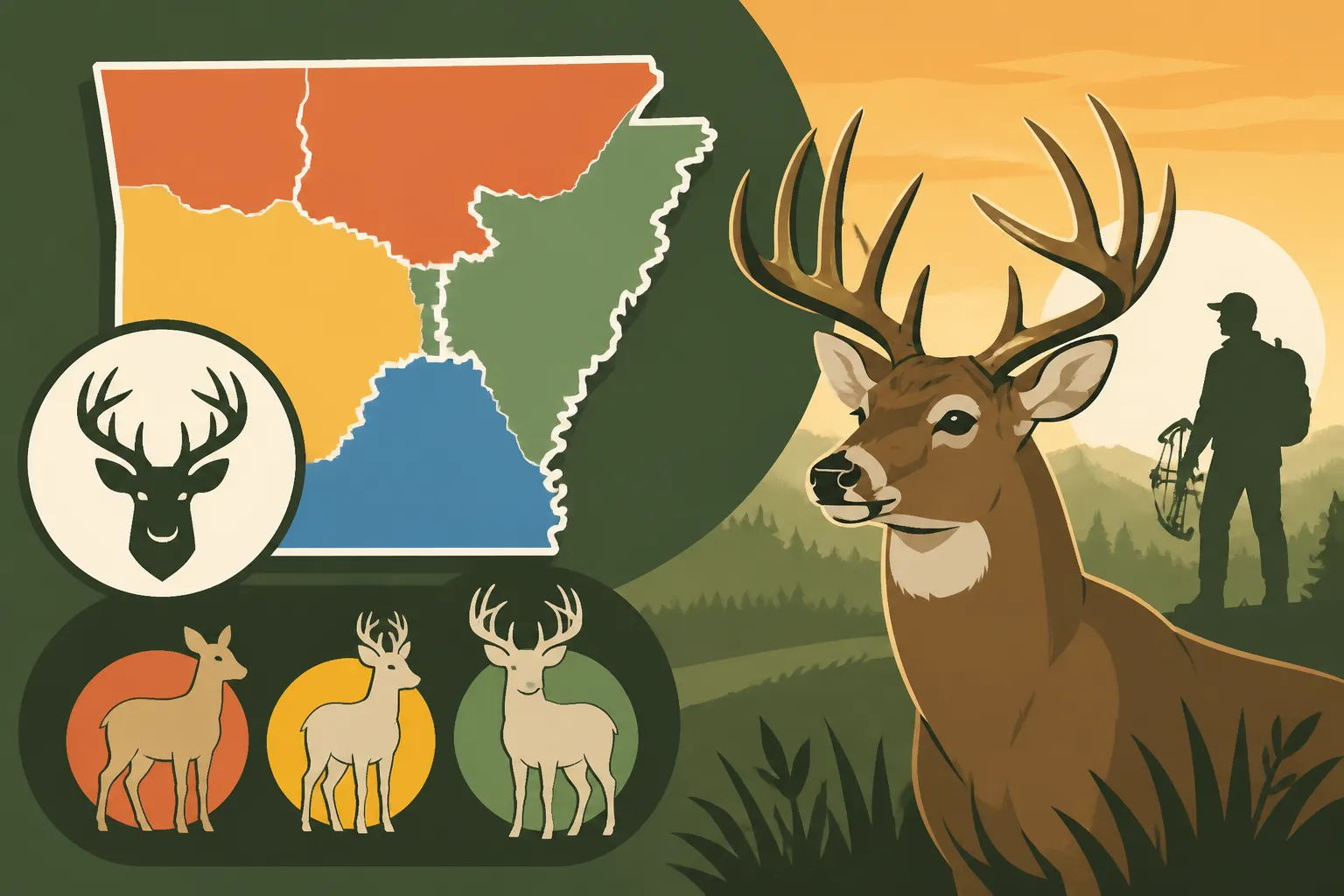
Arkansas Deer Bag Limits by Zone
Navigating Arkansas deer regulations can feel like trying to untangle a fishing line after a particularly windy day – confusing, frustrating, and seemingly endless. Many hunters, especially those new to the state or exploring different regions, struggle to keep track of varying bag limits depending on which deer zone they're in. This guide aims to clear up that confusion, breaking down the specific deer bag limits by zone so you can hunt confidently and legally across the Natural State.
Understanding Arkansas Deer Zones and Their Purpose
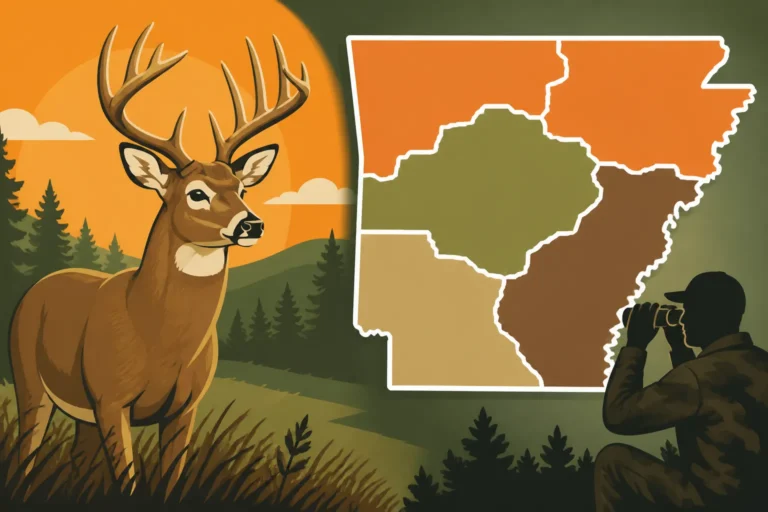
Arkansas is a state rich in diverse landscapes, from the flat, fertile delta lands in the east to the rugged mountains of the Ozarks and Ouachitas in the west. This incredible variety in habitat means that deer populations don't thrive uniformly across the entire state. The Arkansas Game and Fish Commission (AGFC) manages the deer herd by dividing the state into various deer zones. These zones aren't just arbitrary lines on a map; they are carefully drawn boundaries that reflect ecological differences, deer density, habitat types, and even hunting pressure.
The primary purpose of these zones is to implement targeted management strategies. Instead of a one-size-fits-all approach, the AGFC can tailor regulations – including bag limits, season lengths, and specific harvest restrictions like the three-point rule – to match the unique needs of the deer herd and hunter opportunities within each zone. This localized management helps maintain healthy deer populations, balance herd numbers with available habitat, and ensure sustainable hunting for future generations. For a deeper dive into how these areas are delineated, you can explore more about Arkansas Deer Zones Explained.
Why Zones Are Essential for Herd Management
Imagine trying to manage a sprawling farm with vastly different soil types, crops, and livestock using a single set of rules. It just wouldn't work, right? The same principle applies to deer management in Arkansas. In some areas, deer populations might be thriving, potentially leading to overbrowsing of habitat or increased vehicle collisions. Here, higher bag limits, particularly for antlerless deer, help thin the herd and bring numbers back into balance. Conversely, in regions where deer numbers are lower, perhaps due to less fertile soil, limited food sources, or disease outbreaks, regulations might be more conservative to allow the herd to grow. This dynamic approach is critical for the long-term health of our deer resource.
The AGFC constantly monitors deer populations through various methods, including hunter harvest reports, deer observation surveys, and biological samples. This data helps them adjust zone boundaries and regulations as needed, reflecting changes in the landscape or deer behavior. This scientific approach ensures that our hunting heritage remains strong and that deer herds are robust and resilient.
How Zone Boundaries Impact Your Hunt Planning
For hunters, understanding these zone boundaries is paramount. You might live in one zone, but your favorite hunting spot could be just across the line in another. Or, if you're planning a trip to a different part of the state, say from the Delta to the Ozarks, the rules will almost certainly be different. Failing to know the specific regulations for your hunting location can lead to accidental violations, which nobody wants. Many hunters use tools like the GoHunt app to overlay these zone boundaries with property lines and public lands, making it easier to plan their hunts accurately. It's not just about knowing where to hunt, but how to hunt legally in that specific area. Always double-check the zone of your planned hunting area before heading afield.
Decoding Arkansas Deer Bag Limits
Now, let's get down to the nitty-gritty: the actual numbers. Arkansas's deer bag limits are set annually by the AGFC and can vary significantly between zones for both antlered and antlerless deer. These limits are designed to achieve specific population goals within each zone, ranging from population reduction to growth or stabilization. It's crucial not only to know the total bag limit but also the composition – how many bucks versus does you can take.
The statewide bag limit for deer is six. This is an important distinction: you cannot harvest more than six deer in total across all seasons and zones combined within a single license year. However, within that statewide limit, individual zone restrictions dictate how those six deer can be harvested. This means that while you have a total of six tags, you might only be able to fill one or two of those tags with antlered bucks, depending on the zone you're hunting in. The remaining tags are typically for antlerless deer, often used to help manage local populations.
General Antlered Deer Limits
Generally, across most of Arkansas, the antlered deer bag limit is two legal bucks. A "legal buck" usually means a deer with at least one antler that is three inches or longer, or a deer with hardened antlers regardless of length. However, this is where the three-point rule comes into play and can change things dramatically in certain zones. Where the three-point rule is in effect, an antlered deer must have at least three points on one side of its rack, or have an antler with at least a 15-inch main beam length, to be considered legal. This rule is designed to protect younger bucks and allow them to reach older age classes, resulting in a healthier herd and larger antlers.
So, while the statewide antlered limit is technically two bucks, you need to verify if the three-point rule applies to your specific zone. If it does, and you harvest a buck that doesn't meet those criteria, it's an illegal harvest, even if it has hardened antlers. It's a critical detail that many hunters sometimes overlook in their excitement. This distinction is vital for ethical and legal hunting practices.
General Antlerless Deer Limits
Antlerless deer, often referred to as does or button bucks (a deer with no visible antlers, or antlers less than 3 inches in length), typically have higher bag limits than antlered deer. This is because harvesting does is the most effective way to manage deer populations and prevent overpopulation, which can lead to habitat degradation and increased spread of diseases like CWD. In many zones, the antlerless limit can be up to four or five deer, provided you haven't exceeded your two-buck limit and the statewide six-deer total.
The availability of antlerless tags often corresponds to areas with higher deer densities or agricultural damage concerns. For example, zones in the Delta region, known for abundant food sources and high deer numbers, frequently have more generous antlerless limits. These limits are a direct tool the AGFC uses to keep the herd in check and reduce conflicts with landowners and farmers. When you're thinking about filling your tags, especially late in the season, focusing on antlerless deer can be a great way to put meat in the freezer and contribute to sound wildlife management.
Specific Bag Limits by Arkansas Deer Zone
Arkansas is divided into numerous deer zones, each with its own unique set of regulations regarding bag limits. It's important to recognize that these zones are not static; the AGFC reviews and sometimes modifies them based on scientific data and management needs. Always consult the most current AGFC hunting guide for the definitive rules, but here's a general breakdown of how the limits typically vary.
Most of Arkansas falls into one of several primary zones or combinations thereof, which dictate the specific daily and seasonal bag limits. Remember, these limits are within the statewide six-deer total. The antlered limits will specify if the three-point rule is applicable.
Let's look at a common scenario in a table format to make it a bit clearer:
| Deer Zone Type (Example) | Antlered Deer Limit | Antlerless Deer Limit (typically) | Special Rules/Considerations |
|---|---|---|---|
| Delta Zones (e.g., Zone 4, 4A, 5) | 2 legal bucks (often 3-point rule applies to one buck) | 4-5 antlerless | High deer density, agricultural areas. |
| Ozark Zones (e.g., Zone 1, 1A, 2) | 2 legal bucks (3-point rule typically does not apply) | 2-3 antlerless | Lower deer density, rugged terrain. |
| Ouachita Zones (e.g., Zone 6, 7) | 2 legal bucks (3-point rule typically does not apply) | 2-3 antlerless | Moderate deer density, forested mountains. |
| Mountain/Piedmont Zones (e.g., Zone 3, 8) | 2 legal bucks (3-point rule often applies to one buck) | 3-4 antlerless | Mixed habitats, varied density. |
This table is a simplified representation, and specific zone numbers (e.g., Zone 1, Zone 2, Zone 3, etc.) have their precise boundaries and rules. It's crucial to check the specific zone number for your hunting location. You can usually find detailed maps and zone descriptions on the AGFC website or in their annual hunting regulations. Understanding where your hunting grounds fall within these zones is the first step in ensuring you're compliant with the specific Arkansas Deer Bag Limits by Zone.
Delta Zones Antlered and Antlerless Limits
The Delta regions of Arkansas, encompassing zones like Zone 4, 4A, and 5, are often characterized by fertile agricultural lands, river bottoms, and green timber. These areas typically support very high deer populations due to abundant food resources, including corn, soybeans, and rice, alongside natural browse. As a result, these zones often have more liberal bag limits designed to help manage the thriving herd.
For antlered deer in many Delta zones, the limit is two bucks. However, it's very common for the three-point rule to apply to one of those bucks. This means that your first buck harvested in these zones must meet the three-point rule (at least three points on one side or a 15-inch main beam), while your second buck can be any legal antlered deer. This strategy aims to allow more young bucks to mature while still giving hunters opportunities. The antlerless limits in Delta zones are usually the most generous in the state, often allowing for four or five antlerless deer to be harvested. This is a direct effort to control the overall deer population, which can otherwise quickly grow to unsustainable levels in these highly productive habitats, leading to crop damage and increased risk of disease.
Ozark and Ouachita Zones Antlered and Antlerless Limits
Moving west into the rugged terrain of the Ozark and Ouachita Mountains (zones like 1, 1A, 2, 6, and 7), the habitat changes dramatically, and so do the deer populations. These areas feature dense forests, rocky outcrops, and less widespread agricultural land, which generally leads to lower deer densities compared to the Delta. Consequently, bag limits tend to be more conservative.
In these mountain zones, the antlered deer limit is typically two legal bucks, and the three-point rule generally does not apply. This means any buck with hardened antlers at least three inches long is considered a legal buck. This less restrictive buck rule allows hunters to harvest a wider range of antlered deer, reflecting the management goal of simply providing hunting opportunities in areas where trophy quality isn't the primary focus. Antlerless limits in these zones are usually lower, often set at two or three deer. This reflects the AGFC's strategy to allow for slower population growth or stabilization in areas where the habitat can support fewer deer. Hunters in these zones often spend more time scouting the challenging terrain, searching for those pockets where deer are concentrated. If you're planning a trip to these areas, it's worth checking out resources on Hunting Ozark Ridges and Hollows for Deer to maximize your chances.
The Impact of the Three-Point Rule
The three-point rule is one of the most significant and sometimes debated regulations in Arkansas deer hunting. It directly impacts what constitutes a "legal" buck in certain zones and is a cornerstone of antler-point restrictions (APRs) designed for quality deer management. While it might feel like an added layer of complexity, understanding this rule is absolutely essential to avoid legal issues and contribute to the AGFC's long-term management goals.
In a nutshell, where the three-point rule is in effect, a buck must have at least three points on one antler or a main beam length of at least 15 inches to be considered a legal harvest. This is designed to protect younger, typically 1.5-year-old bucks, allowing them to survive another year or two, grow larger bodies, and develop more mature antler configurations.
Zones Where the Rule Applies
The three-point rule is predominantly applied in zones where the AGFC aims to improve the age structure of the buck herd and promote healthier, older deer. This typically includes most Delta zones (such as 4, 4A, 5) and some of the mixed habitat zones, particularly those with a blend of agricultural and timber lands like Zone 3 or Zone 8. It's less common in the more rugged, less productive Ozark and Ouachita zones where deer populations are naturally lower and management focuses more on overall herd health than antler quality.
It's critical to remember that this rule often applies to only the first buck harvested in a season within those zones. For example, if you're in Zone 4, your first buck must meet the three-point criteria. If you're fortunate enough to get a second buck, it generally only needs to be a "legal buck" (antlers 3 inches or longer). Always, always double-check the current regulations for the specific zone you are hunting in to confirm whether the three-point rule applies to one or both of your antlered deer. The AGFC publishes an annual hunting guide that clearly outlines which zones have this restriction. For a complete explanation, you can refer to The Arkansas Three-Point Rule.
Why the Three-Point Rule Matters
The implementation of the three-point rule is not about making hunting harder; it's about making hunting better in the long run. By protecting yearling bucks, the rule helps to:
- Improve Buck Age Structure: More bucks survive to older age classes (2.5, 3.5, and 4.5+ years old), leading to a higher proportion of mature bucks in the population.
- Increase Antler Quality: Older bucks generally have larger body sizes and more impressive antlers. This doesn't just mean bigger trophies; it also indicates a healthier, well-nourished deer.
- Enhance Rut Dynamics: A more balanced buck-to-doe ratio, which can result from protecting young bucks, can lead to a more intense and prolonged rut, making for more exciting hunting opportunities. When fewer young bucks are chasing does, older, more dominant bucks get to breed, which can contribute to better genetics in the herd. This can dramatically change how you approach Hunting the Arkansas Rut by Zone.
- Reduce Hunter Pressure on Young Bucks: Instead of harvesting the first legal buck, hunters are encouraged to pass on younger deer, shifting their focus to mature animals or antlerless deer, which are crucial for population control.
Some hunters express frustration with the three-point rule, especially when a healthy-looking young buck walks by, and they can't take it. This is a common sentiment, but understanding the biological reasons behind the rule can help put it in perspective. It's a management tool, not a barrier, designed to benefit the entire deer herd and the hunting community over time.
Tagging and Reporting Your Harvest
Once you've successfully harvested a deer in Arkansas, the process isn't over. Proper tagging and reporting are legal requirements and crucial steps that contribute to the AGFC's ability to manage the deer herd effectively. It can feel like a chore after a long hunt, but it's an important part of responsible hunting.
The AGFC uses the harvest data to monitor population trends, assess the impact of regulations, and identify areas that might need different management strategies. Every reported deer, whether an antlered buck from the Ozarks or an antlerless deer from the Delta, provides valuable information that helps shape future hunting seasons.
Immediate Tagging Requirements
Immediately after harvesting a deer, and before moving it from the place of kill, you must complete and attach your deer tag. This tag comes with your hunting license and is usually perforated, allowing you to easily detach the correct tag for the animal harvested. The information required typically includes the date of harvest, the deer zone, the sex of the deer (antlered or antlerless), and the county. You must sign the tag.
The tag needs to be securely attached to the deer. Many hunters use zip ties or string to fasten the tag to an antler (for bucks) or the hock of a leg. This immediate tagging is critical because it officially validates your harvest and proves that the deer was taken legally. Moving an untagged deer, even just a short distance, can result in a violation. This immediate step helps prevent illegal poaching and ensures that every legally taken deer is accounted for. It's a small but significant part of showing respect for the game and the regulations. You can find more details on Arkansas Deer Checking and Tagging.
Reporting Your Harvest
In addition to immediate physical tagging, all harvested deer in Arkansas must be reported to the AGFC through their online game check system or their mobile app. This must be done within a specific timeframe, usually by midnight on the day of harvest. This electronic reporting system is incredibly efficient and provides the AGFC with real-time data on harvest numbers across different zones.
When you report your harvest, you'll need the information from your physical tag, along with your customer ID number (from your hunting license). You'll typically enter details like:
- Date and Time of Harvest: When you took the animal.
- Deer Zone: The specific zone where the deer was killed.
- County of Harvest: The county where the deer was killed.
- Sex of the Deer: Antlered or antlerless.
- Type of Weapon Used: Archery, modern gun, muzzleloader, or other alternative firearm.
Once submitted, the system will usually provide you with a confirmation number, which you should keep for your records. This confirmation is proof that you've fulfilled your reporting obligation. This system has replaced the old physical check stations, making it much more convenient for hunters while still providing the AGFC with vital data. Ignoring this step is a violation, and it also means that crucial data for herd management goes missing. It's a small effort that yields big benefits for wildlife conservation.
Special Considerations and Rules
Arkansas deer hunting, like any complex system, has a few extra layers of rules and considerations that savvy hunters need to be aware of. These aren't minor details; they can significantly impact your hunting plan and ensure you stay on the right side of the law. From carcass transport rules to youth hunts and the management of Chronic Wasting Disease (CWD), staying informed is key.
These special rules are often in place for very good reasons, whether it's to protect vulnerable age classes, prevent the spread of disease, or offer unique opportunities for certain hunter demographics.
Youth Hunts and Bag Limits
Arkansas is committed to fostering the next generation of hunters, and youth deer hunts are a fantastic way to introduce young people to the sport in a supportive and often less pressured environment. These hunts typically occur on specific weekends, usually before the regular modern gun season, and are exclusively for hunters under a certain age (e.g., 6-15 years old).
During these youth hunts, the bag limits often align with the standard zone limits for antlered and antlerless deer, but there might be special provisions. For instance, in some zones, youth hunters might be allowed to harvest any legal buck, even if the three-point rule would typically apply to adult hunters. This can provide a great opportunity for a young hunter to experience success. Mentoring a young hunter during these seasons is incredibly rewarding and is a cornerstone of passing down our hunting heritage. Always check the specific regulations for Youth Deer Hunt Dates and Rules to understand the exact bag limits and rules for these special opportunities.
Chronic Wasting Disease CWD Zones and Carcass Transport
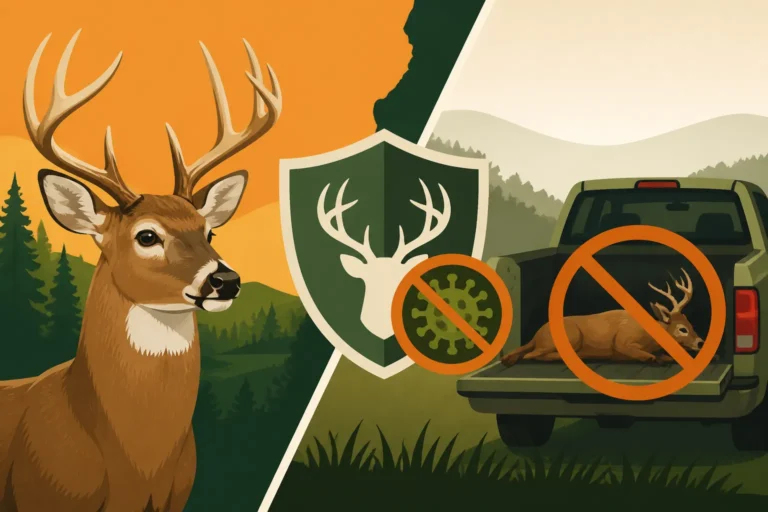
Chronic Wasting Disease (CWD) is a serious concern for deer populations across North America, including Arkansas. It's a fatal neurological disease affecting deer, elk, and moose, and there's currently no vaccine or cure. The AGFC takes CWD management very seriously, and this includes specific regulations for zones where CWD has been detected. These areas are designated as CWD Management Zones.
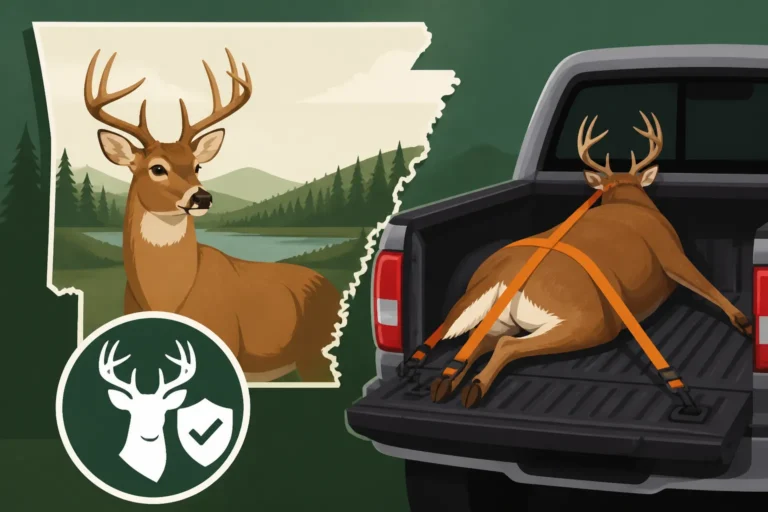
If you harvest a deer in a CWD Management Zone, there are often strict rules regarding carcass transport. Typically, you cannot transport the entire carcass out of the CWD zone. The purpose of this rule is to prevent the spread of the infectious prions (proteins that cause the disease) to uninfected areas. Usually, only deboned meat, clean skull plates (antlers attached), hides, and teeth can be transported out of the zone. The brain, spinal cord, and other potentially infectious materials must be left in the CWD zone or disposed of properly. Some zones may also require mandatory CWD testing of harvested deer during certain periods.
It's critical for hunters to be aware of CWD Management Zones and their associated rules. Not only is it a legal requirement, but it's also an ethical responsibility to help prevent the spread of this devastating disease. Before heading into any area, consult the latest AGFC regulations or their online map tools, like GoHunt, to identify if your hunting area is within a CWD zone. Ignorance of these rules is not an excuse, and violations carry significant penalties. Learn more about Arkansas CWD Rules and Carcass Transport.
Understanding Private vs. Public Land Rules
While the statewide and zone-specific bag limits apply to both private and public lands, there can be additional layers of regulations, especially on public hunting grounds like Wildlife Management Areas (WMAs) or National Forests. Some WMAs might have even more restrictive bag limits, antler-point restrictions, or even require special permits or draw hunts for specific game animals.
For example, certain WMAs might have a "one buck per season" rule, even if the general zone limit is two. Others might have specific days designated only for antlerless harvest. These additional rules are implemented to manage deer populations and hunter pressure on these popular public areas more intensely. Always check the specific regulations for the WMA or public land you plan to hunt, as they can supersede the general zone rules. The AGFC website and their annual regulations digest provide detailed information for each WMA. For comprehensive information on how to navigate these areas, check out Public Hunting Land in Arkansas.
Planning Your Hunt Based on Bag Limits
Successfully planning a deer hunt in Arkansas involves much more than just knowing where to go and when. It requires a strategic approach that integrates an understanding of bag limits, zone regulations, and your personal hunting goals. Failing to consider these elements can lead to missed opportunities or, worse, legal trouble.
A well-thought-out plan ensures you maximize your hunting experience while remaining compliant with all AGFC regulations. It’s about being prepared and making informed decisions in the field.
Setting Realistic Harvest Goals
Before the season even begins, take some time to evaluate your hunting goals. Are you primarily looking to fill the freezer with venison? In that case, focusing on antlerless opportunities in zones with higher limits might be your best strategy. Are you hoping to harvest a mature buck? Then understanding the three-point rule zones and where older bucks are more prevalent becomes crucial. Knowing your objectives will help you choose your hunting locations and prioritize which tags to fill.
If you're hunting in a zone where the three-point rule applies to your first buck, for example, your strategy might involve passing on smaller bucks you might otherwise take, holding out for a more mature animal. This requires discipline and patience, but it's part of playing by the rules designed to grow bigger deer. Conversely, if you're in an Ozark zone with less restrictive buck rules and a lower antlerless limit, your focus might shift to taking any legal buck that presents itself, combined with one or two does if the opportunity arises. Using mapping tools like GoHunt, you can identify which zones offer the best chance to meet your specific harvest goals.
Multi-Zone Hunting Strategies
For many dedicated Arkansas hunters, the deer season isn't confined to a single county or zone. With varying season dates and bag limits, a multi-zone strategy can allow for extended hunting opportunities and a chance to experience different types of hunting throughout the year. For example, you might start the archery season targeting antlerless deer in a high-density Delta zone, where early season success can be high. Later in the season, you might shift your focus to a mountain zone during the rut, aiming for a legal buck there.
However, this strategy requires meticulous planning and a thorough understanding of the regulations for each specific zone you intend to hunt. You must be acutely aware of which zone you are in at all times and ensure your harvests align with that zone's specific bag limits and rules, particularly regarding antlered vs. antlerless deer and the three-point rule. This might mean keeping separate mental notes or even physical checklists for each zone. Successfully navigating multiple zones means maximizing your overall statewide bag limit of six deer, but ensuring each individual harvest adheres to its respective zone’s limitations. Remember, your statewide limit is still six deer, regardless of how many zones you hunt in.
Disclaimer
The information provided in this guide is for general informational purposes only and is based on typical Arkansas deer hunting regulations. Hunting regulations are subject to change annually and can be complex. It is the individual hunter's responsibility to consult the most current official Arkansas Game and Fish Commission (AGFC) hunting regulations guide before participating in any hunting activity. This guide should not be considered a substitute for the official AGFC regulations.