Arkansas Dove Opener and Later Splits
There's nothing quite like the anticipation of opening day for dove season in Arkansas, is there? That feeling of crisp September air (or, let's be real, often still-sweltering heat!), the camaraderie of friends and family, and the fast-flying challenge of these acrobatic birds. But sometimes, just figuring out when and where you can actually hunt those doves can feel like a bigger challenge than hitting them. This guide is going to walk you through the nuances of Arkansas's dove opener and the often-overlooked later split seasons, helping you understand the regulations, adapt your tactics, and make the most of every opportunity.
Understanding Arkansas Dove Season Structure
Arkansas's dove season isn't just one long, continuous stretch; it's a carefully crafted series of segments designed to offer optimal hunting opportunities while managing the migratory bird population. This structure can sometimes catch new hunters off guard, but once you understand the rhythm, it becomes second nature.
The Importance of the Dove Opener
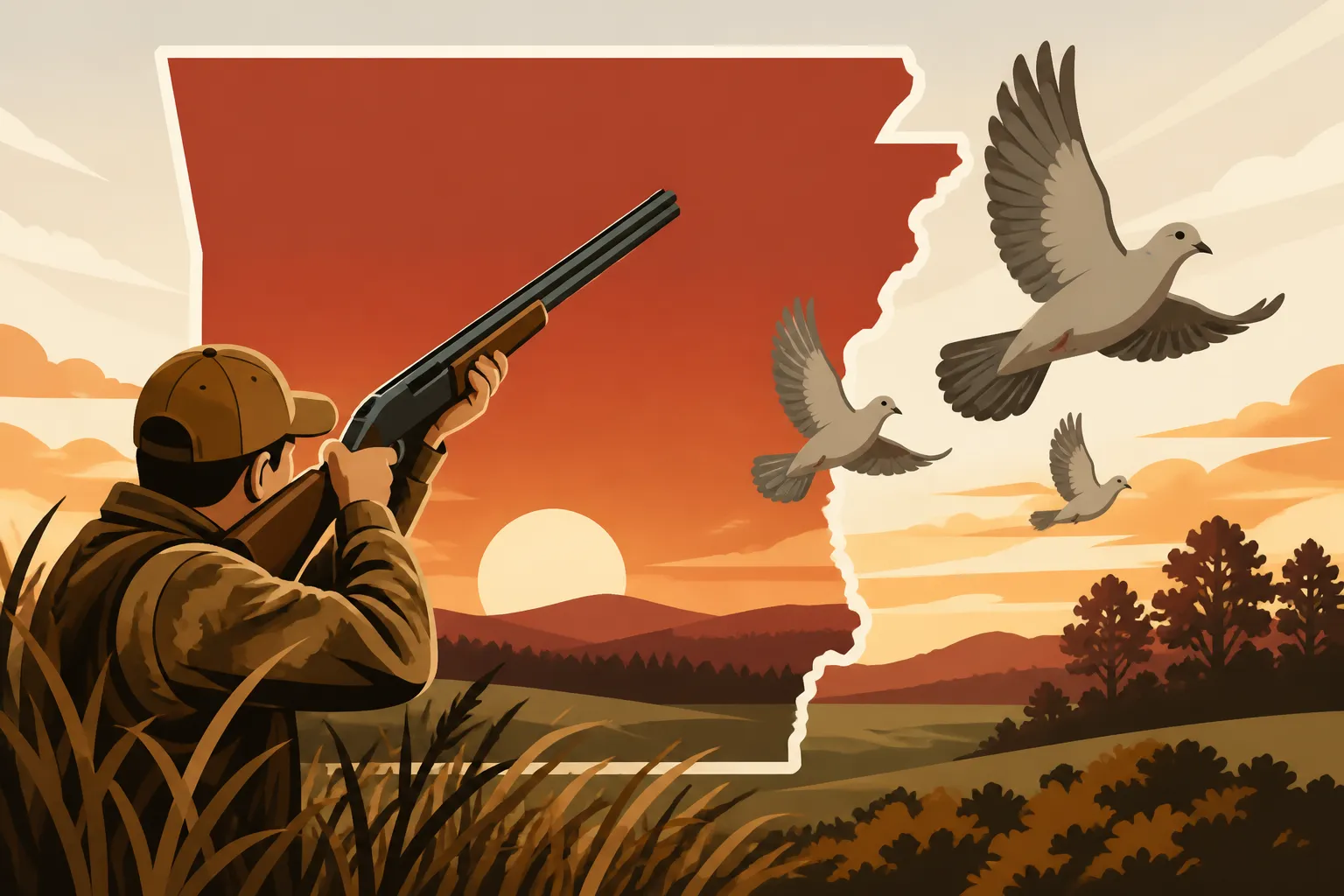
For many hunters in Arkansas, the dove opener is less about filling a freezer and more about tradition, fellowship, and kicking off the hunting calendar. Typically falling on or around the first of September, it’s often the very first hunting season to open in the state for most game species. This makes it a highly anticipated event, a true social gathering in many rural communities. Fields across the Delta and even tucked away in the Ozarks suddenly come alive with orange hats and shotguns. It's a chance to knock the rust off your shotgun swing, socialize with old friends, and introduce new hunters, especially youth, to the sport in a relatively relaxed environment. The sheer volume of birds can be impressive in some areas, offering plenty of action, but the birds themselves are often less wary than they will become after a few weeks of pressure.
The Reason for Split Seasons
The Arkansas Game and Fish Commission (AGFC), in coordination with federal guidelines, segments the dove season into what are known as "splits" for a couple of very good reasons. First and foremost, it’s about aligning with the natural migratory patterns of mourning doves. Doves are migratory birds, and their presence in Arkansas changes throughout the fall and winter. An early September opener capitalizes on locally raised birds and the very first pushes of migration. By splitting the season, the AGFC can then offer later hunting periods when new waves of doves might be moving through the state, ensuring that hunters have a chance at these birds as they travel down the Mississippi Flyway. Secondly, these splits also help manage hunting pressure. A continuous season could lead to birds being "burned out" or pushed out of an area too quickly. By having breaks, it allows local populations to disperse and reform, or for new birds to move in, giving fields a chance to rest and doves a reprieve, ultimately improving the quality of hunting during subsequent splits. This strategic approach is a staple of Arkansas Waterfowl Seasons and Zones as well, though for different species.
Key Dates to Mark on Your Calendar
While specific dates can shift slightly year to year, Arkansas's dove season generally follows a predictable pattern. The first split usually runs from early September through the first couple of weeks of October. This is your classic dove opener, marked by warm weather and often fast-paced shooting over cut fields. After a closure period, the season often reopens in late November or early December, sometimes coinciding with the state's modern gun deer seasons. This second split typically runs for a shorter duration, perhaps a week or two, and then closes again. Finally, there's often a third, late-season split that might pick up again in late December and carry through into mid-January. These later splits are characterized by colder weather and often much larger flocks of migrating birds, especially if harsh weather further north pushes them down. Always check the current year's AGFC hunting regulations handbook or website for the precise dates before planning your hunts. A little proactive planning using resources like GoHunt can save you a lot of headache.
Navigating the Early and Late Splits
Each segment of Arkansas's dove season presents its own unique set of challenges and opportunities. Successful dove hunters aren't just good shots; they're adaptable, understanding how bird behavior, weather, and hunting pressure shift throughout the fall.
Tactics for the September Opener
Hunting during the September opener is often a test of endurance as much as it is shooting skill. The weather can still be incredibly hot and humid in Arkansas, especially in the Delta, so hydration is absolutely critical. Doves during this early period might be local birds, meaning they're quite familiar with the area and their feeding and roosting patterns are predictable but also quickly disrupted by pressure. They haven't seen a lot of hunting, so they might decoy fairly well, but their flight paths can be erratic and fast.
You'll often find these birds keying in on freshly cut agricultural fields – think corn, wheat, milo, or sunflower fields – or areas with wild edibles like pokeberries or croton. Scouting is paramount. Before the opener, drive around and observe where birds are flying, roosting, and feeding. The general advice for Hunting Doves on an Arkansas Field still holds true: look for high-traffic flight corridors, power lines, or lone trees where birds like to perch before dropping into a field. Decoying can be very effective early on, especially with motion decoys like Mojo Doves. Be prepared for crowds, especially on public lands, as everyone is eager to get out. Try to find spots slightly off the beaten path or identify unique flight lines within a popular field to escape some of the pressure.
Adjusting for Later Season Hunts
The later splits, typically in late November, December, and January, are a completely different ballgame. The weather is usually much colder, sometimes even freezing, and the landscape has changed dramatically. Agricultural fields that were green and lush in September are now often barren, harvested, or even planted with winter crops. The doves you're seeing are likely not local birds but migrants pushed down from northern states by colder temperatures and dwindling food sources.
These late-season doves are often more wary and have faced considerable hunting pressure on their journey south. They'll fly higher and be less inclined to commit to decoys if they sense something is amiss. Your tactics need to evolve. Instead of focusing on large, open feeding fields, look for smaller pockets of remaining food, especially weed patches, waste grain in unharvested corners, or even pine thickets for roosting. Good places to look are often edges of timber or along ditches and hedgerows that offer cover and a place to warm up. Pass shooting can be more effective than trying to set up a full decoy spread in these conditions. Consider a more mobile approach, focusing on identifying those high-traffic flight lanes between roosting and feeding areas. If there are standing water sources, like ponds or shallow sloughs, doves will often visit them mid-day for a drink, especially on warmer winter days. Understanding Mourning Dove Migration Timing is key to intercepting these later waves of birds.
Public Land Considerations During Splits
Hunting doves on public land in Arkansas, especially Wildlife Management Areas (WMAs), requires careful planning and adherence to specific rules. Many WMAs, particularly those managed for waterfowl, might have special restrictions or even closures during certain parts of the hunting season. Always check the AGFC WMA-specific regulations for the area you plan to hunt. Some WMAs might plant specific dove fields, which can be fantastic, but also attract significant crowds, especially on the opener. Using mapping tools like GoHunt can help you identify public land boundaries and potential access points, but it's vital to pair that with physical scouting.
During the early split, public dove fields are often heavily pressured. Arriving early is crucial to secure a good spot. Remember, many of these WMAs are also open for other seasons concurrently, so be aware of other hunters pursuing different species. For instance, some WMAs might be in periods of youth deer hunting, so be extra vigilant and always prioritize safety. Later in the season, public land pressure for doves usually drops significantly. You might have fields entirely to yourself, but the birds themselves might be scarcer or more dispersed. Always be mindful of Arkansas Hunter Education and Safety Rules and ensure you're wearing appropriate hunter orange if required by specific WMA regulations for other open seasons.
Essential Gear and Regulations for Dove Hunters
Preparation isn't just about knowing the season dates; it's about having the right gear and, crucially, understanding and adhering to all the rules. A little homework now can prevent a lot of frustration or, worse, a violation later.
What to Bring for Comfort and Success
Packing smart for a dove hunt can make all the difference, especially with Arkansas's often unpredictable weather.
- Shotgun and Ammunition: A 12- or 20-gauge shotgun is standard. For ammunition, 7 ½ or 8 shot in light field loads is ideal for doves, offering a good pattern and sufficient energy without overkill. Bring plenty – it’s easy to go through a box or two on a good shoot! Remember that Nontoxic Shot Rules in Arkansas might apply in certain public land areas, especially waterfowl WMAs, so double-check before you go.
- Water and Snacks: Absolutely critical for early season hunts. Dehydration and heat exhaustion are real dangers in September.
- Seating: A lightweight stool or bucket is a game-changer. You'll spend a lot of time waiting, and a comfortable seat makes it much more enjoyable.
- Cooler and Ice: Essential for immediate cooling of harvested birds. Doves spoil quickly in warm weather, so getting them on ice right away is key.
- Dove Vest/Bag: Something to hold your shells, empties, and harvested birds. Many vests have built-in game bags that make carrying easy.
- Hearing and Eye Protection: Non-negotiable for safety. Dove hunting involves a lot of shooting, and protecting your hearing and vision is paramount.
- Sun Protection: Hat, sunglasses, and sunscreen are vital for those long, sunny days.
- Insect Repellent: Especially important during the early season. Ticks and mosquitoes are always lurking.
- Binoculars: Useful for scouting fields and identifying flight patterns without spooking birds.
- Decoys (Optional but Recommended): A few dove decoys, especially motion decoys, can significantly improve your success.
- Ammunition: Don't underestimate how many shells you'll go through. It's better to have too many than too few.
Federal and State Regulations to Remember
Dove hunting, as a migratory bird hunt, falls under both federal and state regulations. Ignorance is no excuse, so make sure you're up to date every season.
- Bag Limit: The daily bag limit for mourning doves is typically 15 birds, with a possession limit of 45. However, this is for mourning and white-winged doves combined. Eurasian collared-doves, an invasive species, do not count toward this limit and can be taken year-round with no daily or possession limit. It’s important to know the difference in identification. You can learn more about Eurasian Collared Doves in Arkansas to help distinguish them.
- Shooting Hours: Generally, shooting hours for doves are from one-half hour before sunrise to sunset. However, always double-check the current regulations, especially for specific WMAs that may have different rules. For instance, some areas may follow Arkansas Legal Shooting Hours for other game which can vary.
- Means of Take: Shotguns 10 gauge or smaller, incapable of holding more than three shells in the magazine and chamber combined (plugged to a 3-shot capacity).
- Baiting: It is illegal to hunt doves over a baited area. Understanding what constitutes "baiting" is crucial. Generally, normal agricultural practices are fine, but scattering grain specifically to attract birds is not.
- Transportation: Birds must have at least one fully feathered wing attached to the carcass until they reach the hunter's home or a processing facility. This helps with species identification and aids in law enforcement.
HIP Registration and License Requirements
Before you even step foot in a dove field, you need to ensure all your licensing and registration are in order. Missing one small detail can lead to a big problem.
- Hunting License: You must possess a valid Arkansas hunting license. This could be an annual resident license, a non-resident annual license, or a short-term non-resident license depending on your status. You can find all the details on Arkansas Hunting Licenses and What They Cost.
- Arkansas Migratory Bird Stamp: In addition to your regular hunting license, Arkansas requires a state migratory bird stamp to hunt doves, ducks, geese, woodcock, snipe, and rails.
- Federal Migratory Bird Hunting and Conservation Stamp (Federal Duck Stamp): While doves are migratory, a federal duck stamp is not required specifically for doves. It's required for waterfowl (ducks and geese). However, many dove hunters also hunt waterfowl, so it's a common accessory. If you plan to hunt waterfowl, make sure you have this.
- Harvest Information Program (HIP) Registration: This is mandatory for all migratory bird hunters in Arkansas, including dove hunters. It's a free, quick registration that helps the U.S. Fish and Wildlife Service gather important harvest data. You must complete your Arkansas HIP Registration for Migratory Birds annually. It's often integrated into the license purchase process online or at vendors, but confirm it's done. Many hunters use apps like GoHunt to keep track of their license and HIP registration on their phone, which is super handy in the field.
Always remember that these regulations are in place to ensure sustainable hunting opportunities for everyone. Do your part by being a responsible and informed hunter.
Typical Arkansas Dove Season Structure
To give you a clearer picture of what a typical season looks like, here's a general outline. Remember, specific dates can vary, so always consult the latest AGFC regulations.
| Season Segment | Typical Dates (Approx.) | Daily Bag Limit (Mourning/White-winged Doves) | Possession Limit (Mourning/White-winged Doves) | Shooting Hours | Key Considerations |
|---|---|---|---|---|---|
| First Split | Early Sept. – Early Oct. | 15 | 45 | ½ hr before sunrise to sunset | Warm weather, high pressure, local birds, new migrants |
| Second Split | Late Nov. / Early Dec. (shorter) | 15 | 45 | ½ hr before sunrise to sunset | Colder weather, new waves of migrants, less pressure |
| Third Split | Late Dec. – Mid-Jan. (shorter) | 15 | 45 | ½ hr before sunrise to sunset | Coldest weather, large migratory flocks, low pressure |
| Eurasian Collared-Doves | Year-round (no limit) | No Limit | No Limit | Statewide | Invasive species, identify correctly, does not count |
This table provides a snapshot, but it’s just a guide. Always refer to the official AGFC proclamations for the definitive dates and rules for the current hunting season. Knowing these details, and making good use of resources like GoHunt, will ensure you're compliant and ready for a great dove hunt. While the annual Arkansas Dove Harvest Numbers show fluctuations, understanding and adapting to these season splits maximizes your personal success.
Disclaimer
Please be aware that hunting regulations, season dates, and bag limits are subject to change by the Arkansas Game and Fish Commission. This guide provides general information based on typical season structures. It is the responsibility of every hunter to consult the most current official AGFC hunting regulations handbook or website before engaging in any hunting activity. Always prioritize safety and ethical hunting practices.