Arkansas Deer Harvest Records
Every Arkansas deer hunter, deep down, wants to know how the season went, not just for themselves, but for the state as a whole. We all track our own success, but understanding the broader picture of deer harvest records in Arkansas can feel like trying to solve a puzzle with missing pieces. It's frustrating when you hear anecdotal evidence but can't find reliable, detailed data to truly understand the health of the herd and where the real opportunities lie. This guide will meticulously break down the intricate world of Arkansas deer harvest records, explaining what they mean, where to find them, and how you can use this invaluable information to become a more informed and successful hunter in the Natural State.
Understanding Arkansas's Deer Harvest Reporting System
For years, hunters filled out paper cards or reported in person, which was a real bottleneck, let's be honest. Now, with modern technology, the Arkansas Game and Fish Commission (AGFC) has implemented a robust online and phone reporting system that's made things much more efficient. This system is the backbone of all the harvest data we see, from overall numbers to county-specific breakdowns. But it's not just about counting deer; it's about understanding the health and distribution of the herd, which in turn informs future season regulations and management strategies.
The Evolution of Deer Checking and Data Collection
Remember the days of driving your deer to a check station, waiting in line, and getting a physical tag? While those days hold a certain nostalgic charm, they weren't always the most accurate or convenient. The transition to electronic reporting has been a game-changer for data collection. Today, hunters are required to check their deer either online via the AGFC website or through the AGFC mobile app, or by calling a toll-free number. This must be done before the animal is transported from the site of harvest or before sunset on the day of harvest, whichever comes first. This immediate reporting ensures that data is collected swiftly and accurately, providing a real-time snapshot of harvest trends across the state. The AGFC can then compile this data, offering insights into localized harvest pressure, buck-to-doe ratios, and even early indicators of potential disease spread, like CWD.
How AGFC Compiles and Analyzes Harvest Data
The raw data from thousands of individual hunter reports is just the beginning. The AGFC's wildlife biologists and statisticians then dive deep, processing this information to extract meaningful trends. They look at total deer harvested, broken down by antlered bucks, button bucks, and antlerless deer. They also analyze harvest per unit of effort, successful hunter rates, and even the geographic distribution of the harvest down to specific game zones and counties. This comprehensive analysis allows them to assess herd density, understand the impact of various hunting methods, and evaluate the effectiveness of regulations like the three-point rule in certain areas. It's a complex puzzle, but each reported deer adds a crucial piece, helping the AGFC to make science-based decisions for the future of White-Tailed Deer Across Arkansas.
Trends in Arkansas Deer Harvest Over Time
Looking at the big picture of harvest numbers over several decades reveals fascinating patterns. Arkansas has seen significant fluctuations, often tied to changes in regulations, habitat availability, and even broad environmental factors. It's not a straight line up or down, but rather a dynamic curve reflecting the resilience of the deer population and the adaptive management efforts of the AGFC.
Historic Harvest Highs and Lows
Arkansas's deer population, and consequently its harvest, has come a long way from the early 20th century when deer were scarce. Through restocking efforts and habitat management, numbers steadily climbed, leading to peak harvest years in the late 1990s and early 2000s. These were exciting times for hunters, with many zones offering liberal bag limits. However, sustained high harvests and evolving ecological pressures, including the emergence of Chronic Wasting Disease (CWD), have led to more conservative management in recent years. For instance, the annual deer harvest has seen recent years hovering around 200,000 animals, a testament to a healthy, but managed, population. Comparing the harvest data from, say, 1995 to the last five years clearly illustrates these shifts, with antlerless harvest playing an increasingly important role in population control.
Impact of Regulations and Management Strategies on Harvest
Regulations are not just arbitrary rules; they are tools the AGFC uses to shape the deer herd. Changes to season length, bag limits, and the implementation of specific rules like the three-point rule have had direct, measurable impacts on harvest numbers and buck age structure. For example, the three-point rule, which mandates that bucks in certain zones must have at least three points on one side to be legal, was introduced to increase the number of older age-class bucks in the population. While this might temporarily reduce the number of younger bucks harvested, the long-term goal is to allow more bucks to reach maturity, leading to larger antlers and a healthier, more balanced herd. You can see the effect of these strategies reflected in the detailed AGFC harvest reports, which show changes in buck harvest age class over time. Similarly, understanding the Arkansas Archery Deer Season Structure or Arkansas Modern Gun Season Structure and their specific regulations is crucial to interpreting the harvest data accurately.
| Season Type | Typical Season Dates | Primary Focus | Harvest Impact |
|---|---|---|---|
| Archery | September – February | Antlerless & Antlered | Longest season, allows for selective harvest, contributes significantly to overall numbers. |
| Modern Gun | November & December | Antlered (primary) & Antlerless | Concentrated harvest, often accounts for the highest single-period harvest due to popularity. |
| Muzzleloader | October & December | Antlered & Antlerless | Bridging season, often sees good success for hunters seeking specific conditions. |
| Youth Hunts | October & November | Antlered & Antlerless | Introduces new hunters, provides early opportunities for population management. |
Breaking Down Harvest by Zone and County
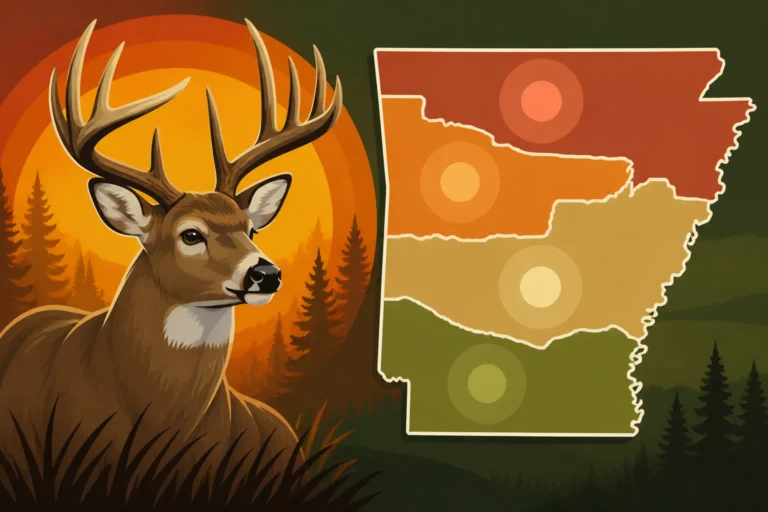
Arkansas is a diverse state, and its deer herd is no exception. What works in the flat, fertile Delta might be completely different from the rugged, mountainous Ozarks. That's why the AGFC breaks the state down into distinct deer zones, each with its own management objectives and, consequently, unique harvest dynamics. Understanding these regional differences is vital for any serious hunter.
Delta vs. Ozark Deer Density and Harvest
The stark contrast between the Delta and Ozark regions of Arkansas is reflected dramatically in their deer harvest numbers. The Delta, with its rich agricultural lands and river bottom hardwoods, often boasts higher deer densities and, typically, higher overall harvest numbers per square mile. Bucks in the Delta also tend to grow larger, benefiting from abundant food sources like soybeans and corn. Areas like the St. Francis National Forest or regions around the Arkansas River tend to be hotspots. If you're looking at historical data, you'll often see counties in the Delta leading the state in total deer harvested.
Conversely, the Ozark and Ouachita regions, characterized by vast timberlands, rugged terrain, and less intensive agriculture, tend to have lower deer densities. While the total harvest might be lower, these areas can still produce mature, wary bucks that offer a different kind of challenge. The hunting experience is often more about tracking and still-hunting through diverse habitats. When comparing harvest reports, you'll notice a lower deer-per-square-mile ratio in these mountainous zones, but often a high proportion of mature bucks for those willing to put in the work, especially when hunting Ozark Ridges and Hollows for Deer.
Top-Performing Counties and Their Contributing Factors
Every year, certain counties consistently rise to the top of the harvest reports, either for total deer taken or for the number of trophy-class bucks. These top-performing counties are usually a combination of factors: excellent habitat, responsible land management by landowners, and often, less hunting pressure in specific pockets. For example, counties like Arkansas, Desha, and Jefferson in the Delta frequently show strong harvest numbers due to their prime habitat and abundant food sources. On the other hand, some Ozark counties, while not leading in sheer volume, might be renowned for producing exceptional quality bucks, reflecting the success of specific management strategies or unique terrain.
When you dive into the AGFC's detailed harvest reports, you can pinpoint these areas. A tool like GoHunt or similar mapping applications can help you cross-reference these high-harvest counties with public land access or potential areas for knocking on doors for private land permission. This data isn't just for bragging rights; it's a powerful tool for Scouting Arkansas Public Land Before Season or identifying new hunting opportunities. Understanding why a county performs well, whether it's ag-heavy, has large expanses of national forest, or a balanced mix, can guide your future hunting plans.
Factors Influencing Annual Deer Harvest
The annual deer harvest isn't just a simple count; it's a complex reflection of many ecological and human-related variables. From the weather patterns that affect deer health and hunter access to the prevalence of diseases, these factors weave together to dictate the success of any given hunting season.
Weather Conditions and Hunter Success
Ask any seasoned Arkansas hunter, and they'll tell you that weather is a huge determinant of success. A mild autumn can mean deer are less concentrated on food sources and less active during daylight, leading to lower early season harvests. Conversely, a sharp cold front or a persistent rain event can get deer on their feet and moving, especially towards food, resulting in spikes in harvest numbers. Think about the impact of persistent flooding in the Delta during duck season, which might limit access for deer hunters. Or, a dry year in the Ozarks could mean acorns are scarce, pushing deer to seek alternative food sources, making them more predictable for hunters. Beyond deer behavior, harsh weather can also deter hunters from going out, directly reducing the hunter effort and thus the overall harvest, regardless of deer numbers.
Disease Impact on Deer Populations and Harvest Numbers
Chronic Wasting Disease (CWD) has become a significant concern for Arkansas deer management, directly impacting harvest strategies and numbers. First detected in Arkansas in 2016, CWD has spread to several counties, prompting the AGFC to implement specific CWD management zones. In these zones, regulations may include mandatory testing, restrictions on carcass transport, and even increased antlerless bag limits to help manage the disease's spread and its effects on the deer population. The AGFC closely monitors Arkansas CWD Prevalence Rates and adjusts hunting guidelines accordingly.
For hunters, CWD can be a real worry. While the AGFC provides testing and guidance, the presence of the disease can understandably affect hunter enthusiasm and even where people choose to hunt. The harvest data provides a critical snapshot of how CWD is distributed and its potential impact on local deer numbers, helping the AGFC and hunters understand the long-term health of the herd. Beyond CWD, other diseases like Epizootic Hemorrhagic Disease (EHD) can also cause localized die-offs, though their impact is often more sporadic and less chronic than CWD.
Record-Breaking Bucks and Trophy Potential
While overall harvest numbers tell us about the health and density of the general deer population, many hunters are also driven by the pursuit of a true trophy buck. Arkansas has a rich history of producing impressive whitetails, and understanding the factors that contribute to these giants is a blend of science, strategy, and a little bit of luck.
Arkansas Boone and Crockett Whitetails
Arkansas might not always get the same national attention as some other states for giant whitetails, but don't let that fool you. The state produces some incredible bucks that qualify for Boone and Crockett, Pope and Young, and the AGFC's own Arkansas Record Book program. These record-book bucks are typically mature animals, often 4.5 years old or older, that have benefited from superior genetics, excellent nutrition, and light hunting pressure throughout their lives. The rich agricultural fields of the Delta, combined with dense cover and often limited public access, create ideal conditions for bucks to reach their full potential. While any given year's harvest report primarily focuses on sheer numbers, the AGFC's record book program, which you can often find information on through their website or resources like GoHunt, specifically tracks these exceptional animals.
Harvest records, when combined with hunter observations, can offer clues about areas where these big bucks are being taken. You might notice a trend in specific counties or even particular types of habitat—like large private tracts or remote public lands—that consistently yield record-book entries. Knowing Where Arkansas's Biggest Bucks Come From can focus your scouting efforts, though it always comes down to getting out there and putting in the work.
Factors Contributing to Large Antler Growth
Growing impressive antlers isn't just about age; it's a complex interplay of genetics, nutrition, and environment. A buck needs to have the genetic potential for large antlers, but even the best genetics won't produce a trophy if the buck isn't getting enough high-quality food. Protein-rich forage, mineral availability, and low stress all contribute to antler development. This is where habitat quality really shines. Areas with diverse food sources, including agricultural crops, acorns, and native browse, coupled with plenty of secure bedding cover, give bucks the best chance to grow.
Furthermore, management practices that allow bucks to reach older age classes are crucial. In areas with high hunting pressure on young bucks, the average antler size will naturally be lower. The AGFC's three-point rule in many zones directly addresses this, aiming to ensure more bucks survive their younger years to reach maturity and express their full antler potential. When reviewing harvest data, especially if you can find age and antler metrics, you can often see the positive impact of these regulations on the quality of bucks being harvested in specific zones.
Using Harvest Data for Better Hunting Decisions
Understanding Arkansas's deer harvest records isn't just an academic exercise; it's a powerful tool that can dramatically improve your hunting success. By analyzing this data, you can make more informed decisions about where and when to hunt, helping you turn generalized efforts into targeted strategies.
Identifying High-Opportunity Areas and Timeframes
Harvest data is your roadmap to identifying high-opportunity areas. If you see a particular county or zone consistently producing high harvest numbers, especially for antlered bucks, that's a strong indicator of a healthy deer population and good hunting prospects. You can compare different zones to see which ones align with your hunting goals—whether it's maximizing your chances for any deer or specifically targeting a larger buck.
Beyond geographic location, harvest reports often break down success by week or month, giving you insights into when the peak harvest periods occur. This information is invaluable for planning your hunts, particularly if you're trying to hit the peak of the rut in a specific region. For instance, knowing that Hunting the Peak Rut Week in Arkansas often results in higher buck harvest numbers in November can influence when you apply for time off work or focus your efforts. By understanding these patterns, you can optimize your time in the woods, increasing your chances of success and making the most of your hunting license.
Interpreting Data for Personal Hunting Strategy
Once you've absorbed the broader trends, it's time to drill down and apply that information to your personal hunting strategy. For example, if you're primarily hunting antlerless deer to fill your freezer, you might focus on zones with higher antlerless harvest percentages and longer season lengths, like those found in Bowhunting Arkansas's Five-Month Archery Season. If you're after a trophy, you might look at counties known for bigger bucks, even if the overall deer density is lower, and then scout those areas thoroughly for signs of mature deer.
Tools like GoHunt often integrate AGFC harvest data, allowing you to visually overlay it with property boundaries, topographical maps, and other crucial scouting layers. This can help you identify specific public land tracts or private land sections within top-performing counties that might hold the deer you're looking for. Don't just look at the numbers; think about why those numbers are what they are. Is it due to abundant food, less pressure, or specific habitat features? This deeper understanding transforms raw data into actionable intelligence, ultimately helping you decide whether to focus on Still-Hunting Arkansas Pine Country or set up a stand in a Delta hardwood bottom.
Disclaimer
Hunting involves inherent risks, and conditions can change rapidly. Always consult the latest Arkansas Game and Fish Commission regulations before planning or undertaking any hunting activity. This guide is for informational purposes only and does not supersede official state regulations or professional advice.