Red Flags in an Outfitter Contract
Arkansas hunting outfitter contracts contain hidden risks that threaten investments, so hunters must identify critical red flags before booking trips.
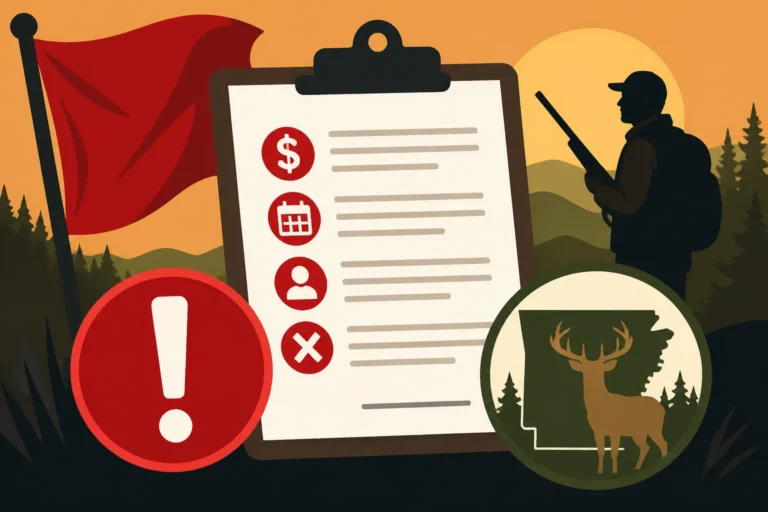
Arkansas hunting outfitter contracts contain hidden risks that threaten investments, so hunters must identify critical red flags before booking trips.
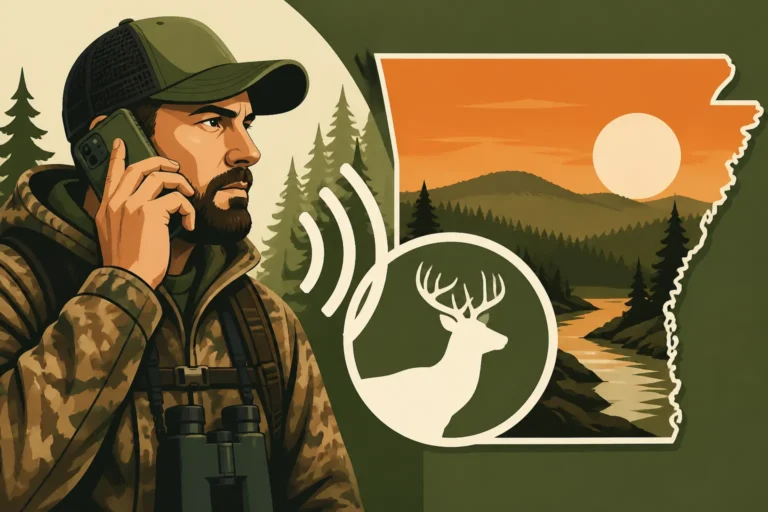
Reference calls to past clients reveal the unvarnished reality of booking an Arkansas hunting outfitter and verifying success claims.

Arkansas hunting outfitters use online photo galleries to hide average success rates and promote unrealistic harvest expectations.

Arkansas hunting outfitter success claims often use subjective definitions like opportunity rates and harvest percentages that require careful evaluation.

Arkansas water depth conditions impact hunter mobility, safety, gear performance, and dog retrieves in flooded timber.

Arkansas hunting trip physical demands questions help participants assess terrain, fitness needs, and safety risks.
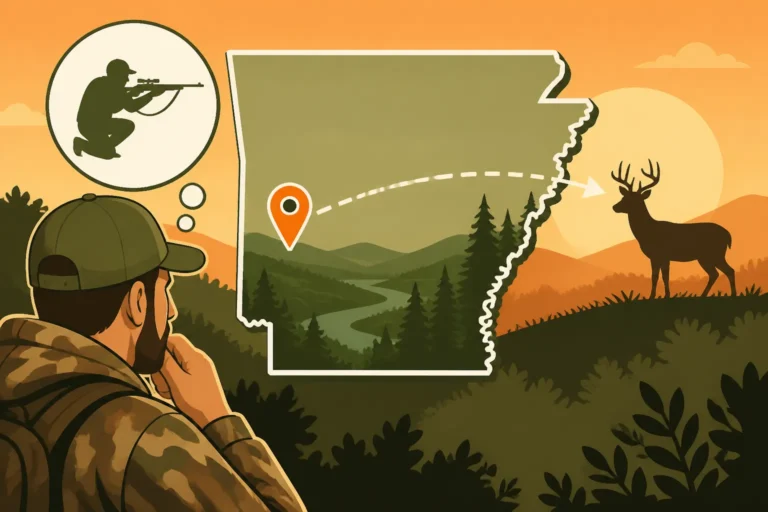
Arkansas guided hunts require discussing shooting distances with outfitters to ensure ethical shot placement and proper preparation.
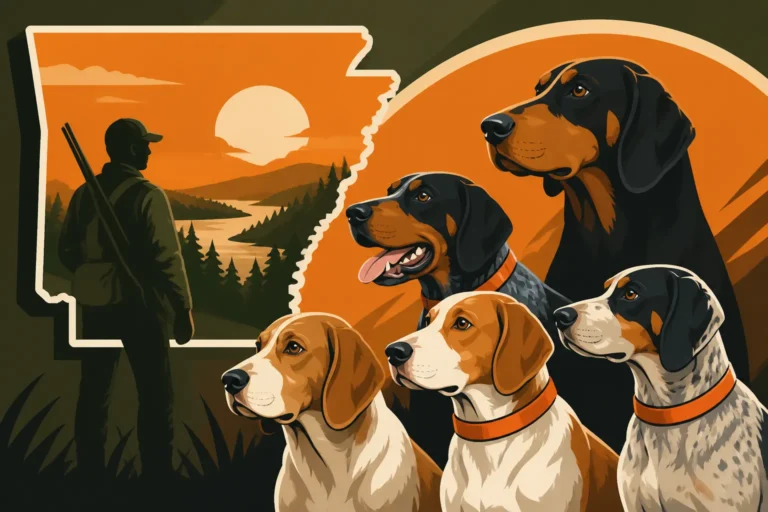
Arkansas guided hunts feature varying dog numbers based on species, utilizing single retrievers for waterfowl and large hound packs for deer.

Arkansas waterfowl and deer hunting methods, comparing chest wader treks through flooded timber with motorized boat and ATV transit.

Arkansas timber hole duck hunting party size limits impact safety, shooting lanes, and mallard success for hunters.