How Many Coyotes Arkansas Has
Arkansas coyote populations remain robust and widespread across the state, heavily impacting local deer and turkey numbers.
Know what you’re after.
Big game, small game, upland birds, and waterfowl — identification, behavior, rut and migration timing, and how each species moves through the season.
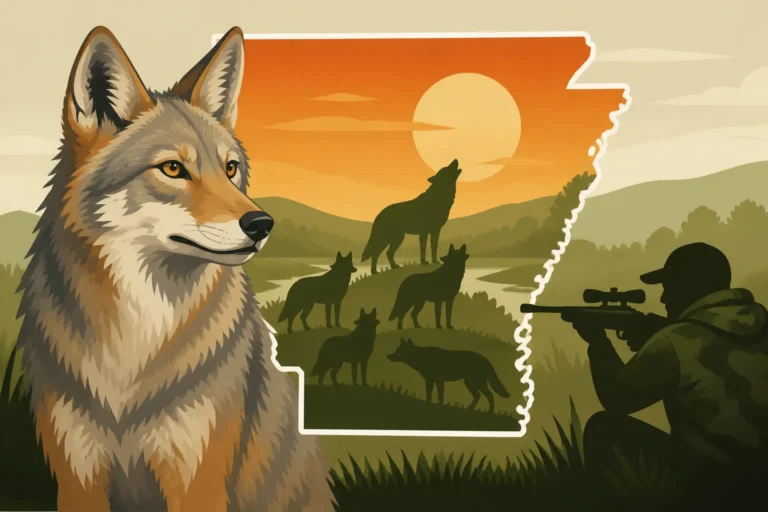
Arkansas coyote populations remain robust and widespread across the state, heavily impacting local deer and turkey numbers.
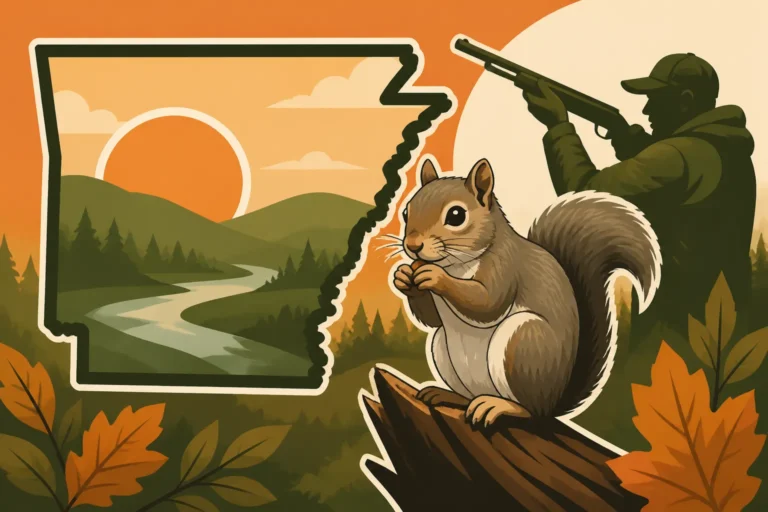
Arkansas squirrel harvest data helps hunters understand population health, seasonal trends, and how mast crops impact small game success.
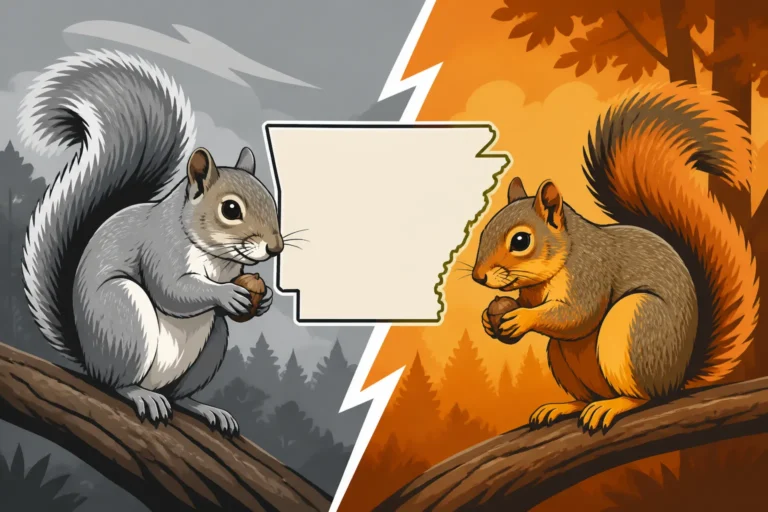
Gray and fox squirrel identification, habitat preferences, and behavioral traits in Arkansas woodlands help hunters successfully locate game.
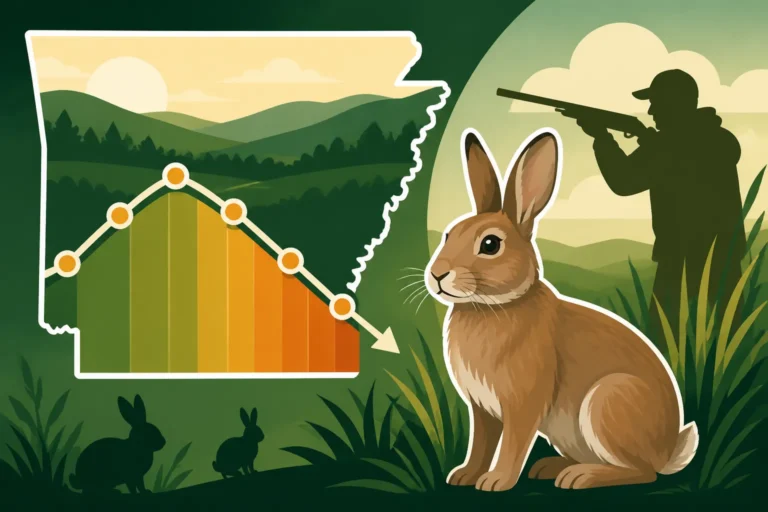
Arkansas rabbit populations shift due to habitat loss, predation, and weather extremes across the Delta and mountain regions.
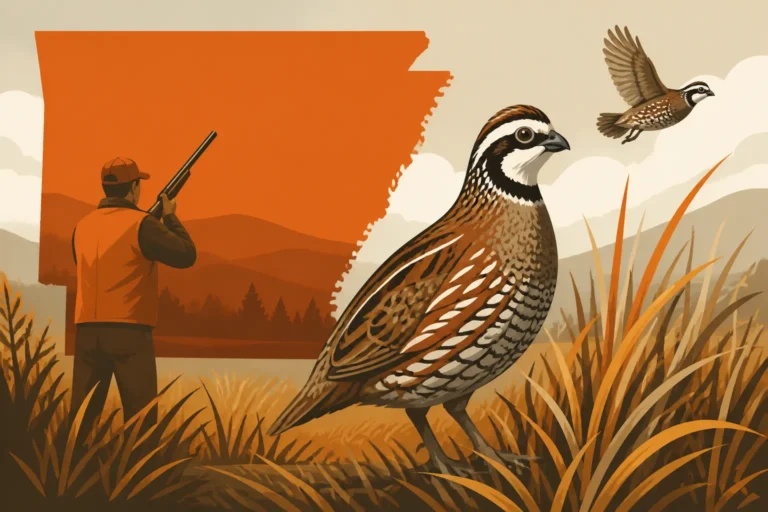
Bobwhite quail distribution in Arkansas explains where populations persist and how habitat management supports remaining birds.
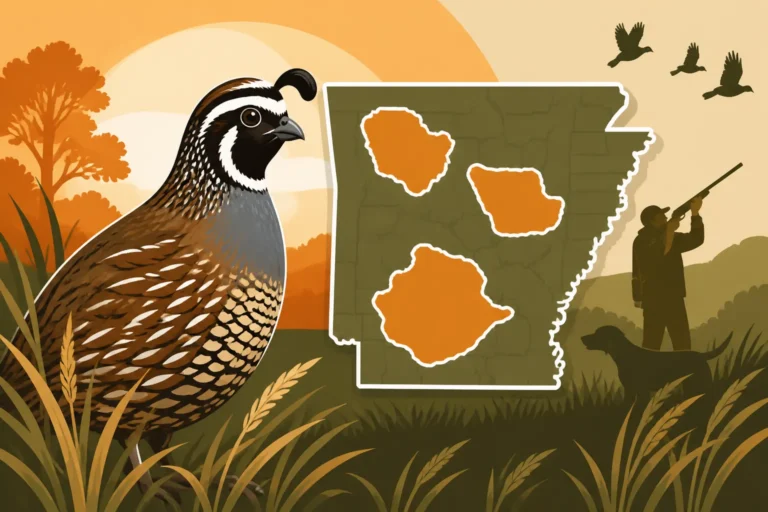
Arkansas quail focus areas and habitat restoration efforts explain where populations survive across public wildlife management lands.
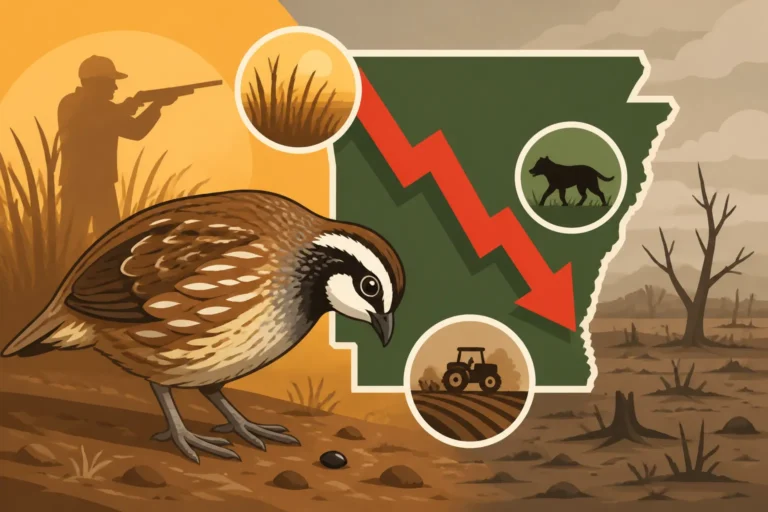
Habitat loss, modern agricultural practices, pesticide use, and changing forest management drive the long-term decline of Arkansas quail populations.
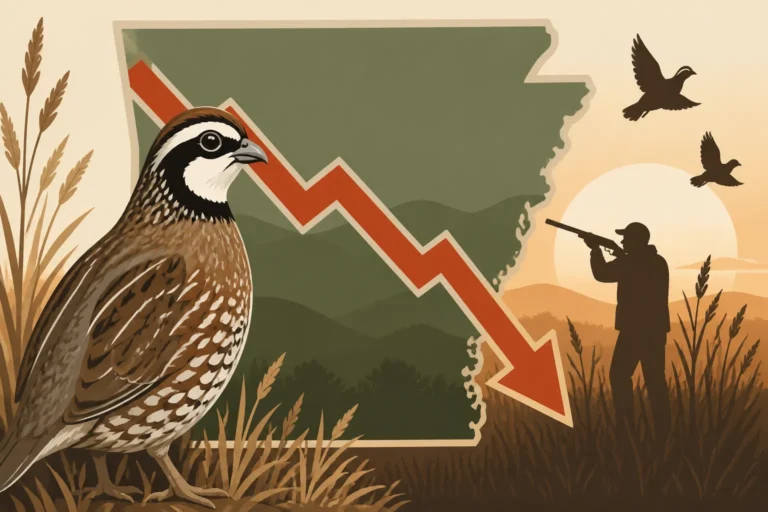
Arkansas bobwhite quail population declines stem from habitat loss, modern agriculture, forestry changes, and invasive species affecting conservation.
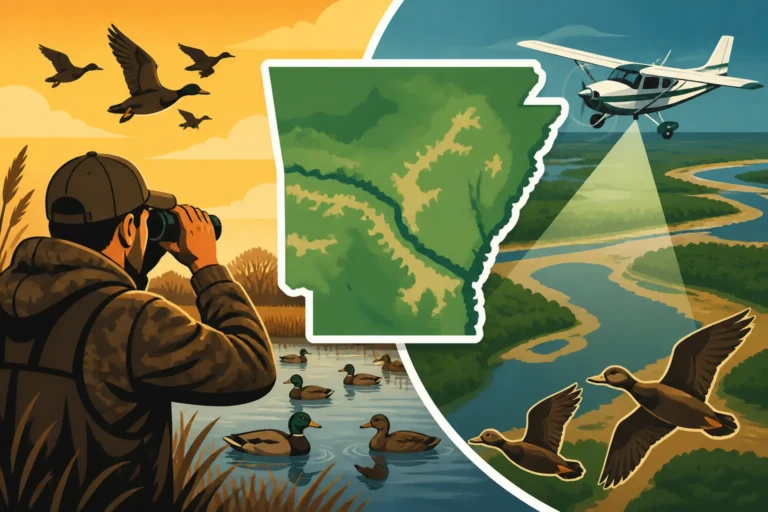
Arkansas aerial duck surveys track waterfowl populations to improve hunting strategies and guide wildlife conservation decisions statewide.
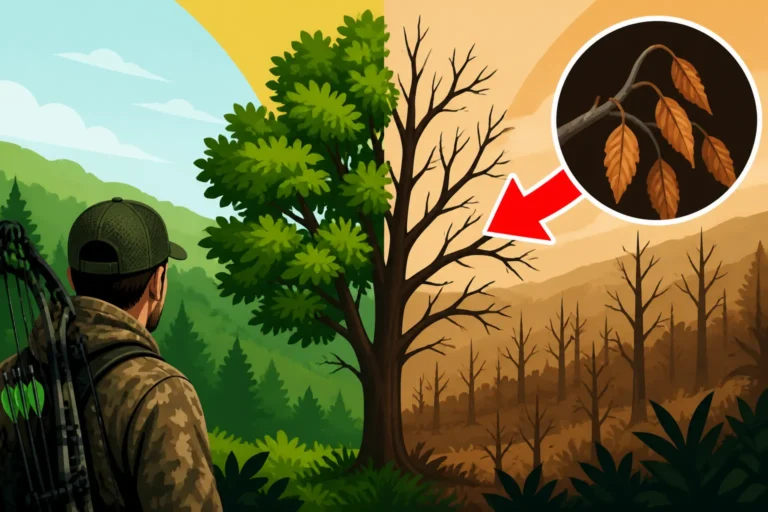
Altered hydrology, levees, and prolonged flooding drive the decline of Arkansas green timber, threatening vital duck habitats.