Green Tree Reservoir Management in Arkansas
Green tree reservoirs in Arkansas require careful water level management to balance timber health and waterfowl habitat needs.
Know what you’re after.
Big game, small game, upland birds, and waterfowl — identification, behavior, rut and migration timing, and how each species moves through the season.

Green tree reservoirs in Arkansas require careful water level management to balance timber health and waterfowl habitat needs.

Arkansas wetland management explains how intentional water, timber, and food practices sustain prime habitats for migrating ducks.

Canada geese populations in Arkansas provide exciting waterfowl hunting opportunities through identification, habitat knowledge, and proven field strategies.

Snow goose populations in the Arkansas Delta, tracking methods, and management through the Light Goose Conservation Order.
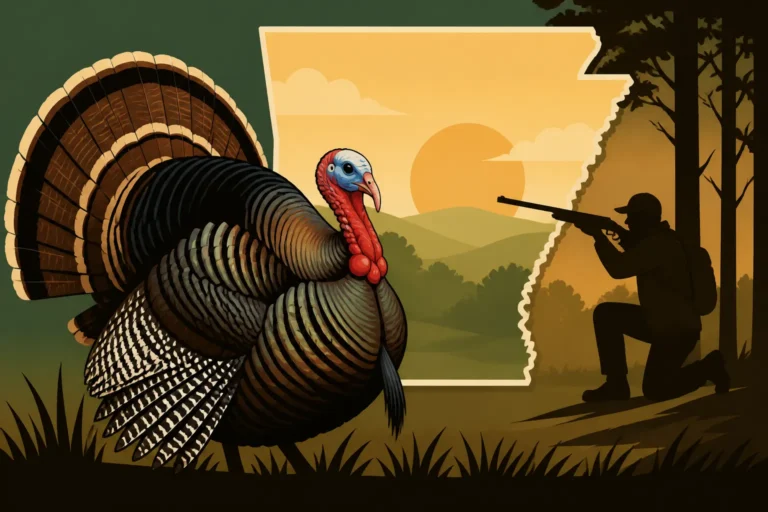
Specklebelly goose population health, annual Arctic breeding conditions, and wintering ground surveys determine Arkansas hunting opportunities.

Arkansas reservoir diver duck hunting involves identifying species, locating deep lakes like Beaver Lake, and setting up large decoy spreads.

Arkansas wood duck hunters learn about behaviors, flooded timber habitats, scouting methods, and successful strategies for hunting these birds.
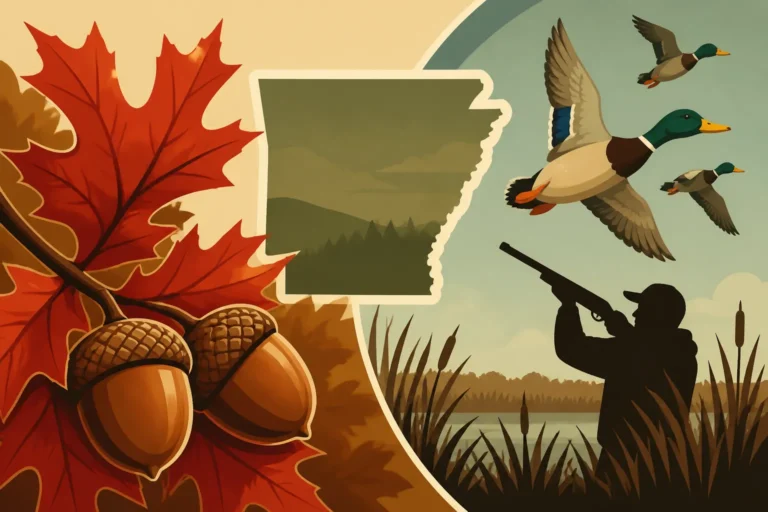
Red oak acorns provide wintering ducks in Arkansas with high calorie energy within flooded timber during late fall and winter months.
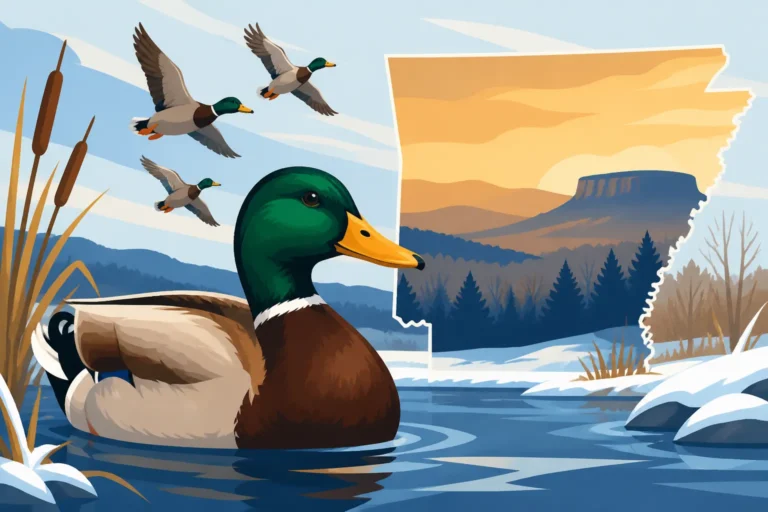
Arkansas bottomland hardwood forests, flooded rice fields, and rich Mississippi Flyway wetlands provide ideal winter habitats for mallards.

Arkansas duck harvest numbers explain annual hunting success, migration patterns, and habitat conditions across the state.