Bear Encounters in Arkansas Campgrounds
Arkansas black bear safety tips explain campsite food storage methods, habitat ranges, and proper reaction techniques during encounters.
Know what you’re after.
Big game, small game, upland birds, and waterfowl — identification, behavior, rut and migration timing, and how each species moves through the season.

Arkansas black bear safety tips explain campsite food storage methods, habitat ranges, and proper reaction techniques during encounters.
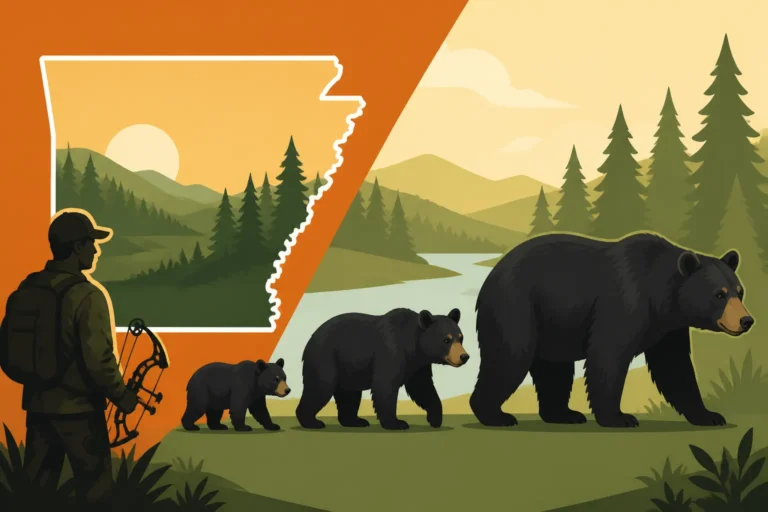
Arkansas black bear weights and sizes vary by age, sex, and habitat, ranging from small yearlings to massive mature boars.
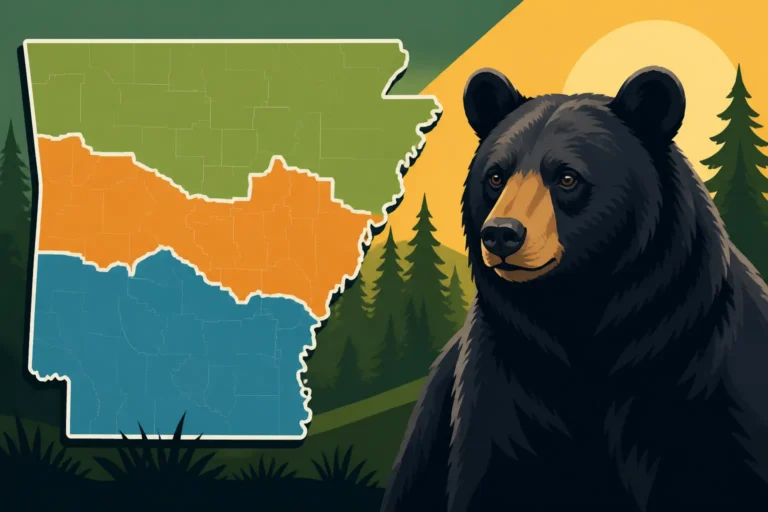
Arkansas bear harvest data explains regional success rates, mandatory reporting within 24 hours, and dynamic zone quotas.

Historical black bear populations and the 1958 restoration program explain why Arkansas earned the famous Bear State moniker.
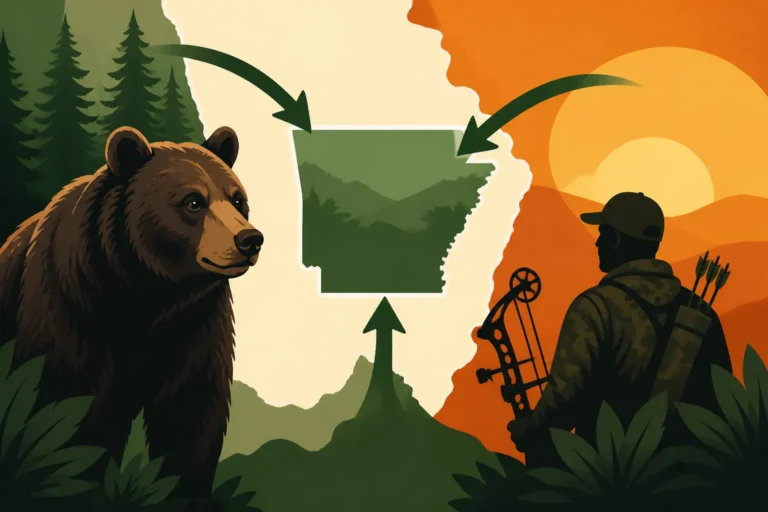
Arkansas restoration bears originated from northern Minnesota, where biologists trapped and transported animals to the Ouachita Mountains.

The 1958 Arkansas black bear restoration project details how conservationists successfully brought back dwindling bruin populations.
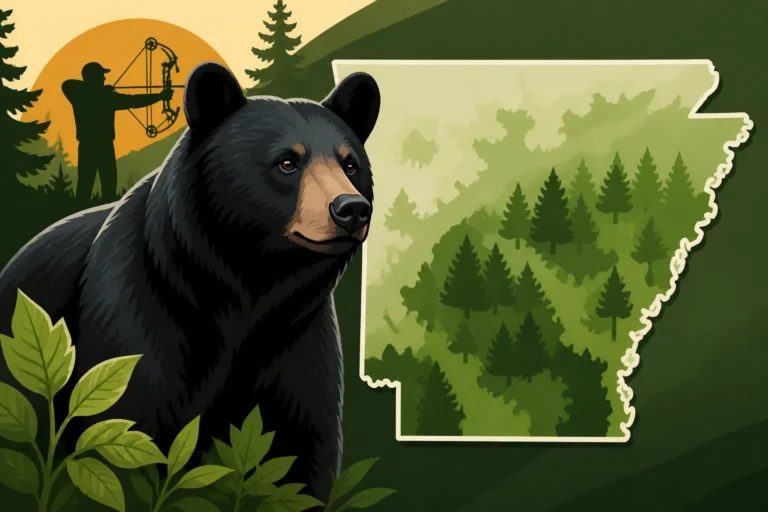
Arkansas black bears inhabit the Ozark and Ouachita National Forests, thriving within dense mountain habitats and river corridors.
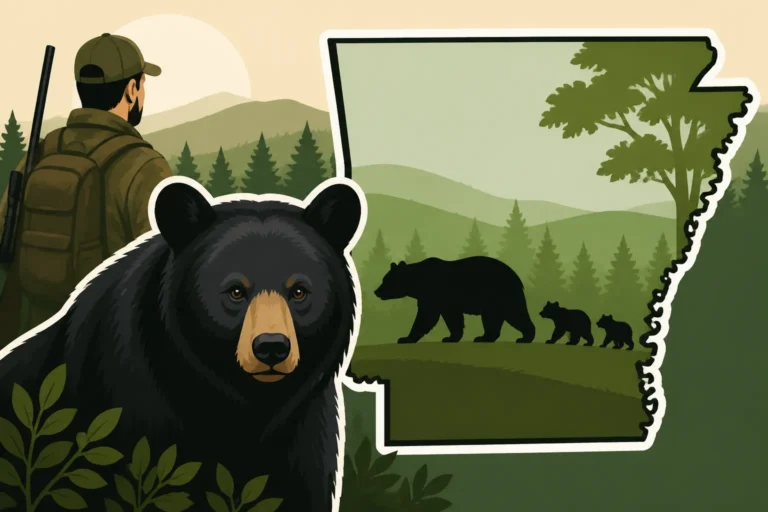
Arkansas black bear populations, historical numbers, restoration efforts, current distribution, and management practices.
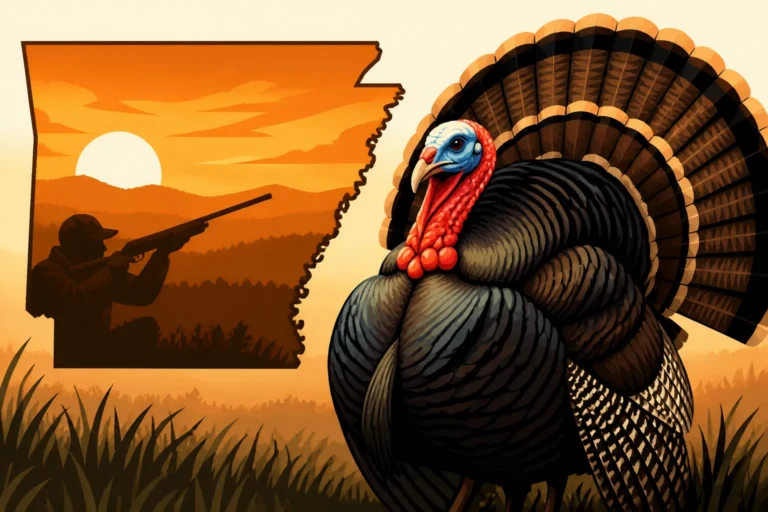
The Arkansas wild turkey scoring system combines live weight in pounds, beard length in inches, and spur length in millimeters.
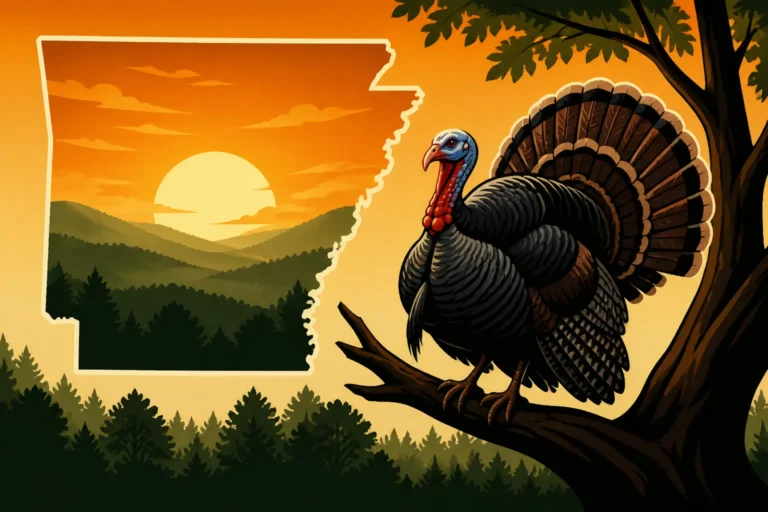
Arkansas turkey roosting habits and prime habitat features reveal where gobblers settle for security and successful hunting.