Arkansas Antler Shedding Timing
Arkansas deer shed antlers from late December through March, driven by post-rut stress, nutrition, age, and winter weather.
Know what you’re after.
Big game, small game, upland birds, and waterfowl — identification, behavior, rut and migration timing, and how each species moves through the season.
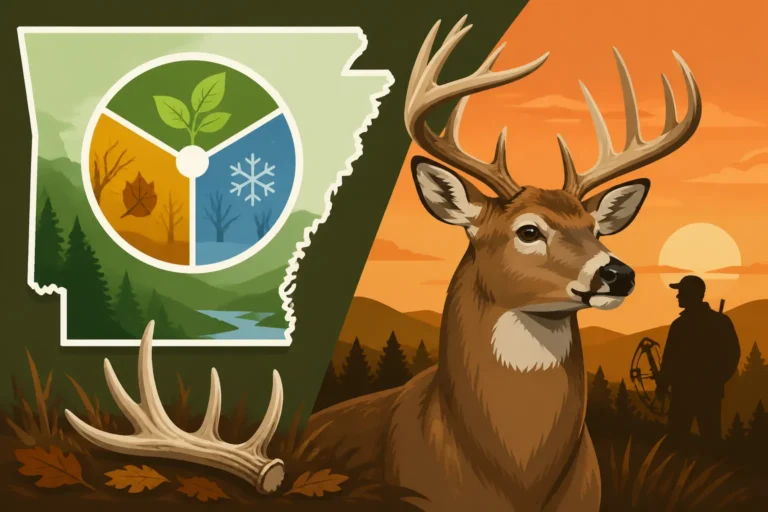
Arkansas deer shed antlers from late December through March, driven by post-rut stress, nutrition, age, and winter weather.
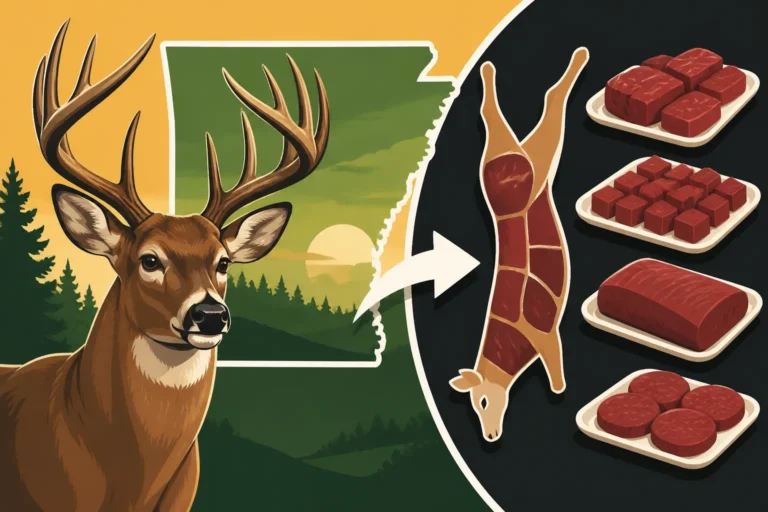
Arkansas buck meat yield depends on dressed weight, shot damage, and cooling speed, netting fifty to sixty-five percent in boneless venison.

Arkansas deer vehicle collisions explain risks, peak crossing times, behavioral patterns, and practical defensive driving strategies.
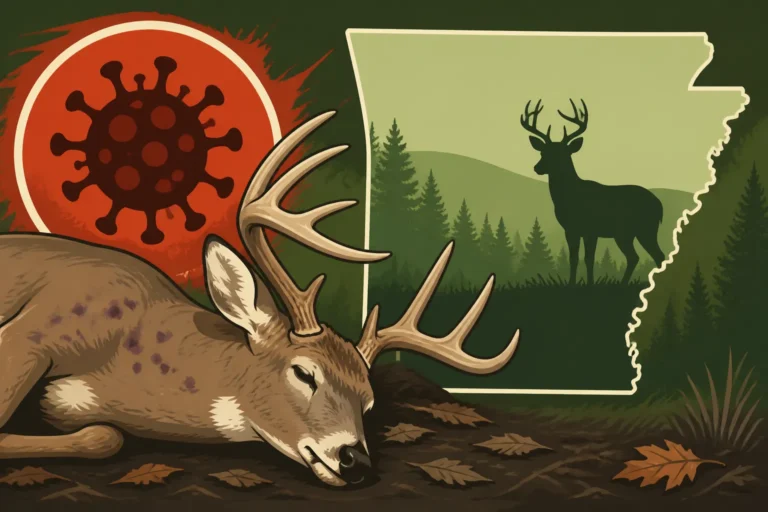
Epizootic Hemorrhagic Disease causes recurring seasonal deer die-offs in Arkansas, spread by biting midges during late summer.
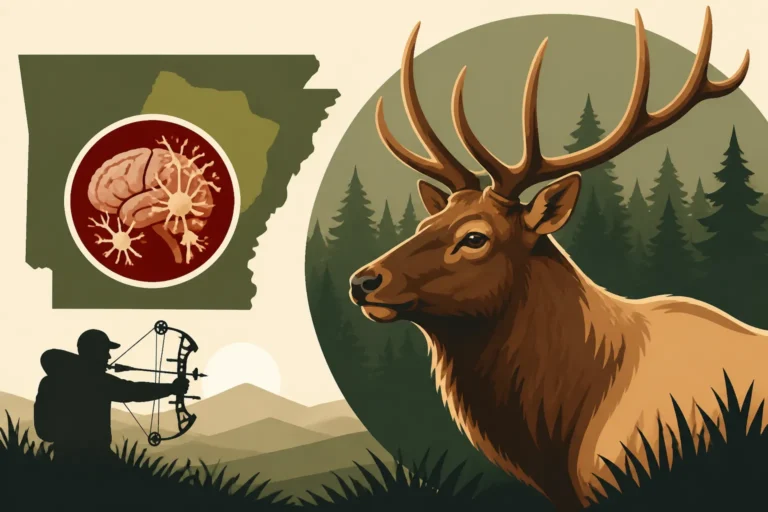
Chronic Wasting Disease in the Arkansas elk herd requires mandatory testing, strict carcass transport rules, and careful field precautions.

Chronic wasting disease prevalence rates in Arkansas define infected deer populations, geographic zones, and critical hunting regulations.
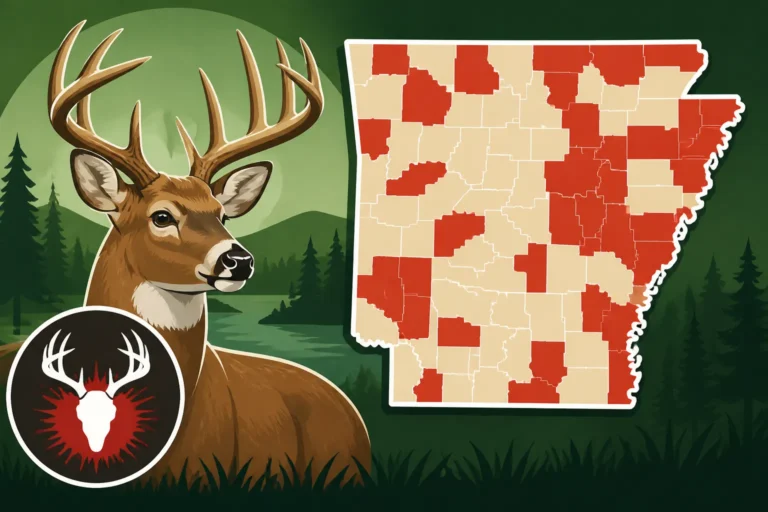
Arkansas CWD Management Zones include specific counties and regulations restricting deer carcass transport to prevent disease spread.
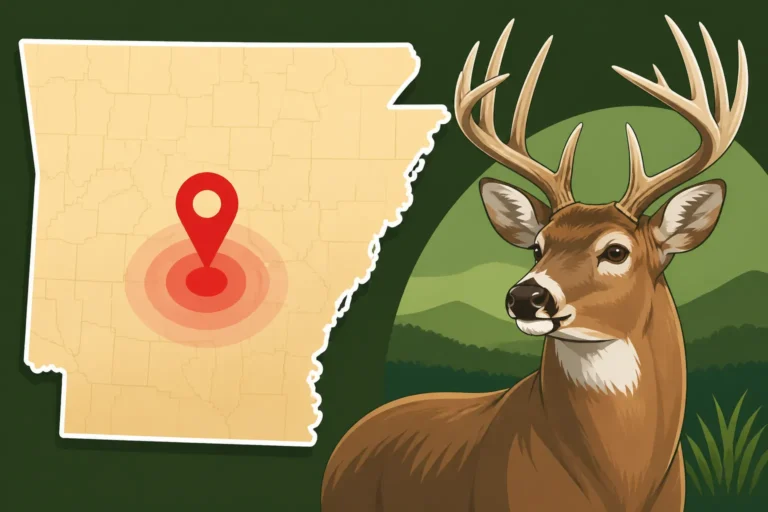
Chronic Wasting Disease first appeared in an Arkansas elk in Newton County during February 2016, sparking management rules.

The Arkansas Three-Point Rule changed buck age structures, influenced harvest dynamics, and improved deer herd health across specific zones.
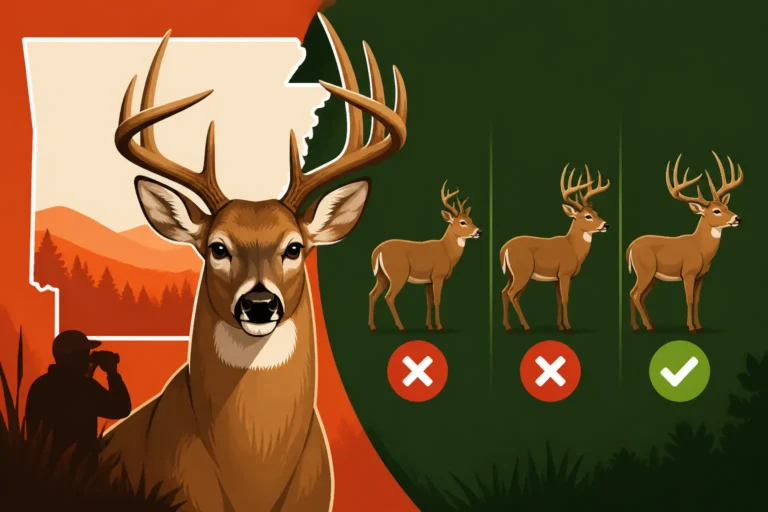
Arkansas deer regulations and the three-point rule protect young bucks, improving herd age structures and increasing mature deer availability.