Finding a Turkey Guide in Arkansas
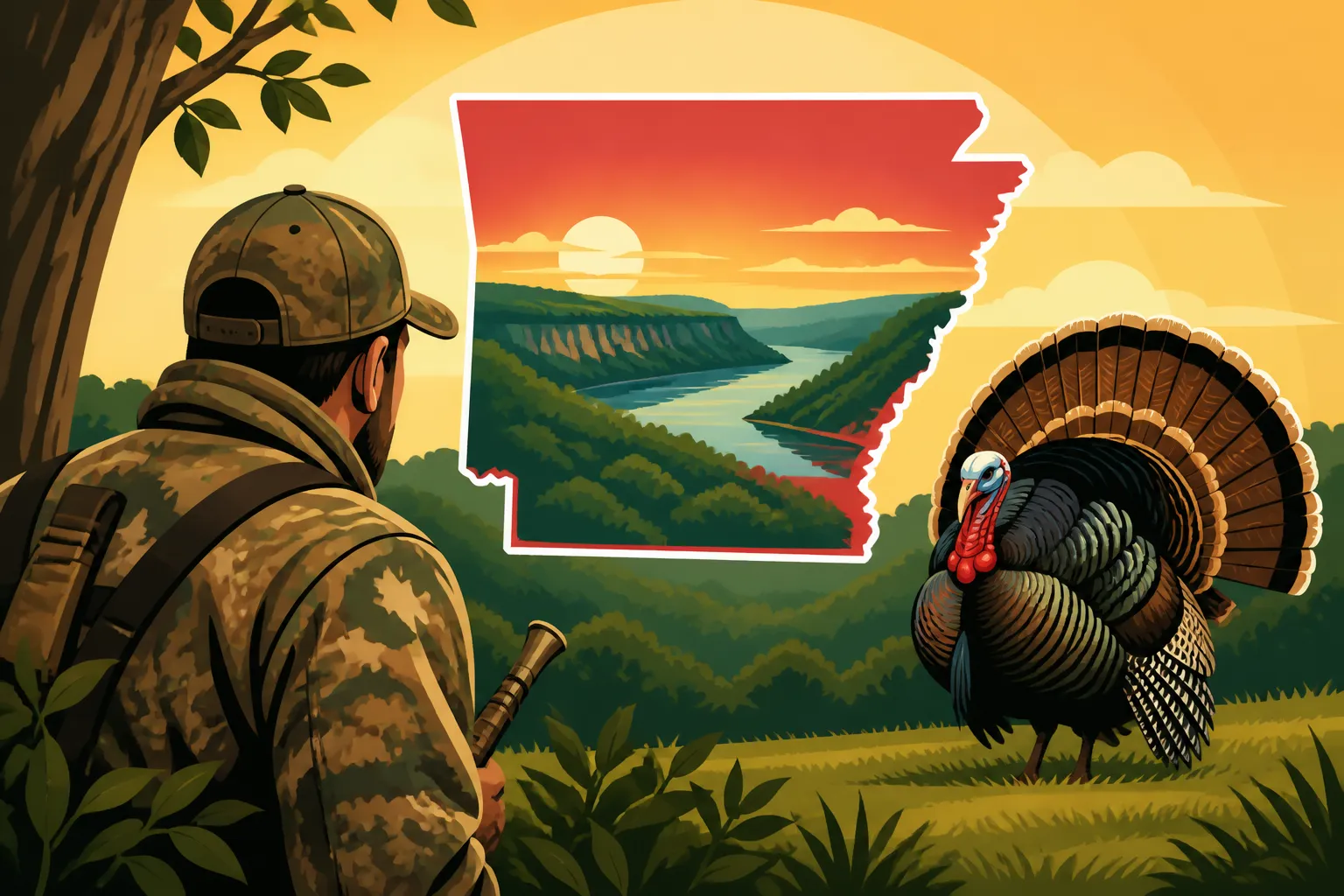
Many hunters dream of hearing that thunderous gobble echo through the Arkansas woods, but the reality of finding and consistently connecting with a wily longbeard can be tougher than a gator hide. If you've found yourself frustrated by quiet mornings or simply lack the time to scout, finding a good turkey guide in Arkansas can be a game-changer. This guide is all about helping you navigate the options, understand what to expect, and ultimately connect with the right professional to make your Arkansas turkey hunting dreams come true.
Why Consider a Turkey Guide in Arkansas?
Let's be honest, hunting turkeys, especially wild ones, is a demanding pursuit. It's not like sitting in a deer stand and waiting for a feeder to go off. Turkeys are smart, their senses are sharp, and they can cover ground fast. Arkansas offers some fantastic turkey hunting, from the sprawling Ozark and Ouachita mountains to the river bottoms and ag fields of the Delta, but each landscape presents its own challenges. For many, a guide isn't just a luxury; it's a necessary step to maximize their chances and truly enjoy the experience.
The Lure and the Learning Curve
The appeal of turkey hunting is undeniable – the anticipation of the gobble, the delicate dance of calling, and the heart-pounding moment a big tom steps into view. But for newcomers, or even seasoned hunters from other states, the learning curve in Arkansas can be steep. Our turkeys, particularly in areas that see consistent pressure, are notoriously call-shy and smart. They've heard it all before. Knowing when to call aggressively, when to hold back, when to move, and when to sit tight comes from years of experience in specific local environments.
A guide brings that invaluable local expertise. They know the roosting patterns, the travel corridors, the feeding areas, and most importantly, the specific quirks of the birds in their territory. They've spent countless hours in those woods, learning the nuances that simply can't be picked up in a weekend trip. This can mean the difference between a silent, frustrating hunt and a thrilling encounter with a gobbler closing the distance. For many, a guided hunt isn't just about killing a bird; it's an immersive classroom experience where you can learn tactics and read turkey behavior firsthand.
Navigating Arkansas's Diverse Terrain
Arkansas isn't just one type of turkey habitat; it's a patchwork of vastly different landscapes, each requiring unique strategies. The rugged, timbered hills of the Ozarks are a far cry from the dense pine plantations of the Ouachitas, or the flat, field-heavy regions of the Delta. What works in one area might be entirely ineffective in another. A guide specializes in a particular region, understanding its topography, vegetation, and how the birds utilize it.
Imagine trying to call a gobbler off a ridge in the Boston Mountains without understanding how the thermals carry sound, or attempting to locate birds in a vast clearcut without knowing their preferred roost trees or dusting bowls. This is where a guide truly earns their keep. They've scouted these areas extensively, often before the season even opens, locating birds, assessing food sources, and understanding the patterns that will put you in the best position for success. They can set up in just the right spot, factoring in everything from wind direction to sun angle, ensuring you have the best possible advantage. This knowledge is crucial for Spring Turkey Hunting in the Arkansas Ozarks or any other specific region.
Maximizing Limited Time and Resources
For many of us, vacation days are precious, and dedicated scouting trips are a luxury we can't always afford. Traveling to Arkansas for a turkey hunt often means you have a finite window – a weekend, maybe a few days – to get it done. Showing up in an unfamiliar area, fumbling with maps, trying to locate public land access, and then figuring out where the birds might be is a daunting task, and it often leads to disappointment.
A guided hunt takes all that guesswork and legwork off your plate. Your guide has already done the heavy lifting: securing access (if on private land), extensive scouting, and often even setting up blinds or knowing key ambush points. This means you spend less time driving around lost and more time actually hunting. They handle the calls, the setup, and the strategy, allowing you to focus purely on the experience and making that shot count. For hunters with limited time, this efficiency can make all the difference, transforming a potential bust into a memorable and successful hunt.
Understanding Different Types of Arkansas Turkey Hunts
Just like there are different ways to hunt, there are different types of guided turkey hunts available in Arkansas. It's not a one-size-fits-all situation, and understanding the distinctions can help you pick the right fit for your experience level, budget, and desired level of involvement.
Fully Guided Experiences
A fully guided turkey hunt is often what people envision when they think of hiring a guide. This is a comprehensive package where the guide handles virtually every aspect of the hunt itself. From the moment you arrive at the designated meeting point, usually pre-dawn, they are in charge. They'll have scouted birds, planned the approach, done all the calling, and positioned you for the shot. In many cases, they'll even assist with field dressing and getting your bird out of the woods.
This option is ideal for hunters who are new to turkey hunting, unfamiliar with Arkansas terrain and birds, or simply want to immerse themselves in the experience without the stress of making all the tactical decisions. You get to learn from an expert, watch their calling techniques, observe their scouting methods, and truly focus on connecting with the bird. While often the most expensive option, it offers the highest chance of success and the most hands-on learning opportunity. Many reputable Arkansas guides offer these types of hunts, ensuring you have a dedicated professional focused on your success.
Semi-Guided Options
Semi-guided hunts offer a middle ground between a fully guided experience and a completely do-it-yourself (DIY) trip. In this scenario, the outfitter or guide provides crucial assistance without being with you in the woods for the entire hunt. This might involve them showing you pre-scouted areas, pointing out roost locations, giving you advice on calling strategies for that specific property, and marking prime setup spots on a map or GPS. They might even drop you off at a designated area and pick you up later.
This option is fantastic for hunters who have some turkey hunting experience but might be new to Arkansas, or those who enjoy the challenge of calling and setting up on their own but lack the time for extensive scouting. You're still doing much of the hunting independently, but you're starting from a much more informed position, thanks to the guide's preparatory work. It typically comes at a lower price point than a fully guided hunt, making it an attractive option for budget-conscious hunters who still want an edge. If you're confident in your calling but need help with location, this could be the perfect compromise.
Day Hunts vs. Multi-Day Packages
When booking a guided turkey hunt in Arkansas, you'll generally find options for either single-day hunts or multi-day packages. Each has its pros and cons, largely depending on your schedule, budget, and the kind of experience you're looking for.
Day Hunts: A day hunt means you pay for a single morning or an entire day of hunting with a guide. You arrive, hunt, and then depart. This is often the most economical choice upfront and is ideal for hunters who live relatively close by or those who have very limited time available. It can be a good way to "test the waters" with a new guide or simply try to punch a tag on a specific day. The downside is that turkey hunting can be unpredictable. If the weather turns foul, or the birds are just not cooperating on that particular day, you might leave empty-handed without the chance to try again.
Multi-Day Packages: Multi-day packages, as the name suggests, involve hunting over several consecutive days. These often include lodging and meals, creating a more immersive "hunt camp" experience. While more expensive, they significantly increase your chances of success. Turkeys have routines, but they also respond to pressure, weather changes, and other factors that might make them uncooperative on any given day. Having multiple days allows you to adjust tactics, move to different properties, or simply wait for the birds to become more active. Many guides structure these to give you full morning hunts, with often the option for afternoon hunts if permitted by Arkansas regulations and the guide's practices. This extended time allows for a deeper dive into Turkey Tactics in Arkansas Pine Plantations or chasing different gobblers.
| Hunt Type | Description | Ideal For | Key Features |
|---|---|---|---|
| Fully Guided | Guide handles all scouting, calling, setup, and recovery. Hunter focuses on shooting. | Beginners, hunters new to Arkansas, those with limited time for scouting. | High success rate potential, extensive learning, minimal hunter effort. |
| Semi-Guided | Guide provides pre-scouted areas, advice, and maps, but hunter calls and sets up independently. | Experienced hunters new to area, those wanting an edge but less cost. | Independence in hunting, expert local intel, often lower cost than fully guided. |
| Day Hunt | Single-day booking, typically morning only. | Local hunters, budget-conscious, trying out a guide. | Flexible scheduling, lowest upfront cost. |
| Multi-Day Pack. | Multiple consecutive days of hunting, often including lodging and meals. | Travelers, those seeking immersive experience, maximizing success odds. | Increased success chances, comprehensive experience, often includes amenities. |
What to Look for in a Reputable Arkansas Turkey Guide
Choosing a turkey guide isn't just about picking the first name you find. It's about finding a professional who aligns with your hunting style, understands the game, and prioritizes safety and ethical practices. A good guide can make or break your trip, so knowing what to look for is crucial.
Experience and Local Knowledge
This is perhaps the most important factor. You want a guide who has spent countless hours in the specific area you'll be hunting. Someone who knows the local turkey population intimately – their preferred roosts, travel corridors, feeding areas, and breeding grounds. An experienced guide will also understand the subtleties of the terrain, how thermals work in the Ozarks, or how sound travels in flooded timber. This deep local knowledge comes from years of hands-on experience, not just reading maps.
Ask about their tenure guiding turkeys in Arkansas. How long have they been operating in that particular region? Do they hunt private land, public land, or a mix? What is their typical approach to calling – aggressive or subtle, run-and-gun or sit-and-wait? A guide who can articulate their strategy and demonstrate a deep understanding of local turkey behavior is a huge asset. For example, a guide who specializes in the Ouachita National Forest will have a very different approach than one focusing on fields in the Delta, and they should be able to explain why. They might be the key to understanding Calling Arkansas Gobblers in the Ozarks.
Permits, Insurance, and Professionalism
A legitimate guide or outfitter should operate with all the necessary legal requirements in place. This means holding appropriate permits from the Arkansas Game and Fish Commission (AGFC), especially if they are guiding on public lands or charging a fee for their services. They should also carry adequate liability insurance to protect both themselves and their clients in case of an unforeseen incident. Don't be shy about asking to see proof of these. A professional guide will have them readily available.
Beyond the paperwork, look for professionalism in their communication and demeanor. Are they prompt in responding to inquiries? Do they provide clear, detailed information about their services, pricing, and expectations? Do they emphasize safety protocols and ethical hunting practices? A guide who takes their business seriously will treat you with respect, communicate clearly, and ensure a safe and enjoyable hunt. This includes adhering to all Arkansas Hunter Education and Safety Rules and local regulations. Websites like BookYourHunt and GoHunt often provide mechanisms for verifying licensed outfitters, which can add a layer of confidence when searching.
Communication and Client Care
The best hunting experiences are often built on good communication. Before you even book, assess how well the guide communicates with you. Are they open to answering all your questions, even the seemingly silly ones? Do they set realistic expectations about success rates and what the hunt might entail? Once booked, do they provide a packing list, directions, and details about what to expect each day?
Client care extends beyond the hunt itself. A good guide will be patient, encouraging, and attentive to your needs in the field. They should be willing to adapt tactics if you have physical limitations or specific preferences (within ethical bounds, of course). After the hunt, they should assist with field dressing, photographs, and advice on game care and processing. You're investing your time and money, and a guide who genuinely cares about your experience and works to ensure you have a memorable trip – regardless of whether a bird is harvested – is worth their weight in gold.
The Booking Process and Key Questions to Ask
Once you've narrowed down your choices, the actual booking process can begin. This stage is critical for clarifying details, setting expectations, and ensuring there are no surprises down the road. Don't be afraid to ask a lot of questions – it's your hunt, after all!
Initial Inquiry and Vetting
Your first step will typically be an initial inquiry, often through email or a phone call. During this phase, you'll want to gather basic information and get a feel for the guide. Some key questions to ask right away include:
- Availability: Do they have openings for your desired dates? Arkansas turkey season dates vary by zone, so confirm they operate when you plan to be there.
- Location: Where exactly do they primarily hunt? Is it in an area that aligns with your desired experience (e.g., Ozark mountains, Delta fields)?
- Success Rates: What are their typical success rates for turkey hunters? A reputable guide will offer honest statistics, often explaining factors that influence success (weather, hunter skill, time of season). Be wary of guides offering "guaranteed" kills, as ethical hunting offers no such promise.
- What's Included: Get a clear breakdown of what the price covers. Does it include meals, lodging, transportation during the hunt, bird processing, or just the guiding service?
- References: Ask for contact information for past clients. Speaking with previous hunters is one of the best ways to vet a guide's reputation and client experience. A good guide will happily provide these. You can often find reviews on platforms like BookYourHunt or GoHunt.
Once you have this information, take the time to follow up on references and compare what different guides offer. It's an investment, so due diligence is key.
Understanding Contracts, Deposits, and Cancellations
Before you send any money, ensure you have a clear, written understanding of the terms and conditions. A professional guide will provide a contract or booking agreement. Read it thoroughly and don't hesitate to ask for clarification on any points you don't understand.
Deposits: Most guides require a deposit to secure your booking. This is standard practice. Understand the amount, when it's due, and whether it's refundable under any circumstances.
Payment Schedule: When is the final payment due? Often, it's before or upon arrival for the hunt.
Cancellation Policy: This is incredibly important. What happens if you need to cancel? What if the guide needs to cancel (e.g., due to illness, unforeseen circumstances)? Are there provisions for rescheduling? What about bad weather that makes hunting impossible or unsafe? Knowing these details upfront can save a lot of headaches later. For example, if you're planning for Arkansas Spring Turkey Season Dates, understanding what happens if weather causes a closure is vital.
It’s crucial that all agreed-upon details, especially regarding dates, services, and costs, are in writing. This protects both you and the guide.
Logistics: Gear, Travel, and Post-Hunt Services
Beyond the hunt itself, think about all the practicalities. A good guide will often provide a detailed packing list, but you should still confirm some key points:
- Gear Requirements: What specific gear do you need to bring? This might include calls, camouflage patterns, particular firearms or bows, and appropriate footwear for the terrain. Ask about shotgun gauges or archery minimums if you're unsure.
- Transportation: How do you get to the hunting area? Will the guide pick you up from a local airport or hotel, or are you responsible for your own transportation to a meeting point? How will you travel during the hunt (e.g., ATV, truck, wading)?
- Licenses and Stamps: Confirm what licenses and stamps are required for turkey hunting in Arkansas. You will almost certainly need a valid Arkansas hunting license and a turkey stamp. The guide will usually expect you to have these purchased and validated before the hunt begins. Make sure to check Arkansas Turkey Checking Rules for any specific tagging or reporting requirements.
- Bird Care: What happens after you harvest a bird? Will the guide field dress it? Do they have facilities for cooling the meat? Can they recommend a local processor or taxidermist? If you're traveling a long distance, ask about shipping options for meat or a trophy.
Knowing these logistical details in advance helps you prepare properly, avoid last-minute scrambles, and ensures a smoother, more enjoyable trip.
Common Challenges and How to Avoid Them
Even with a reputable guide, turkey hunting in Arkansas can present challenges. Being aware of these common hurdles and how to proactively address them can help you have a more positive and successful experience.
Avoiding "Guarantee" Scams
As tempting as a "guaranteed gobbler" sounds, it's a huge red flag in the world of ethical hunting. Wild animals are, by definition, wild. There are too many variables – weather, hunting pressure, bird behavior, and frankly, hunter skill – to guarantee success. Any guide promising a 100% kill rate is either being dishonest or engaging in practices that might be unethical or illegal (like hunting fenced birds, which is not allowed for wild turkeys in Arkansas).
Instead of focusing on a guarantee, look for guides who offer transparency and realistic expectations. They should be able to discuss their past success rates, explain the typical challenges of the season, and outline their strategies for improving your chances. A good guide is there to maximize your opportunity, provide a quality experience, and teach you, not to simply hand you a turkey. Focus on the quality of the hunt and the knowledge you gain, rather than an unrealistic promise of a harvest.
Managing Expectations and Understanding Success Rates
It's easy to get caught up in Instagram photos of giant longbeards, but the reality of turkey hunting is that it can be tough. Arkansas's turkey populations have seen fluctuations over the years, and while good numbers exist, it's not always a cakewalk. Understanding and managing your expectations is key to enjoying the hunt, whether you tag a bird or not.
A reputable guide will discuss their actual success rates, which might range from 50% to 80% or higher, depending on the area, time of year, and hunter's ability. Factors like the specific Arkansas Turkey Population Trends and local pressure can greatly influence these numbers. Remember that "success" can also be measured by the quality of the experience: hearing birds gobble, calling one close, learning new tactics, and enjoying the camaraderie. If you go into the hunt expecting to learn and enjoy the process, a bird in the vest becomes the bonus, not the sole measure of a good time.
The Importance of Physical Preparedness
Turkey hunting, especially in the rugged Ozarks or thick Ouachita pine, can be surprisingly physical. It often involves a lot of walking, sometimes up and down steep terrain, and sometimes quickly. You might be asked to sit still for long periods, often in uncomfortable positions, and sometimes in a very compact ground blind. If you're considering a Run-and-Gun on Arkansas Public Land style hunt, be prepared for even more movement.
Before your hunt, discuss the physical demands with your guide. Are there long walks involved? Will you be climbing hills? Will you be sitting in a ground blind or calling birds in from a comfortable chair? Being in reasonable physical condition will greatly enhance your enjoyment and ability to participate fully in the hunt. Make sure your footwear is broken in and suitable for the terrain. If you have any physical limitations, communicate them clearly to your guide well in advance so they can plan accordingly and select appropriate hunting locations and tactics. Don't let a lack of preparedness be the reason you miss out on a prime opportunity.
Cost Considerations for an Arkansas Guided Turkey Hunt
The cost of a guided turkey hunt in Arkansas can vary widely, from a few hundred dollars for a single day to several thousands for multi-day, all-inclusive experiences. Understanding what typically influences these prices and what you're getting for your money is important for budgeting and making an informed decision.
What's Included in the Price
When you see a price tag for a guided hunt, it's crucial to know exactly what that figure encompasses. The most basic guided day hunt might only cover the guide's time and expertise in the field, possibly with transportation on their hunting property. More comprehensive packages, especially multi-day ones, often include:
- Guiding Fees: This is the core cost for the guide's time, knowledge, and effort.
- Lodging: Many multi-day hunts come with accommodations, which could range from a rustic bunkhouse to a comfortable lodge room.
- Meals: Full-service lodges typically provide all meals during your stay.
- Transportation During the Hunt: This might include ATV rides, boat access (if hunting river bottoms), or truck travel between spots on large properties.
- Field Dressing and Bird Retrieval: The guide will usually assist with these tasks, ensuring your bird is handled properly.
- Access Fees: If the guide operates on private land, a portion of your fee covers the cost of leasing that land.
Always get a detailed breakdown in writing. Knowing precisely what is and isn't included helps prevent misunderstandings later on. Remember, the quality of experience and the depth of knowledge often correlate with the price, so don't always opt for the cheapest option without thoroughly vetting it.
Hidden Costs and Tipping Etiquette
Beyond the advertised price, there can be several other expenses to factor into your total budget. Being aware of these "hidden costs" is essential for a realistic financial plan:
- Arkansas Hunting License and Stamps: You are responsible for purchasing your own Arkansas hunting license and turkey tags. These are separate from the guide's fee. Make sure to check the current costs and requirements for Arkansas Resident Hunting License Cost or Arkansas Nonresident Annual License Cost, as applicable.
- Travel Expenses: This includes your transportation to and from Arkansas (flights, gas, car rental), as well as any overnight stays before or after the hunt if they aren't included in the package.
- Gear and Supplies: Do you have all the necessary camo, calls, firearm, ammunition, and other equipment? Factor in any purchases you might need to make.
- Meat Processing and Taxidermy: If you harvest a bird, you'll need to pay for processing (if not included) and any taxidermy work you desire. Shipping these items home can also be a significant expense.
- Personal Expenses: Snacks, drinks, souvenirs, and any other personal items.
- Tipping: Tipping your guide is customary and expected in the hunting industry, much like tipping in a restaurant or for other service-based professions. The amount can vary, but a common guideline is 10-20% of the total hunt cost, based on the quality of service, effort, and overall experience (not just success in harvesting a bird). Tip for their hard work, knowledge, and dedication, even if the birds didn't cooperate. If there are other staff (cooks, lodge managers), they might also receive tips.
Budgeting for Your Dream Hunt
To effectively budget for your Arkansas guided turkey hunt, create a comprehensive spreadsheet that includes all potential costs. Don't just look at the guide's fee; add in every item mentioned above.
Consider what you value most in a hunt. If time is your biggest constraint and maximizing your chances of success is paramount, a more expensive, fully guided, multi-day package might be a better investment. If you're on a tighter budget and enjoy more independence, a semi-guided or single-day hunt might be more suitable. There are often different packages that cater to varying budgets, so be sure to discuss your financial parameters with potential guides. They may have options or advice for Finding an Arkansas Farmer to Ask for permission on less expensive private land, which can sometimes reduce costs.
Ultimately, the goal is to have a fantastic and memorable experience. By understanding the costs involved and budgeting accordingly, you can choose a hunt that fits your financial comfort zone while still delivering the excitement and challenge of chasing Arkansas gobblers.
Disclaimer
This article is for general informational purposes only and does not constitute professional advice. Laws, prices and regulations vary by location and change over time. Consult a qualified professional for guidance on your specific situation.