Semi-Guided Deer Hunts in Arkansas
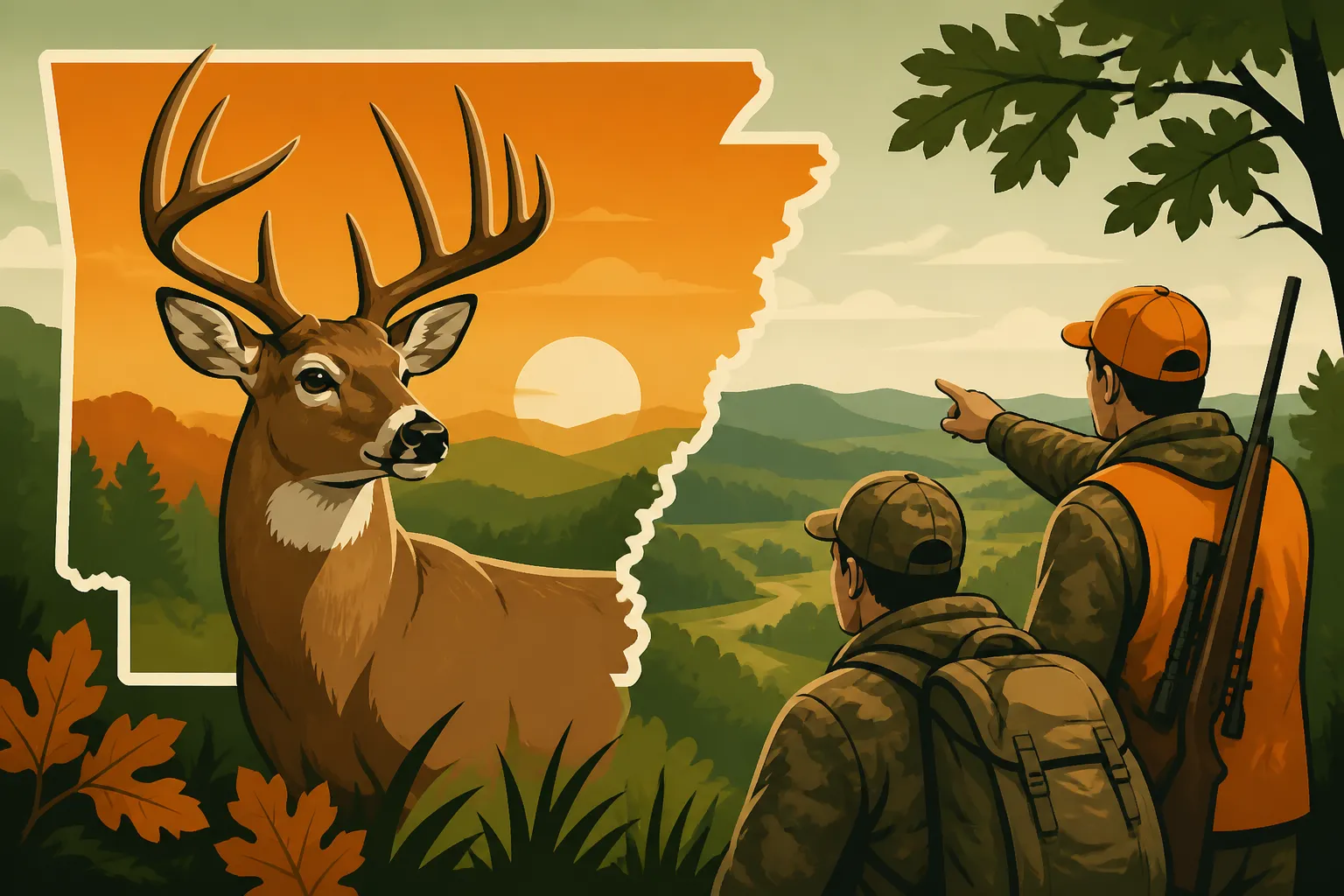
Many Arkansas deer hunters find themselves at a crossroads: they've outgrown the "do-it-yourself" public land grind but aren't quite ready for the full hand-holding, all-inclusive luxury of a fully guided trip. It's a real dilemma, leaving many wondering if there's a middle ground that offers support without taking away all the challenge. This guide will dive deep into semi-guided deer hunts in Arkansas, breaking down what they are, what to expect, and how to pick the right one for your next hunt.
Understanding the "Semi-Guided" Difference for Arkansas Deer Hunters
Let's be honest, hunting in Arkansas, especially for deer, can be incredibly rewarding, but it's also a lot of work. From scouting to setting stands, tracking, and processing, a successful hunt often means countless hours invested. This is where the idea of a "semi-guided" hunt comes in, offering a bridge between the complete independence of a DIY hunt and the extensive assistance of a fully guided experience. It's not just a buzzword; it's a distinct style of hunt designed for a particular kind of hunter.
What Sets Semi-Guided Apart from Fully Guided Hunts
The biggest difference often boils down to the level of direct, hands-on involvement from your outfitter or guide. With a fully guided hunt, think of it as a concierge service. Your guide is typically with you from before dawn until you punch your tag, actively calling, positioning you, sometimes even tracking and field dressing your deer. They're telling you exactly where to sit, what time to be there, and often retrieving your animal. It's an immersive, high-service experience where you're largely relying on their minute-by-minute expertise.
A semi-guided hunt, on the other hand, gives you more autonomy. You'll still have access to prime hunting ground, often private land that's been scouted and managed for deer. The outfitter usually points you to pre-scouted areas, sets up stands or blinds, and offers advice based on recent deer movement or trail camera intel. They might help with retrieval or give directions to a processor, but they aren't necessarily sitting in the blind with you all day or dictating every move. You're responsible for your own hunting decisions within the provided framework. Think of it as having a really helpful, knowledgeable friend who lets you hunt their best spots and gives you a head start, but then trusts you to execute the hunt yourself. It's a hybrid approach, demanding more self-reliance than a fully guided trip but offering significantly more support and access than going it alone.
When a Semi-Guided Hunt Makes Sense for You
A semi-guided hunt truly shines for hunters who enjoy the thrill of making their own decisions in the field but want to cut down on the exhaustive pre-season prep. Maybe you're traveling a long distance to hunt White-Tailed Deer Across Arkansas and don't have the luxury of extensive pre-scouting. The outfitter has already done the legwork of finding good habitat, identifying food sources, and maybe even patterning deer. This saves you days, if not weeks, of scouting time.
It's also a fantastic option for hunters who are comfortable and confident in their hunting skills – shooting, tracking, and woodsmanship – but want access to better quality ground than they might find on public land. Arkansas has some phenomenal public hunting opportunities, but private land, often managed for trophy potential or simply offering less pressure, can provide a different experience. A semi-guided hunt opens up those doors without the full price tag of a fully guided adventure.
Consider it if you:
- Have limited time for scouting but still want a quality hunting experience.
- Are traveling from out of state and unfamiliar with the local terrain and deer behavior.
- Prefer making your own in-the-moment hunting decisions (e.g., when to call, how long to sit).
- Want access to private, managed land but don't want to break the bank on a fully guided trip.
- Enjoy the challenge of the hunt but appreciate having a "base camp" of knowledge and support.
It's a step up from doing everything yourself, but it doesn't strip away the sense of accomplishment that comes from figuring things out on your own. For many, it's the sweet spot for an unforgettable Arkansas deer hunt.
What to Expect Before and During Your Arkansas Semi-Guided Hunt
Embarking on a semi-guided deer hunt in Arkansas means preparing for a different kind of experience than you might be used to. It's not a free-for-all, but it's also not a military operation. Understanding the typical flow, from initial communication to your time in the woods, will help set realistic expectations and ensure a smoother trip.
Pre-Hunt Communication and Scouting Support
Once you've booked your semi-guided hunt, expect the outfitter to initiate contact with important information. This communication is crucial. They should provide details about Arkansas Deer Seasons and Zone Limits, what deer zones their property falls within, and any specific rules for their lease. They’ll usually tell you about the typical deer behavior in the area, recent trail camera activity, or acorn drop conditions. This pre-hunt intel is golden and essentially the "scouting support" you're paying for.
They might send you aerial maps with suggested stand locations or areas to focus on. Some outfitters even offer a brief rundown of the property and a few "hot spots" when you arrive. This isn't just about showing you a stand; it's about sharing their knowledge of the land, which might include details about bedding areas, travel corridors, and current food sources. If they don't offer this, ask! Good questions to pose would be about typical wind directions for certain stands, historical success rates of specific spots, or even recent buck sightings. You're still expected to hunt smart and make your own judgment calls, but this initial download gives you a serious leg up. Remember, you'll also need to ensure you have all the proper Arkansas Hunting Licenses and What They Cost and any required stamps or permits before you arrive.
On-Site Assistance and Logistics
When you arrive at the hunting property, the outfitter or a designated staff member will typically greet you. This is often when you'll go over the final details, review maps, and confirm your hunting areas. The logistics vary from one operation to the next, but generally, here’s what you might encounter:
- Access to Stands/Blinds: The outfitter will often have pre-set stands or ground blinds. These could be ladder stands, hang-on stands, box blinds, or even pop-up blinds. They'll show you to these locations or provide clear directions. You might have options, or you might be assigned a specific area for a morning or evening hunt based on wind direction or other factors. Some might even allow you to bring your own stands and hang them in approved areas, giving you more flexibility.
- Transportation: Depending on the size of the property, transportation to and from your hunting area might be provided, or you might drive your own vehicle on designated trails. Always clarify this upfront. Some places require you to leave your vehicle at a certain point and walk the rest of the way to reduce pressure.
- Deer Retrieval: This is a big one. While you're responsible for tracking and often field dressing your own deer, many semi-guided operations offer assistance with retrieval, especially for large animals or in challenging terrain. Don't assume this, though – ask about their policy. Will they come with an ATV or tractor if you call them with a downed deer? Do they expect you to drag it to a certain pick-up point?
- Game Processing: Outfitters typically don't process your deer for you, but they will almost always have a list of local processors they recommend. Sometimes, for an additional fee, they might offer basic services like caping for a taxidermist.
- Lodging and Meals: While not always included, many semi-guided operations offer some form of lodging, ranging from basic bunkhouses to comfortable cabins. Meals are less common with semi-guided than with fully guided, so be prepared to cook for yourself or plan to eat out. Always check what amenities are part of the package.
A useful way to visualize the differences:
| Feature | Fully Guided Hunt | Semi-Guided Hunt | DIY Hunt (Public Land) |
|---|---|---|---|
| Scouting | Done by guide, often daily intel provided | Outfitter provides general intel, pre-scouted areas | 100% your responsibility |
| Stand Setups | Guide places you in stand/blind, often present | Outfitter provides pre-set stands/blinds | 100% your responsibility (with public land rules) |
| In-Field Advice | Constant guidance, calling, strategy adjustments | Initial advice, general area recommendations, intel | 100% your responsibility |
| Game Retrieval | Often full assistance, including tracking and extraction | Assistance usually available for large game, clarify terms | 100% your responsibility |
| Field Dressing | May be done by guide, or assistance provided | Usually your responsibility, with guidance if needed | 100% your responsibility |
| Game Processing | May have on-site options or local referrals | Local referrals provided | Your responsibility to find a processor |
| Accommodation | Often included, sometimes high-end lodging and meals | May include basic lodging, meals usually extra | Your responsibility (camping, hotel) |
| Cost | Highest | Mid-range | Lowest (excluding travel/gear) |
| Independence | Lowest | Moderate | Highest |
Remember, the goal of a semi-guided hunt is to give you a solid foundation and excellent access, but the hunt itself remains yours to execute. It's a fantastic blend for hunters who want to enjoy the experience without all the headaches of setting up a new area from scratch, especially if you're coming from out of state.
Choosing the Right Semi-Guided Outfitter in the Natural State
Finding the perfect semi-guided deer hunt in Arkansas can feel like a hunt in itself, but with a little research and knowing what questions to ask, you can significantly improve your chances of a successful and enjoyable trip. There are many reputable operations, but vetting them properly is key.
Key Questions to Ask Potential Outfitters
When you're calling around or emailing potential outfitters, think of yourself as interviewing them. You're entrusting them with your time, money, and hunting experience, so don't be shy. Here are some critical questions to ask:
- What does "semi-guided" specifically mean for your operation?
- This is the most important question. As discussed, it can vary. Pin down the specifics: Will they show me stands, or just tell me where areas are? How much interaction should I expect daily? What's the protocol if I wound a deer?
- What kind of property will I be hunting?
- Is it private land? If so, how many acres? Is it managed for deer? What kind of habitat (hardwoods, pine, agriculture, Hunting Arkansas Cutovers and Clearcuts)? Understanding the terrain helps you prepare.
- How many hunters will be on the property during my hunt?
- This impacts pressure. A property with too many hunters can quickly push deer out. Ask about hunter-to-acreage ratios or how many hunters are assigned to a specific area.
- What kind of stands or blinds are provided, and can I use my own?
- Are they comfortable, safe, and well-maintained? Will I have options, or be assigned one? Some hunters prefer their own gear, so knowing if that's an option is helpful.
- What's included in the price, and what are the hidden costs?
- Beyond the hunt itself, clarify lodging, meals (or lack thereof), transportation on the property, and game retrieval. Are there any "trophy fees" if you shoot a particularly large buck (rare for semi-guided, but good to confirm)? What an Arkansas Hunt Price Includes is a good article to review before this conversation.
- What are your policies on wounded animals and blood trailing?
- Ethical hunting means recovering wounded game. Understand their protocol. Will they assist in tracking, even if it's after hours? Do they have dogs available for tracking assistance?
- Do you have references from previous semi-guided hunters?
- A good outfitter will be happy to provide contact information for past clients. Take the time to call them and ask about their experience.
- What is your booking, deposit, and cancellation policy?
- Life happens. Understand their terms for rescheduling or cancellations, especially concerning weather.
Researching Reputation and Reviews
In today's connected world, researching an outfitter's reputation is easier than ever. Start by looking for their website and social media presence. Look at photos, read their "about us" section, and get a feel for their operation.
Platforms like BookYourHunt or GoHunt can be excellent starting points for finding outfitters. These sites often feature listings, photos, and sometimes even reviews from previous clients. You can filter by species and hunt type to narrow down options specific to Arkansas Modern Gun Deer Hunting or bow season. Pay attention to consistent themes in reviews – good or bad. Are people praising the stand setups, the quality of the deer, or the guide's helpfulness? Or are they complaining about overcrowding or lack of promised support?
Beyond booking platforms, delve into hunting forums, social media groups focused on Arkansas hunting, and even independent hunting blogs. A quick search for the outfitter's name plus "review" can yield a lot of information. Just be discerning – take overly negative or overly positive reviews with a grain of salt, but look for patterns. For instance, if multiple people mention a guide going above and beyond on tracking, that's a positive sign. If several lament about poor communication, that's a red flag. Reading articles like Reading Outfitter Success Claims can help you interpret what you find.
By doing your homework and asking the right questions, you'll be well-equipped to choose a semi-guided deer hunt in Arkansas that matches your expectations and delivers a truly memorable experience.
Disclaimer
This article is for general informational purposes only and does not constitute professional advice. Laws, prices and regulations vary by location and change over time. Consult a qualified professional for guidance on your specific situation.