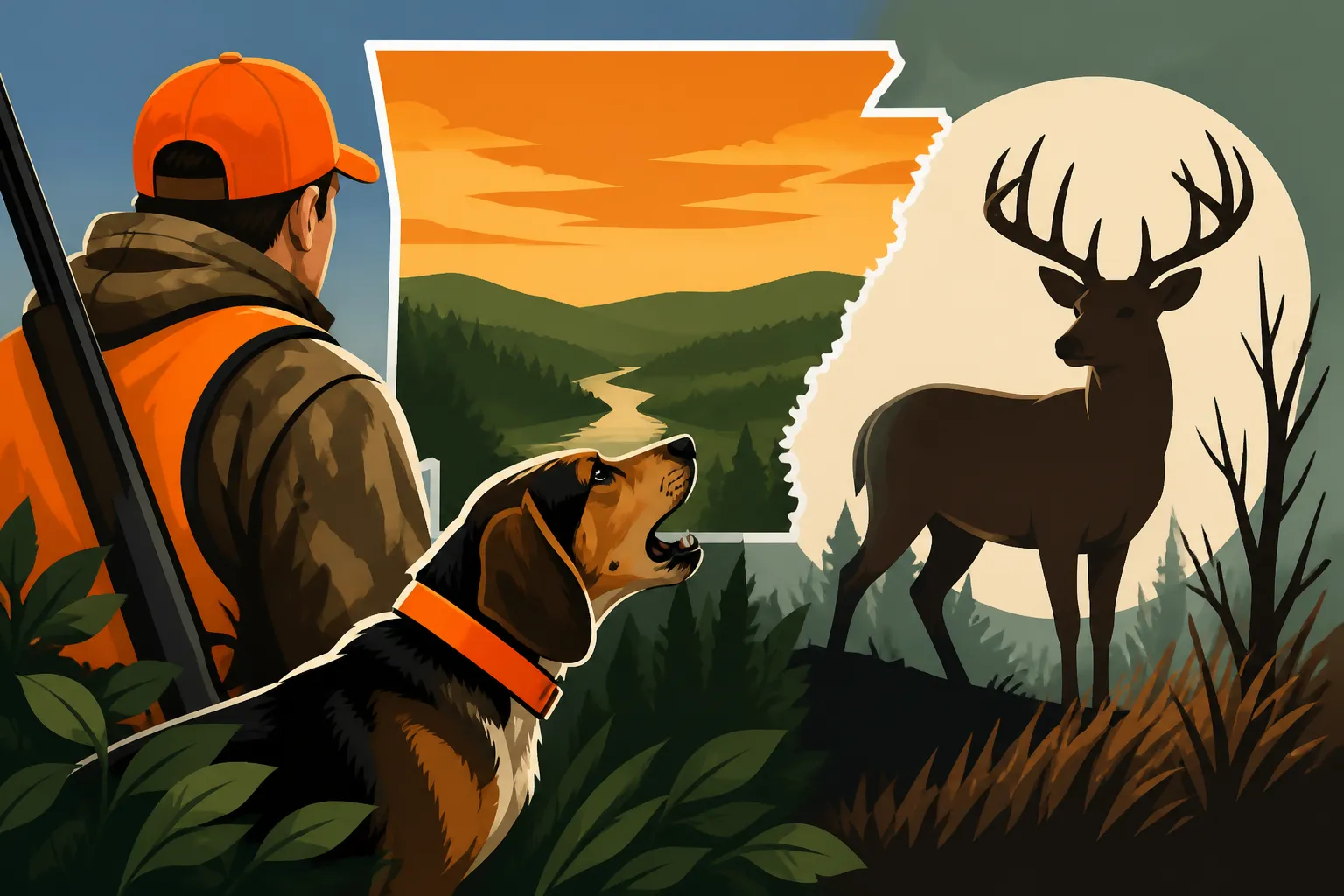
When Nonresidents May Use Deer Dogs
The world of deer hunting in Arkansas can feel like a maze, especially when you start looking into specific methods like hunting with dogs. For nonresidents, the rules surrounding deer dog use are often a source of real confusion and frustration, leading many to wonder if it's even allowed. This guide aims to cut through that complexity, offering a clear, comprehensive look at when and how nonresidents may legally participate in deer dog hunting in the Natural State, helping you plan a compliant and successful hunt.
Understanding Arkansas's Deer Dog Hunting Landscape
Before diving into the specifics for nonresidents, it's crucial to grasp the broader context of deer dog hunting in Arkansas. This isn't just a niche method; it's a deeply rooted tradition that carries significant cultural weight for many local hunters. Understanding this foundation will help make sense of the regulations and the unique approach Arkansas takes.
The Tradition of Dog Hunting in Arkansas
For generations, deer hunting with dogs has been an integral part of Arkansas's hunting heritage, particularly in the flatlands of the Delta and parts of South Arkansas. It's a method born out of necessity and efficiency, especially in vast, dense tracts of bottomland timber and thick cover where still-hunting can be incredibly challenging. Picture a group of hunters strategically placed on stands or roads, listening for the baying of hounds pushing deer through the woods. It's an experience filled with excitement, camaraderie, and a distinctive soundscape that's unmistakable. This tradition isn't just about harvesting deer; it's about the chase, the skill of the dogs, and the teamwork involved. It’s a social event, often concluding with a deer camp filled with stories, good food, and shared memories. This deep-seated practice explains why, despite evolving regulations and changing public perception, dog hunting for deer remains a protected and regulated method within the state.
General Rules for All Deer Dog Hunters
Regardless of residency, all hunters participating in deer dog hunts in Arkansas must adhere to a strict set of regulations designed to ensure safety, fair chase, and responsible wildlife management. First and foremost, anyone hunting deer, by any method, must possess the appropriate Arkansas Hunting Licenses and What They Cost. This typically includes a valid hunting license and a deer tag. For those using dogs, there are additional requirements. All dogs used for deer hunting must be clearly identified with the owner's name and contact information. This is crucial for tracking lost dogs and identifying ownership if issues arise.
Furthermore, hunters must understand the legal shooting hours, which generally span from 30 minutes before sunrise to 30 minutes after sunset. Trespassing is a major concern with dog hunting, so hunters must ensure they have permission to be on any private land where their dogs might run, even if they aren't directly hunting on it. The Arkansas Game and Fish Commission (AGFC) also has specific rules regarding the pursuit of deer onto private property without permission, and the recovery of game. Dog hunters must always be mindful of neighboring properties and respect "no hunting" or "no dog hunting" signs. Finally, understanding the specific deer limits and legal buck requirements for your hunting zone is paramount, as these can vary by region. You can find detailed information on these topics in guides like Arkansas Deer Seasons and Zone Limits and Arkansas Dog Deer Hunting Rules.
Specific Regulations for Nonresident Deer Dog Hunters
Now, let's get to the heart of the matter for our nonresident friends. While Arkansas embraces its deer dog hunting tradition, the regulations for nonresidents are distinctly different from those for residents, often presenting unique challenges and limitations.
Eligibility and Permit Requirements for Nonresidents
This is where many nonresidents hit a roadblock or simply give up due to confusion. Nonresidents are indeed permitted to participate in deer dog hunting in Arkansas, but with significant caveats that primarily revolve around land ownership and specific permits. The most critical distinction is that nonresidents can only hunt deer with dogs on privately owned land where they have explicit permission. Unlike residents, nonresidents are generally not allowed to use dogs for deer hunting on public lands managed by the AGFC, such as most Wildlife Management Areas (WMAs) or National Forests, even if residents are.
To legally hunt deer with dogs as a nonresident, you will first need a valid Arkansas Nonresident License Options. This typically means purchasing a Nonresident All Game Hunting License or a specific Nonresident Deer Hunting License. Crucially, you will also need to acquire a Nonresident Deer Dog Permit. This is a specific, additional permit that explicitly allows nonresidents to participate in deer dog hunting, but only on private land with permission. Without this permit, even with a general hunting license, using dogs to hunt deer is illegal for a nonresident. It's a key piece of paper you absolutely cannot overlook. These permits are usually available through the AGFC's licensing system, often online or from license vendors across the state. Always double-check the current year's regulations and costs before you plan your trip, as these can change.
Geographic Restrictions and Public vs. Private Land
The biggest hurdle for nonresidents looking to hunt deer with dogs in Arkansas comes down to where they can hunt. As mentioned, nonresident deer dog hunting is restricted exclusively to private land with landowner permission. This is a stark contrast to many residents who may have access to certain public lands or who utilize the "dog drive" tradition in areas where it's permitted on public ground.
Here’s a breakdown of what this means in practice:
- Private Land: If you own land in Arkansas, or if you have secured explicit, written permission from a private landowner to hunt with dogs, you are generally in the clear, provided you have all the necessary licenses and the Nonresident Deer Dog Permit. This is the primary avenue for nonresidents. Many nonresidents join private hunting clubs or lease land to participate in this method. For those seeking such opportunities, resources like GoHunt can sometimes help identify private land leases or connect with landowners, though finding private land specifically for dog hunting can still be challenging. The rules for Getting Private Land Permission in Arkansas are critical here.
- Public Land (WMAs, National Forests, Refuges): This is largely a no-go for nonresident deer dog hunters. Most public lands in Arkansas, including the vast Ouachita National Forest Hunting and Ozark National Forest Hunting, explicitly prohibit the use of dogs for deer by nonresidents. Even if residents are allowed to use dogs in certain designated areas, nonresidents typically are not. It’s absolutely essential to consult the specific WMA or National Forest regulations you intend to hunt, as these rules are rigidly enforced. Ignorance of the law is not an excuse, and violations can result in hefty fines, license revocation, and even confiscation of equipment. Always consult the AGFC hunting guide for the most current rules before heading out.
Working with a Resident Hunter or Guide
Given the stringent restrictions, many nonresidents consider hunting with a resident friend or booking a guided hunt as a viable option.
- Hunting with a Resident: If you have a resident friend or family member who has access to private land where dog hunting is permitted, this can be an excellent way to experience the tradition. You, as the nonresident, will still need your valid nonresident hunting license and the specific Nonresident Deer Dog Permit. Your resident companion will also need their appropriate licenses. While hunting together, all hunters must still abide by all season dates, bag limits, and ethical hunting practices. The resident cannot simply "lend" their ability to dog hunt on public land to a nonresident, as the nonresident's permit limitations still apply based on their residency status.
- Guided Hunts: This is perhaps the most straightforward (though often most expensive) option for nonresidents interested in deer dog hunting. There are professional hunting outfitters and guides in Arkansas who specialize in deer dog hunts, primarily operating on large tracts of private land that they either own or lease. When you book with a reputable guide, they will ensure that all legal requirements for the hunt itself are met, including having the necessary permissions for the land. However, it is still your responsibility as the nonresident hunter to ensure you have obtained all the required Arkansas hunting licenses, including your Nonresident Deer Dog Permit, before the hunt. A good outfitter will confirm this with you during the booking process. Always ask detailed questions about the land, the rules, and what's expected of you. Websites like GoHunt might list outfitters, but direct communication and reference checks are key.
Practical Considerations for Nonresident Dog Hunters
Navigating the intricacies of nonresident deer dog hunting in Arkansas requires meticulous planning and a deep respect for the regulations and local customs. It’s not a spur-of-the-moment trip.
Navigating Complexities and Avoiding Violations
The biggest mistake a nonresident can make is assuming that what's legal in their home state, or even what's legal for a resident in Arkansas, applies to them. The nuances of Arkansas’s hunting regulations are considerable, and they are particularly strict when it comes to dog hunting and nonresident participation. To avoid costly violations:
- Read the AGFC Regulations Thoroughly: This cannot be stressed enough. Obtain the most current Arkansas Hunting Guidebook, either online or in print. Pay specific attention to the "Deer Hunting," "Dog Hunting," and "Nonresident" sections. These guides are updated annually, so never rely on outdated information.
- Verify Land Status: If you are hunting on private land, ensure you have explicit, written permission from the landowner. Understand exactly where the property lines are. If hunting near public land boundaries, exercise extreme caution. Tools like OnX Hunt or the AGFC Map Tool can be invaluable for identifying property lines and land ownership.
- Understand Dog-Specific Rules: Beyond general hunting laws, there are rules specific to running dogs, such as requirements for dog identification, collars, and sometimes even GPS tracking systems. Familiarize yourself with these.
- Ask Questions: If you are unsure about any rule, contact the AGFC directly. They are there to help clarify regulations and ensure compliance. It’s far better to ask than to face a wildlife violation charge.
Ethical Considerations and Local Customs
Beyond the legalities, a successful and respected deer dog hunt, especially for a nonresident, depends heavily on understanding and respecting local customs and ethical hunting practices.
- Landowner Relations: If you are granted private land access, treat that privilege with the utmost respect. Leave gates as you find them, don't litter, and report any issues you notice on their property. A small thank you gift or offering to help with chores can go a long way in securing future access. Remember, Do You Need Written Permission in Arkansas? – the answer is usually yes for peace of mind.
- Respect Local Dog Hunters: Deer dog hunting is a community activity. Even if you're on private land, you might encounter other dog hunters or their dogs. Be courteous, communicate your presence, and cooperate if dogs from different groups become intermingled.
- Safety First: Dog hunting often involves hunters spread out over a wide area, sometimes crossing roads. Always wear proper hunter orange, especially if hunting during modern gun seasons. Be absolutely certain of your target and what is beyond it before taking any shot. The safety rules outlined in Arkansas Hunter Education and Safety Rules apply to everyone.
- Dog Welfare: Ensure your dogs are well-trained, healthy, and equipped with GPS collars for their safety and ease of recovery. Proper care of your hounds is an ethical responsibility.
Planning Your Hunt
Careful planning is the key to a successful nonresident deer dog hunt. It’s more than just showing up with a gun and a dog.
- Timing: Research the Arkansas Archery Deer Season Structure and other deer seasons to ensure you are hunting during the legal periods for your chosen method and zone. Dog hunting seasons often have specific start and end dates.
- Scouting and Research: Even for dog hunting, understanding the terrain is helpful. For example, Hunting Arkansas Cutovers and Clearcuts or understanding how deer use specific features can improve stand placement. Use online mapping tools like GoHunt to analyze aerial photography and topographical maps of your potential hunting areas, even private land. This can help you anticipate deer movement and strategically position standers.
- Equipment: Beyond your firearm and ammunition, consider communication devices (radios), GPS units for yourself and your dogs, and appropriate attire for potentially rugged terrain and varied weather conditions.
- Contingency Plans: What if a dog gets lost? What if the weather turns bad? What if you harvest a deer far from a road? Having plans for these scenarios will save you stress and ensure a smoother hunt. For instance, knowing how to conduct Blood Trailing After Dark in Arkansas or how to recover a deer from challenging terrain is vital.
By understanding these regulations and adopting a respectful, prepared approach, nonresidents can indeed experience the unique thrill of deer dog hunting in Arkansas.
Aspect of Nonresident Deer Dog Hunting Details and Requirements
:## Disclaimer
The information provided in this article is for general informational purposes only and is not intended as legal advice or a comprehensive compilation of all hunting regulations. Hunting regulations are subject to change and vary greatly. Before participating in any hunting activity, consult the most current official regulations published by the Arkansas Game and Fish Commission (AGFC) and obtain all required licenses and permits. It is the sole responsibility of the hunter to understand and comply with all applicable laws and regulations.