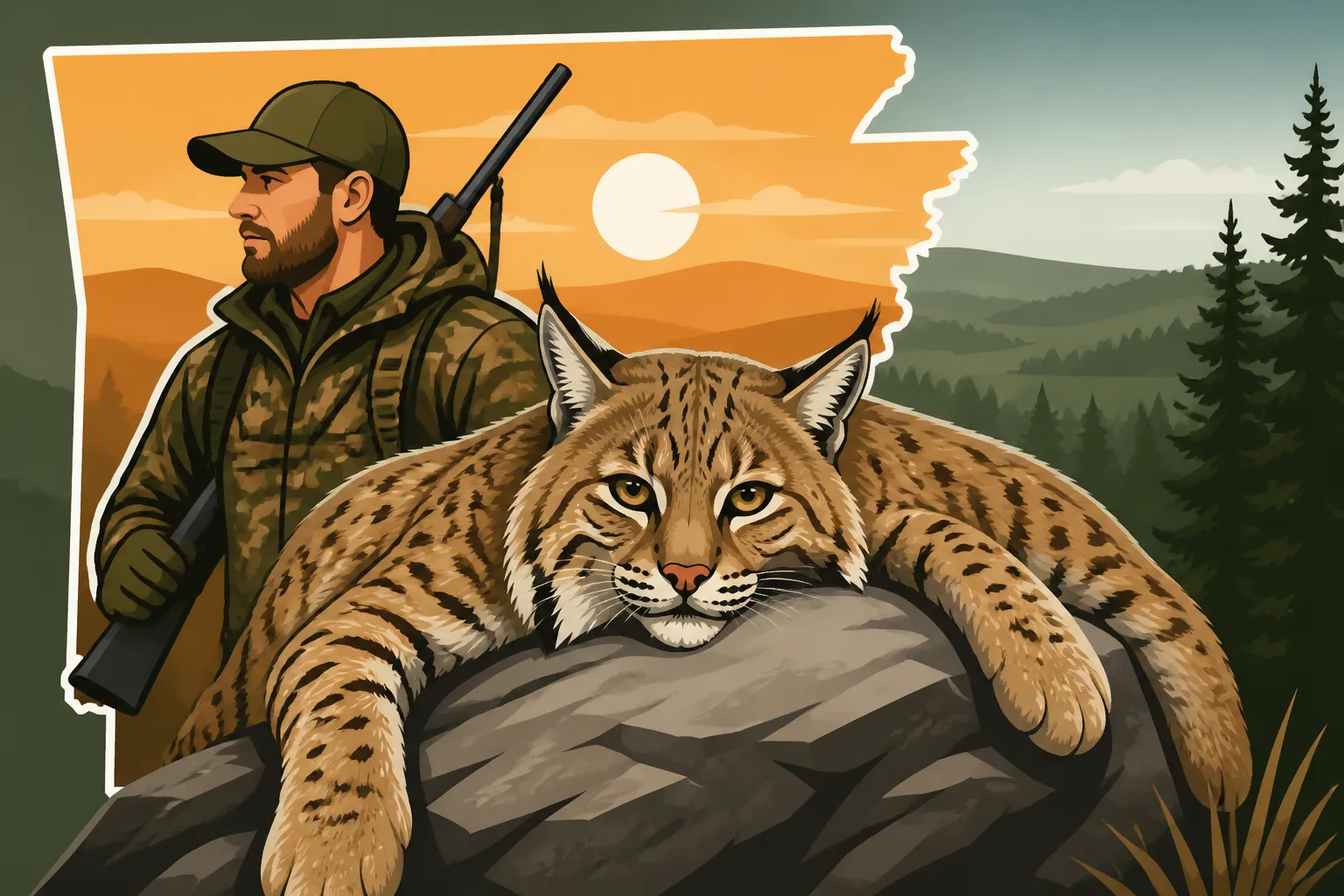
Bobcat Harvest in Arkansas
For many folks in Arkansas, the thought of bobcat hunting or trapping brings to mind a challenging pursuit, one that demands skill, patience, and a deep understanding of our natural landscape. These elusive furbearers are notoriously shy, making a successful harvest feel like a true accomplishment. If you've been curious about the ins and outs of bobcat harvest in our beautiful state, this guide is here to walk you through everything from understanding their habits to navigating regulations and effective hunting strategies.
Understanding Arkansas Bobcats and Their Value
Bobcats are a fascinating part of Arkansas's wildlife, creatures of stealth and cunning that often go unseen. They thrive across various habitats, from the dense timber of the Ouachita Mountains to the swampy bottoms of the Delta, adapting remarkably well to whatever nature throws their way. While not as commonly pursued as deer or ducks, the pursuit of bobcats offers a unique challenge and contributes to our rich hunting heritage.
The Bobcat in Arkansas's Ecosystem
These medium-sized wild cats are incredibly adaptable, finding homes in diverse Arkansas landscapes. You'll find them in the rugged Ozark mountains, the sprawling Ouachita National Forest, and even the timbered edges of agricultural fields in the Delta. Bobcats are primarily nocturnal and crepuscular, meaning they're most active at dawn and dusk, which certainly adds to their mystique and makes encountering one in the wild a special moment. They play a vital role as predators, helping to keep populations of rabbits, squirrels, and small rodents in check. Their diet is varied, but those smaller mammals form the bulk of it, along with occasional birds or even young deer, especially when other food sources are scarce. Despite their widespread presence, spotting a bobcat can be a rare treat, a testament to their secretive nature and incredible camouflage. Understanding their preferred habitats, like dense thickets, rocky outcroppings, and timbered creek bottoms, is the first step in successful bobcat harvest. You can often glean insights into their movements by scouting for tracks, scat, or even faint rub marks on trees, particularly when using tools like the Scouting Arkansas Public Land Before Season resource to pinpoint likely areas.
Historical Perspectives on Bobcat Harvest
Historically, bobcats, like many other furbearers in Arkansas, were primarily harvested for their pelts. In times past, and even today, the demand for high-quality furs drives much of the interest in trapping and hunting these animals. While the fur market has certainly seen its ups and downs over the decades, the allure of a prime bobcat pelt remains strong for many hunters and trappers. It’s not just about the monetary value; there’s a deep sense of tradition and skill involved in preparing a bobcat pelt for market. For some, it connects them to a legacy of woodsmen and trappers who relied on these skills for sustenance and income. The harvest also serves as a management tool, although bobcat populations in Arkansas are generally stable and healthy, meaning there isn't typically an urgent need to reduce their numbers. Still, for those who enjoy the challenge, it’s a valuable tradition that continues to thrive in our state, respecting both the animal and the economic aspects of a sustainable harvest.
Regulations and Seasons for Bobcat Harvest in Arkansas
Navigating the rules for bobcat harvest, whether you’re hunting or trapping, is absolutely crucial. These aren't the same as deer or duck regulations, and it's easy to get confused if you don't do your homework. The Arkansas Game and Fish Commission sets specific seasons and requirements to ensure sustainable populations while providing opportunities for hunters and trappers. Trust me, you don't want to run afoul of these rules; a little upfront research saves a lot of headaches later on.
Hunting and Trapping Seasons
Arkansas has distinct seasons for hunting and trapping bobcats, and it's important to know which method you plan to use as the dates can differ. Generally, the furbearer seasons, which include bobcats, typically open in the fall and extend through late winter. These seasons are designed to coincide with the time when bobcat pelts are at their prime, typically after the colder weather sets in, making the fur thicker and more valuable. For hunters, this often means opportunities during the day or, in some cases, at night under specific conditions. Trappers usually have a slightly longer window, allowing for more time to set and check traps. It’s always best to consult the current year's hunting and trapping guide from the AGFC to confirm exact dates, as they can shift slightly from year to year. Knowing these dates inside and out is your first step to a legal and successful outing, especially if you're planning a trip around peak pelt quality.
Permits, Licenses, and Tagging
Before you even think about heading out, you'll need the right paperwork. For starters, anyone participating in bobcat harvest in Arkansas, whether hunting or trapping, will need a valid Arkansas hunting license. Beyond that, there are specific permits, such as a furbearer permit, that are often required. Non-residents planning to pursue bobcats should pay close attention to the specific Arkansas Nonresident License Options and any associated furbearer permits, as requirements can sometimes differ from residents.
| Category | Requirement | Details |
|---|---|---|
| General Hunting | Valid Arkansas Hunting License | Required for all hunters and trappers. |
| Furbearer Permit | Specific Furbearer Permit | Often required in addition to a general license for taking furbearers like bobcats. |
| Trapping License | Separate Trapping License/Permit | If you plan to trap, a specific trapping license or endorsement is typically needed. |
| Tagging | Immediate Tagging | Harvested bobcats usually require immediate tagging with information provided by the AGFC. |
| Checking | Report Harvest | All harvested bobcats must be reported to the AGFC within a specified timeframe. |
Once you've successfully harvested a bobcat, the job isn't quite done. Arkansas typically requires immediate tagging of the animal, often with a tag that comes with your license or permit. This tag needs to be filled out accurately and attached to the bobcat as soon as possible after recovery. Then, just like with deer or turkey, you'll need to report your harvest to the Arkansas Game and Fish Commission. This can usually be done online, through a phone app, or by calling a designated number. This reporting is vital for wildlife biologists to gather data on harvest numbers, which in turn helps them manage bobcat populations effectively across the state. Using tools like the AGFC app, or a digital scouting platform like GoHunt that integrates state regulations, can help you stay compliant. Always double-check the current regulations for specific tagging and checking procedures, as these details are very important and can change. For those interested in deeper insights into the furbearer regulations, exploring topics like Arkansas Furbearer Permit Rules can be very helpful.
Strategies for Successful Bobcat Hunting and Trapping
Bobcats are smart, solitary, and masters of camouflage, which means you can't just stumble into one and expect a harvest. Success in bobcat hunting or trapping demands careful planning, a good understanding of their behavior, and the right techniques. It's a game of wits, and the more prepared you are, the better your chances of outsmarting one of these elusive felines.
Hunting Methods for Bobcats
Hunting bobcats is an active and engaging pursuit that often involves covering ground and using calls. One of the most effective hunting methods is calling. Electronic calls loaded with sounds like rabbit in distress, bird in distress, or even a fawn bleat can be incredibly enticing to a hungry bobcat. When calling, setting up in an area with good visibility, preferably with thick cover behind you to break up your silhouette, is key. Bobcats often approach calls cautiously, circling downwind to get a scent, so paying attention to wind direction is paramount. Many successful bobcat hunters will set up overlooking a brushy creek bottom or a dense thicket, places where bobcats naturally feel secure and would hunt small game themselves. Patience is a virtue here; sometimes a bobcat will come in quickly, but often it might take 15-20 minutes, or even longer, for a curious cat to commit. Still-hunting, moving slowly and deliberately through good bobcat habitat, can also be productive, especially in areas with fresh tracks or known travel corridors. The challenge is immense, but the reward of luring in a wild bobcat is truly exhilarating.
Trapping Techniques and Considerations
Trapping bobcats requires a different set of skills, focusing on stealth, proper set placement, and an understanding of trap mechanics. Common trapping methods include foothold traps, often offset or laminated for the animal's safety, and sometimes snares where legal and appropriate. Location is everything in trapping. Look for natural pinch points, old logging roads, creek crossings, or trail intersections that bobcats are likely to use as travel routes. Dirt hole sets, flat sets, and cubby sets are all popular choices, often enhanced with enticing lures and baits. A dirt hole set, for instance, mimics a cached meal, while a cubby set provides a sense of security and a visible lure. When using a scouting platform like GoHunt, you can identify these natural travel funnels and habitat features on aerial maps, giving you a huge advantage in trap placement. Scent control is also critical; bobcats have an incredible sense of smell, and human odor can easily deter them. Wearing gloves, cleaning traps, and using natural materials for sets are essential practices. Remember, trapping isn't just about catching; it's also about checking your traps frequently, handling the animal ethically, and adhering strictly to regulations regarding trap type, placement, and reporting. You can find more specific rules under Trapping Furbearers in Arkansas.
Night Hunting and Calling Opportunities
One of the unique aspects of bobcat harvest in Arkansas is the opportunity for night hunting, though this comes with its own very specific set of rules and limitations. In many areas, hunting certain furbearers at night with artificial lights is permissible during specific seasons. This often involves using spotlights or thermal optics, which can dramatically change the dynamics of the hunt. However, it's absolutely vital to be crystal clear on the regulations regarding night hunting, including allowed equipment, times, and locations, as these can be highly restrictive and subject to change. Always check the current AGFC regulations before planning a night hunt. Night calling techniques are similar to daytime calling, but the darkness adds an entirely new layer of challenge and excitement. Bobcats are already largely nocturnal, so hunting them at night aligns with their natural activity patterns. Combining a good electronic call with careful light discipline and an understanding of wind direction can be very effective after dark, offering a thrilling experience for those willing to brave the nighttime woods. For general guidelines on hunting after dark for predators, refer to Night Hunting Rules for Arkansas Predators.
Processing and Utilizing Your Bobcat Harvest
So you've successfully harvested a bobcat – congratulations! That's a significant achievement. But the work isn't over yet. How you handle your harvest immediately after the shot can make all the difference in the quality and value of the pelt. Proper processing not only honors the animal but also ensures you get the most out of your efforts, whether it's for tanning, selling, or personal use.
Skinning and Pelt Preparation
Proper skinning and pelt preparation are perhaps the most critical steps after harvest if you intend to market the fur. A high-quality bobcat pelt is a beautiful thing, and its value is largely determined by how well it's handled. The first step is to get the animal cooled down as quickly as possible, especially if the weather is mild. Then, when it's time to skin, you'll typically make cuts from the heel of one hind leg, across the vent, to the heel of the other hind leg, and then down each leg to the paw. A cut along the underside of the tail to the tip, and then a careful ring cut around the mouth and eyes, completes the initial cuts for a cased skin, which is the most common preparation for furbearers. The goal is to avoid cutting into the fur itself and to remove as much fat and muscle tissue as possible from the hide. Careful attention to detail here, using sharp knives and patience, will yield a clean, well-preserved pelt. Once skinned, the pelt needs to be fleshed (removing all remaining fat and membrane), then stretched and dried, usually on a specially designed bobcat stretcher. This process takes time and a bit of finesse, but it's incredibly rewarding to see your hard work result in a beautiful, marketable pelt.
The Market for Bobcat Pelts
The market for bobcat pelts can fluctuate significantly based on fashion trends, international demand, and the overall quality of the fur. Prime pelts, harvested during the coldest parts of the season when the fur is thickest and free of rubs or damage, will always command the best prices. Generally, bobcat pelts are valued for their striking spots and soft fur, making them popular for trim on coats, hats, and other garments. If you're looking to sell, you'll typically connect with fur buyers who either operate locally or at regional fur sales. Some trappers and hunters also sell directly to taxidermists or private individuals interested in a tanned hide.
| Pelt Quality | Characteristics | Potential Use/Value |
|---|---|---|
| Prime | Dense, thick fur; clear spots; no rubs or damage; well-fleshed and dried. | Highest value, often used for luxury garments, trim, or high-end decor. |
| Good | Decent fur density; some minor imperfections or thin spots; adequately prepared. | Moderate value, suitable for various fur products, good for home tanning. |
| Fair/Poor | Thin fur; significant rubs, bald spots, or damage; poorly prepared (fat left on, torn). | Low value, often used for craft projects, discarded, or requires extensive repair. |
Before you ever head out, if selling is your goal, it's wise to research the current market conditions and understand what buyers are looking for in terms of size, color, and condition. Local fur buyers or trapper associations can be invaluable resources for this information. The care you take in the field, from shot placement to immediate cooling and meticulous skinning, directly impacts the final value of your bobcat pelt. For many, the joy of the pursuit and the pride of a well-handled pelt are as valuable as any monetary return, but knowing the market helps you make informed decisions about your harvest.
Disclaimer
This article is for general informational purposes only and does not constitute professional advice. Laws, prices and regulations vary by location and change over time. Consult a qualified professional for guidance on your specific situation.