How AGFC Counts Deer and Turkeys
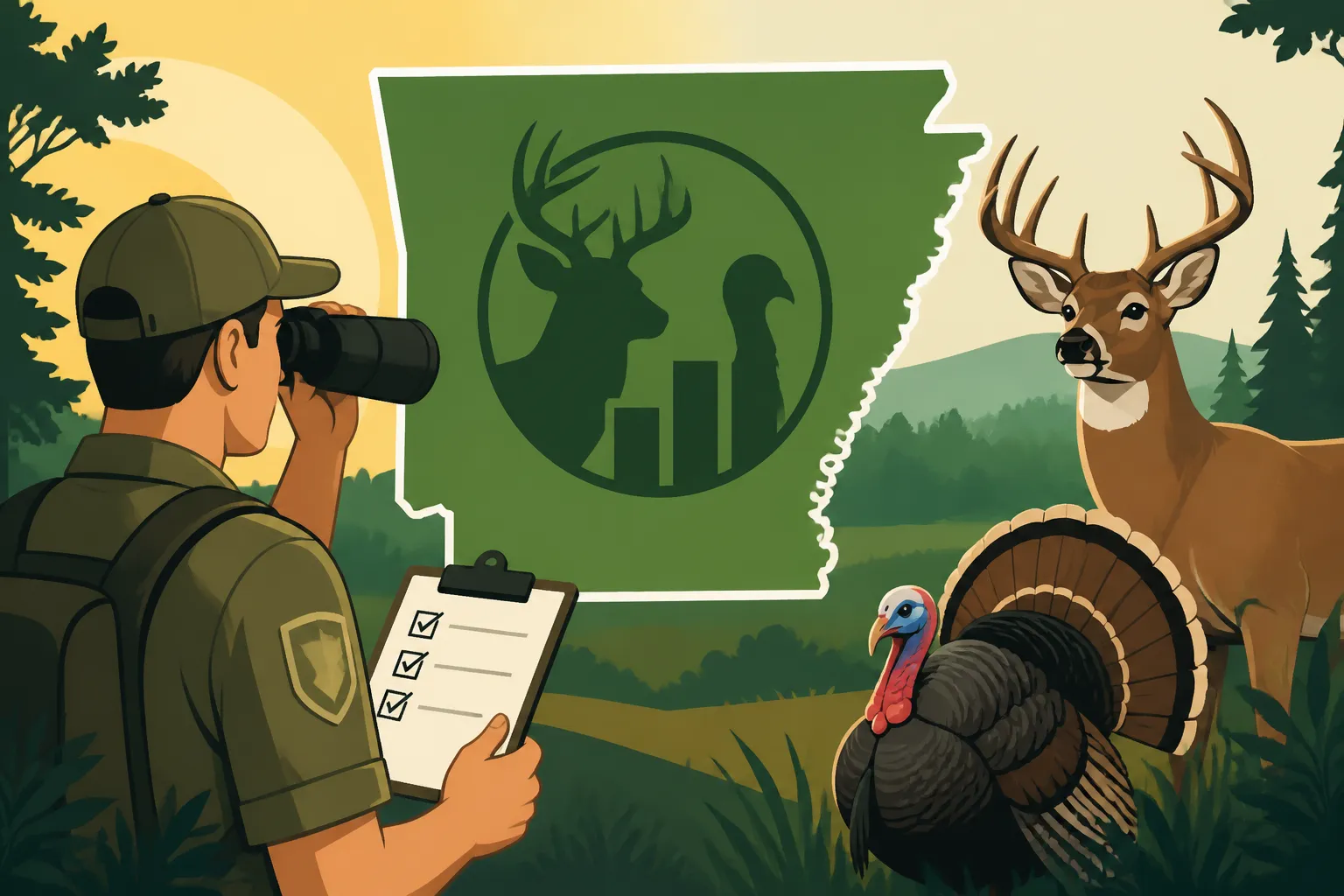
Have you ever found yourself sitting in your treestand, pondering just how the Arkansas Game and Fish Commission (AGFC) knows how many deer are roaming the woods or how many gobblers are strutting their stuff each spring? It's a natural curiosity for any hunter, especially when you see those season dates and bag limits roll out. It often feels like a mysterious, behind-the-scenes operation, but understanding how our wildlife managers gather this vital data can give you a deeper appreciation for the science behind our hunting heritage. This guide will pull back the curtain on the various methods AGFC uses to estimate deer and turkey populations across our beautiful state.
The Foundation of Wildlife Management: Why Counting Matters
Before we dive into the nitty-gritty of how deer and turkeys are counted, let's talk about why it matters so much. Wildlife management isn't just about setting hunt dates; it's a complex balancing act aimed at ensuring healthy, sustainable populations for generations to come. This means understanding trends, identifying potential issues before they become crises, and making informed decisions that benefit both the animals and the hunters who pursue them.
More Than Just Numbers: Understanding Population Health
When AGFC biologists tally deer or turkey numbers, they're not just looking for a raw count. They're trying to gauge the overall health of the population. This involves assessing factors like age structure, sex ratios, fawn recruitment (how many young deer survive to adulthood), and brood success (how many turkey poults make it). For instance, if a deer herd shows a low fawn recruitment rate, it might signal habitat issues or high predator pressure, which could lead to adjustments in antlerless harvest quotas. Conversely, a robust poult-to-hen ratio in turkeys suggests a good breeding year and potentially stronger seasons ahead.
These insights directly influence the regulations we see each year. For example, understanding deer density in the Delta versus the mountainous Ozarks helps define our Arkansas Deer Seasons and Zone Limits, ensuring localized management. Similarly, Arkansas Turkey Seasons and Limits are carefully crafted based on regional turkey population trends. Without these detailed counts, managing the dynamic ecosystems of Arkansas would be like flying blind, leading to potential overharvest or underutilization of a valuable resource.
The Hunter's Role in Data Collection
Here's where you, the hunter, become an indispensable part of the AGFC's data collection efforts. While biologists conduct extensive surveys, the sheer scale of Arkansas's diverse landscapes means they can't be everywhere at once. That's why hunter participation is absolutely critical. Every time you successfully harvest a deer or turkey and check it in, you're providing a valuable data point. This mandatory checking system, whether through the AGFC app, website, or a phone call, isn't just a formality; it's a direct contribution to the overall understanding of our game populations.
Beyond mandatory checking, many hunters participate in voluntary surveys. These might include reporting deer sightings, turkey broods, or even just sharing observations from your time in the field. This "citizen science" approach dramatically expands the geographic reach of data collection. Think about it: a thousand hunters reporting what they see in their specific hunting areas provides a much richer, more nuanced picture than a handful of biologists could ever hope to gather on their own. Our collective data, especially detailed information gathered through systems like the official Arkansas Deer Checking and Tagging and Arkansas Turkey Checking Rules, is fundamental to sound wildlife management.
Deciphering Deer: How AGFC Estimates Whitetail Populations
Deer are notoriously elusive, especially in the dense cover of Arkansas's timber and river bottoms. So, how does AGFC get a handle on their numbers? It's a multi-faceted approach, combining direct observation with powerful statistical analysis, all heavily reliant on hunter input.
Spotlight Surveys and Aerial Reconnaissance
One of the most direct ways AGFC estimates deer density, particularly in more open or accessible areas, is through spotlight surveys. These involve dedicated crews driving established routes at night, using powerful spotlights to illuminate and count deer. This isn't just a random drive; routes are carefully selected and repeated year after year to track trends. By noting the number of deer seen per mile, biologists can extrapolate density estimates for different regions. They also use this opportunity to observe buck-to-doe ratios and fawn presence, which are key indicators of herd health.
While less common for comprehensive deer counts in heavily forested Arkansas due to canopy cover, aerial reconnaissance can play a role in specific situations, often in conjunction with other methods. For instance, thermal imagery from aircraft or drones can sometimes detect deer in more open agricultural areas or clearcuts, providing supplementary data. These methods, though challenging, offer a glimpse into populations that are otherwise difficult to observe directly.
Hunter Harvest Data and Biological Sampling
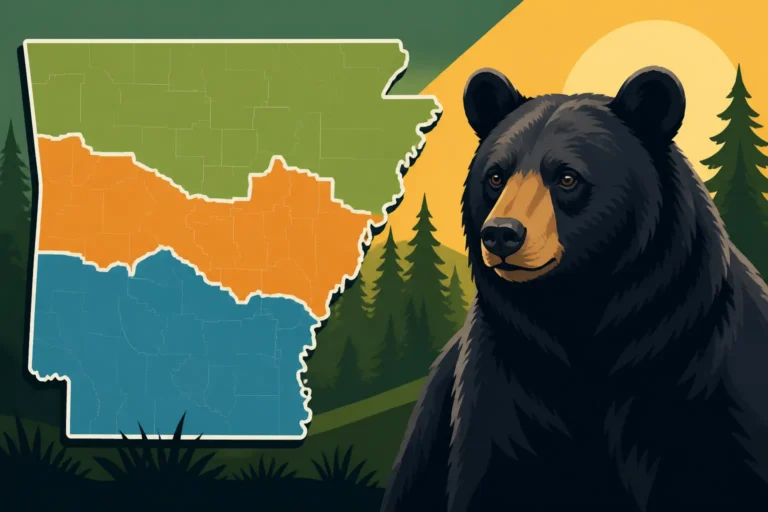
The cornerstone of deer population assessment in Arkansas is without a doubt the hunter harvest data. Every deer checked in provides critical information: the date, county, sex, and whether it was antlered or antlerless. This massive dataset, compiled annually, allows AGFC to track harvest trends over time, identify areas of high and low pressure, and understand how various regulations impact the herd. The Arkansas Deer Zones Explained are crucial here, as harvest data is analyzed specifically within these management units to ensure tailored approaches.
Beyond the basic check-in, biological sampling provides even deeper insights. Hunters are often asked to submit jawbones from harvested deer, which allows biologists to accurately determine the deer's age. This age structure information is vital for understanding herd dynamics, like how many bucks are surviving past their first year and the average age of does in the breeding population. In areas affected by Chronic Wasting Disease in Arkansas, mandatory or voluntary CWD testing of harvested deer also adds another layer of biological data, informing management strategies to control the spread of the disease. Every piece of information, from a simple check-in to a submitted jawbone, paints a clearer picture for AGFC.
Modeling and Statistical Analysis
Gathering raw data is one thing; making sense of it all is another. AGFC biologists employ sophisticated population modeling and statistical analysis to translate all the collected information into actionable management strategies. Imagine taking all the spotlight counts, harvest records, age data, CWD test results, and even hunter observation surveys, and feeding them into a giant analytical engine. That's essentially what happens.
These models use complex algorithms to estimate population size, predict future trends, and simulate the effects of different hunting regulations. They account for variables like birth rates, natural mortality, harvest rates, and disease prevalence. This isn't about guesswork; it's about using scientific principles and robust data to generate the most accurate picture possible. These analyses help AGFC understand, for instance, the impact of the What the Three-Point Rule Did to Arkansas Bucks or how changes in antlerless harvest quotas might affect herd growth in a specific zone. It's a continuous cycle of data collection, analysis, and adjustment, all designed to ensure the long-term health and sustainability of Arkansas's deer herd.
Tracking Turkeys: Methods for Estimating Gobbler Numbers
Wild turkeys, with their secretive habits and wide-ranging movements, present a unique challenge for population estimation. Unlike deer, which can be somewhat predictable around food sources, turkeys roam, making direct counts incredibly difficult. This is why AGFC relies heavily on indirect indicators and hunter reports to keep tabs on our feathered friends.
Brood Surveys: The Heart of Turkey Management
For turkeys, the most crucial piece of the population puzzle comes from brood surveys. These surveys, primarily conducted during the summer months, focus on counting the number of hens and their poults (young turkeys). Biologists and trained volunteers drive established routes, often along rural roads or logging trails, scanning fields and forest edges for turkey families. When a hen and her brood are spotted, the number of poults is recorded.
The data gathered from these Arkansas Turkey Brood Surveys is vital for calculating the "poult-to-hen ratio," which is a direct indicator of reproductive success for that year. A high poult-to-hen ratio suggests a good hatch and strong survival rates for the young, boding well for future turkey populations. Conversely, a low ratio can signal issues like poor nesting conditions, high predation, or unfavorable weather during the critical hatching period. Over time, these ratios help AGFC predict the number of jakes and adult gobblers that will be available for harvest in upcoming seasons.
Gobbling Counts and Hunter Observations
Another important, albeit indirect, method for assessing turkey populations is through gobbling counts. During the spring breeding season, wildlife biologists conduct "gobbling routes" at dawn, stopping at designated points to listen for gobblers. The number of gobbles heard and the direction they come from can provide an index of gobbler density and distribution in an area. This is a subtle but effective way to track the presence and activity levels of breeding males.
Beyond formal surveys, hunter observations are incredibly valuable. Hunters spend countless hours in the woods, especially during the spring, and their reports of gobbling activity, turkey sightings, and successful hunts provide real-time data from a vast geographic area. Sharing your experiences, like noting successful Calling Arkansas Gobblers in the Ozarks or simply reporting a lack of gobbling in a known area, contributes to the overall understanding of how turkeys are faring. While individual reports aren't scientific data on their own, aggregated over many hunters and years, they paint a robust picture.
Harvest Data and Long-Term Trends
Just like with deer, official harvest data from checked turkeys provides a critical endpoint for population analysis. When a hunter checks in a turkey, details like the date, county, and whether it was an adult gobbler or a jake are recorded. This allows AGFC to track the total spring harvest, as well as the proportion of jakes versus adult birds. This helps biologists understand the age structure of the harvest and, by extension, the population.
Analyzing Arkansas Turkey Harvest Numbers over multiple seasons reveals long-term trends. A consistent decline in harvest, even with stable effort, might indicate a population struggling with habitat loss, disease, or predation pressure. Conversely, increasing harvests could signal a rebounding population. These trends, coupled with brood survey data and gobbling counts, guide AGFC in making decisions about season length, bag limits, and specific management actions aimed at improving turkey habitat and fostering population growth.
The Digital Edge: Tools and Technology in Modern Wildlife Counting
While boots on the ground, ear-to-the-wind methods remain fundamental, modern technology has undeniably revolutionized wildlife management. AGFC leverages a suite of digital tools to enhance data collection, analysis, and ultimately, our understanding of Arkansas's game species.
GIS, Satellite Imagery, and Mapping Tools
Geographic Information Systems (GIS) and high-resolution satellite imagery are invaluable resources for wildlife managers. GIS allows biologists to layer vast amounts of spatial data, such as habitat types, land ownership, road networks, and even historical harvest locations, onto detailed maps. This provides a powerful visual tool for understanding how deer and turkey populations relate to their environment. For instance, they can track changes in forest cover, identify prime breeding habitats, or pinpoint areas with high human development that might impact wildlife movement.
Mapping tools, like the AGFC's own online resources, or commercial platforms such as GoHunt, are also fantastic for planning survey routes and analyzing habitat. Biologists can use these tools to identify accessible areas for spotlight surveys or to determine the best locations for setting up listening posts for gobbling counts. Hunters, too, benefit from these advanced mapping capabilities when planning their hunts or reviewing the habitat they frequent. For example, using the Scouting With the AGFC Map Tool allows for precise planning and data observation.
Game Cameras and Advanced Telemetry
Game cameras, once primarily a hunter's scouting tool, are increasingly used by wildlife agencies for population monitoring. By strategically placing cameras in specific grid patterns and deploying them over consistent periods, biologists can conduct "camera trap surveys." These surveys can estimate deer density, calculate buck-to-doe ratios, and even identify individual bucks through unique antler patterns. They offer a non-invasive way to gather data continuously, day and night, without disturbing the animals.
For more in-depth research, advanced telemetry, involving collared animals, provides invaluable insights into individual animal movements, habitat use, and survival rates. While collaring typically focuses on a smaller sample of animals for detailed studies rather than broad population counts, the data gathered (e.g., migration patterns, home range size, causes of mortality) significantly informs broader management strategies that ultimately affect how AGFC manages entire populations.
Citizen Science and Hunter Participation
Even with all the high-tech gadgets, the power of citizen science remains critical. AGFC actively encourages hunters and outdoor enthusiasts to report their observations, fostering a collective effort in wildlife monitoring. Programs like The Arkansas Bowhunter Observation Survey, for example, collect qualitative data from hunters in the field regarding deer sightings, buck age classes, and overall deer activity. This grassroots data provides a ground-level perspective that complements scientific surveys.
Whether it's reporting a healthy turkey brood you saw while fishing, submitting a jawbone from your harvested buck, or simply logging your hunting observations into an app, every piece of information helps. Platforms, including some features on commercial tools like GoHunt, allow hunters to log their sightings and contribute to community-driven data, which can sometimes provide valuable, localized insights. Your eyes and ears in the field are an extension of AGFC's data collection network, helping to ensure the long-term health of Arkansas's deer and turkey populations.
Here's a quick look at some of the primary methods used for counting deer versus turkeys:
| Method | White-Tailed Deer | Wild Turkeys |
|---|---|---|
| Direct Observation | Spotlight surveys, thermal aerial surveys (limited) | Brood surveys (hens and poults), gobbling counts |
| Hunter Data | Mandatory check-in (sex, antler status, county), age via jawbones, CWD testing, hunter observation surveys | Mandatory check-in (jake/gobbler, county), hunter observation surveys |
| Biological Metrics | Sex ratios, age structure, fawn recruitment | Poult-to-hen ratios, brood success, age structure |
| Technology Used | Game cameras, GIS mapping, population modeling | GIS mapping, population modeling |
| Key Indicators | Density, buck-to-doe ratio, recruitment | Reproductive success, gobbler density |
Disclaimer
This article is for general informational purposes only and does not constitute professional advice. Laws, prices and regulations vary by location and change over time. Consult a qualified professional for guidance on your specific situation.