Reporting a Sick Animal in Arkansas
It's a moment that can stop any outdoors enthusiast, hunter, or even just a casual nature lover in their tracks: seeing a wild animal that's clearly sick or injured. You want to help, but you also know that wild animals aren't pets, and intervening can be dangerous or even harmful. This guide is here to walk you through the essential steps for reporting a sick or injured animal in Arkansas, helping you protect both wildlife and yourself, and understanding why your observation truly makes a difference.
Why Reporting Sick or Injured Wildlife Matters in Arkansas
Encountering an animal that seems unwell or hurt can be unsettling. Your first instinct might be to approach it, but it's crucial to understand that your safest and most impactful action often involves reporting it to the right authorities. This isn't just about the immediate well-being of that single animal; it's about safeguarding broader wildlife populations and even public health across the state.
Protecting Wildlife Populations and Public Health
Wildlife diseases are a constant, natural part of ecosystems, but sometimes these diseases can spread rapidly, impact conservation efforts, or even pose a risk to humans and domestic animals. When you report a sick animal, you're providing a critical piece of the puzzle for wildlife biologists and management agencies. For instance, the Arkansas Game and Fish Commission (AGFC) relies on public reports to track potential outbreaks of serious conditions like Chronic Wasting Disease (CWD) in deer and elk, or highly pathogenic avian influenza (HPAI) in waterfowl.
Imagine a scenario where a deer is seen stumbling, disoriented, and emaciated near a popular hiking trail. To the untrained eye, it might just look like a sick deer. But to a wildlife professional, these could be classic symptoms of CWD, a fatal neurological disease that affects cervids. Quick reporting allows the AGFC to investigate, confirm, and implement targeted management strategies to slow the spread. Your call could literally help protect the health of an entire deer herd. It's a proactive step in a complex ecological dance, ensuring that the wild spaces we cherish remain vibrant and healthy. This kind of vigilance is especially important for understanding Chronic Wasting Disease in Arkansas.
Beyond CWD, there are other zoonotic diseases – those that can jump from animals to humans – like rabies, which can manifest in erratic behavior in mammals such as raccoons, foxes, and even deer. A report about an animal acting aggressively or unusually tame can trigger a response that protects not only the animal community but also people and pets in the vicinity. This level of awareness and engagement is a vital component of ongoing Arkansas Wildlife Disease Monitoring efforts. Your observations contribute directly to the overall health data that informs agency decisions, helping prevent widespread issues before they escalate.
Supporting Arkansas Wildlife Management
Every piece of information you provide, no matter how small it might seem, helps the AGFC's wildlife management efforts. They collect data on animal health, population trends, disease prevalence, and environmental factors that affect wildlife. Your report about a sick animal isn't just a one-off event; it's data points that, when compiled, paint a clearer picture of what's happening in Arkansas's diverse landscapes.
Think about it this way: the AGFC works tirelessly to manage game species like deer, turkey, and bear, as well as a myriad of non-game wildlife. To do this effectively, they need a pulse on the health of these populations. A sudden cluster of reports about sick deer in a specific county, for example, might indicate an outbreak of Hemorrhagic Disease (EHD), which is naturally occurring but can cause significant deer mortality during hot, dry periods. Without these public reports, such localized events might go unnoticed for longer, hindering timely assessment and advice for hunters or landowners.
These reports feed into larger scientific studies and population counts. For example, if many turkeys are reported with unusual growths or lesions, it could signal a particular strain of avian pox that might impact reproduction. This information then helps biologists understand if these issues are isolated or part of a broader trend, informing future hunting regulations or habitat improvement projects. It’s all part of the continuous effort involved in How AGFC Counts Deer and Turkeys and ensures sustainable wildlife populations for future generations to enjoy. Your active participation turns you into a valuable, unofficial field agent for conservation, directly contributing to the long-term health and stability of Arkansas’s natural heritage.
How to Report a Sick or Injured Animal in Arkansas
When you come across an animal that appears sick or injured, it’s natural to feel a sense of urgency. However, the most important first step is to prioritize safety – yours, and potentially the animal’s. Rushing in can do more harm than good, both to yourself and to the wildlife you’re trying to help.
Initial Assessment and Safety First
Before you do anything else, pause and assess the situation from a safe distance. Never approach a wild animal, especially one that appears sick, injured, or distressed. Even a small, seemingly docile animal can bite or scratch when it feels threatened, and larger animals, particularly predators like coyotes or bobcats, or even a deer in pain, can become unpredictable and dangerous. Remember, their natural instinct is to protect themselves, and your presence, even with good intentions, can be perceived as a threat.
From a safe distance, take note of several key details. What species is it? Is it an adult or a juvenile? Where exactly is it located (GPS coordinates are ideal, but specific landmarks work too)? What are its symptoms? Is it stumbling, circling, acting disoriented, or exhibiting unusual aggression? Does it have visible injuries, lesions, or discharge? Is it having trouble breathing or moving? Is it unable to use a limb? Observing these things without directly interacting with the animal is crucial. For instance, if you spot a deer with its head tilted, drooling, and acting lethargic, that’s very different from a bird with a broken wing. The more details you can gather safely, the better equipped the authorities will be to respond appropriately. This initial observation phase can be difficult, as our natural inclination is to help, but maintaining distance is paramount for preventing potential exposure to diseases like rabies or aggressive behavior.
Consider the context of the location. Is it in a residential neighborhood, on a busy highway, or deep within a remote wildlife management area? An animal struggling on a highway median might require a different response than one deep in the woods. While it's tempting to think about intervening, the vast majority of situations require professional handling. For instance, a fawn curled up alone might simply be waiting for its mother, not orphaned. Unless it's in immediate, undeniable danger (like on a roadway and you can safely direct traffic until help arrives), or clearly caught in something man-made, keep your distance. Your safety, and the safety of others, always comes first.
Who to Contact and When
Knowing who to call is the next critical step. In Arkansas, the primary agency responsible for wildlife management and disease monitoring is the Arkansas Game and Fish Commission (AGFC). They have dedicated staff—wildlife biologists, enforcement officers, and animal control specialists—who are trained to handle various wildlife situations.
Here’s a breakdown of who to contact:
- Arkansas Game and Fish Commission (AGFC): For most situations involving sick, injured, or dead wildlife that aren't an immediate threat to human safety, the AGFC is your first call. You can find their main office number, regional office contacts, and often an online reporting form on their official website. If you've found a deer exhibiting CWD-like symptoms, for example, reporting directly to the AGFC is the most effective way to trigger an investigation. They are actively involved in programs to monitor and manage Chronic Wasting Disease in Arkansas and other wildlife health issues.
- Local Law Enforcement/Animal Control: If the animal poses an immediate threat to human safety (e.g., a visibly rabid animal in a populated area, an aggressive animal blocking traffic, or a large animal causing a hazard), or if you're in a highly urbanized area, you might also consider contacting your local police department or county animal control. They can often provide a quicker initial response for public safety concerns, especially if it’s outside of AGFC's typical operating hours or immediate jurisdiction in a city.
- Licensed Wildlife Rehabilitators: For truly orphaned or injured non-game animals where there is no immediate public safety threat and the AGFC determines it's appropriate, a licensed wildlife rehabilitator might be an option. These individuals and organizations have the permits and training to care for specific species with the goal of returning them to the wild. However, you should always contact the AGFC first, as they can direct you to appropriate rehabilitators if needed. Attempting to care for wild animals yourself is often illegal and rarely successful.
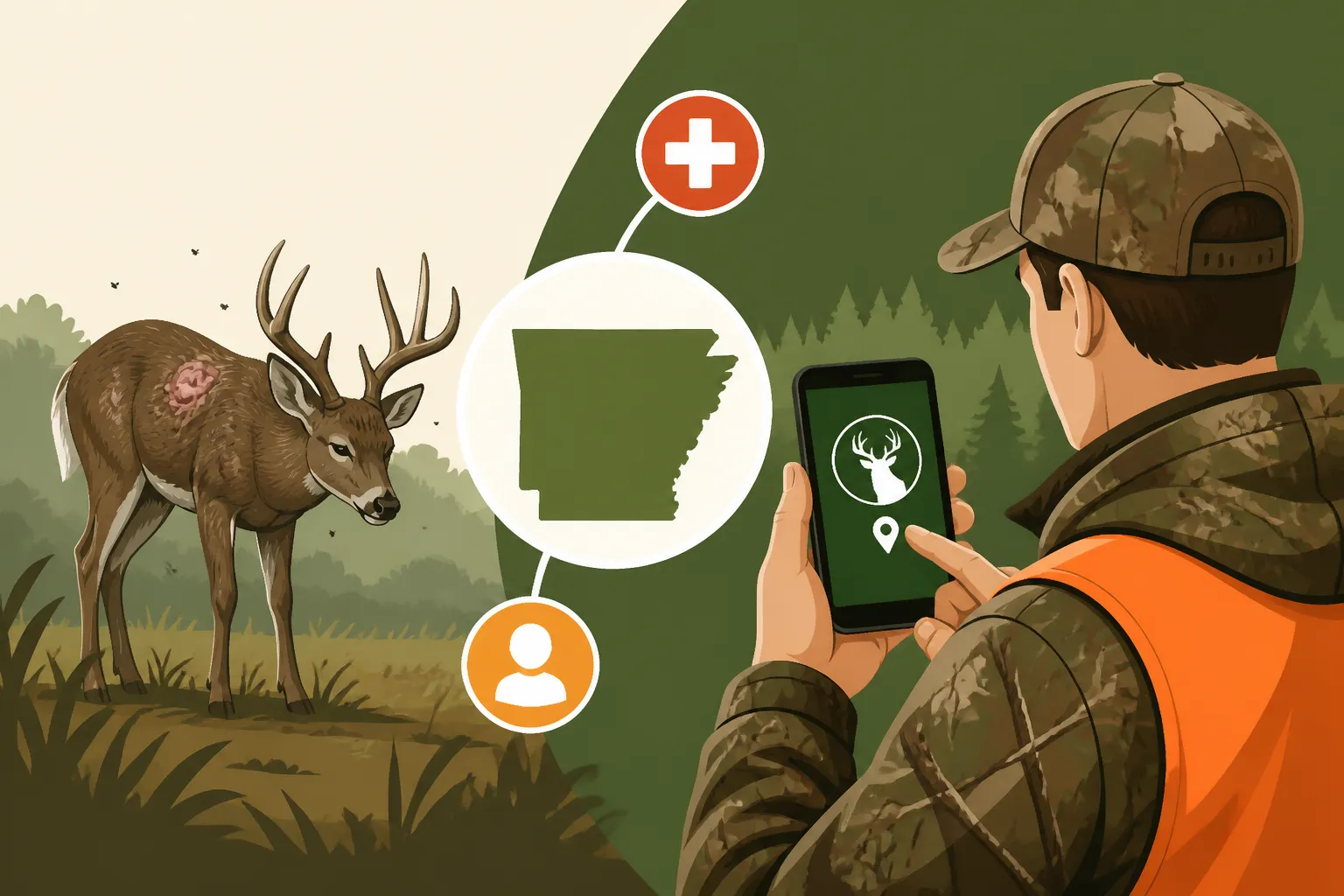
When you make the call, be ready to provide precise location details. This is where tools like GoHunt, or simply your phone's GPS capabilities, become invaluable. A pinpoint location helps responders find the animal quickly and efficiently. Saying "it's by the big oak tree" isn't nearly as helpful as "34.5678, -92.1234 on the west side of Highway 5, about 100 yards south of the Benton sign." The more accurate your location, the faster and more effectively help can arrive, making good use of their limited resources.
What Information to Provide
Once you've made contact, the dispatcher or wildlife official will ask for details. Your ability to provide clear, concise, and accurate information is absolutely essential. Don't be shy about offering every detail you observed, no matter how minor it might seem.
Here's a checklist of information you should be prepared to share:
- Exact Location: This is paramount. Provide GPS coordinates if possible. If not, give specific landmarks: street names, highway numbers, nearest cross-streets, mile markers, property addresses, or identifiable features like "the old barn on Smith Road" or "about 50 yards into the woods behind the convenience store." Use the GoHunt app or your phone’s mapping function to get precise coordinates. It cuts down on search time dramatically for the responding officer.
- Species Identification: Clearly state what kind of animal it is. Is it a white-tailed deer, a coyote, a raccoon, a duck, a squirrel, or something else? If you're unsure, describe it: "a medium-sized furry animal, gray, with a bushy tail."
- Observed Symptoms and Behavior: This is crucial for determining the nature of the problem.
- Physical Signs: Visible injuries (broken limb, open wound), lesions, hair loss, discharge from eyes/nose, emaciation (very thin), labored breathing.
- Behavioral Signs: Stumbling, circling, disorientation, paralysis, unusual aggression (charging, biting, snapping), abnormal tameness (not fleeing from humans), head tilting, excessive drooling, lethargy (unusual stillness or weakness), self-mutilation.
- Date and Time Found: When did you first observe the animal? This helps establish a timeline.
- Your Contact Information: Provide your name and a phone number where you can be reached in case they need further clarification or cannot find the animal.
Let's run through a hypothetical scenario. You're driving down a rural county road, maybe near Hector or Dover, and you spot a deer in a pasture acting very strangely. It's walking in circles, stumbling, and seems completely unaware of your vehicle. It looks extremely thin, and its fur is dull. You pull over safely and, from inside your vehicle, quickly open your GoHunt app, mark your exact location, and take a mental note of the deer's behavior. You then call the AGFC. You'd tell them: "Hi, I'm calling to report a sick deer. I'm on County Road 202, about 1.5 miles west of Highway 27, near a red barn. My GoHunt app shows my coordinates are [insert coordinates]. The animal is a white-tailed deer, adult, in the pasture about 30 yards off the road. It's stumbling, walking in circles, very disoriented, and looks extremely emaciated. I first saw it about five minutes ago." This level of detail makes their job so much easier.
Understanding Common Wildlife Illnesses in Arkansas
When you report a sick animal, it's helpful to have a general idea of what wildlife officials might be looking for. Arkansas, like any state, has its share of wildlife diseases, some of which are more concerning than others due to their impact on populations or potential risk to humans.
Chronic Wasting Disease CWD
Chronic Wasting Disease (CWD) is perhaps one of the most significant wildlife health challenges facing Arkansas today, particularly for deer and elk populations. It's a progressive, fatal neurological disease that affects cervids (deer, elk, moose). It's caused by abnormal proteins called prions. Once an animal is infected, there is no treatment or cure, and it will inevitably die.
Symptoms of CWD can include extreme weight loss (wasting), stumbling, lack of coordination, listlessness, excessive drooling, increased thirst and urination, and behavioral changes such as a lack of fear of humans. These signs typically become noticeable in the late stages of the disease. While CWD is not known to affect humans, it's always recommended to avoid consuming meat from CWD-positive animals and to take precautions when handling any wild game. The AGFC has established CWD Management Zones in various counties and has specific rules regarding carcass transport and testing, especially relevant for hunters. This is why reporting an animal suspected of having CWD is so vital for monitoring its spread and managing its impact on both wild deer populations and CWD in the Arkansas Elk Herd. Understanding Arkansas CWD Management Zone Rules is key for hunters and landowners alike.
Other Diseases of Concern
Beyond CWD, Arkansas wildlife can be affected by a range of other diseases, some common, some rarer, but all important to monitor.
- Hemorrhagic Disease (EHD/Bluetongue): This is a common viral disease in deer, particularly prevalent in late summer and early fall during periods of drought. It's transmitted by biting midges (no-see-ums). Symptoms include fever, swelling of the head, neck, tongue, and eyelids, and lesions in the mouth. Deer often become lethargic, lose their appetite, and may seek water sources to cool down, sometimes dying near ponds or streams. While EHD can cause significant localized die-offs, it typically doesn't have the long-term population impact of CWD, as many deer develop immunity. You might hear reports of EHD Die-Offs in Arkansas Deer during certain years, showing why public reporting is so valuable.
- Rabies: This is a viral disease that affects the nervous system of mammals, including humans. It’s almost always fatal once symptoms appear. Animals infected with rabies can exhibit a wide range of behaviors, from unusual aggression (the "furious" form) to lethargy and paralysis (the "dumb" form). Common carriers in Arkansas include bats, skunks, foxes, and raccoons, but any mammal can contract it. If you see a wild animal acting aggressively, disoriented, or unnaturally tame, especially during the daytime for nocturnal animals, assume it could be rabid and maintain extreme distance, then report it immediately.
- Avian Flu (Highly Pathogenic Avian Influenza – HPAI): This viral infection primarily affects birds. While some strains are low pathogenic, others are highly pathogenic and can cause severe illness and death in domestic poultry and wild birds, particularly waterfowl. Symptoms in birds can include neurological signs (tremors, twisted neck), respiratory distress, swelling of the head and wattles, and sudden death. It's a concern for poultry farmers and can also be transmitted to humans in rare instances. Reports of multiple sick or dead wild birds in an area are important for the AGFC and other agencies to track.
- Sarcoptic Mange: This is a skin disease caused by microscopic mites that burrow into the skin, causing intense itching, hair loss, and thickened, crusty skin. While not typically fatal on its own, severe cases can lead to secondary infections, emaciation, and death due to exposure or inability to hunt effectively. Coyotes, foxes, and bears are commonly affected by sarcoptic mange. While unsightly, it's generally not a public health risk, but reporting helps monitor wildlife health.
What Happens After You Make a Report
You've done your part by making the report—now what? It's a common question, and understanding the process can manage expectations and reinforce the importance of your role.
AGFC Response and Prioritization
When you report a sick or injured animal to the AGFC, it enters a system. Wildlife professionals assess the information you provide and determine the appropriate response based on several factors, including:
- Public Safety Threat: Reports involving potential rabies or aggressive animals in populated areas receive immediate priority. The safety of the public and domestic animals always comes first.
- Disease Significance: Reports related to CWD, HPAI, or other diseases with significant population-level impacts or human health risks are prioritized for investigation and potential sampling.
- Location and Accessibility: An animal in a readily accessible area might get a quicker response than one deep in a remote wilderness, simply due to logistics.
- Species Involved: The AGFC has different protocols for various species. A report about a sick deer might be handled differently than a bird with a broken wing.
- Resource Availability: The AGFC, like any agency, has limited staff and resources. They can't respond to every single report with immediate on-site investigation. They must prioritize based on the severity and implications of the situation.
It's important to understand that not every report will result in a rapid, visible intervention. Sometimes, the animal may have moved on, or the situation may not warrant an immediate field response based on their assessment of the risk or disease implications. For instance, if you report a single squirrel with a minor injury, they might log the report but not dispatch an officer unless there's a broader pattern of similar reports. Your report still contributes to their data, even if direct intervention isn't immediately possible. They might be tracking patterns across the state, using these individual reports to form a larger picture of Arkansas Deer Population Estimate or other species health trends.
Your Role in the Process
Even if you don't see an immediate response, your report is valuable. It helps the AGFC identify emerging issues, track disease spread, and make informed management decisions that protect Arkansas's wildlife heritage. Think of it as being an extra set of eyes and ears for the wildlife professionals who can't be everywhere at once.
If you report an animal and don't hear back, or if the situation seems to escalate, you can always follow up with the AGFC. Provide your initial report details, and they can check on its status. Just remember that their workload can be heavy, especially during peak seasons or disease outbreaks. The key is to be a responsible and observant citizen, providing the best information you can, and trusting the professionals to act according to their protocols and expertise. You're a vital part of the state's conservation efforts, helping to ensure the health and vitality of our wild neighbors. Your careful observation helps keep all of us safer and contributes to the overall success of Arkansas Wildlife Violation Penalties and monitoring programs, helping officials determine if an issue is natural or potentially caused by human activity.
| Situation | Who to Contact | Priority Level | Key Information to Provide |
|---|---|---|---|
| Deer/Elk with CWD symptoms (wasting, stumbling, lethargy) | AGFC | High (Disease Monitoring) | Exact location (GPS), detailed symptoms, species, date/time found. |
| Animal (any mammal) acting aggressively or unnaturally tame (potential rabies) | AGFC, Local Law Enforcement/Animal Control | Critical (Public Safety) | Exact location, aggressive/unusual behavior, species, date/time, potential human/pet contact. |
| Multiple sick or dead birds (potential Avian Flu) | AGFC | High (Disease Monitoring, Environmental Impact) | Exact location, species, number of animals, observed symptoms. |
| Deer with EHD symptoms (seeking water, swollen tongue/head) | AGFC | Medium (Population Health) | Exact location, symptoms, species, number of affected animals. |
| Injured small non-game animal (e.g., bird with broken wing, orphaned squirrel) | AGFC (may refer to rehabilitator) | Low (Individual Animal Welfare) | Exact location, specific injury, species, if orphaned (confirm no parent present). |
| Dead animal on private property (not suspicious) | AGFC (for data), or local animal control/waste removal | Low (Disposal responsibility, Data collection) | Exact location, species. |
| Any animal posing an immediate traffic hazard | Local Law Enforcement (Sheriff/Police) | Critical (Public Safety) | Exact location, type of hazard, species. |
Disclaimer
This article is for general informational purposes only and does not constitute professional advice. Laws, prices and regulations vary by location and change over time. Consult a qualified professional for guidance on your specific situation.