Small Game and Squirrel Hunting in Arkansas
It's easy to get swept up in the pursuit of big game in Arkansas – the deer rut, the spring gobblers, even the elusive black bear. But sometimes, we overlook the incredible opportunities right under our noses, the kind of hunting that connects us to simpler traditions and offers consistent action. If you've ever felt intimidated by the perceived complexity of deer season or just want to introduce a new hunter to the woods without the pressure of a trophy animal, small game hunting, especially for squirrels and rabbits, is your perfect entry point. This comprehensive guide will walk you through everything you need to know to get started, from understanding the species and their habitats to essential gear, effective tactics, and navigating Arkansas's regulations.
Why Small Game Hunting Matters in Arkansas
Hunting for small game often gets overshadowed by the glamour of deer and turkey seasons, but it holds a special place in the heart of Arkansas's hunting heritage. It's accessible, often less physically demanding, and provides fantastic opportunities to hone your woodsmanship skills without the intense pressure associated with chasing larger animals. For many of us, it's where we first learned to hunt.
Beyond the Big Game Craze: A Different Kind of Challenge
While filling a deer tag or calling in a stubborn gobbler is incredibly rewarding, the rhythm of a small game hunt offers a distinct and equally fulfilling challenge. You're not waiting hours in a frigid blind for one fleeting chance; instead, you're actively moving, scouting, and reacting. It’s a fast-paced game of observation and precision. The sheer abundance of squirrels and rabbits across Arkansas means more opportunities for interaction, which in turn means more chances to practice your shot placement, understand animal behavior, and refine your stealth in the woods. This type of hunting keeps you engaged and constantly learning. It also forces you to pay attention to the little details – the flick of a squirrel's tail, the rustle in the leaves from a rabbit, or the unique calls of different birds.
The Tradition of Bushytails and Bunnies
For generations in Arkansas, squirrel and rabbit hunting weren't just pastimes; they were vital for putting food on the table. Grandparents taught their grandkids to identify acorn trees, track rabbit signs in the snow, and move silently through the timber. These traditions are still alive and well, offering a wonderful way to connect with the past and pass on skills to the next generation. There's a deep satisfaction in harvesting a meal that you've personally pursued, cleaned, and cooked. It's also a fantastic way to spend quality time outdoors with family and friends, teaching patience, gun safety, and respect for nature. Many of us have fond memories of crisp fall mornings or frosty winter days, accompanied by the excited barks of a squirrel dog or the baying of beagles on a rabbit trail.
Getting Started: Low Barrier to Entry
One of the most appealing aspects of small game hunting is how easy it is to get into. You don't need a massive budget for specialized gear or a sprawling private land lease. A simple .22 rifle or a 20-gauge shotgun, some comfortable boots, and a willingness to walk are often all you need. Many public lands in Arkansas offer excellent small game opportunities, meaning you don't have to worry about securing exclusive access. This accessibility makes it ideal for new hunters, youth hunters, or anyone looking for a more relaxed and budget-friendly way to enjoy the hunting season. Plus, the longer seasons for squirrels and rabbits mean you have plenty of chances to get out there, often starting well before deer season heats up.
Understanding Arkansas Small Game Species and Their Habitats
Before you can effectively hunt small game, you need to understand the animals themselves: what they eat, where they live, and how they behave. Arkansas is home to several popular small game species, but squirrels and rabbits are the undisputed champions when it comes to consistent hunting action.
Squirrels: The Nimble Acorn Eaters
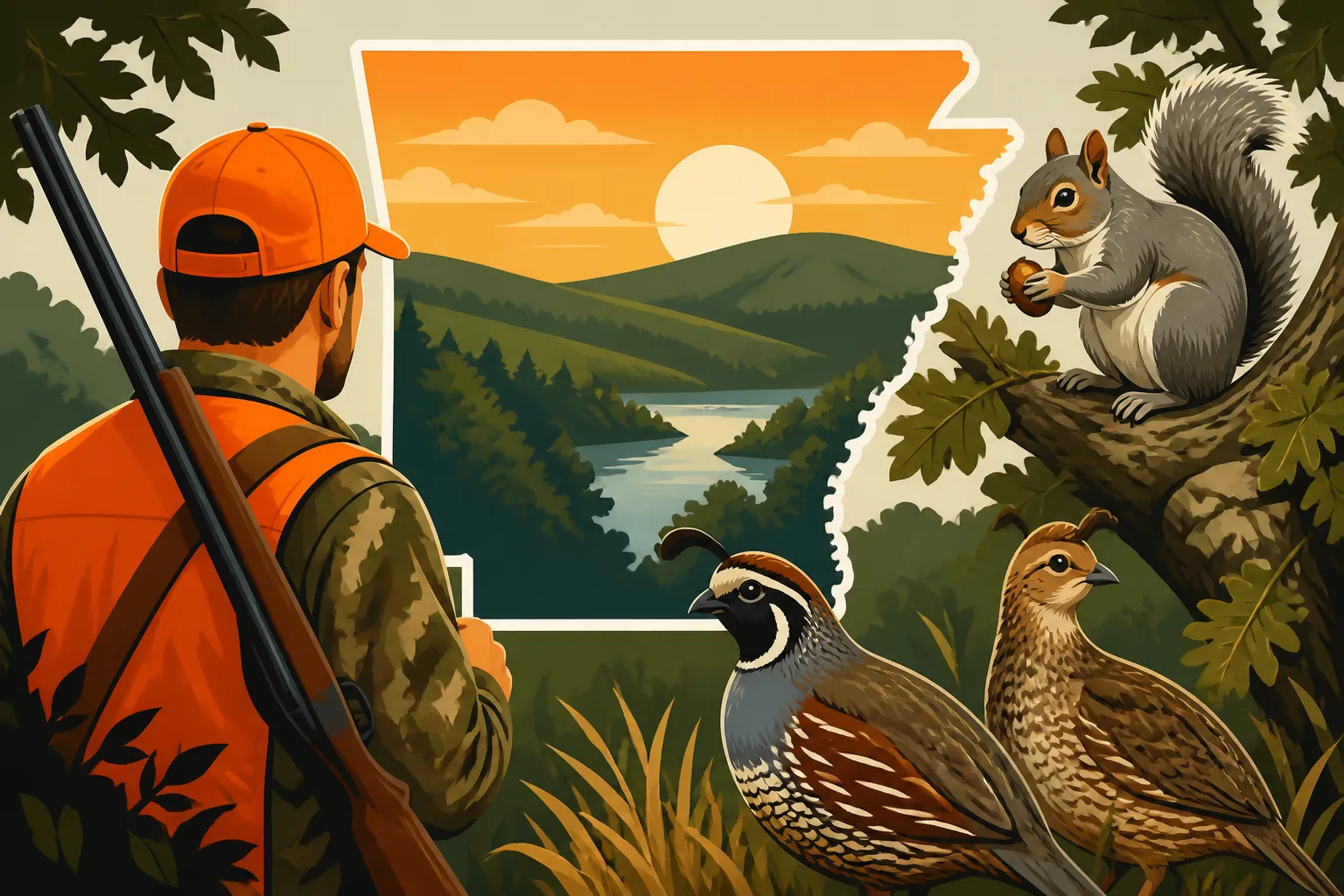
In Arkansas, you'll primarily be chasing two species of squirrels: the abundant gray squirrel and the larger, often more solitary, fox squirrel. Gray squirrels are smaller, usually found in dense hardwood forests, and are incredibly agile, often chattering loudly from high branches. Fox squirrels, on the other hand, prefer more open woodlands, often near agricultural fields, and tend to be a bit more ground-dwelling. Both are primarily driven by food sources.
They thrive in mature hardwood forests, particularly those with a good mast crop. Think oak, hickory, and pecan trees. These trees provide the acorns, nuts, and seeds that are their primary diet. You'll find them active from dawn until mid-morning and then again in the late afternoon, especially on calm, clear days. On windy days, they tend to hunker down. When scouting for squirrels, look for "cuttings" – bits of nut shells on logs, stumps, or the forest floor. These are clear signs that squirrels are actively feeding in the area. Look up into the canopy for nests or "dreys" – large leafy balls where they sleep and raise their young. Pay attention to den trees with holes that squirrels use for shelter, especially during inclement weather. For a deeper dive into their habits, check out our guide on Squirrel Hunting Arkansas Hickories.
Rabbits: Brush Piles and Cottontails
The most common rabbit species you'll encounter in Arkansas is the ubiquitous cottontail rabbit. These little dynamos are masters of camouflage and speed, preferring thick cover, brush piles, briar patches, fencerows, and the edges of fields. They are not forest dwellers like squirrels but instead prefer transitional zones where dense cover meets open areas for feeding.
Cottontails are herbivores, munching on a variety of grasses, clover, and young shoots. They are most active during dawn and dusk, but can be pushed out of cover throughout the day. When hunting rabbits, focusing on areas with dense, thorny vegetation is key. Think about old logging roads lined with blackberry bushes, abandoned farmsteads with overgrown outbuildings, or young pine plantations with thick undergrowth. Look for droppings and well-used "runs" or trails through the dense cover. Rabbits will often use these same escape routes repeatedly, making them predictable in certain situations. They rely heavily on their sense of hearing and smell, and will freeze or dart into the nearest cover at the first sign of danger. Understanding their preferred habitat is crucial for a successful rabbit hunt.
Other Small Game: Quail, Dove, Crow, and More
While squirrels and rabbits get most of the attention in Arkansas small game circles, there are other exciting opportunities. Bobwhite quail, though their populations have faced challenges, can still be found in pockets of suitable habitat, particularly managed grasslands and open pine savannas. Dove hunting in Arkansas, especially during the early season, offers fast-paced wingshooting over cut agricultural fields. Crows, often considered pests, provide excellent year-round hunting opportunities to improve your calling and shotgun skills. Additionally, species like woodcock and snipe offer unique migratory bird hunting experiences in specific habitats. Each of these species presents its own set of challenges and rewards, adding variety to your small game pursuits. Our article on Small Game Seasons and Limits provides a great overview of these diverse opportunities.
Essential Gear for Arkansas Small Game Hunters
One of the beauties of small game hunting is that you don't need to break the bank for specialized equipment. However, having the right gear can significantly enhance your comfort, safety, and success in the field. Let's talk about the essentials.
Firearms and Ammunition Choices
For squirrels, a .22 caliber rifle is a classic choice. It's accurate, quiet, and economical. A .22 long rifle round is perfect for headshots, preserving meat. Many hunters also opt for a .17 HMR for flatter trajectory and increased range. If you prefer a shotgun, a 20-gauge or even a .410 loaded with smaller shot (like 6 or 7.5) works well, especially if you're hunting in thick timber where shots might be closer or quicker. For rabbits, a 12 or 20-gauge shotgun with 6 shot is generally preferred, as it provides a wider pattern for fast-moving targets. Some dedicated rabbit hunters still use .22 rifles for precise shots on still rabbits, but a shotgun offers a clear advantage in dense cover. Always practice with your chosen firearm before the season to ensure proficiency and ethical shots. Remember to always carry sufficient ammunition, but avoid overpacking; a box or two is usually plenty for a day's hunt.
Clothing, Boots, and Safety Gear
Comfort and safety are paramount. For clothing, layers are your friend in Arkansas's often unpredictable weather. Start with a moisture-wicking base layer, add insulating layers, and top it off with a waterproof/windproof outer shell. Camouflage patterns can be helpful for squirrels, but for rabbit hunting, where you're often moving through thick brush, durability is more important. Heavy-duty briar pants or chaps are a lifesaver, protecting you from thorns and dense vegetation. For safety, bright hunter orange is often required on public lands during deer season, even if you're hunting small game. Always check current regulations, but wearing orange is a smart choice regardless, ensuring you're visible to other hunters.
Good quality, waterproof boots are non-negotiable. You'll be covering ground, potentially crossing wet areas, and scrambling over uneven terrain. Look for boots with good ankle support and aggressive tread. A comfortable backpack or game vest is also essential for carrying extra ammo, water, snacks, a first-aid kit, and of course, your harvested game. A sharp knife for field dressing, a compass or GPS (like the GoHunt app which can help track your path and mark spots), and a flashlight, even for a day hunt, are always good to have. Our guide on Arkansas Hunter Orange Rules can help clarify the specific requirements for visibility.
Hunting Dogs: Man's Best Friend in the Briar Patch
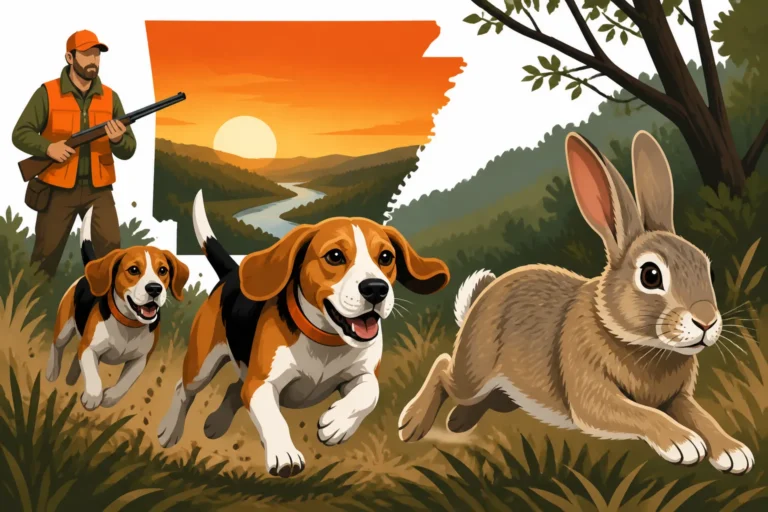
For many, small game hunting is synonymous with hunting with dogs. A good squirrel dog, usually a cur or feist breed, can transform a slow still-hunt into an action-packed chase. These dogs are trained to locate squirrels, bark "treed," and keep the squirrel's attention, allowing the hunter to get into position for a shot. For rabbits, beagles are the undisputed champions. Their keen noses and melodious baying as they track a rabbit through thickets add an incredible dimension to the hunt. A well-trained pack of beagles can consistently push rabbits out of cover, providing exciting shooting opportunities.
Hunting with dogs not only increases your success rate but also adds an immense amount of enjoyment to the experience. It’s a true partnership, and watching a dog work is a privilege. However, training and maintaining hunting dogs require significant time and commitment. Before heading out, ensure your dogs are in good health, properly vaccinated, and accustomed to working in the field. Always be mindful of dog safety, especially around roads and other hunters. If you're considering a rabbit hunt with dogs, our detailed article on Rabbit Hunting With Beagles is an excellent resource.
Mastering Hunting Tactics for Arkansas Squirrels
Squirrel hunting in Arkansas offers a blend of tranquil woodsmanship and sudden bursts of action. Depending on your preference and the terrain, you can employ different tactics to put squirrels in the pot.
Still-Hunting the Hardwoods
Still-hunting is perhaps the most traditional and rewarding method for squirrels. It involves moving slowly and deliberately through the forest, pausing frequently to observe and listen. The key is stealth. Take a few steps, then stop for several minutes, scanning the trees and forest floor with your eyes and ears. Look for any movement, a flick of a tail, or the tell-tale chewing sounds of a squirrel cracking a nut. This method is particularly effective in mature hardwood stands, especially during the early morning when squirrels are most active.
When still-hunting, always try to move into the wind to keep your scent from reaching the squirrels, and pay attention to thermals, especially in the Ozark ridges. Use natural cover to break up your outline, and keep the sun at your back if possible to minimize glare for you and maximize it for the squirrels. The slower you go, the more you'll see. Don't be afraid to sit down against a tree for 10-15 minutes in a promising area, letting the woods settle around you. Many times, squirrels that initially spooked will resume their activity if you remain still and quiet. This method requires patience but is a fantastic way to sharpen your observational skills and learn the subtle rhythms of the forest.
Sitting and Waiting: Ambush Tactics
If still-hunting isn't your speed, or if you've found a particularly productive area, a sitting and waiting tactic can be highly effective. This involves finding a good vantage point near a high-traffic squirrel area – perhaps a cluster of heavy mast-producing oaks, a well-used den tree, or a natural travel corridor between feeding and bedding areas. Set up quietly before dawn or in the late afternoon, conceal yourself, and remain motionless.
The beauty of this method is its simplicity and focus. You're letting the squirrels come to you. Pay close attention to the canopy, but also scan the ground as fox squirrels often forage there. A good pair of binoculars can be invaluable for spotting squirrels at a distance without making too much movement. Sometimes, a gentle "bark" call can pique a squirrel's curiosity and cause it to stop moving or reveal itself. This strategy works exceptionally well during the peak of the mast crop when squirrels are concentrated around specific food sources. A good map tool, like GoHunt, can help you identify dense oak groves or hickory bottoms where you can set up a productive ambush.
Using Squirrel Dogs for High Action
For hunters who love a fast-paced, interactive experience, squirrel hunting with a dog is hard to beat. A well-trained squirrel dog is a game-changer. The dog works ahead, sniffing out and listening for squirrels. Once a squirrel is located, the dog "trees" it, barking excitedly to pinpoint its location and keep its attention. This allows the hunter to approach, locate the squirrel in the tree, and take a shot.
The dynamic between hunter and dog is a true partnership. You follow the dog, watching its body language, and then work to get a clear shot once it's treed. This method is especially useful in dense timber where spotting squirrels can be difficult, or for covering a lot of ground quickly. It also offers a higher success rate for many hunters. The energy and enthusiasm of a good squirrel dog are contagious, making for a truly memorable hunt. Remember to bring plenty of water for your dog, especially on warmer days, and always keep an eye on their safety in challenging terrain. Our detailed guide on Squirrel Hunting Arkansas Hardwoods offers further insights into this exciting pursuit.
Effective Strategies for Hunting Arkansas Rabbits
Rabbit hunting in Arkansas is a fantastic way to enjoy the cooler months, offering plenty of action and opportunities for group hunts. The key to success often lies in understanding how rabbits use cover to their advantage.
Beagles and Brush Piles: The Classic Rabbit Hunt
Without a doubt, the most iconic and effective way to hunt rabbits in Arkansas is with a pack of beagles. These dogs are bred for their incredible noses and relentless pursuit of rabbits. When a beagle strikes a scent, it lets out a distinct bay, and the chase is on. Rabbits, when pressured by dogs, typically run in circles, eventually returning to or near their original starting point or a familiar piece of cover. This predictable behavior allows hunters to position themselves strategically.
Hunters often spread out around dense brush piles, briar thickets, or fencerows where the dogs have jumped a rabbit. The dogs will push the rabbit through the cover, and as it breaks into the open, hunters have an opportunity for a shot. The sound of the beagles working is half the fun, a symphony of baying that signals the rabbit's progress. Safety is paramount when hunting with a group and dogs; always know where your hunting partners and dogs are located, and only take clear, safe shots. It's truly a social and exhilarating hunt. If this sounds like your kind of action, our guide on Running Deer Dogs in Arkansas might not be for rabbits, but it can give you an idea of the joy and strategy of hunting with hounds, which translates well.
Stomping and Kicking Through Cover
If you don't have access to beagles or prefer a more active, solitary hunt, "stomping" or "kicking" through heavy cover is a viable strategy. This involves physically walking through dense brush, briar patches, and overgrown fields, intentionally flushing rabbits from their hiding spots. As you push through the cover, rabbits will often burst out unexpectedly, providing a quick, challenging shot.
This method is physically demanding but can be very productive, especially in areas where rabbits are abundant. Focus on the thickest, nastiest cover you can find – places you might not even want to walk through. Rabbits feel secure in such places and will hold tight until the very last second. Be ready for action at all times; a rabbit can explode from underfoot when you least expect it. A good pair of briar-proof pants and tough boots are essential for this kind of hunting. This strategy also works well with a small group of hunters, where you can form a line and push through cover together, driving rabbits out for each other.
Winter Tactics in Dense Thickets
Winter is often the prime time for rabbit hunting in Arkansas, especially after a good hard frost or a light snow. The sparse vegetation makes it easier to spot rabbits, and their tracks are more visible, helping you identify prime areas. During cold weather, rabbits tend to hunker down in the densest, warmest cover they can find – thickets that offer protection from both predators and the elements.
Focus your efforts on evergreen briar patches, honeysuckle thickets, dense cedar groves, and brush piles that offer overhead cover. These areas become thermal refuges for rabbits. On snowy days, fresh rabbit tracks leading into these dense areas are a dead giveaway. The lack of foliage also makes it easier to spot rabbits as they run, and to get a clearer shot. Hunting after a recent rain or during a light drizzle can also be productive, as rabbits tend to move more during damp conditions. Remember to stay warm, as winter hunts can be long and cold, but the rewards are often well worth it.
Navigating Seasons, Limits, and Regulations in Arkansas
Understanding the rules and regulations set by the Arkansas Game and Fish Commission (AGFC) is critical for a safe, ethical, and legal small game hunt. Ignorance of the law is never an excuse, so take the time to familiarize yourself with the current guidebooks.
Key Dates and Bag Limits for Squirrels and Rabbits
Arkansas offers generous seasons for small game, often starting in early fall and running through late winter, providing ample opportunity to get out in the woods. Squirrel season typically opens in early fall, usually around September 1st, and can run through the end of February. The daily bag limit is generally 12 squirrels per hunter, with a possession limit of 48. Rabbit season usually opens a little later, often in early September or October, and also runs through late February. The daily bag limit for rabbits is typically 8, with a possession limit of 16. These long seasons are one of the biggest draws for small game hunters, as they allow for flexible scheduling and multiple trips.
It's absolutely crucial to consult the current Arkansas Game and Fish Commission Hunting Guidebook each year, as dates and limits can occasionally change. You can usually find these online or pick up a physical copy wherever hunting licenses are sold. Always double-check the specific dates for the zone you plan to hunt, as some public lands may have slightly different or restricted seasons.
| Species | Typical Season Dates (Approx.) | Daily Bag Limit | Possession Limit | Notes |
|---|---|---|---|---|
| Gray & Fox Squirrel | Sept 1 – Feb 28 | 12 | 48 | Check current AGFC dates annually. |
| Cottontail Rabbit | Sept 1 – Feb 28 | 8 | 16 | Check current AGFC dates annually. |
Disclaimer: These dates and limits are approximate and subject to change annually by the Arkansas Game and Fish Commission. Always consult the official AGFC Hunting Guidebook for the most current regulations before hunting.
Understanding Hunter Education and License Requirements
Before you can legally hunt small game in Arkansas, you'll need the appropriate licenses and, depending on your age and experience, hunter education certification. All residents and non-residents, unless specifically exempt (e.g., landowners hunting on their own property), are required to have a valid Arkansas hunting license. For small game, a basic resident or non-resident annual hunting license is typically sufficient. Migratory bird hunters (like for doves) will also need an Arkansas Migratory Bird Stamp and Federal Duck Stamp.
Hunter education is mandatory for anyone born on or after January 1, 1969, who wishes to hunt in Arkansas. There are some deferral options, but generally, it's best to get certified. The courses cover essential topics like firearm safety, wildlife identification, hunting ethics, and game laws, ensuring that new hunters are responsible and safe in the field. Even if you're exempt, taking a hunter education course is highly recommended. Our article on Who Must Take Arkansas Hunter Education provides all the details you need to get certified. Always carry your license and any required stamps with you while hunting. You can purchase licenses online through the AGFC website or at most sporting goods stores and bait shops. For a comprehensive look at what you need, refer to Arkansas Hunting Licenses and What They Cost.
Public Land Access and Specific WMA Rules
Arkansas boasts a significant amount of public hunting land, including national forests and numerous Wildlife Management Areas (WMAs) managed by the AGFC. These areas often provide excellent opportunities for small game hunting. However, each WMA can have its own specific rules and regulations that might differ from statewide guidelines. These could include specific open dates, restrictions on vehicle use, or even methods of take.
Always check the AGFC website or the WMA-specific regulations section of the current hunting guidebook before heading out. Tools like the AGFC interactive map or hunting apps like GoHunt can be incredibly helpful for identifying public land boundaries, WMA rules, and access points. Some WMAs may require a WMA general use permit in addition to your regular hunting license. Familiarize yourself with parking areas, designated hunting zones, and any areas that might be closed to hunting. Respecting these rules not only keeps you legal but also helps preserve these valuable resources for everyone. Our guides on Public Hunting Land in Arkansas and Arkansas Wildlife Management Areas offer extensive information on accessing and utilizing these incredible resources.
Finding the Best Small Game Hunting Spots in Arkansas
Arkansas offers a diverse landscape, from the rugged Ozark mountains to the flat Delta farmlands, all of which can hold excellent small game opportunities. Knowing where to look is half the battle.
National Forests and Wildlife Management Areas (WMAs)
Arkansas is home to significant tracts of public land managed by the U.S. Forest Service and the AGFC, which are prime locations for small game hunting. The Ozark and Ouachita National Forests, in particular, offer vast expanses of hardwood timber, perfect for squirrels. These forests are managed for multiple uses, including hunting, and often have designated areas for different activities. Look for areas with a high density of mast-producing trees like oaks and hickories, particularly along creek bottoms or on benches and saddles where squirrels tend to travel. The AGFC's interactive map is an invaluable tool for scouting these areas from home.
WMAs are managed specifically for wildlife and hunting. Many WMAs in the Delta region, while famous for duck hunting, also provide excellent rabbit hunting in their edge habitats, fencerows, and areas of dense regenerating vegetation. Upland WMAs in the Ozarks and Ouachitas will have more squirrel opportunities. Always check the specific regulations for the WMA you plan to visit, as rules can vary greatly. Some WMAs might have restricted access, special permit requirements, or specific closed areas. Our detailed guides on Ouachita National Forest Hunting and Ozark National Forest Hunting can give you a head start on exploring these massive public areas.
Asking for Private Land Access
While public lands are a fantastic resource, don't overlook the potential of private land, especially for rabbits. Farmers and landowners often view rabbits and squirrels as agricultural pests, and many are receptive to hunters who respectfully ask for permission. The key here is "respectfully." Approach landowners well in advance of the season, dressed neatly, and be prepared to introduce yourself and explain your intentions. Offer to share some of your harvest or help with small chores around the property.
Be clear about what you intend to hunt and when. Always leave gates as you found them, avoid driving on wet fields, and leave no trash behind. Building a good relationship with a landowner can open up tremendous opportunities for years to come. Many of the best rabbit spots are found on private farms with overgrown fencerows, abandoned barns, and brushy field edges that public lands often lack. Our comprehensive guide on Getting Private Land Permission in Arkansas offers excellent tips for successfully securing access.
Identifying Prime Habitat on Topographic Maps and Apps
Modern technology has revolutionized scouting, even for small game. Before you even step foot in the woods, you can do a lot of homework using topographic maps and hunting apps. Apps like GoHunt, OnX Hunt, or the AGFC's own mapping tools allow you to identify key habitat features from your computer or phone. Look for areas marked with dense hardwood forests (for squirrels) or power lines, field edges, and clearcuts (for rabbits).
Topographic maps can reveal creek bottoms, saddles, and ridges that act as natural travel corridors or preferred bedding areas. Identify south-facing slopes, which warm up faster in winter and can attract rabbits looking for sun. For squirrels, locate large blocks of mature timber, especially areas with multiple oak species. Look for different habitat transitions – where a field meets a forest, or a pine plantation meets a creek bottom – as these "edge" habitats are often magnets for wildlife. Use these tools to plan your approach, identify potential parking spots, and mark areas of interest. This pre-scouting can save you valuable time and effort in the field.
Post-Hunt Care: From Field to Table
The hunt doesn't end when the shot is fired. Proper post-hunt care ensures your harvest is handled safely and yields delicious table fare. Small game, especially squirrels and rabbits, are excellent eating, but they need to be handled correctly.
Field Dressing Small Game in the Woods
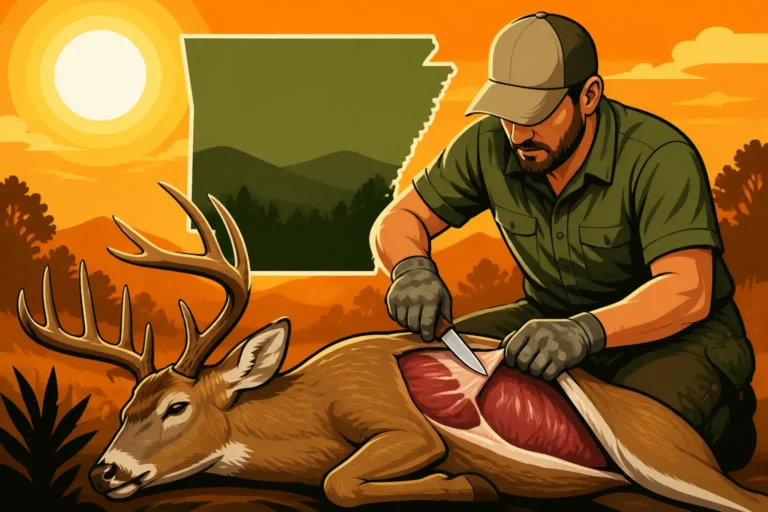
Field dressing small game is relatively simple and best done as soon as possible after the harvest, especially in warmer weather. For squirrels, a quick method is to make an incision across the back, then use your foot to hold the squirrel down while pulling up on the tail and head to essentially "skin" it in one swift motion. Then, remove the entrails. For rabbits, a similar method can be used, or a simple cut down the belly to remove the organs. The goal is to cool the meat quickly and prevent spoilage.
Carry a sharp, small knife, some gloves, and a few plastic bags to keep the meat clean. After field dressing, place the skinned and cleaned carcasses in a breathable game bag or mesh bag to allow for air circulation as you continue hunting or head back to your vehicle. Avoid putting them directly into a solid plastic bag for extended periods, as this can trap heat and moisture, promoting bacterial growth. In warmer early season hunts, consider bringing a small cooler with ice to store your game immediately upon returning to your vehicle. This quick attention to detail makes all the difference in the quality of your meal. You can find more specific advice on this in our guide to Field Dressing in Arkansas Heat.
Processing and Cooking Your Harvest
Once you're home, the real culinary adventure begins. Squirrels and rabbits are incredibly versatile in the kitchen. For squirrels, many hunters opt to cut them into pieces – usually four quarters, plus the backstrap. They can be fried, stewed, or used in gumbo or chili. Fried squirrel, often battered and pan-fried until golden brown, is a classic Southern dish. For rabbits, the process is similar, often resulting in pieces for frying or braising.
Both meats are lean, so slow-cooking methods like braising or stewing can tenderize them beautifully. Marinating wild game can also enhance flavor and tenderness. Don't be afraid to experiment with different recipes. There are countless traditional and modern recipes available that showcase the unique flavors of these wild meats. Remember to properly clean any remaining hair or debris from the meat before cooking, and always cook wild game to a safe internal temperature.
Safety and Storage of Wild Game
Proper storage is key to enjoying your harvest long after the hunt. If you plan to consume the meat within a few days, store it in the refrigerator in airtight containers or vacuum-sealed bags. For longer-term storage, freezing is the best option. Vacuum-sealing is ideal as it removes air, preventing freezer burn and preserving quality for up to a year or more. If you don't have a vacuum sealer, wrap the meat tightly in plastic wrap, then butcher paper, and finally place it in freezer bags, squeezing out as much air as possible.
Always label your packages with the date and type of meat so you know what you have and how long it's been stored. When thawing frozen game, do so slowly in the refrigerator to maintain quality. Handling wild game safely, from field to freezer to plate, ensures that your hard-earned harvest is not only delicious but also a safe and healthy meal for your family and friends.
Disclaimer
Hunting carries inherent risks. Always prioritize safety, understand and follow all Arkansas Game and Fish Commission regulations, and respect private property. This guide is for informational purposes only and does not supersede official hunting regulations or hunter education.