Lake Chicot Area Hunting
Hunting around Lake Chicot can feel like trying to crack a secret code. This beautiful, oxbow lake in Southeast Arkansas, a remnant of the Mississippi River's ancient path, presents a unique set of challenges and opportunities for hunters. Many folks drive by, admiring the scenery, but wonder where in the world you'd even begin to look for game, especially given how much private land dots the region. This guide is here to shed some light on navigating the Lake Chicot area for hunting, helping you understand the landscape, uncover potential spots, and plan a realistic approach.
Understanding the Unique Landscape of Lake Chicot
Lake Chicot is Arkansas's largest natural lake and a true gem of the Delta. But for hunters, its beauty often hides a complex puzzle of land ownership and habitat types. Unlike the vast, contiguous tracts of public land found in the Ozark or Ouachita National Forests, hunting here is largely defined by its mosaic of agricultural fields, river bottom hardwoods, and private holdings. This unique blend means that successful hunting in the Lake Chicot area requires a different mindset and strategy.
Geographical Overview and Habitat
Lake Chicot itself is a long, narrow body of water, and while it's a major feature, the surrounding landscape is what really dictates hunting opportunities. You're deep in the Arkansas Delta here, which means flat topography, rich alluvial soils, and a history dominated by agriculture. Think cotton fields, soybean fields, and rice paddies stretching for miles, broken up by stands of mature timber, often along rivers, bayous, or drainages. These pockets of timber, sometimes referred to as "patches," become critical travel corridors and bedding areas for deer, and essential resting and feeding grounds for waterfowl. The sheer amount of private land, much of it owned by large farming operations or long-standing family estates, makes public access a significant hurdle. Understanding the subtle shifts from open field to dense brush or flooded timber is key to unlocking the area's potential.
The habitat diversity, despite the heavy agricultural influence, is quite remarkable. You'll find everything from cypress swamps along the lake's edges to oak-hickory forests on higher ground, and even some planted pines in certain spots. This varied vegetation supports a range of wildlife, though often in fragmented populations. Deer will move between bedding cover in dense woods and feeding areas in crop fields. Waterfowl, of course, are drawn to the flooded fields and the lake itself as a massive loafing area. Small game like squirrels and rabbits thrive in the timbered areas and brushy edges. It's truly an ecosystem shaped by both nature and human activity, and recognizing these patterns is the first step toward a successful hunt.
Hunting Pressure and Public Access Challenges
Let's be real: finding accessible hunting land in the Lake Chicot area is tough. The region, like much of the Delta, is heavily managed for agriculture, and the timbered parcels are often coveted by private hunting clubs or leased out for significant sums. This means that any publicly accessible land, or even small, unleased private parcels, can experience considerable hunting pressure. Don't expect to just drive up and find an empty woodlot. Hunters often travel long distances to reach these areas, especially during peak seasons.
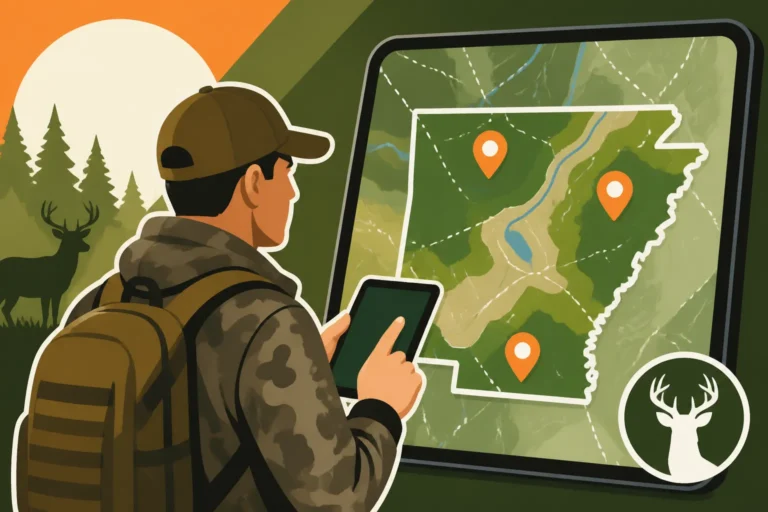
The challenge isn't just about finding land; it's about finding quality land that hasn't been hammered by other hunters. This often means putting in extra effort to scout before the season, utilizing mapping tools like onX Hunt to identify property lines and potential public slivers, and being prepared to walk further than others. You'll also need to be mindful of noise, scent, and movement, as resident deer and other game will be accustomed to human activity, both from farming operations and other hunters. Managing expectations is crucial here; while trophy animals are certainly present in the Delta, consistently encountering unpressured game can be an uphill battle without dedicated access.
Deer Hunting Opportunities Around Lake Chicot
When it comes to deer, the Lake Chicot area has a reputation for producing some impressive animals. The fertile Delta soils and abundant food sources from agriculture lead to larger body sizes and often better antler development. However, the catch, as always, is gaining access. The strategies for deer hunting here revolve heavily around either securing private land permission or meticulously dissecting the limited public options.
Hunting Private Land and Leases
For many serious deer hunters in the Lake Chicot region, private land is the holy grail. This can mean anything from owning your own tract of land to joining a well-established hunting club or securing a private lease. These opportunities provide critical advantages: exclusive access, consistent management, and the ability to implement long-term strategies like food plots or selective harvest. If you have friends or family with land in the area, that's often the best foot in the door. Developing relationships with landowners, offering to help with chores, or managing nuisance animals can sometimes lead to permission on smaller, overlooked parcels.
The reality, though, is that private leases, especially for quality deer hunting, are often expensive and competitive. Clubs can have long waiting lists. If you're looking to lease, expect to invest significant time and money. When negotiating, clarify all terms: what's included, how many hunters, guest policies, and specific rules for stands or land management. Even if you secure access, Getting Private Land Permission in Arkansas involves clear communication and mutual respect. Always remember, permission is a privilege, not a right, and it can be revoked. Respect property boundaries, leave no trace, and consider offering the landowner a portion of your harvest as a gesture of goodwill.
Public Land Pockets and Access
While extensive public land is scarce, there are often smaller, fragmented pieces managed by the state or federal agencies that can offer hunting opportunities. These might include Wildlife Management Area (WMA) parcels, Corps of Engineers land around flood control projects, or even overlooked sections of state-owned land. Identifying these takes diligence. Online mapping tools like onX Hunt or GoHunt are absolutely invaluable here. You can layer public/private land ownership, identify potential access points, and scout habitat features from your couch.
When hunting these public pockets, focus on areas that are less obvious or harder to reach. This often means walking further from roads, wading sloughs, or pushing through thick cover that deters others. Deer in these pressured areas become masters of evasion and will seek out the thickest, most impenetrable cover during daylight hours. Look for transition zones – where hardwoods meet CRP fields, or where thick briar patches butt up against a creek bottom. These are natural travel routes. Pay close attention to wind and thermals, especially in the flat Delta, as deer rely heavily on their noses. Understanding Arkansas Deer Seasons and Zone Limits is paramount, as regulations can vary even within a region. Also, consult the Arkansas Deer Zones Explained for specific antler point restrictions or bag limits that might apply to the Lake Chicot area.
Table: Public vs. Private Hunting Considerations Near Lake Chicot
| Feature | Private Land/Lease | Public Land Pockets |
|---|---|---|
| Access | Exclusive, controlled | Often limited, competitive, challenging |
| Pressure | Managed, potentially lower if well-run | High, especially near easy access points |
| Habitat Quality | Potentially managed for wildlife, food plots | Natural, unmanaged; can be very thick |
| Deer Quality | Higher potential for mature bucks with management | Mature bucks are present but harder to consistently find |
| Effort Required | Financial investment, relationship building | Extensive scouting, physical exertion, patience |
| Flexibility | High (stand placement, timing, tactics) | Low (must adhere to WMA/agency rules) |
| Mapping Tools | Essential for understanding boundaries | Critical for identifying accessible parcels and features |
Waterfowl Hunting Near Lake Chicot
The Delta region of Arkansas is world-renowned for its waterfowl hunting, and while Lake Chicot itself isn't typically where you'd set a decoy spread, the surrounding landscape definitely plays a role. Mallards, gadwall, teal, and other ducks, along with specklebelly and snow geese, frequent the area during migration.
Lake Chicot as a Resting Area
Lake Chicot, being a large body of water, often acts as a significant resting and loafing area for migratory waterfowl. Ducks and geese will use the lake to escape hunting pressure from smaller, more accessible wetlands or flooded fields. While hunting directly on the main body of Lake Chicot is generally not a common or highly effective strategy for ducks, understanding its role as a sanctuary is important. Birds will fly off the lake at dawn to feed in surrounding agricultural fields, and then return to the safety of the open water during the day. This pattern can inform your strategy for hunting nearby.
Knowing that the lake holds birds gives you a potential advantage if you can secure access to fields or smaller water bodies along their flight path. You might observe large groups of birds leaving the lake in the morning or returning in the late afternoon. Setting up strategically along these flyways, often in flooded timber or agriculture, can be productive. Be sure to study Arkansas Waterfowl Seasons and Zones carefully, as specific bag limits and shooting hours are strictly enforced.
Hunting Nearby Waterfowl Hotspots
The true waterfowl hunting opportunities near Lake Chicot lie in the surrounding landscape, particularly in the flooded timber and agricultural fields that imitate natural wetlands. Many private landowners flood their rice fields after harvest, creating irresistible feeding grounds for ducks and geese. Timbered sloughs and backwaters along bayous also become prime duck habitat when flooded. Hunting Rice Fields and Levees is a classic Delta tactic, and if you can find access to these, you're in for a treat.
Public WMAs, even if not immediately adjacent to the lake, are often within a reasonable drive and offer managed waterfowl hunting. Places like Freddie Black Choctaw Island WMA, to the west of Lake Chicot on the Mississippi River, can be viable options. These WMAs usually have specific rules, and often require Arkansas WMA Permits and Draw Hunts for peak opportunities. Scouting is crucial to find unpressured areas, assess water levels, and locate flight patterns. Look for areas with dense natural food sources like acorns in flooded timber. Utilizing a boat or ATV to access more remote spots on public land can sometimes yield better results, but always check WMA-specific rules regarding vehicle use.
Small Game and Other Hunting Pursuits
While deer and ducks often get all the glory, the Lake Chicot area also offers excellent opportunities for small game and other hunting pursuits, providing a different kind of challenge and a chance to extend your time afield.
Squirrel and Rabbit Hunting
The mature hardwood forests and brushy edges around Lake Chicot are fantastic for squirrel and rabbit hunting. Gray and fox squirrels thrive in timbered bottoms, especially where there are mast-producing trees like oaks and hickories. You can spend a peaceful morning still-hunting through the woods, listening for the tell-tale chatter or the sound of cuttings falling from overhead limbs. Early season, when leaves are still on the trees, requires a keen eye and patience. Later in the season, after leaf fall, it becomes a bit easier to spot them. Squirrel Hunting Arkansas Hardwoods is a great way to introduce new hunters to the sport or just enjoy a quiet day in the woods.
Rabbit hunting is also excellent, particularly in the briar thickets, brush piles, and hedgerows that border agricultural fields. Rabbits love dense cover, and often a good beagle or two can turn a quiet morning into a fast-paced hunt. You'll find them holding tight in these areas, and flushing them out can be incredibly exciting. Permission on private land is usually easier to obtain for small game than for deer, so don't hesitate to knock on doors or check with local farmers.
Predator Hunting and Feral Hogs
The abundance of deer, waterfowl, and other wildlife in the Lake Chicot area means there's also a healthy population of predators. Coyotes are prevalent, and bobcats also roam the timbered areas. Predator calling can be very effective, especially during the colder months when food sources are scarcer. Setting up along field edges or in timber blocks with good visibility can yield results. Coyote and Bobcat Calling in Arkansas can be an exciting way to hunt, adding another dimension to your outdoor adventures. Always be mindful of local ordinances and land boundaries when calling predators, especially near residential areas.
Feral hogs are another significant presence in the Delta, including around Lake Chicot. These destructive animals cause extensive damage to crops and habitat, and hunting them is often encouraged by landowners. They can be hunted year-round, typically without limits, but you still need proper licenses and landowner permission. Hogs often frequent dense river bottom thickets, especially near water sources and agricultural fields. Night hunting with thermal or night vision optics is a popular and effective method for hogs, though again, always check local regulations and specific landowner rules. Hunting hogs provides a unique challenge and helps protect the local ecosystem.
Planning Your Hunt: Logistics and Resources
A successful hunt around Lake Chicot, whether it's for deer, ducks, or small game, hinges on thorough planning and utilizing the right resources. Because of the area's unique characteristics, simply showing up without a solid plan is a recipe for frustration.
Essential Mapping and Scouting Tools
In an area dominated by private land and fragmented public parcels, detailed mapping tools are your best friend. Services like onX Hunt or GoHunt provide satellite imagery, topo maps, public/private land ownership overlays, and even information on current hunting seasons and regulations. These tools allow you to virtually scout an area, identifying potential access points, property boundaries, bedding areas, food sources, and travel corridors before you ever set foot on the ground. You can mark waypoints, measure distances, and save maps for offline use, which is critical in areas with spotty cell service.
Physical scouting is still irreplaceable, of course, but digital tools help you narrow down your focus dramatically. Spend time driving or walking potential access roads, looking for signs of game like tracks, droppings, rubs, or scrapes. Pay attention to water levels in flooded timber areas or ditches, especially for waterfowl. Talk to locals if you can; friendly conversations at gas stations or diners can sometimes yield invaluable insights or even leads on private land access. Remember, knowledge is power, especially when hunting in a complex landscape like the Lake Chicot area.
Licensing, Regulations, and Safety
Before you even think about stepping into the woods, ensure you have all the necessary Arkansas Hunting Licenses and What They Cost. This includes your general hunting license, any required state or federal stamps (like the Federal Duck Stamp for waterfowl), and potentially WMA permits if you plan to hunt on specific public lands. Ignorance of the law is never an excuse, and game wardens in Arkansas are diligent about enforcing regulations.
Familiarize yourself with the specific season dates, bag limits, and legal methods of take for the game you intend to pursue in the correct deer or waterfowl zone. Arkansas often has nuanced rules, such as antler point restrictions in certain zones or specific shooting hours for migratory birds. Safety should always be your top priority. This includes wearing hunter orange when required, knowing your target and what's beyond it, and properly handling your firearm or bow. Given the potential for other hunters on public land, clear communication with your hunting partners and an awareness of your surroundings are paramount.
Respecting Landowners and Local Communities
Hunting in the Lake Chicot area, especially on or near private land, demands the utmost respect for landowners and local communities. A bad encounter with one hunter can sour relationships for everyone. Always ask for permission before entering private land, even if you think it's unposted or abandoned. Close gates, don't block access roads, and avoid disturbing livestock or crops. Pick up any trash, including spent shells. If you're fortunate enough to gain permission, express your gratitude, and perhaps offer a small gift or share some of your harvest.
Building a good reputation can open doors to future opportunities. The Delta is a close-knit community, and word travels fast. Being a courteous, ethical, and safe hunter not only enhances your own experience but also helps maintain a positive image for all hunters in the region. Whether you're hunting deer in a timber block or ducks in a flooded field, your actions reflect on the entire hunting community.
Disclaimer
This article is for general informational purposes only and does not constitute professional advice. Laws, prices and regulations vary by location and change over time. Consult a qualified professional for guidance on your specific situation.