Arkansas State Parks Open to Hunting
It's a common misconception, one I hear all the time from folks new to hunting in our beautiful state: "Can you even hunt in an Arkansas State Park?" For many, the words "state park" conjure images of hiking trails, picnic tables, and quiet nature observation, not necessarily deer stands or duck blinds. And for the most part, that assumption holds true, but like so many things in the outdoors, there's a nuance, a hidden opportunity that many hunters miss. This guide is going to peel back the layers on hunting within Arkansas State Parks, exploring where and how these unique opportunities arise and how you, as a hunter, can be part of them.
Dispelling the Myth: State Parks as Hunting Grounds
Let's be honest, when you think of an Arkansas State Park, you probably picture families enjoying scenic overlooks, RVs parked in campgrounds, or folks fishing from a pier. The idea of donning your camouflage and heading into one of these protected areas with a firearm or bow might seem completely contradictory to their very purpose. And for the vast majority of our state parks, you’d be absolutely right. Their primary mission is conservation, recreation, and education, often in areas of unique natural beauty or historical significance. Direct, open hunting seasons, like those you find on a Wildlife Management Area (WMA) or in the national forests, are generally not permitted.
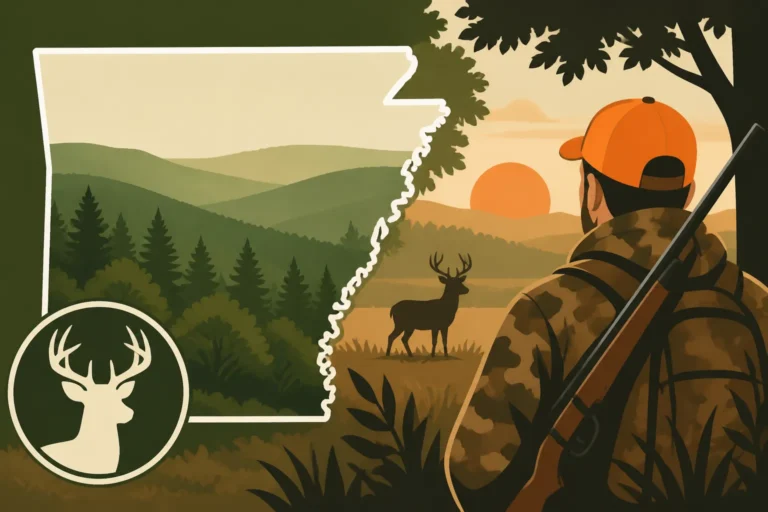
However, the natural world, even within park boundaries, is a dynamic place. Wildlife populations, particularly deer, can sometimes grow to a point where they negatively impact the ecosystem, the park's vegetation, or even pose risks to visitors through vehicle collisions. When these situations arise, the Arkansas Game and Fish Commission (AGFC) and Arkansas State Parks sometimes collaborate on specific, highly controlled hunts designed to manage these populations. These aren't your typical open-season hunts; they are specialized programs with very particular rules and limited access. It's a pragmatic approach to wildlife management within spaces primarily dedicated to non-hunting public use.
Why Hunting in State Parks is a Rare Exception
The notion that state parks are sacrosanct, off-limits to hunting, is deeply ingrained for good reason. Parks are designed to be sanctuaries where nature can be experienced by everyone, often without the sounds of gunshots or the presence of hunters. This creates a peaceful environment for hikers, birdwatchers, and campers. Imagine trying to enjoy a quiet morning walk only to hear rifle shots in the distance; it simply wouldn't align with the visitor experience most parks aim to provide.
Furthermore, many state parks are smaller, highly developed, and see significant public traffic. Integrating a general hunting season into such a landscape would create immense safety concerns. The proximity of trails, roads, campgrounds, and historical sites makes broad, uncontrolled hunting unfeasible and unsafe. This is why the few hunting opportunities that do exist are meticulously planned and executed, often involving highly restricted areas, specific weapons, and limited participant numbers. It's about balancing ecological needs with public safety and the park's recreational mission.
Understanding the Need for Managed Hunts
Despite the general prohibitions, deer populations, in particular, have a remarkable ability to adapt and thrive, even in semi-urban or protected environments. Without natural predators in many parts of the state, their numbers can swell. When deer density becomes too high, it leads to overbrowsing, where they eat so much of the understory vegetation that it damages forest health, impacts other wildlife species that rely on that same habitat, and prevents forest regeneration.
This is where managed hunts come into play. These are not about generating revenue or providing general recreational hunting opportunities. Instead, they are critical wildlife management tools. Think of them as necessary interventions to restore ecological balance. The goal is to reduce the deer herd to a sustainable level, allowing the forest to recover and preventing future ecological damage. These hunts are carefully designed by wildlife biologists, often in specific areas of the park, and are typically limited in duration and hunter numbers to ensure effectiveness and minimize disruption to other park activities. They represent a scientific and responsible approach to stewarding natural resources, even in the most popular public spaces.
Types of Hunting Opportunities in Arkansas State Parks
While widespread hunting is off the table for Arkansas State Parks, specific, highly regulated opportunities can emerge. These are almost always focused on deer management and take on a few distinct forms, all designed to ensure safety and meet conservation objectives. If you're a hunter looking for a unique experience and a chance to contribute to wildlife management, these are the avenues to explore.
Special Draw Hunts for Population Control
The most common way hunting occurs in an Arkansas State Park is through special draw hunts. These aren't like drawing for an elk tag in the Buffalo River area, which is about opportunity for a trophy animal. Instead, these state park draws are strictly for population control, primarily for antlerless deer. They are often held in parks that have documented issues with overpopulation, such as particular areas with high browse lines or an increased number of deer-vehicle collisions.
Participation in these hunts is usually very limited, often numbering only a handful of hunters for a specific, short period. Hunters apply through the AGFC's application system, similar to Arkansas WMA Permits and Draw Hunts. If selected, they receive detailed instructions, often including mandatory orientation sessions, specific check-in procedures, designated hunting areas, and strict rules regarding weapons (often archery or muzzleloader only) and harvest limits. These hunts are about precision, safety, and effective population reduction, not about open-season hunting. You're part of a management solution, not just a recreational hunter.
Archery-Only Hunts in Specific Areas
When hunting opportunities do open up in state parks, they are frequently restricted to archery equipment. This is a common safety measure in areas with high public use or proximity to park infrastructure. Bowhunting offers a quieter, shorter-range take method, which reduces the potential for stray projectiles and minimizes disturbance to other park visitors and nearby residents. The effective range of archery equipment means that the area can be managed more precisely, often allowing hunting in smaller, more confined zones that would be unsafe for firearms.
Hunters participating in these archery-only managed hunts typically use equipment like traditional bows, recurves, or compound bows. They might be hunting from tree stands or ground blinds that have been pre-approved or even provided by the park. These hunts might be for antlerless deer only, or in some rare cases, bucks that meet specific criteria, all aimed at achieving population balance. An example might be a park where deer are causing significant damage to newly planted trees or impacting sensitive native plant communities. These hunts often mirror the careful approach taken in Bowhunting Arkansas's Five-Month Archery Season, but within a much more confined and regulated setting.
Youth Hunts and Educational Opportunities
In some instances, Arkansas State Parks might host youth-only managed hunts, offering a controlled and educational environment for younger hunters. These programs are often designed to introduce youth to hunting ethics, wildlife management principles, and safe hunting practices under the direct supervision of experienced mentors or park staff. It’s an invaluable way to foster the next generation of conservationists while addressing localized wildlife management needs.
These youth hunts are often highly structured, with an emphasis on safety briefings, detailed instruction on shot placement, and immediate processing of harvested animals. They can be incredibly impactful experiences, not just for the youth involved, but also for park staff who get to share their knowledge of the ecosystem. Such programs connect directly with the broader goals of hunter education, providing a practical, hands-on learning experience that goes beyond a classroom setting and demonstrates the active role hunters play in conservation.
Navigating the Rules and Regulations for State Park Hunts
Hunting in an Arkansas State Park, even when allowed, is a world apart from heading into the national forest. The rules are typically much stricter, more detailed, and demand a higher level of adherence due to the unique environment. It's not a place for casual hunting; it requires thorough preparation and respect for the specialized regulations in place. Ignoring these guidelines can lead to serious consequences, not just legally, but also for the future of such opportunities.
Specific Permit and Application Procedures
Unlike general hunting seasons where a valid license and tag are often sufficient, hunting in an Arkansas State Park almost always requires a special permit obtained through a specific application and draw process. This isn't just about having an Arkansas Hunting Licenses and What They Cost; it's about being selected for a rare and specific opportunity. The AGFC manages these applications, and they are usually highly competitive due to the limited spots available.
When applying, pay meticulous attention to deadlines and requirements. Miss a detail, and your application could be disqualified. If you are fortunate enough to be drawn, expect to receive a comprehensive packet of information detailing everything from entry and exit points, weapon restrictions, check-in/check-out times, and harvest reporting protocols. Some parks may even require a background check or specific certifications beyond standard hunter education, emphasizing the controlled nature of these hunts. Think of it as a privilege to participate in a conservation effort, not just another hunting trip.
Weapon Restrictions and Safety Zones
One of the most critical aspects of state park hunting regulations revolves around weapon choices and safety zones. As discussed, archery equipment is often favored due to its shorter range and reduced noise, but some hunts might allow muzzleloaders or even shotguns with slugs in very specific, isolated areas. High-powered rifles are rarely, if ever, permitted due to obvious safety concerns in public recreation areas.
Beyond weapon type, hunters must be acutely aware of designated safety zones. These are areas, often around campgrounds, visitor centers, park offices, or even popular hiking trails, where hunting is absolutely forbidden. Maps provided to drawn hunters will clearly delineate these boundaries. Understanding your hunting zone's exact perimeter and knowing where these safety zones lie is paramount. Straying outside your designated area, even accidentally, can result in immediate expulsion from the hunt and potential legal repercussions. Remember, the goal is population management without compromising the safety and experience of non-hunting park visitors.
Mandatory Check-In, Check-Out, and Reporting
Accountability is key in state park managed hunts. Hunters are typically required to check in with park or AGFC staff before entering the hunting area and check out upon leaving, even if they haven't harvested an animal. This system is crucial for safety, allowing authorities to know exactly who is in the woods at any given time, and for data collection.
Any harvested game must be immediately reported and brought to a designated check station within the park. This often involves detailed data collection by biologists, such as age, sex, and physical condition of the animal. This information is vital for assessing the health of the deer herd and the effectiveness of the management program. This strict reporting differs from the more casual self-reporting often found in general seasons, reinforcing the scientific purpose of these hunts. Be prepared for this process; it's a fundamental part of contributing to wildlife conservation. This diligent approach connects directly to the Arkansas Deer Checking and Tagging requirements, but with an added layer of scrutiny.
| Aspect | General Hunting Season (WMA/National Forest) | Arkansas State Park Managed Hunt |
|---|---|---|
| Purpose | Recreational hunting, population management | Primarily population control/ecological balance |
| Access | Open to all licensed hunters within season dates | Special draw permit required, very limited access |
| Weapon Types | Varies by season (archery, modern gun, muzzleloader, etc.) | Often restricted to archery, sometimes muzzleloader/slugs |
| Hunting Area | Broad, large tracts of public land | Highly specific, delineated zones within the park |
| Safety Zones | Generally around private property, residences, roads | Extensive, around all public use areas, trails, infrastructure |
| Check-In/Out | Not typically required for public land, self-regulated | Mandatory with park/AGFC staff, every entry and exit |
| Harvest Reporting | Online/app reporting (e.g., Checking a Deer by Phone or App) | Mandatory physical check-in at park station, detailed data |
| Public Interaction | Low to moderate with other hunters, minimal with non-hunters | High potential for interaction with non-hunting park visitors |
| Permit Cost | Standard hunting license, tags | Standard license + potential application fee, no trophy fees |
| Guidance | Self-reliant, refer to regulations | Often mandatory orientation, direct staff guidance |
Finding and Preparing for an Arkansas State Park Hunt
So, you're intrigued by the idea of contributing to conservation through a state park hunt. That's fantastic! But how do you actually find these rare opportunities, and once you do, how do you prepare for such a unique hunting experience? It's going to take a bit more proactive research and planning than your typical trip to a WMA.
Utilizing AGFC Resources and Announcements
The absolute first place to look for any information on state park hunting opportunities is the Arkansas Game and Fish Commission (AGFC) website. They are the primary authority for wildlife management in the state and will announce any special managed hunts, including those in state parks. Keep an eye on their "News" or "Wildlife Management" sections, especially in the late summer and early fall as hunting seasons approach. These opportunities are often posted as specific "managed hunts" or "special hunts" for deer control.
It's also a good idea to sign up for AGFC email newsletters or follow their social media channels. These platforms are often used to disseminate information quickly, including announcements for special draw applications or changes to regulations. Don't expect a giant banner advertisement; these are often quietly announced, so you need to be diligent in your search. The AGFC's interactive map tool, often useful for Scouting Arkansas Public Land Before Season, might also highlight specific park areas where managed hunts could occur, though detailed hunt information will still come from direct announcements.
Scouting and Planning for a Unique Environment
Once you've identified a state park offering a managed hunt and (fingers crossed!) you've been drawn for a permit, your scouting and planning will differ significantly from a typical public land hunt. Forget about the miles of backcountry you might cover in the Ouachita National Forest. Here, your hunting zone will be much smaller, possibly surrounded by roads, trails, or residential areas.
Start by poring over the maps provided by the AGFC and the park. Identify boundaries, safety zones, and potential deer travel corridors within your specific hunting area. Tools like onX Hunt or GoHunt can be invaluable here. While these mapping apps are usually known for showing property lines and public/private land, their satellite imagery and topographical layers can help you pinpoint bedding areas, food sources, and pinch points within the park's designated hunting zone. You might be looking for subtle signs like Scrape Lines Along a Logging Road or heavy browse on specific plants. Remember, in a state park, the deer are likely accustomed to human presence, so a more stealthy and strategic approach will be essential. This isn't just about finding deer; it's about understanding how deer move and behave in an environment constantly shared with non-hunting humans.
Essential Gear and Ethical Considerations
Given the unique nature of state park hunts, your gear choices and ethical considerations need careful thought. Silence and low-impact are often paramount. If it's an archery hunt, ensure your bow is tuned, and you are proficient at shooting from various angles and distances that might be encountered in a developed park setting. Blinds or tree stands should be quiet, scent-controlled, and conform to any specific park regulations regarding their use or placement.
Beyond gear, your behavior and ethical conduct are crucial. Remember that you are hunting in a space shared by many. Maintain a low profile, park in designated areas, and keep any visible hunting gear discreet. Be courteous to hikers, birdwatchers, or other park visitors you might encounter. Your actions reflect not only on you but on all hunters, and particularly on the future of managed hunting opportunities in these sensitive areas. Respecting park rules, practicing ethical shot placement, and promptly recovering any harvested animal are not just good hunting practices; they are foundational to the success and continuation of these special conservation programs. Understanding Arkansas Hunter Orange Requirements for specific seasons or weapon types is also critical, even in a managed park hunt.
Conclusion
Hunting in an Arkansas State Park is certainly not an everyday occurrence, nor is it meant to be. These rare, highly regulated opportunities are born out of a necessary balance between conservation, public recreation, and responsible wildlife management. They offer a unique chance for hunters to contribute directly to the ecological health of some of our state's most cherished natural areas. By understanding the specific rules, preparing diligently, and acting as ethical ambassadors for the hunting community, you can be part of this vital work. It's a reminder that hunting is far more than just a pursuit; it's an integral part of stewarding our wild resources, even in unexpected places.
Disclaimer
This article is for general informational purposes only and does not constitute professional advice. Laws, prices and regulations vary by location and change over time. Consult a qualified professional for guidance on your specific situation.