Bringing Your Own Dog on a Guided Hunt
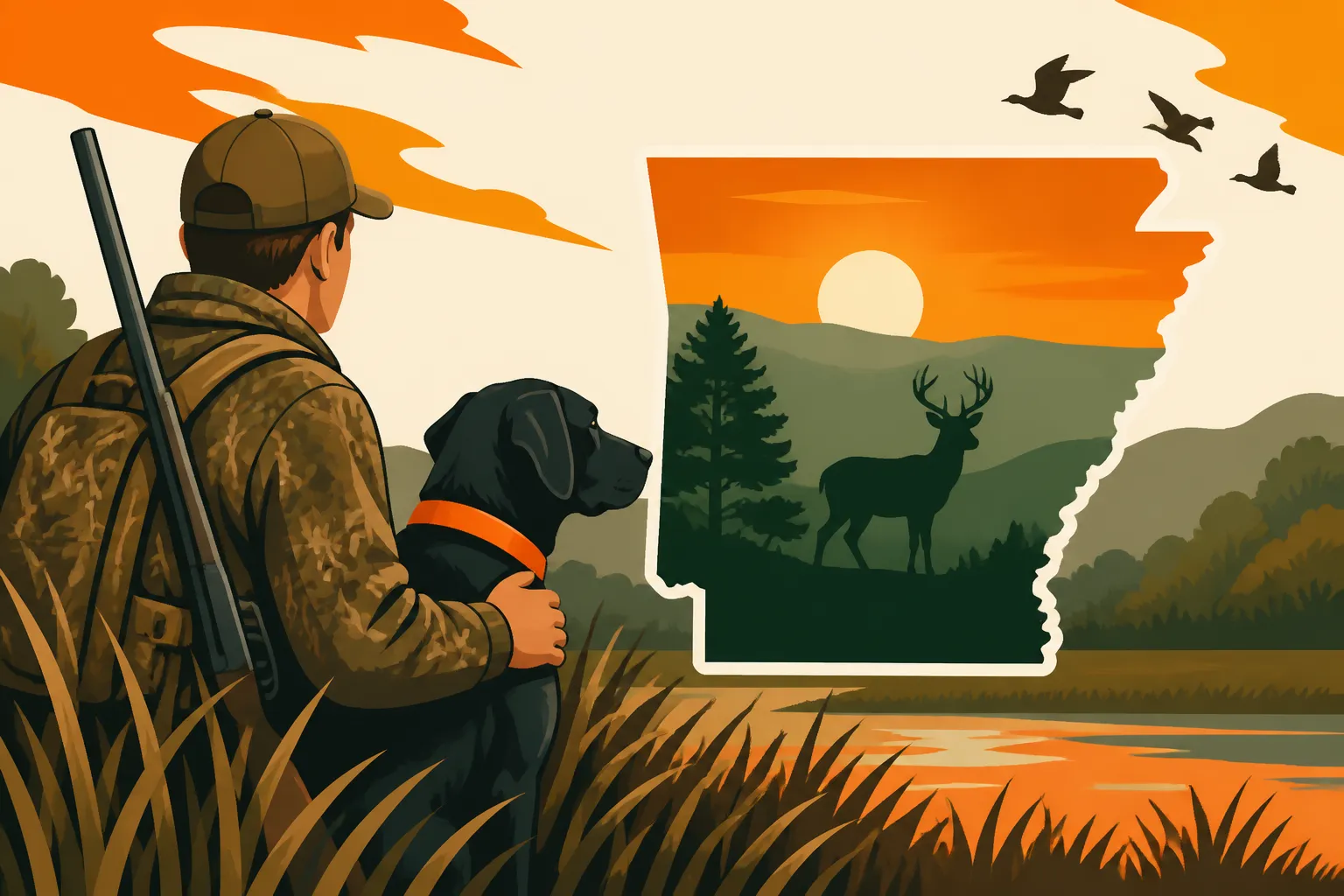
There's a special kind of bond between a hunter and their dog, isn't there? For many of us, our canine partners aren't just pets; they're family, companions in the field, and an extension of our hunting spirit. So, when the idea of a guided hunt in Arkansas comes up, a common question immediately springs to mind: "Can I bring my dog?" The thought of leaving your trusted hunting buddy behind while you head off on an adventure can be a real heartbreaker. This guide aims to tackle that very question, helping you navigate the waters of bringing your own dog on a guided hunt, specifically here in the Natural State, so you can make an informed decision and hopefully, share some incredible memories with your four-legged friend.
Understanding the Desire: Why Bring Your Own Dog?
Let's be honest, the thought of leaving your meticulously trained, highly valued hunting dog at home while you embark on a guided trip can feel a bit like going on vacation without your kids. It’s not just about their hunting prowess; it’s about sharing the experience, reinforcing that special bond, and relying on a partner you know inside and out. For many, it's not just a preference, it's a fundamental part of their hunting identity.
The Unbreakable Bond and Shared Experience
There’s something uniquely fulfilling about watching your own dog work, isn't there? From the anticipation as you load up the truck to the quiet moments sharing a blind, knowing your dog is right there with you adds a profound layer to the hunt. It's more than just retrieving a downed bird or tracking a wounded deer; it's the culmination of countless hours of training, the silent communication, and the shared joy of a successful day afield. You’ve invested so much into that relationship, and to think of going without them, especially on a hunt you’ve been looking forward to, can feel incomplete. It’s about building those memories together, moments that are cherished long after the season ends.
The quiet understanding between you and your dog, the way they anticipate your commands or react to the subtlest change in scent or sound, is something that simply can’t be replicated by a guide’s dog, no matter how well-trained. It’s a partnership forged over time, a trust that runs deep, and for many hunters, it's the very essence of the experience. They're not just a tool; they're a vital part of your hunting family, and leaving them behind can often diminish the overall enjoyment of the trip, even if the hunting itself is fantastic.
Trust, Training, and Familiarity
You know your dog better than anyone. You know their quirks, their strengths, their little habits, and exactly how they'll respond in various situations. This intimate understanding provides a level of comfort and confidence that's hard to match. When that bird falls or that deer takes off, you know exactly what your dog is capable of, because you’ve spent the time in the yard, in the training fields, and on previous hunts to instill those skills and build that trust. This isn't just about their ability to perform a task, it's about the consistency and predictability that comes from a long-standing partnership.
Think about it: in a high-pressure situation, like a quick shot at a duck in Hunting Arkansas Flooded Green Timber or a tough track in thick cover, you rely on your dog's training and your ability to communicate seamlessly. With your own dog, there’s no guesswork. You’ve taught them your specific hand signals, your vocal commands, and you understand their subtle cues. This familiarity translates into efficiency and peace of mind in the field, allowing you to focus on the hunt itself rather than worrying about how an unfamiliar dog might perform or respond to a new handler. It's the ultimate team effort, and you're the coach and star player, all rolled into one.
Performance and Confidence in the Field
There’s an undeniable pride that comes with watching your own dog perform flawlessly. Whether it's a pinpoint retrieve on a cripple across a wide rice field or a steady sit in a timber hole as ducks cup their wings, seeing your dog execute a task you've trained them for is incredibly rewarding. This confidence in your dog's abilities allows you to take shots and pursue game that you might otherwise hesitate on, knowing you have a reliable partner to help with the recovery. It's about maximizing your chances of success and ensuring that every possible effort is made to recover game ethically.
Beyond the direct act of retrieving or tracking, a well-behaved dog can significantly enhance the overall hunting experience for everyone in the party. Their calm demeanor in the blind, their patience during lulls, and their explosive energy when the action starts contribute to the atmosphere. You’ve put in the sweat equity, trained them through all sorts of scenarios, from Setting Decoys in Timber Holes to patiently waiting for geese, and now you get to reap the rewards alongside them. That feeling of shared accomplishment, that knowing glance with your dog after a successful retrieve, is truly priceless and often the very reason we want them by our side.
Navigating Outfitter Policies on Personal Dogs
Bringing your dog on a guided hunt isn't always a simple "yes" or "no." Most outfitters have specific policies, and it's absolutely crucial to understand these before you even think about booking your trip. These policies are in place for various reasons, including liability, potential conflicts with other hunters, impact on existing guide dogs, and the overall management of their operation. Don't assume anything; always ask direct and detailed questions.
General Rules and Restrictions
The first thing you'll encounter is a wide spectrum of rules. Some outfitters are explicitly "no outside dogs," no exceptions. Their reasons can range from concerns about disease transmission, conflicts with their own kennel of guide dogs, insurance liabilities, or simply wanting to maintain a consistent hunting experience for all clients. They might argue that their professional dogs are trained specifically for their terrain and style of hunting, ensuring a higher success rate and a smoother operation. It's frustrating to hear, especially when you know your dog is capable, but it's their business, and they have the right to set these rules.
On the other end of the spectrum, some outfitters are genuinely dog-friendly, understanding the profound connection hunters have with their canines. However, even these outfitters will almost certainly have stipulations. These might include requiring your dog to be kennel-trained, up-to-date on all vaccinations, house-broken, and perhaps even pass a temperament test upon arrival. They might also restrict the number of client dogs present at any one time or specify certain blinds or hunting areas where client dogs are permitted. The key here is not to be discouraged by initial restrictions but to delve deeper into their specific policies. When you're Booking an Arkansas Duck Hunt, make this one of your very first inquiries.
The 'Dog Fee' and What It Covers
If an outfitter does allow outside dogs, be prepared for a "dog fee." This isn't just a random charge; it often covers legitimate additional costs for the outfitter. Think about it: they might need extra cleaning for the kennels or lodge rooms, specialized food arrangements, or even just the added supervision from staff. This fee can vary widely, from a flat daily rate to a per-hunt charge. Don't be surprised if the fee is significant; it reflects the extra resources and potential headaches involved in accommodating outside animals.
When an outfitter charges a dog fee, it's important to clarify exactly what it includes. Does it cover food? Access to a specific kennel run? Does it allow your dog to stay in your room, or are they strictly kennel-only? What about bathing facilities if your dog gets muddy after a hunt? Some higher-end lodges might even offer limited services like basic grooming or specialized diets as part of an elevated dog package. Understanding what you're paying for ensures there are no surprises and helps you determine if the value aligns with your expectations and the What an Arkansas Guided Duck Hunt Costs overall. Transparency here is key for both you and the outfitter.
Specific Breeds or Temperament Concerns
It's not uncommon for outfitters to have preferences or even restrictions based on breed or temperament. While most hunting dogs are well-socialized and trained, some breeds are perceived as more high-strung or prone to conflicts with other dogs. More commonly, the concern isn't breed-specific but rather individual temperament. An outfitter doesn't want an aggressive dog causing issues with their own guide dogs or, worse, with other clients' dogs or even people. This is especially true if there are multiple hunting parties staying at the lodge or sharing common areas.
You might be asked to provide references for your dog's behavior, or the outfitter may request a brief "meet and greet" upon arrival to assess how your dog interacts with their staff and other animals. If your dog has any history of aggression, excessive barking, or anxiety in new environments, it's vital to be upfront about it. Honesty is always the best policy, as misrepresenting your dog's temperament could lead to a very uncomfortable situation, or even result in your dog being asked to leave, effectively ruining your hunt. Most outfitters prioritize the safety and enjoyment of all their guests, two-legged and four-legged alike.
Before You Book: Essential Questions for Your Outfitter
The decision to bring your dog starts long before you pack your bags. It begins with a thorough conversation with any potential outfitter. Don't just ask "Can I bring my dog?" Dig deep. Get all the details sorted out upfront to avoid any disappointment or logistical nightmares once you arrive. This proactive approach will save you a lot of grief and ensure a smoother trip for everyone involved.
Kennel Facilities and Accommodations
One of the first things you need to nail down is where your dog will actually stay. It's not enough to know they're allowed; you need specifics. Will your dog be kenneled on-site, or are they allowed in your room? If they're in kennels, what are they like? Are they individual, secure runs? Are they heated or cooled, especially important given Arkansas's potential for Bowhunting Arkansas in September Heat or cold winter duck hunts? What's the protocol for feeding and watering your dog if you're out in the field all day? Who is responsible for cleaning their kennel, and how often is it done?
If your dog is allowed in your room, ask about any specific rules regarding furniture, crating requirements, and what happens if your dog causes damage. Some lodges have designated pet-friendly rooms, while others might have stricter policies. It's also wise to inquire about exercise areas. Is there a safe, fenced area where your dog can stretch their legs and relieve themselves, or will they need to be leashed at all times when outside your room or kennel? These seemingly small details can make a huge difference in your dog's comfort and your overall peace of mind during the trip. This is a critical area when Choosing an Arkansas Hunting Lodge.
Hunting Scenarios and Dog Inclusion
This is where the rubber meets the road. Just because an outfitter allows you to bring your dog doesn't automatically mean your dog will hunt every time you do. You need to understand the practicalities. Will your dog hunt with you in the blind or boat? What kind of blinds are they, and is there enough space for your dog to be comfortable and concealed? Some outfitters might operate small, tight setups that simply don't have room for an extra dog. Others might have communal blinds where multiple parties hunt, and the presence of an extra dog could disrupt the experience for others or conflict with the guide's own dogs.
Ask directly about the types of hunts offered and where your dog fits in. For duck hunts, will your dog be expected to stay on a platform in flooded timber, or can they sit in the boat with you? For deer or bear hunts, if tracking is involved, will your dog be permitted to assist, or will the guide use their own? Some outfitters might only allow client dogs in certain types of scenarios, perhaps for upland birds but not for waterfowl. Clarify how many dogs will be in the blind at once if the guide also uses their own dog. Understanding these scenarios upfront, as highlighted in a guide about Questions to Ask an Arkansas Outfitter, is vital to managing your expectations and ensuring your dog gets to participate as much as you hope.
Emergency Protocols and Veterinary Access
No one wants to think about it, but emergencies happen. Your dog could get sick or injured while on a guided hunt. What are the outfitter's protocols in such a situation? Is there a veterinarian nearby, and how quickly can they be accessed? Will the outfitter assist in transport to the vet, or is that entirely your responsibility? Knowing these answers beforehand can alleviate a tremendous amount of stress if a situation arises.
It’s not just about acute emergencies, either. What if your dog simply isn't adjusting well to the new environment, or experiences anxiety? Does the outfitter have any resources or suggestions for managing a stressed dog? What if their guide dog gets into a scuffle with your dog? Who is liable, and how are such conflicts resolved? Having a clear understanding of these safety nets and potential issues is a non-negotiable part of bringing your dog along. Discussing these tough "what-if" scenarios, as outlined when considering What an Arkansas Contract Should Say, shows you're a responsible dog owner and helps you gauge the outfitter's preparedness.
Preparing Your Dog for a Guided Hunt Experience
Bringing your dog on a guided hunt isn't just about the outfitter's rules; it's about ensuring your dog is truly ready for the experience. A guided hunt often involves new environments, other dogs, different people, and specific expectations for behavior in the field. Your dog's preparedness is paramount not only for their safety and well-being but also for the success and enjoyment of the entire hunting party.
Health Checks and Vaccination Records
Before you even hit the road for Arkansas, schedule a thorough check-up with your veterinarian. Ensure your dog is in peak physical condition and up-to-date on all vaccinations. This isn't just a good idea; it’s often a strict requirement for outfitters, and for good reason. Conditions like kennel cough, canine influenza, or even parasites can spread rapidly among dogs, especially in communal kennel settings. Having current rabies, distemper, parvovirus, and bordetella (kennel cough) vaccinations is generally the minimum expectation. Some outfitters might also require proof of flea and tick prevention.
Furthermore, discuss any regional health concerns with your vet. Arkansas is home to various parasites and wildlife diseases, and your vet can advise on preventative measures. For instance, heartworm prevention is crucial in a state with many mosquitoes. Bring a copy of your dog's vaccination records and a letter from your vet confirming their health. This documentation is essential and will likely be requested by the outfitter, so don't leave home without it. It's a fundamental part of responsible pet ownership, akin to taking Arkansas Hunter Education and Safety Rules yourself before heading into the woods.
Advanced Obedience and Blind Manners
This cannot be stressed enough: your dog needs to be impeccably behaved, especially in a guided setting. This means more than just knowing "sit" and "stay." They need advanced obedience that translates directly to hunting scenarios. Can your dog sit quietly and patiently for extended periods in a blind, even with distractions like calling, shooting, or other dogs? Do they understand "no" or "leave it" when instructed to ignore a dropped decoy or another hunter's gear? A dog that whines, barks excessively, or constantly fidgets can quickly ruin a hunt for everyone.
Work on blind manners extensively before your trip. Practice sitting in confined spaces, simulating the sounds of gunfire (gradually, safely!), and having multiple people around. Ensure your dog has a solid "heel" command and will remain at your side until released, especially when walking to and from the blind or boat. A dog that is constantly breaking command or causing distractions will not only be a nuisance but could also be a safety hazard, particularly around firearms. Remember, a guide’s job is to put you on game, not to manage your unruly dog. Respect their time and the experience of other hunters by bringing a well-mannered canine partner.
Physical Conditioning for Arkansas Conditions
Arkansas can be physically demanding, especially for waterfowl hunting in flooded timber or slogging through muddy fields. Your dog needs to be in excellent physical condition to handle the terrain, the cold water, and the repeated retrieves. A soft, out-of-shape dog is prone to injury and could quickly become exhausted, impacting their performance and potentially their health. Start a conditioning program well in advance of your trip. This should include regular strenuous exercise like long walks, runs, and swimming.
If you're hunting ducks, practice retrieves in water, gradually increasing the distance and complexity. If you're hunting upland birds, ensure your dog has the stamina for extended periods of running and quartering. Consider the climate you're coming from versus Arkansas. A dog accustomed to cooler northern climes might struggle with warmer early season temperatures, like those during Bowhunting Arkansas in September Heat. Conversely, a dog from warmer regions might need acclimatization to the cold, icy water of late-season duck hunts. Proper conditioning is a commitment, but it's vital for your dog's safety and effectiveness in the field.
Day of the Hunt: Etiquette and Expectations
You’ve done all the prep, asked all the questions, and now you’re finally there, ready to hit the field with your dog. But the work isn't over. On the actual hunt day, your role shifts to being a gracious guest and a responsible dog owner, ensuring your dog enhances, rather than detracts from, the experience for everyone. This requires constant communication, awareness, and respect.
Communicating with Your Guide
Your guide is the expert on the ground. They know the territory, the game, and the nuances of the hunt. Establish open and clear communication from the moment you meet them, particularly concerning your dog. Reiterate your dog's training level, any quirks they might have, and your expectations for their role in the hunt. Ask the guide how they prefer you handle your dog in various situations. Do they want you to wait for their signal before sending your dog on a retrieve? Are there specific areas in the blind or boat where they want your dog to stay?
Be receptive to their feedback and instructions. If your guide suggests your dog might be better off kenneled for a particular setup or if they need to be more disciplined in a certain situation, listen to them. They're not trying to insult your dog; they're trying to ensure a successful and safe hunt for everyone. Proactively ask questions like, "How many dogs will be in the blind?" and "What's the plan for retrieving downed game?" Knowing the game plan for the day, whether it's Hunting the Arkansas Early Buck-Only Archery Days or running ducks in timber, will help you manage your dog effectively and integrate seamlessly into the hunting party.
Managing Your Dog in the Blind or Field
Once the hunt is underway, constant management of your dog is critical. This means keeping them quiet, still, and attentive to your commands. Ensure they are positioned in a way that doesn't impede other hunters, block shooting lanes, or interfere with the guide's movements. In a duck blind, this might mean keeping them on a designated dog stand or quietly in a corner. For field hunting, ensuring they stay at heel until released is paramount. Never allow your dog to free-range or chase game without explicit permission from your guide.
Be hyper-aware of your dog's behavior. If they start to get restless, make a subtle correction. If they show any signs of aggression toward other dogs or people, immediately address it and remove them from the situation if necessary. Remember, you are a guest, and your dog's behavior reflects on you. A well-managed dog will be a joy to hunt with; a poorly managed one can ruin the hunt for everyone, including yourself. The goal is to have your dog be a seamless part of the team, adding to the experience rather than causing stress or distraction.
Respecting Other Hunters and Their Experience
It's easy to get tunnel vision when you're focused on your own dog, but remember you're often hunting with other people, many of whom have paid good money for their experience. Your dog should never detract from another hunter's enjoyment or safety. This means ensuring your dog is not barking excessively, jumping on others, or interfering with their shots. In a communal blind, this means being particularly vigilant about blind manners and making sure your dog is invisible until it's time to work.
Even if other hunters express admiration for your dog, keep them under control. Not everyone is comfortable with dogs, and some may even have allergies or fears. If your dog is retrieving, ensure they return the game directly to you and aren't running off with it or rough-housing with other dogs over a bird. It also means managing expectations. If the guide has their own dog, they will likely give priority to their dog for retrieves, especially if it's part of their service. Respect that. Your dog is there as your companion, not necessarily as the primary retriever for the entire group, unless that has been explicitly pre-arranged. Being courteous and mindful of the entire group's experience, much like understanding Tipping Guides and Dog Handlers, makes for a much better trip for everyone involved.
Challenges and Considerations of Bringing Your Dog
While the allure of hunting with your own dog on a guided trip is strong, it's vital to go into it with eyes wide open about the potential challenges. It's not always a seamless process, and being prepared for these hurdles can help you mitigate them or decide if bringing your dog is truly the right choice for that particular hunt.
The Impact of Unfamiliarity and Pressure
Even the most well-trained dog can react differently in a new environment, under the pressure of a guided hunt. The sights, sounds, and smells of an unfamiliar lodge, new people, other dogs, and different hunting scenarios can be overwhelming. A dog that is usually calm might become anxious or overexcited. Their obedience might waver, and they could forget commands they know by heart. This isn't a reflection of your training; it's simply a natural reaction to stress and novelty.
Imagine a duck hunt in a new piece of Green Timber Duck Hunting in Arkansas. Your dog might be used to the timber at home, but this timber smells different, the water depth is new, and the calling is different. They might be unsure where to position themselves or how to react to the guide's cues. This unfamiliarity can lead to a less efficient hunt, missed retrieves, or even safety issues if your dog becomes disoriented or disobedient. It requires extra patience and understanding on your part, and the willingness to scale back your expectations for their performance. Sometimes, less is more, and allowing them to observe without pressure might be the best course of action initially.
Logistics of Travel and Transport
Getting your dog to Arkansas adds a significant layer of logistical complexity. If you're driving, you need to factor in crate space, frequent stops for exercise and potty breaks, and adequate hydration. If you're flying, the challenges multiply. Airlines have strict rules regarding pet travel, including specific crate dimensions, health certificates, and often embargoes during extreme temperatures. The cost of flying a large hunting dog can also be substantial.
Beyond the journey itself, consider the transportation once you arrive. Will your dog fit comfortably and safely in the guide's vehicle to and from the hunting location? If you're hunting ducks in a scenario requiring a boat or ATV, is there space for your dog? Will they be comfortable riding in such conditions? It's not just about getting them to the lodge; it's about getting them to the actual hunt each day. These details are often overlooked but can become major headaches if not thoroughly discussed with the outfitter beforehand. Think about this early in your planning, especially if you're looking at Booking an Arkansas Opening Weekend when travel can be hectic.
Potential for Injury or Illness
Hunting itself carries inherent risks for dogs, but a new environment on a guided trip can sometimes amplify these. Unfamiliar terrain can lead to cuts, sprains, or punctures from debris. Exposure to new parasites or diseases, even with proper vaccinations, is always a possibility when interacting with other animals. Cold water exposure, especially in late-season duck hunting, can lead to hypothermia if not managed properly. On a guided hunt, you might be pushing your dog harder or longer than you would at home, leading to increased risk of exhaustion or injury.
Furthermore, there's always the risk of altercations with other dogs, whether the guide's dogs or other clients' dogs. Even well-socialized dogs can have conflicts in a new, high-stress environment. These incidents can range from minor scuffles to serious injuries requiring veterinary attention. Being aware of these risks and having a plan, including knowing the location of emergency vet services, is crucial. It’s a sobering thought, but a responsible dog owner must consider these possibilities and be prepared to act quickly if something goes wrong.
Making the Most of Your Guided Hunt with Your Canine Partner
So, you've done your homework, found an accommodating outfitter, and arrived in Arkansas with your loyal hunting dog. Now, how do you ensure this unique experience is everything you hoped for? It's about adjusting your mindset, leveraging the expertise around you, and prioritizing the shared journey over solely focusing on the numbers in the bag.
Prioritizing the Experience Over the Kill
One of the best pieces of advice I can offer is to shift your focus from solely the harvest to the overall experience. While filling a limit or bagging a trophy is always exciting, the true reward of bringing your dog on a guided hunt is the shared adventure. There will inevitably be moments where your dog doesn't perform perfectly, or where their presence might require a slight adjustment to the hunt plan. Don't let these small hiccups overshadow the joy of having your partner by your side. Celebrate the retrieves, the quiet moments in the blind, and the sheer delight your dog shows in the field.
Embrace the camaraderie, the new environment, and the opportunity to share this passion with your dog in a unique setting. If you’re constantly fixated on the outcome, you might miss the magic of the journey. Remember all the effort you put into getting there, the bond you share, and the privilege of experiencing Arkansas's incredible hunting heritage with your best friend. Whether it's the thrill of Hunting the Arkansas Rut by Zone with your tracking dog or sharing a frosty morning in a duck blind, these memories are what truly last.
Learning from Your Guide's Expertise
Even if you're an experienced hunter and dog handler, your guide offers a wealth of local knowledge. They understand the nuances of the terrain, the game's behavior in that specific area, and often have a deep understanding of dog handling in their unique conditions. Observe how they interact with their own dogs, if applicable, and don't be afraid to ask questions. You might pick up new training tips, learn about local game movements, or discover different strategies for handling your dog in unfamiliar cover.
For example, if you're hunting squirrels in Squirrel Hunting Arkansas Hardwoods, your guide might have specific calls or tactics that work best for that area, and you can adapt your dog's approach accordingly. If you're in Hunting Ozark Ridges and Hollows for Deer and tracking is needed, watch how the guide reads the sign and manages their dog. Even if your dog isn't actively working, you can both be learning. A good guide will appreciate your interest and willingness to adapt. This collaborative approach enhances your own skills and makes you a more effective hunting team in the long run.
Post-Hunt Care and Reflection
After a long day in the field, especially one with a lot of retrieves or strenuous activity, proper post-hunt care for your dog is crucial. This means thoroughly checking them for cuts, scrapes, burrs, or ticks. Pay close attention to their paws, especially if they've been in rough or icy terrain. Ensure they are well-fed and hydrated, and have a warm, comfortable place to rest. If they've been in cold water, make sure they are thoroughly dried off to prevent hypothermia. Think about all the effort they've put in, and return the favor with attentive care.
Take a moment to reflect on the day's hunt with your dog. What went well? What could have been better? Did your dog handle the new environment successfully? Were there any areas where their training could be improved? Use the experience as a learning opportunity for both of you. A guided hunt with your dog is a unique opportunity to strengthen your bond, challenge your skills, and create indelible memories. By planning ahead, communicating effectively, and prioritizing the experience, you can ensure it's a rewarding journey for both you and your cherished canine hunting partner in the great state of Arkansas.
Disclaimer
This article is for general informational purposes only and does not constitute professional advice. Laws, prices and regulations vary by location and change over time. Consult a qualified professional for guidance on your specific situation.