Green Timber Versus Rice Field Guides
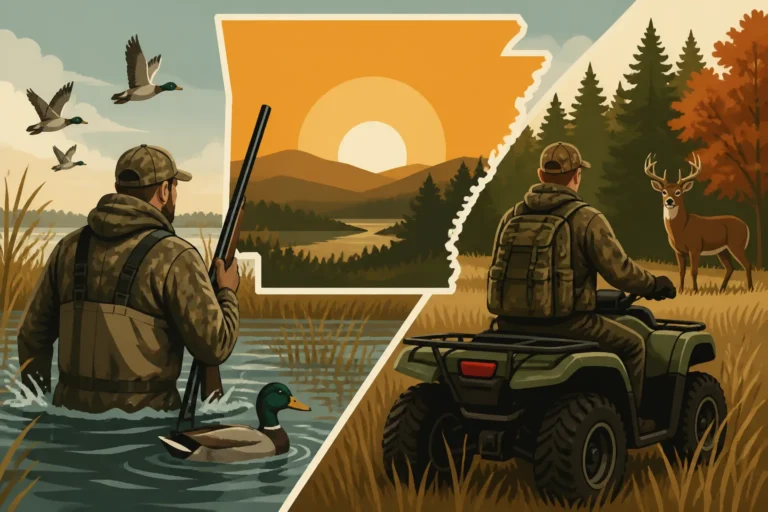
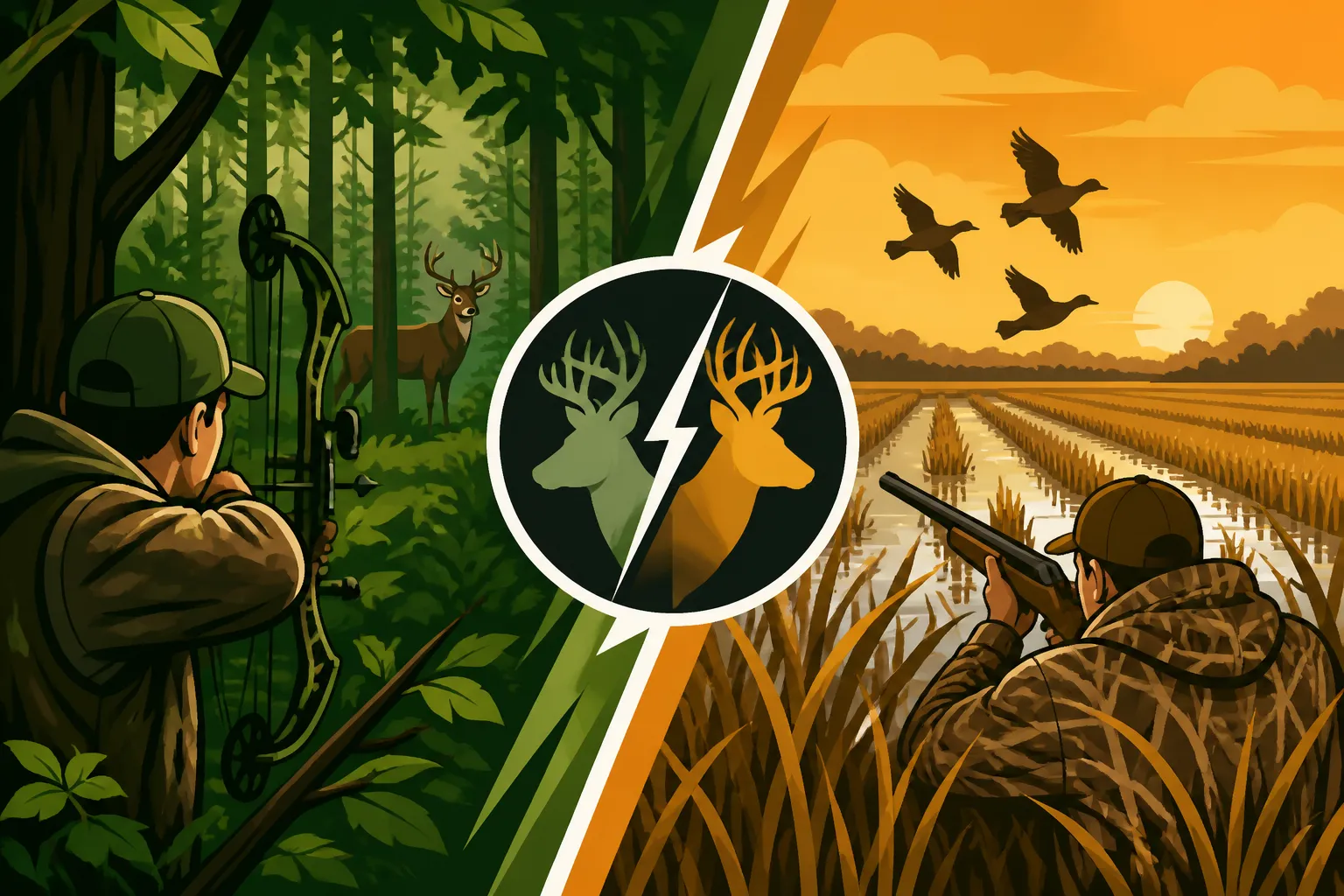
When you dream of duck hunting in Arkansas, chances are two very different pictures flash through your mind: the classic scene of mallards cupped in flooded green timber, or the wide-open expanse of a rice field alive with migrating waterfowl. For hunters considering a guided trip, this choice presents a delightful dilemma. This guide aims to thoroughly dissect the nuances of guided green timber hunts versus guided rice field hunts in Arkansas, helping you understand what each experience entails so you can pick the perfect adventure.
The Allure of Arkansas's Green Timber
There’s something almost mythical about duck hunting in flooded timber. It’s the quintessential Arkansas experience, the image that adorns countless magazine covers and fuels the dreams of waterfowlers far and wide. For many, it's not just a hunt; it's a pilgrimage to the heart of duck hunting tradition.
What Defines a Green Timber Hunt
A green timber hunt drops you deep into a flooded hardwood forest, usually towering oaks or pecans, where the water might be shin-deep or chest-deep, depending on rainfall and river levels. The trees create a natural blind, concealing you from overhead birds, and the canopy filters the light, giving the whole scene a cathedral-like quality. When ducks commit, they seem to appear out of nowhere, dropping through the branches and setting their wings among the treetops. It’s an intimate, up-close encounter where shots are often taken at close range, demanding quick reflexes and precise shooting. The sound of whistling wings as a flock descends through the timber is an unforgettable symphony.
The environment itself is a character in the story. You're surrounded by the sounds of the swamp – the rustle of leaves, the splash of ducks pitching in, the distant calls of other birds. Each "hole" or opening in the timber offers a unique setup, with guides often moving hunters to different spots based on bird activity and wind direction. It's a truly immersive experience, connecting you directly to the wild heart of Arkansas's famed Delta ecosystem. It's a stark contrast to the open skies often associated with waterfowl.
The Guide's Role in Flooded Woods
In green timber, your guide is more than just a caller; they are an expert navigator and a master of reading subtle cues. They know which specific trees to set up against, how to position the hunters for optimal shooting lanes, and, critically, how to call ducks in the unique acoustics of a flooded forest. Calling in timber often involves softer, more nuanced sounds than open-water calling, designed to convince birds to commit to a specific opening rather than just fly overhead.
Decoy spreads in green timber are typically smaller and more naturalistic, often just a handful of mallard decoys positioned to simulate feeding birds within the shooting hole. The guide will strategically place these, often retrieving them as hunters wade in and out, ensuring they look as lifelike as possible in the dappled light. Dog handling is also crucial, as retrieves can involve navigating submerged logs, thick brush, and varying water depths. A good guide and a well-trained dog are indispensable for making a green timber hunt successful and safe. They're also responsible for knowing the specific regulations, like those covered in Arkansas Waterfowl Seasons and Zones, that apply to these unique environments.
Pros and Cons of Green Timber Guided Hunts
There are distinct advantages to opting for a guided green timber hunt. The primary draw is the classic, iconic experience – it's what most people envision when they think of Arkansas duck hunting. The close-range shots are thrilling, demanding precision, and often result in clean kills. The intimate setting, with ducks finishing in your face, creates an adrenaline rush that's hard to beat. The ambiance of hunting deep in a flooded forest is truly unique and offers a profound connection to nature. Many hunters feel a sense of tradition and heritage when experiencing Hunting Arkansas Flooded Green Timber.
However, there are also some drawbacks. Green timber hunts can be physically more demanding. You'll often be wading through water, sometimes for considerable distances, carrying your gear, gun, and possibly retrieved birds. Weather plays a significant role; extremely cold temperatures can freeze up timber holes, making them unfishable, and high water can make certain areas inaccessible or dilute the duck numbers in traditional spots. Decoy spreads are smaller, which can sometimes limit the visual attraction for larger flights of birds. Access might also be more challenging, requiring boat travel through narrow channels or deeper wading.
The Broad Appeal of Rice Field Hunts
While green timber captures the imagination, rice field hunting is a powerhouse, consistently producing high volumes of birds thanks to the abundant food sources and strategic setups across Arkansas's vast agricultural landscape. It's a different kind of thrill, one of scale and strategy.
What Defines a Rice Field Hunt
A guided rice field hunt typically takes place in a dry field, or a partially flooded one, utilizing permanent blinds or pits dug into the earth along a levee or in the middle of a cut field. After the rice harvest, many farmers flood their fields to attract ducks, creating a smorgasbord of leftover grain that draws in incredible numbers of mallards, pintails, specks, and snow geese. The horizon is often wide open, offering panoramic views of approaching birds, and the hunts often involve larger decoy spreads, sometimes hundreds of decoys, to mimic a massive raft of feeding waterfowl.
The feeling of anticipation is different here. Instead of ducks dropping silently through trees, you see them coming from a long distance, often circling, observing the spread, and gradually committing. The calling can be more aggressive and sustained, designed to pull birds from high altitudes or distant horizons. It’s a hunt of broad strategy, using visibility and sheer numbers to your advantage. The vastness of these fields means that even large flocks of Mallards in the Arkansas Delta can find ample space and food, creating fantastic opportunities.
The Guide's Role in Open Fields
In a rice field hunt, your guide's expertise lies in reading flight patterns across open skies, understanding how large decoy spreads influence birds, and executing powerful, convincing calling routines. They are masters of the "big picture" hunt. The guide is responsible for ensuring the blind is brushed in perfectly, that the decoy spread is set effectively, and that everything is in place to draw birds from a distance. Setting a Spread on a Levee involves significant planning and effort, often requiring dozens or even hundreds of decoys, spread out to simulate a bustling feeding area.
Calling in open fields is often louder and more varied, using hail calls to grab attention, comeback calls to reassure circling birds, and aggressive feed chuckles to seal the deal. The goal is to create a dynamic, lifelike scene that screams "safe haven" to passing waterfowl. Dog handling in fields might involve longer retrieves, as birds can fall farther away, but the terrain is usually less challenging than navigating submerged timber. The guide also manages the flow of the hunt, knowing when to call the shot and ensuring hunters are positioned for optimal success.
Pros and Cons of Rice Field Guided Hunts
The advantages of guided rice field hunts are numerous. Comfort is a big one; hunting from a pit or permanent blind often means less wading and more sitting in relative warmth and dryness. The large decoy spreads can be incredibly effective at drawing in massive numbers of birds, often leading to fast-paced action and liberal limits. Visibility is excellent, allowing you to watch the entire spectacle unfold from a distance. Rice fields are also often less susceptible to extreme water level fluctuations or freezes than some timber areas, offering more consistent hunting conditions throughout the season.
However, some hunters find the open field experience less "classic" than green timber. Shots can be longer, requiring accurate shooting skills, and the birds, having seen countless decoy spreads, can be warier and harder to finish. While prolific, some hunters might miss the intimate challenge of working birds in the tight confines of the woods. Plus, the sheer number of decoys and constant calling, while effective, isn't always for those seeking a quiet, serene experience.
Key Differences in the Guided Experience
Choosing between green timber and rice field hunts boils down to more than just aesthetics; it's about understanding the practical differences that shape your day in the field. From how you move to how the birds react, these variations create two distinct adventures.
Logistics and Physical Demands
The physical demands of a guided green timber hunt are generally higher. You'll likely be wading, sometimes for extended periods, carrying your shotgun, shells, and potentially a cooler or bag. Depending on the water levels and the specific hunting area, you might encounter uneven ground, submerged logs, or thick brush. Access to the hunting spot could involve navigating a boat through tight waterways or walking a significant distance through muck and water. It's a workout, and you need to be prepared for it. Think layers of warm, waterproof clothing, sturdy waders, and a willingness to get a little muddy.
Rice field hunts, on the other hand, tend to be much less physically demanding. Hunters typically ride in an ATV or truck right to a comfortable pit blind or box blind. Once in the blind, you're usually sitting on a bench or chair, with less movement required. Retrieves are handled by dogs and handlers, often without the need for hunters to leave the blind until the hunt concludes. This comfort factor makes rice field hunts particularly appealing for hunters with mobility issues, those bringing younger hunters, or anyone who prefers a less strenuous day in the field.
| Feature | Green Timber Hunt | Rice Field Hunt |
|---|---|---|
| Environment | Flooded hardwood forest, dense canopy | Open agricultural fields, often cut rice or beans |
| Physical Demand | High (wading, walking over uneven ground) | Low (riding to blind, sitting in pit/box blind) |
| Decoy Spread | Small (dozen or two), natural, close to blind | Large (hundreds), expansive, spread out |
| Calling Style | Softer, subtle, nuanced; working birds close | Louder, aggressive, sustained; pulling birds from distance |
| Shot Range | Close (15-30 yards), dropping into hole | Medium to long (25-50+ yards), circling overhead |
| Ambiance | Intimate, traditional, serene, immersive | High-energy, strategic, expansive views |
| Access | Boat, wading, sometimes challenging | ATV/truck to blind, generally easy |
| Dog Work | Navigating obstacles, shorter, tricky retrieves | Longer retrieves over open ground, less obstruction |
Decoy Spreads and Calling Styles
The contrast in decoy spreads and calling techniques is one of the most striking differences. In green timber, the name of the game is subtlety and realism. A typical spread might be anywhere from 6 to 24 decoys, often placed in a natural-looking cluster in the shallow water of the shooting hole. The goal is to mimic a small group of birds feeding contentedly, creating an irresistible landing zone. The calling style tends to be more reserved, with soft clucks, feeding chuckles, and subtle quacks. The guide's expertise here involves Calling Ducks in Tight Arkansas Timber, using the acoustics of the trees to their advantage to make the calls sound like they're coming from actual ducks in the water, guiding birds through the canopy.
Rice fields, however, operate on a grander scale. You're trying to attract ducks from miles away, so visibility is key. Spreads can range from 50 to 500 decoys, often including full-body honkers, specklebellies, and a mix of duck species. Motion decoys, like spinning wing decoys and jerk cords, are almost always employed to add realism to the vast spread. The calling is often louder, more aggressive, and more sustained. Guides will use powerful hail calls, drawn-out lonesome hen calls, and constant chatter to grab the attention of high-flying birds and pull them into the spread. This difference is perfectly highlighted when you compare Hail Calls Versus Soft Feeding Chuckles.
Bird Behavior and Shot Opportunities
Ducks behave quite differently when approaching a timber hole versus an open field. In green timber, birds often appear quickly, dropping through the canopy almost vertically. They might circle a few times, but once they commit, they usually pitch in quickly and decisively, offering classic "feet down" shots at very close range. The challenge is often more about quick target acquisition and shooting through tight openings in the trees. The guide's ability to "work" birds and call the shot at the precise moment they commit is paramount.
In rice fields, you typically see birds coming from a distance. They'll often circle the large spread, sometimes multiple times, scrutinizing the setup before deciding to commit. This gives hunters more time to anticipate the shot, but it also means the birds have more time to identify anything that looks unnatural. Shots can vary from medium to longer ranges, as birds might not always finish as close as they do in timber, or they might swing wide. The shot opportunities are often about timing the volley on a large group of birds, rather than picking off singles or pairs dropping into a tight hole. Knowing how to read their circling patterns and when to finally call the shot requires immense experience.
Cost Considerations and Booking Your Hunt
Let's be real, guided hunts are an investment in an experience, and understanding the financial aspects is crucial for planning your trip. While specific figures will vary wildly from one outfitter to another, we can certainly talk about the shape of the costs and what typically influences them.
Understanding Pricing Structures
Guided duck hunts in Arkansas generally operate on a per-person, per-day basis, though multi-day packages are very common. When you look at pricing, green timber and rice field hunts often fall within a similar range for the "hunt only" portion. However, there can be subtle differences. Timber hunts might sometimes have slightly higher overhead due to the specialized equipment needed for accessing remote areas (like custom boats or mud motors), and the intensive habitat management required to keep those trees healthy and flooded. Field hunts, with their permanent blinds and larger scales, have their own significant investments in land leases, heavy equipment for blind maintenance, and hundreds of decoys.
Many outfitters offer all-inclusive packages that bundle the hunting with lodging, meals, bird cleaning, and sometimes even transportation to and from the hunt. These packages are popular for their convenience, taking the guesswork out of your trip. If you're looking for a comprehensive experience, these are often a fantastic value. Always clarify what's included when you're comparing prices. Some lodges might charge extra for things like ammunition, alcoholic beverages, or specialized processing for mounts. For a deeper dive, check out What an Arkansas Guided Duck Hunt Costs.
When and How to Book
Arkansas duck season is a phenomenon, and the prime dates, especially opening week and the week between Christmas and New Year's, book up incredibly fast. If you have specific dates in mind, particularly for green timber hunts which are often limited in capacity due to the nature of the terrain, you’ll want to book as far in advance as possible – often 10-12 months out is not uncommon for top-tier lodges. Later in the season, particularly January, can sometimes offer more availability and often excellent hunting as new waves of migrating birds arrive.
When you're ready to start looking, resources like BookYourHunt or GoHunt can be excellent places to begin your research. These platforms often list various outfitters, detailing their offerings, general pricing, and available dates, providing a convenient starting point for comparison. They allow you to filter by type of hunt, location, and amenities, which can be super helpful when trying to distinguish between different guided experiences. Always remember to put down a deposit to secure your booking, and be clear on the cancellation policy, especially regarding adverse weather conditions.
What to Ask Your Outfitter
Before you commit, don't be shy about asking questions. This is your hard-earned money and valuable vacation time, so you want to ensure it’s a good fit. Here are a few things to inquire about:
- Group Size and Guide Ratio: How many hunters will be in the blind or timber hole? What’s the guide-to-hunter ratio? This impacts the intimacy of the experience.
- Average Shots: What's the typical range of shots? This can help you prepare and practice appropriately.
- Success Rates/Limits: While no ethical outfitter guarantees limits, ask about their typical success rate or average bird numbers. Understand that this is hunting, not harvesting.
- Weather Contingency: What happens if the weather prevents hunting (e.g., extreme cold, severe storms)? Is there a refund, a credit for a future date, or an alternative activity?
- Gear Recommendations: What specific gear should you bring? Waders, waterproof bags, camouflage patterns, choke tubes, and shell sizes.
- Meals and Lodging: If it's an all-inclusive package, ask about the quality of the lodging and the type of meals provided.
- Dog Policy: If you have your own retriever, ask if it's welcome and what the rules are for having it in the blind or hole.
- Bird Cleaning and Storage: Is bird cleaning included? How will birds be stored and packaged for your departure?
- References: Ask for references from previous clients. A reputable outfitter will be happy to provide them.
Asking these questions upfront, before you make a deposit, is key to managing your expectations and ensuring you have a fantastic trip. Think of it as a preliminary scout for your adventure! For those considering a lodge stay, our guide on Choosing an Arkansas Hunting Lodge has even more detailed questions to ask.
Which Hunt is Right for You?
Ultimately, the choice between a guided green timber hunt and a guided rice field hunt in Arkansas comes down to your personal hunting style, physical capabilities, and what you hope to get out of the experience. Both offer incredible duck hunting, but in distinctly different flavors.
For the Traditionalist and Immersive Experience Seeker
If you've always dreamed of the classic, iconic Arkansas duck hunt – the one where mallards "cup up" and drop silently through ancient oaks into knee-deep water – then a green timber hunt is likely your calling. This experience is for those who cherish the tradition, the challenge of close-range shooting, and the intimate connection to a truly wild and unique environment. It's less about sheer volume (though timber can certainly produce) and more about the quality of the decoying, the magic of the woods, and the adrenaline rush of ducks materializing out of nowhere.
This is often the choice for hunters who appreciate the nuances of calling in tight quarters, enjoy wading through the cypress knees, and want to feel fully immersed in the natural rhythm of the flooded forest. It’s an adventure that engages all your senses and leaves you with memories that feel deeply rooted in the history of Arkansas waterfowling.
For the Comfort-Focused and High-Volume Shooter
If comfort, consistent action, and the potential for high-volume shooting are at the top of your list, then a guided rice field hunt might be the perfect fit. This experience caters to hunters who prefer sitting in a comfortable blind, watching large flights of birds work massive decoy spreads, and engaging in more aggressive calling tactics. It's often less physically demanding, making it a great option for multi-generational groups or those who prefer a more relaxed pace.
Rice field hunting can be incredibly exciting, with the constant anticipation of new flocks arriving and the strategic challenge of convincing wary birds to commit. It’s ideal for hunters who enjoy the spectacle of hundreds of decoys, the sound of aggressive calling echoing across open fields, and the satisfaction of seeing large numbers of birds respond to the spread. If your goal is to experience the sheer abundance of ducks and geese that funnel into the Arkansas Delta, a rice field hunt is a phenomenal choice. Plus, the ease of access can be a huge bonus, allowing for quick setup and pack-up.
Trying Both: The Best of Arkansas Duck Hunting
Why choose just one? Many seasoned Arkansas duck hunters will tell you that the ultimate experience is to try both green timber and rice field hunting. If you have the time and resources, consider splitting your trip between two different outfitters or even booking both types of hunts with the same lodge if they offer it. This allows you to experience the full spectrum of what Arkansas waterfowl hunting has to offer.
You might dedicate a couple of days to the challenging, immersive beauty of the timber, and then transition to a few days in the wide-open, high-action environment of the rice fields. This approach not only provides a broader understanding of waterfowl behavior and hunting tactics but also gives you a more complete appreciation for the diverse landscapes that make Arkansas the "Duck Capital of the World." Whether it’s your first time or your fiftieth, exploring both facets of this incredible hunting destination will undoubtedly enrich your experience.
Disclaimer
This article is for general informational purposes only and does not constitute professional advice. Laws, prices and regulations vary by location and change over time. Consult a qualified professional for guidance on your specific situation.