Snow Goose Guide Packages in Spring
That feeling of being absolutely overwhelmed by tens of thousands, sometimes hundreds of thousands, of snow geese descending on a field is something every hunter dreams of, but making it a reality for yourself can feel like an impossible task. Spring snow goose hunting in Arkansas, under the special Conservation Order, is a truly unique experience that’s a world apart from your typical duck hunt or even fall goose hunting. This guide aims to pull back the curtain on guided spring snow goose packages in the Delta, explaining exactly what they entail, what you should expect, and how to pick the right outfitter to help you get in on the action.
The Unique Challenge of Spring Snow Goose Hunting
Spring snow goose hunting isn't just "more geese" – it's an entirely different beast than anything else you'll encounter in the waterfowl world. Hunters often come to Arkansas for the legendary duck hunting, but the spring snow goose migration is a spectacle unto itself, with its own set of rules and a completely different style of pursuit. Trying to tackle it DIY without understanding these nuances can lead to immense frustration and empty bags.
Why Spring Snows Are Different
First off, these aren't your typical cautious Canada geese or easily-decoyed mallards. Snow geese, especially the migrating adults, have seen it all. They've been hunted for thousands of miles, pressured from Canada all the way down the flyway. They are wary, they are smart, and they travel in gargantuan flocks that can literally darken the sky. This incredible volume of birds also means they're constantly shifting their feeding patterns. One day, they might be in a certain rice field, and the next, they've moved miles away to fresh stubble. Their sheer numbers mean they can eat out a field quickly, forcing them to find new food sources constantly. This makes scouting an absolute non-stop, intense effort.
Another key difference is their behavior. Unlike ducks that often work into tight pockets, snow geese often circle, hover, and land on the fringes of a spread. They're looking for that perfectly safe landing zone, and any deviation, any flicker of something unnatural, can send a thousand birds flaring. Guides understand these flight patterns and how to set up their spreads and blinds to counteract this natural wariness, often needing huge, dynamic spreads that a solo hunter simply couldn't manage.
Understanding the Conservation Order
The spring snow goose season operates under a special "Conservation Order," which is crucial to understand. This isn't a traditional hunting season. It's a management tool designed to help control the rapidly expanding populations of light geese (snow, blue, and Ross's geese) that are causing significant damage to their Arctic breeding grounds. Because of this, many of the standard waterfowl hunting regulations are relaxed, making for a unique hunting experience.
For instance, during the Conservation Order, hunters are typically allowed to use unplugged shotguns, meaning you can load more than three shells. Electronic calls (e-callers) are also permitted, which are absolutely essential for drawing in large flocks of snow geese. There are no daily bag limits or possession limits, which means if you have a phenomenal hunt, you can take home as many geese as you shoot. However, even with these relaxed rules, there are still specific requirements for licensing and state stamps, including the federal duck stamp, and often a free HIP registration. It’s always smart to double-check the latest regulations before you head out, as rules can occasionally be tweaked. You can find more specific dates and rules in articles like Light Goose Conservation Order Dates.
The Sheer Volume of Birds
When we talk about volume, we're not just talking about big flocks. We're talking about horizon-to-horizon migrations. Imagine hundreds of thousands of birds moving from roost to feed, creating a roar that can be heard for miles. This incredible spectacle is what draws hunters to Arkansas each spring. However, this also means that when they decide to move, they move en masse. If you're not where they want to be, you might see them, but you won't be under them.
The sheer numbers also mean that finding the "right" flock can be challenging. A guide's expertise in locating these feeding birds, understanding their flight lines, and predicting their movements is paramount. They spend countless hours scouting, driving miles of backroads, and watching fields to put you under the X. This isn't a casual stroll to a duck blind; it's a dedicated pursuit of massive, constantly moving bird factories. For insight into how guides tackle this, checking out Snow Goose Tactics in the Delta can be helpful.
What a Guided Spring Snow Goose Hunt Offers
Booking a guided spring snow goose hunt in Arkansas isn't just about showing up and shooting. It's about leveraging an outfitter's massive investment in gear, time, and knowledge to put you in the best possible position for success. The scale of spring snow goose hunting is simply too large for most individual hunters to manage effectively on their own.
Decoy Spreads and Logistics
A successful spring snow goose spread is a marvel of logistics and sheer manpower. You're not looking at a dozen decoys; you're looking at hundreds, often thousands, of decoys. These can include anything from full-bodied decoys and sillo-sock decoys to massive rotary machines that simulate feeding birds. Setting up such a spread requires a significant amount of time, effort, and a specialized trailer or truck to move it all. Then, you have to position them effectively, considering wind direction, the sun, and how the birds are working that particular field.
Guides often have spreads ranging from 1,000 to 3,000+ decoys, sometimes even more. This isn't just a matter of having them; it's about deploying them strategically. They know how to create "landing strips," open pockets, and realistic feeding scenarios that entice wary birds. They also typically have specialized blinds, often layout blinds or large pit blinds, that blend seamlessly into the agricultural landscape, allowing hunters to remain hidden from the sharp eyes of overhead geese. Trying to coordinate this on your own would require a massive initial investment, a dedicated team, and extensive knowledge of how these birds behave specifically in the Delta's agricultural fields.
Electronic Calls and E-Callers
As mentioned, electronic calls are one of the key differences during the Conservation Order. These aren't just small handheld devices; serious snow goose guides use powerful, multi-speaker e-caller systems that can project sound across vast distances. These systems are designed to mimic the chaotic, continuous chatter of a massive snow goose flock feeding and resting. The sheer volume and realism of these calls are often the critical factor in drawing birds within shooting range.
Operating an e-caller effectively is an art form. It's not just turning it on and letting it play. A good guide will modulate the calls, adjusting volume, cadence, and specific sounds to react to the incoming birds. They know when to crank it up, when to soften it, and what specific calls to use to finish birds dropping into the spread. This expertise, combined with the high-quality equipment, significantly increases your chances of decoying birds into gun range, allowing you to participate in what can be truly epic shoots.
Expert Scouting and Setup
This is arguably the most valuable service a snow goose guide provides. Unlike many other hunts where the general location is known, spring snow geese are constantly moving. Their food sources are vast, and their preference can change daily based on pressure, weather, and available fields. A guide spends hours, often days, prior to your hunt, scouting literally hundreds of square miles of agricultural land. They'll locate the "X" – the exact field where the birds want to be – and then secure permission from landowners, which is a massive hurdle in itself.
Once a field is found, the guide also determines the optimal setup. This involves considering the prevailing wind, sun direction (to keep it out of hunters' eyes), and how the birds are approaching the field. They'll factor in egress and access, ensuring hunters can get in and out efficiently and safely. This constant, intensive scouting is a full-time job during the season, and without it, you'd be essentially guessing where to hunt, often ending up in fields the geese have already abandoned. A reliable platform like BookYourHunt can help you find guides who prioritize this rigorous scouting process.
Types of Spring Snow Goose Guide Packages
Just like any other guided hunt, spring snow goose packages come in a few different flavors. Understanding what each offers can help you choose the experience that best suits your group's budget and expectations.
Day Hunts vs. Multi-Day Packages
The most common option for spring snow goose hunting is a day hunt. This usually means arriving at a designated meeting point before dawn, being transported to the field, hunting through the morning and sometimes into the early afternoon, and then departing. These are perfect for hunters who are traveling from a nearby state or already have lodging in Arkansas for a duck trip. Day hunts focus purely on the hunting experience itself, with everything from the guide, decoys, e-callers, and blinds provided for that single day.
Multi-day packages, on the other hand, offer a more immersive experience. These typically include multiple days of hunting, often with lodging and meals provided by the outfitter. This is a great option for hunters traveling a long distance, as it eliminates the hassle of finding accommodation and food. Multi-day packages also offer the advantage of continuity; if the weather changes or birds shift patterns on one day, you have subsequent days for the guide to adjust and potentially put you on even hotter action. It can also be more relaxing, allowing you to fully enjoy the camaraderie of the hunt without rushing. When looking into these options, make sure to ask about the total number of hunts (morning, afternoon, full day) included in a "day" or "multi-day" package.
All-Inclusive vs. Basic Service
An all-inclusive package often lives up to its name, bundling everything you might need into one price. This usually covers not just the guided hunt, decoys, and calls, but also lodging, meals, bird cleaning, and sometimes even transportation to and from the lodge to the field. These packages are ideal for hunters who want a completely hassle-free experience, where all they need to focus on is enjoying the hunt and shooting straight. They tend to be at the higher end of the price spectrum but offer convenience and a premium experience.
Basic service packages, while still guided, typically focus solely on the hunting itself. This means the guide, gear, and field setup are provided, but lodging, meals, and bird processing might be left up to the hunter to arrange. These can be more budget-friendly and are a good fit for groups who prefer to handle their own accommodation (perhaps staying in a local hotel or Airbnb) or enjoy cooking their own meals. It's crucial to clarify exactly what is and isn't included when comparing prices, as an initially cheaper "basic" package might end up costing more once you factor in all the additional expenses.
Field Hunting vs. Other Methods
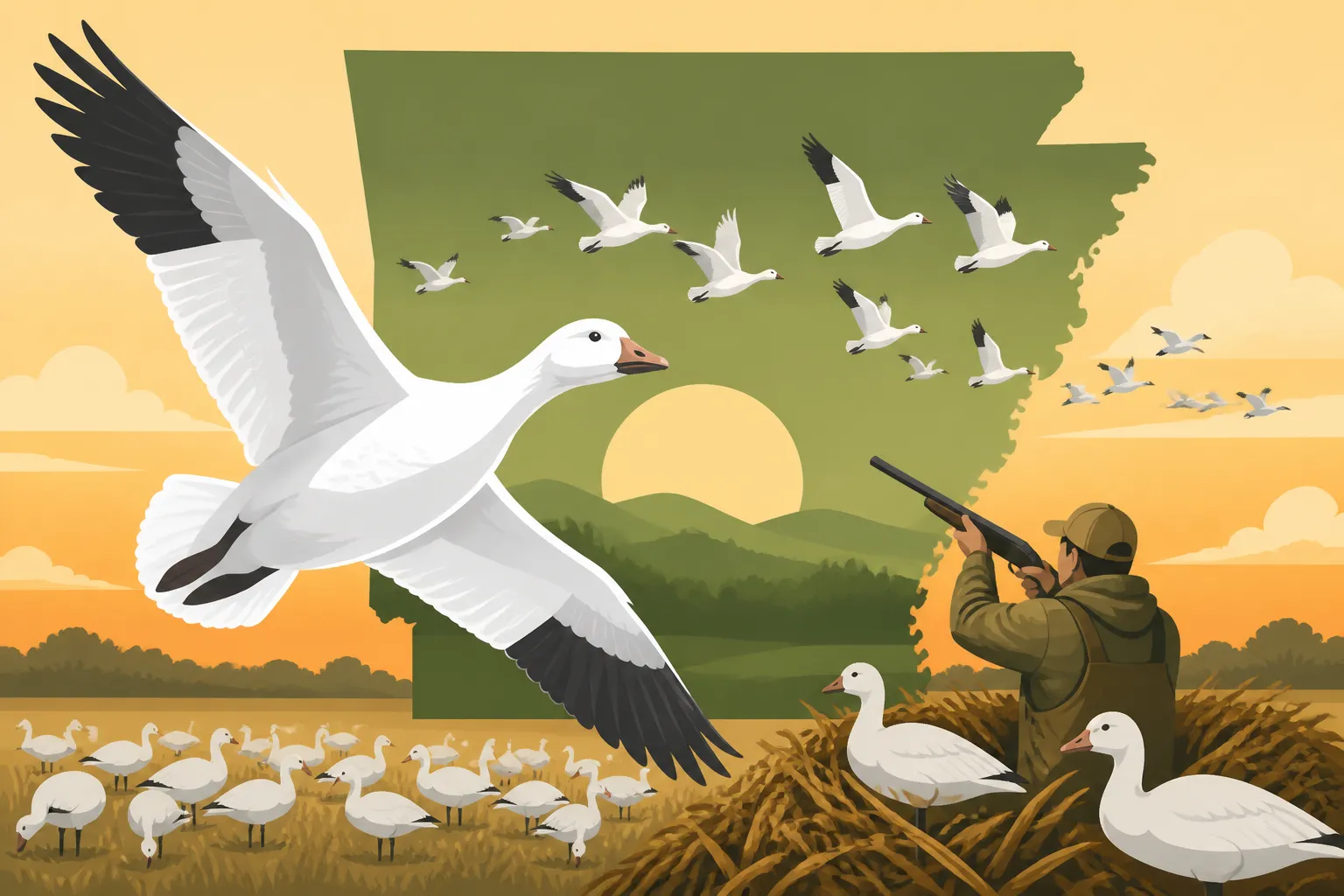
For spring snow geese in Arkansas, you'll almost exclusively be engaging in field hunting. This involves setting up large decoy spreads in agricultural fields, primarily harvested rice or soybean fields, where the geese come to feed. These fields offer the space needed for the massive decoy spreads and layout blinds essential for success. The habitat in the Delta is perfectly suited for this type of hunting.
While some geese might be found on large water bodies, the focus during the spring Conservation Order is overwhelmingly on capitalizing on their feeding patterns in the vast agricultural landscapes. Therefore, when you're looking at guide packages, assume it will be a field hunt using large decoy spreads and e-callers. There isn't really an "other method" that would be as effective or commonly offered for spring snows in this region. This specialized approach is detailed in posts like Hunting Rice Fields After Harvest which, while focusing on ducks, shares some of the field dynamics.
Preparing for Your Arkansas Spring Snow Goose Hunt
A guided hunt takes a lot of the logistical burden off your shoulders, but there are still things you need to do to ensure you're ready to maximize your experience. Being prepared helps both you and your guide have a more successful and enjoyable time afield.
Essential Gear and Clothing
Spring in Arkansas can be a mixed bag weather-wise. You might have mild, sunny days in the 60s, or you could encounter freezing rain, strong winds, and temperatures in the 30s. Layering is absolutely critical. Think warm base layers, insulating mid-layers, and a waterproof, windproof outer shell in a good camouflage pattern. White camouflage or snow camo patterns can be incredibly effective, especially if you'll be using layout blinds in barren fields or fields with a dusting of frost. A warm hat, gloves, and waterproof boots are non-negotiable. Remember, you'll likely be lying in a layout blind, potentially in cold, damp conditions for hours.
Don't forget your shotgun – a 12-gauge or even a 10-gauge is recommended for the power and shot payload needed for these tough birds. And speaking of shot, Nontoxic Shot Rules in Arkansas apply even during the Conservation Order, so steel or other approved nontoxic shot is mandatory. Bring plenty of shells; a good snow goose hunt can burn through a box quickly! Eye protection and ear protection are also essential. A headlamp is always a good idea for early morning setups. For hunters interested in general waterfowl prep, Arkansas Waterfowl Shooting Hours provides context on legal times.
Licensing and Regulations
Even though it's a Conservation Order, you still need to be properly licensed and compliant with all regulations. As a general rule, you will need a valid Arkansas hunting license, a state waterfowl stamp, and a federal duck stamp. You'll also need to register for the Harvest Information Program (HIP). For non-residents, you'll typically need a non-resident hunting license and a non-resident waterfowl stamp. Some guides might bundle these or assist with the process, but ultimately, it's your responsibility to ensure you're legal to hunt.
The beauty of the Conservation Order, as mentioned, is the allowance for unplugged shotguns and electronic calls. However, ensure you understand any specific regulations about carcass transport or CWD rules that might apply, especially if you plan to travel with large quantities of geese. Guides are usually very knowledgeable about these specifics, but it never hurts to be informed yourself. You can get more details on required permits and licenses from What an Arkansas Hunting License Covers.
Physical Demands and Expectations
Spring snow goose hunting can be physically demanding. You'll likely be walking across muddy, uneven, or rutted agricultural fields to get to your blinds. Setting up and tearing down decoy spreads, even with a guide's crew, can involve a lot of lifting, bending, and moving. You'll spend hours lying in a layout blind, often in cramped positions, then quickly springing up to shoot. If you have mobility issues or physical limitations, it's crucial to discuss this with your guide beforehand. They can often make accommodations, but it's important to set realistic expectations.
Expect early mornings and potentially long days. Birds might fly all day, or they might have specific flight windows. A good guide will stay out as long as the birds are flying and the opportunities are there. Also, be realistic about success. While guides put in incredible effort, snow geese are wild animals. Some days are phenomenal, with birds piling into the spread; other days, they might be wary, weather might be poor, or they might simply choose another field. Embrace the experience, the spectacle, and the camaraderie, and the birds will be a bonus.
Choosing the Right Snow Goose Guide in Arkansas
Selecting the right outfitter is paramount to a successful and enjoyable spring snow goose hunt. With many guides operating in the Delta, doing your homework is key.
Questions to Ask Potential Outfitters
Before booking, don't be shy about asking questions. A reputable guide will be happy to provide detailed answers. Here are some key inquiries:
- What is included in the package price? (Hunting, lodging, meals, bird cleaning, transportation, etc.)
- What is the typical group size? (How many hunters will be in the blind with you?)
- What kind of decoys and blinds do you primarily use? (Socks, full-bodies, rotaries, layout blinds, pit blinds?)
- How much scouting do you do before the hunt? (Are you hunting a fresh X, or a stale field?)
- What is your policy on cancellations or poor weather? (Do they offer rain checks, refunds, or rescheduling?)
- What are your expectations for hunter conduct and safety?
- Can you provide references from past clients? (This is critical!)
- Do you operate on leased land or public land? (Most snow goose guides are on private, leased fields.)
- What is the deposit requirement and payment schedule?
Don't just listen to the answers; gauge the guide's professionalism and willingness to communicate. This is an investment, and you deserve clear information. Platforms like BookYourHunt can be a good starting point for finding guides and seeing basic offerings, but always follow up with direct communication.
Understanding Success Rates and Claims
Every guide wants to showcase their best days, and photos of hundreds of birds on the ground are certainly alluring. However, it's important to approach success rate claims with a realistic mindset. No guide can guarantee a limit or a specific number of birds, because, as we discussed, these are wild animals.
Instead of focusing solely on numbers, try to understand the consistency of their success. Do they consistently put hunters on birds, even on slower days? How do they define a "successful" hunt? When reviewing potential guides, pay attention to client testimonials and references. Look for feedback that speaks to the guide's effort, scouting, equipment, and overall professionalism, not just a single monster shoot. A guide who puts in the hard work daily, regardless of the bird movement, is usually a better bet than one who only brags about their best days.
Booking and Deposit Considerations
Once you've chosen an outfitter, be prepared to put down a deposit to secure your dates. Spring snow goose season is relatively short and intense, and popular guides book up quickly. Always get a written confirmation of your booking, including dates, pricing, and what's included. Pay close attention to the cancellation policy. What happens if you need to cancel? What happens if the guide needs to cancel due to unforeseen circumstances (though this is rare once dates are set)?
It's also a good idea to discuss payment methods and when the final balance is due. Some guides prefer cash for the remaining balance on the day of the hunt, while others accept cards or checks. Being clear on these financial aspects upfront will prevent any misunderstandings later on. Remember, a good guide-hunter relationship starts with clear communication and mutual understanding. If you're looking for different packages, keep an eye on listings that include Spring Snow Goose Outfitters in the Delta.
| Feature | Day Hunt Package | Multi-Day Package |
|---|---|---|
| Duration | Single morning/full day | Multiple consecutive hunting days |
| Inclusions | Guided hunt, decoys, e-callers, blinds | Guided hunts (multiple), decoys, etc. |
| Lodging | Not included, hunter arranges own | Often included (lodge, hotel) |
| Meals | Not included | Often included (breakfast, lunch, dinner) |
| Bird Cleaning | Usually extra cost, or DIY | Often included, or discounted rate |
| Cost | Generally lower per day | Higher overall cost, but good value |
| Ideal For | Local hunters, those with own lodging | Travelers, immersive experience |
| Flexibility | Less adaptable to shifting birds | More opportunity to adjust to bird movement |
| Travel | Less travel coordination needed | More comprehensive travel package |
Disclaimer
This article is for general informational purposes only and does not constitute professional advice. Laws, prices and regulations vary by location and change over time. Consult a qualified professional for guidance on your specific situation.