Lodge Rooms and Meal Plans
One of the biggest joys of planning a hunting trip to Arkansas, especially if you're coming from out of state or just looking for a more organized experience, is picturing yourself relaxing after a long day in the woods or on the water. But the reality can sometimes be a bit of a mixed bag when it comes to lodge rooms and meal plans. You might find yourself wondering if that "rustic lodge" means you're really roughing it, or if "meals provided" truly covers everything you'll need. This guide is here to walk you through the ins and outs of accommodations and food when booking a guided hunt in Arkansas, helping you set realistic expectations and ensure your trip is as comfortable as it is successful.
Understanding What "Lodge" Means in Arkansas Hunting
When you hear the term "hunting lodge" in Arkansas, it can conjure up a whole spectrum of images, from a cozy cabin with a wood-burning stove to a sprawling estate with all the modern amenities. The truth is, the term itself is pretty broad, and what you get can vary wildly depending on the outfitter, the region, and, of course, the price point. It’s crucial to dig a little deeper than just the name to understand what kind of experience you're truly signing up for.
The Range of Accommodations: From Rustic Bunkhouses to Luxury Stays
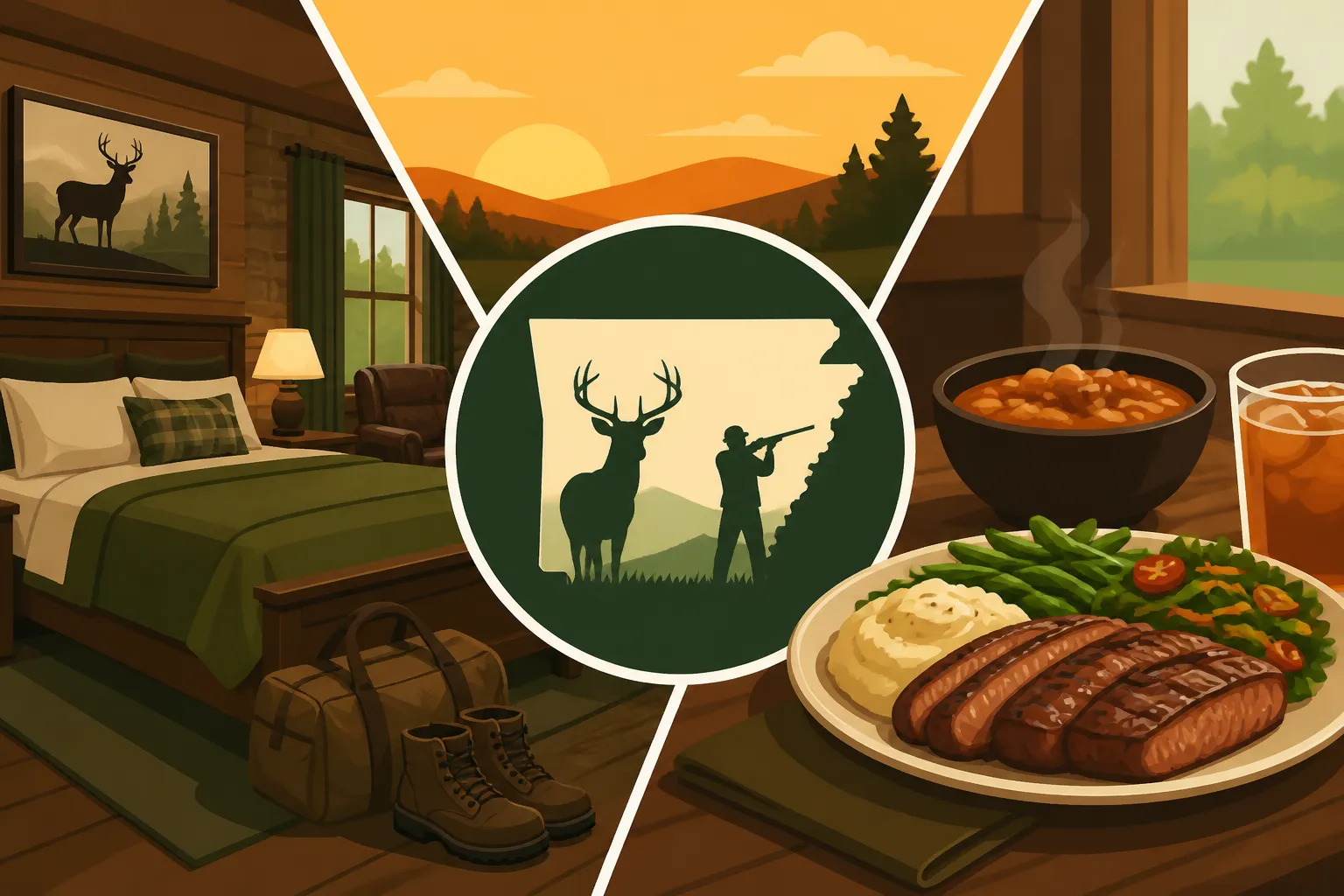
Arkansas hunting accommodations can truly run the gamut. On one end, you might find yourself in a straightforward, no-frills bunkhouse. These are often geared towards a more traditional, communal hunting camp experience, where the focus is firmly on the hunt itself, not on luxurious living. Think multiple beds in a shared room, maybe a communal bathroom, and a common area for meals and storytelling. These can be fantastic for camaraderie and keeping costs down, offering a truly authentic feel that many hunters cherish, especially when experiencing Arkansas Deer Camp Traditions.
On the other side of the spectrum are the high-end, all-inclusive lodges. These are more akin to resorts, offering private rooms with comfortable beds, en-suite bathrooms, daily cleaning services, and often a host of other amenities like hot tubs, game rooms, and even private chefs. These lodges aim to provide a pampered experience, making sure every detail of your stay is handled so you can focus solely on hunting and relaxation. The type of hunting often dictates the lodge style too; a duck hunting lodge in the Delta might be very different from a deer or bear camp in the Ozarks or Ouachitas.
Key Features to Expect in Lodge Rooms
So, what should you really expect when it comes to the actual room you'll be sleeping in? It's always best to ask for specifics, but generally, you can anticipate a few common features, or the lack thereof. Most lodges will provide a bed, naturally. This could be anything from a twin bunk bed in a shared room to a queen-sized bed in a private room. Linens and towels are usually provided in more established lodges, but it's not a given everywhere, especially in those more rustic setups. If you're a creature of comfort, always confirm this, or be prepared to pack your own sleeping bag and a travel towel.
Beyond the bed, consider the bathroom situation. Is it private to your room, or will you be sharing a bathroom down the hall with other hunters? Hot water availability can also be a factor, especially if you're in a more remote location with older infrastructure. Heating and air conditioning are typically standard in most lodges, particularly if you're hunting during the hotter Bowhunting Arkansas in September Heat or colder winter months, but again, it’s worth a quick query. Things like internet access and television can be hit or miss; some lodges proudly offer a "digital detox" environment, while others understand the need to stay connected or catch a game after the hunt. If connectivity is important for work or family check-ins, make sure to ask about Wi-Fi availability and reliability before you commit.
Navigating Meal Plans: What's on the Menu (or Not)?
Food is often a highlight of any hunting trip, providing the fuel you need for early mornings and the comfort for winding down in the evenings. Just like accommodations, meal plans offered by Arkansas outfitters can vary significantly, from fully catered experiences where you don't lift a finger, to situations where you're responsible for all your own grub. Understanding these differences is key to planning your budget and packing list.
The All-Inclusive vs. Self-Catering Spectrum
The most common arrangement you'll encounter is an all-inclusive meal plan, especially with many of the duck hunting lodges in the Arkansas Delta. This typically means breakfast, lunch, and dinner are provided as part of your package. Breakfasts are often hearty and early, designed to get you fueled up before heading out to the blind or stand. Lunches might be packed to take with you, or you might return to the lodge for a warm meal, depending on the hunt's structure. Dinners are usually the main event, a chance to gather, share stories, and enjoy a substantial, home-cooked meal. This type of plan is fantastic for convenience and fostering fellowship among hunters.
On the other hand, some outfitters, particularly those offering more budget-friendly or semi-guided trips, might offer a self-catering option. This means the lodge provides kitchen facilities – stove, refrigerator, cookware, and utensils – but you're responsible for buying and preparing all your own food. This can be a great way to save money and cater to specific dietary preferences, but it requires more planning and effort on your part. It's often favored by groups who enjoy cooking together or who have very particular tastes. When you're looking at various options, services like BookYourHunt often detail these meal specifics clearly on their listings, allowing for easy comparison.
Typical Arkansas Hunting Camp Cuisine
So, what kind of food can you expect when meals are provided? Arkansas hunting cuisine leans heavily into comfort food, designed to warm you up, fill you up, and provide energy for demanding days. Expect things like biscuits and gravy, eggs, bacon, sausage, and coffee for breakfast. For lunch, it might be sandwiches, chili, or perhaps a hearty soup. Dinners are where many lodges shine, offering dishes like fried chicken, pot roast, steaks, catfish, deer chili, and plenty of classic Southern sides like mashed potatoes, green beans, cornbread, and homemade desserts. It’s definitely not the time to be counting calories!
Many lodges are proud of their culinary offerings, and often employ local cooks who specialize in traditional Southern fare. However, it's absolutely vital to communicate any dietary restrictions or allergies well in advance of your trip. Don't just assume they can accommodate a gluten-free, vegetarian, or severe nut allergy on the fly. A good outfitter will make every effort to work with you, but they need proper notice to plan and purchase ingredients. If you're planning a trip around Arkansas Modern Gun Deer Hunting, a hot meal back at the lodge can be a welcome relief after a cold morning in the woods.
Asking the Right Questions Before You Book
You've done your research, you've looked at options on sites like GoHunt, and you've found a few outfitters that look promising. Before you put down that deposit, pick up the phone and have a detailed conversation. This is where you clarify all those little details that can make a big difference in your overall experience. Don't be shy; a reputable outfitter will appreciate your thoroughness and be happy to answer all your questions.
Specifics About Your Room
Beyond the basic bed and bathroom, there are several nuances about your room that are worth asking about. For instance, if it’s a shared room, how many people will be in it? Is there adequate storage for your gear and clothing, or will you be living out of your duffel bag? While many lodges have designated mud rooms or gear drying areas, confirming if there’s space in your room or a convenient spot nearby for wet clothes or boots after a morning in the Hunting Arkansas Flooded Green Timber can be a real game-changer.
Furthermore, inquire about privacy. While shared rooms are common, some lodges might offer curtains or partitions. Is there good sound insulation between rooms if you’re a light sleeper, or is it a thin-walled cabin where every snore is heard? If you have specific needs, like needing a quiet space for an early bedtime before a Spring Turkey Hunting in the Arkansas Ozarks adventure, it’s best to know upfront. Also, confirm if there are outlets for charging your phone, headlamp, and other electronics, as well as if there’s potable water easily accessible.
Clarifying Meal Service Details
The meal plan isn't just about whether food is included; it's about the logistics and specifics. Ask how many meals are provided each day – is it strictly breakfast and dinner, or do they include a packed lunch or snacks for the field? What kind of drinks are available? Is coffee always on, or do you need to bring your own? Is there a cooler for your personal beverages? Some lodges might include soft drinks and water, but alcohol is usually bring-your-own or an extra cost. It's good to know the policy beforehand, especially if you enjoy a cold beer after the hunt.
Also, ask about meal times. Are they set rigidly, or is there flexibility based on the hunting schedule and success? For instance, if you limit out on ducks early, will lunch still be waiting? If you're on an evening hunt, will dinner be held for you, or do you need to grab something beforehand? As mentioned, firmly reiterate any dietary restrictions or allergies and ask how they plan to accommodate them. A good outfitter will clearly outline their approach to Lodge Accommodation and Meals and be transparent about what’s included and what isn’t.
Beyond the Basics: Hidden Costs and Amenities
Sometimes, it’s the little things that can add up or enhance your trip significantly. Many lodges offer amenities that aren't necessarily part of the room or meal plan but are incredibly useful. Ask about laundry facilities – is there a washer/dryer available for guest use, and if so, is there a fee? Is there a dedicated area for cleaning your guns, or for drying out waders and boots after a wet duck hunt? These seemingly small details can greatly improve your comfort and readiness for the next day's hunt.
Another big one, especially if you’re successful, is game processing. Does the lodge offer facilities for field dressing, cleaning, or even full processing of your harvest? Are there coolers or freezers available to store your meat, especially important when hunting in Arkansas CWD Rules and Carcass Transport zones? Some lodges might offer basic bird cleaning and packaging as part of the service, while others might charge an additional fee for Bird Cleaning and Packaging Services. If you're bringing your own hunting dog, inquire about kennel facilities; some lodges have excellent setups, while others may not allow dogs inside or on the property. Knowing these things ahead of time ensures you're prepared and don't encounter any unwelcome surprises or extra expenses. Don't forget to inquire about gratuities; Tipping Guides and Dog Handlers is customary and an important part of the hunting industry, so understanding how that works at your chosen lodge is crucial for budgeting.
Making the Most of Your Lodge and Meal Experience
Even with all your questions answered and expectations set, a successful hunting trip in Arkansas often comes down to adaptability and smart preparation. The unique challenges and environments, whether you're deer hunting in the Ouachitas or chasing waterfowl in the Delta, mean that flexibility is your best friend.
Packing Smart for Lodge Living
If you've booked a more rustic or self-catering lodge, your packing list will need to reflect that. Always assume less is provided rather than more. This might mean bringing your own sleeping bag, pillow, extra towels, and all your personal toiletries. A travel power strip can be invaluable if outlets are scarce, ensuring all your devices stay charged. Consider packing your favorite snacks, especially if you have specific dietary needs or just want something familiar after a long day. If the internet is spotty or nonexistent, a good book or some downloaded entertainment can make evenings more enjoyable.
For shared room scenarios, earplugs are your best friend against snoring roommates, and a sleep mask can help if there's ambient light. Even in all-inclusive settings, having a small cooler for personal beverages or snacks can be a nice touch. And don't forget the practical items like a small flashlight or headlamp for navigating the lodge or grounds in the dark, which is especially important during those early morning departures for Hunting the Arkansas Early Buck-Only Archery Days.
Managing Expectations and Being Flexible
Remember, the primary goal of most hunting trips in Arkansas is the hunt itself. While comfortable accommodations and delicious food certainly enhance the experience, they are usually secondary to the pursuit of game. It's important to go into the trip with a realistic mindset. A "lodge" might be a basic but clean cabin, and the "meal plan" might be simple but hearty fare cooked by a local. Embrace the experience for what it is – an opportunity to connect with nature, fellow hunters, and the rich hunting heritage of Arkansas.
Flexibility is key. Weather can change drastically, affecting hunting conditions and sometimes even access. Water levels in the Delta can fluctuate, impacting how you reach your duck blind. A successful morning might mean an earlier return to the lodge, while a slow day might mean staying out longer. Meal times or even hunting schedules might shift to accommodate these variables. A relaxed attitude and a willingness to go with the flow will ensure you enjoy your trip, regardless of minor bumps along the way. Your outfitter is working hard to provide the best possible hunt, and your understanding and cooperation will contribute to a positive atmosphere for everyone, from Youth Hunters at an Arkansas Lodge to seasoned veterans.
| Feature | Rustic Lodge (Often Self-Catering/Basic Meals) | All-Inclusive Lodge (Catered Meals) |
|---|---|---|
| Rooms | Shared bunk rooms, basic beds | Private rooms, comfortable beds |
| Bathrooms | Communal, shared bathrooms, limited hot water | En-suite bathrooms, ample hot water |
| Linens/Towels | Often BYO or basic provided | Always provided, often daily refreshed |
| Meals | Self-catering (kitchen provided) or very basic provided meals | All meals (breakfast, lunch, dinner) provided |
| Cuisine | Simple, hearty, often cook-your-own | Diverse, traditional Southern comfort food, sometimes gourmet |
| Snacks/Drinks | BYO | Often included (non-alcoholic) |
| Internet/TV | Limited or none | Often available, sometimes in common areas only |
| Amenities | Basic drying areas, no frills | Dedicated gun/wader rooms, game processing, possibly kennels, entertainment |
| Privacy | Low (shared rooms) | High (private rooms) |
Ultimately, booking a hunting trip with an outfitter in Arkansas is an investment in an experience. By thoroughly investigating the Lodge Rooms and Meal Plans and having clear communication with your chosen outfitter, you can ensure that your off-the-field experience complements your on-the-field adventure. Whether you prefer the rustic charm of a shared bunkhouse or the pampered comfort of a luxury lodge, knowing what to expect will allow you to relax, enjoy the camaraderie, and focus on what you came to do: hunt the incredible landscapes of Arkansas.
Disclaimer
This article is for general informational purposes only and does not constitute professional advice. Laws, prices and regulations vary by location and change over time. Consult a qualified professional for guidance on your specific situation.