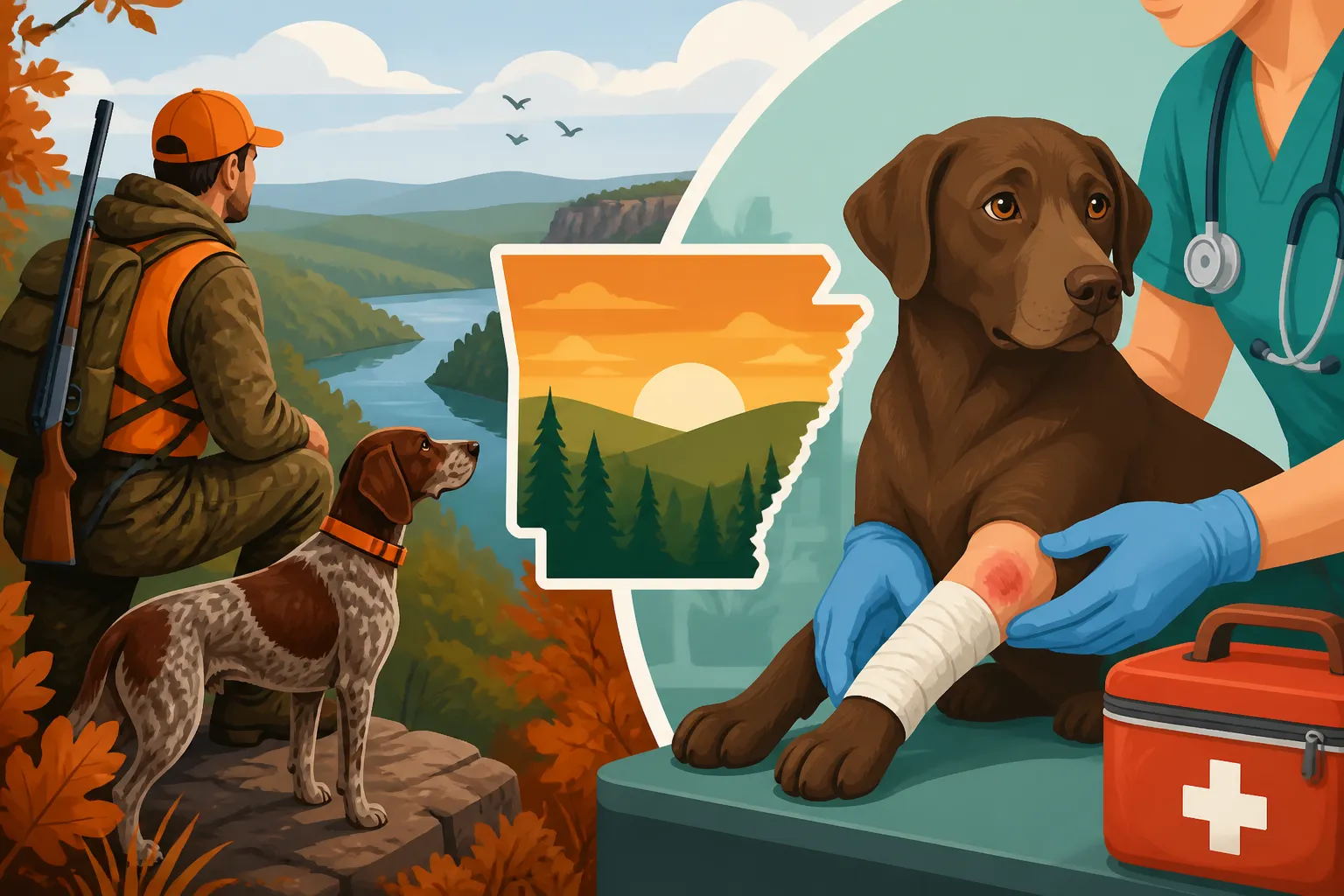
Vet Care and Dog Injuries on a Trip
Hunting in Arkansas with our canine companions is an experience like no other, but it also comes with its share of worries. The last thing any dedicated hunter wants is for their loyal four-legged partner to get hurt miles from anywhere, especially when you're deep in the Delta's flooded timber or scaling a rocky Ozark ridge. This guide is all about preparing you for those inevitable bumps, scrapes, and more serious injuries your hunting dog might face on an Arkansas adventure, ensuring you know how to provide immediate care and navigate veterinary needs when you're away from home.
Common Hunting Dog Injuries in Arkansas
Arkansas hunting grounds are as diverse as they are beautiful, and each terrain presents unique challenges and potential hazards for our hunting dogs. Understanding what to look out for is the first step in prevention and quick response.
Cuts, Lacerations, and Punctures
These are probably the most frequent injuries we see in hunting dogs, and they can range from minor scrapes to deep, bleeding wounds. Whether you're chasing squirrels through a thicket or your retriever is plowing through flooded timber, sharp objects are everywhere. Think about barbed wire fences hidden under overgrowth, jagged stumps in a green tree reservoir, broken glass near old homesteads, or even sharp rocks along a creek bed in the Ozarks. A dog might jump a downed log and land awkwardly on something unseen, or a fast-moving pup could slice a paw pad on a submerged branch while retrieving in cold water. These injuries not only bleed profusely but can also get infected quickly in the marshy, muddy environments often found in the Arkansas Delta. It’s crucial to assess the wound size, depth, and whether any foreign objects are embedded right there in the field.
Joint and Muscle Strains/Sprains
Just like human athletes, hunting dogs are susceptible to strains and sprains, particularly when pushing themselves across challenging terrain. Picture your deer dog leaping over a blowdown in the Ouachitas, or your bird dog making a hard stop in a muddy rice field. The uneven ground, sudden movements, and repetitive high-impact actions can put immense stress on their joints, ligaments, and muscles. A dog might twist an ankle navigating the rocky, leaf-covered ground of an Ozark hardwood forest or pull a muscle trying to break through thick ice to retrieve a duck. Signs of these injuries can be subtle at first—a slight limp after a rest, reluctance to put weight on a leg, or a decreased desire to run and retrieve. These aren't usually life-threatening, but they can quickly sideline a hunt and require careful management to prevent long-term issues.
Heat Exhaustion and Hypothermia
Arkansas weather can be incredibly unpredictable, swinging from sweltering humidity in the early seasons to biting cold and icy conditions during duck season. Bowhunting Arkansas in September Heat means dealing with temperatures that can quickly lead to heat exhaustion in an active dog. Overexertion in high temperatures, especially for breeds with thick coats or those not properly conditioned, can escalate rapidly. Symptoms include excessive panting, lethargy, bright red gums, vomiting, and even collapse. Conversely, late-season Green Timber Duck Hunting in Arkansas can expose dogs to freezing water and air temperatures for extended periods, risking hypothermia. A dog that is constantly wet, especially if they are smaller or have less body fat, can lose body heat dangerously fast. Shivering, weakness, and cold skin are warning signs. Both conditions are serious and require immediate intervention to stabilize the dog's body temperature.
Snakebites and Insect Stings
Arkansas is home to several venomous snakes, including cottonmouths (water moccasins) common in the Delta's wetlands, and various rattlesnakes found across the state. A curious dog investigating a brush pile or retrieving from a swampy area is at risk. Snakebites are often on the face, neck, or limbs, and quickly cause swelling, pain, and sometimes severe tissue damage. Prompt identification and veterinary care are vital. Beyond snakes, bees, wasps, and fire ants are common and can cause painful stings. While most insect stings are merely irritating, some dogs can have severe allergic reactions, leading to swelling, hives, difficulty breathing, or even anaphylactic shock. Knowing how to recognize these threats and react quickly can save your dog's life.
Essential Field First Aid for Your Hunting Dog
No matter how careful you are, injuries can happen. Being prepared with a well-stocked first aid kit and the knowledge to use it can make all the difference when you're miles from the nearest vet.
Building a Comprehensive Dog First Aid Kit
This isn't just about throwing a few bandages in a bag; it's about having the right tools for common hunting-related mishaps. Think of it as your dog's personal trauma kit, ready for anything. You'll want antiseptic wipes or spray, like chlorhexidine, to clean wounds, and sterile gauze pads and vet wrap to control bleeding and protect injuries. Medical tape is essential for securing dressings. A pair of blunt-nosed scissors is handy for cutting gauze or tape, and tweezers are indispensable for removing splinters, thorns, or ticks. An eyewash solution can flush debris from eyes, especially after a run through thick cover. Always carry a digital thermometer to check for fever or hypothermia. For pain and inflammation, only administer medications specifically approved by your vet, like a prescribed anti-inflammatory. An antihistamine, such as diphenhydramine (Benadryl), can be a lifesaver for allergic reactions to insect stings. Consider a styptic powder to stop bleeding from minor nail injuries. Finally, a muzzle is a critical safety item; even the sweetest dog can bite when in severe pain.
Here's a quick checklist for your field first aid kit:
| Item | Purpose | Notes |
|---|---|---|
| Antiseptic Wipes/Spray | Cleaning wounds | Chlorhexidine or Betadine wipes |
| Sterile Gauze Pads | Covering wounds, absorbing blood | Various sizes |
| Vet Wrap (Self-Adhesive) | Securing dressings, compression | Doesn't stick to fur, provides light compression |
| Medical Tape | Securing gauze, splints | Durable, waterproof if possible |
| Blunt-Nosed Scissors | Cutting materials, trimming fur around wounds | Safe for use near skin |
| Tweezers/Tick Remover | Removing splinters, thorns, ticks | Fine-tipped for precision |
| Eyewash Solution | Flushing debris, irritants from eyes | Saline solution |
| Digital Thermometer | Checking body temperature | Rectal thermometer for accuracy |
| Vet-Approved Pain Reliever | Managing pain and inflammation | Consult your vet for prescription and dosage |
| Antihistamine | Allergic reactions (e.g., insect stings) | Diphenhydramine (Benadryl), consult vet for dosage |
| Styptic Powder | Stopping minor bleeding (e.g., nail breaks) | Quick-clotting agent |
| Muzzle (Soft/Basket) | Preventing bites during examination/treatment | Even gentle dogs can bite when in pain |
| Examination Gloves | Hygiene, preventing contamination | Disposable latex or nitrile gloves |
| Emergency Blanket | Treating shock, hypothermia | Space blanket or similar |
| Flashlight/Headlamp | Examining wounds in low light | Essential for evening/night hunts |
| Emergency Contact Info | Vet, emergency vet, lodge, personal contacts | Laminated card |
On-Site Injury Assessment and Stabilization
When your dog gets hurt, the first thing is to stay calm. Your dog will pick up on your stress, which can make things worse. Approach cautiously, speak in a reassuring tone, and if necessary, gently apply the muzzle to protect yourself. Visually inspect your dog for obvious injuries, checking their paws, legs, body, and face. For bleeding wounds, apply direct pressure with a clean gauze pad. If it’s a deep cut, try to keep the edges together and cover it. For suspected sprains or breaks, try to keep the limb as still as possible; a makeshift splint with vet wrap and a stick can help, but don't force it if it causes more pain.
If you suspect heat exhaustion, get your dog into the shade immediately, offer small amounts of water, and apply cool (not icy) water to their belly, armpits, and groin. For hypothermia, dry your dog off thoroughly, wrap them in a warm blanket or towel, and get them somewhere sheltered and warm. Never rub them vigorously to warm them up, as this can be harmful. The goal here is stabilization: prevent further injury, control immediate threats like bleeding, and make your dog as comfortable as possible for transport.
When to Seek Professional Veterinary Care
Knowing when a field fix isn't enough is crucial. Any deep laceration, especially if it's over a joint or shows exposed bone/tendon, needs a vet. Persistent bleeding that you can't control, or a wound that seems infected, demands professional attention. If you suspect a broken bone, a dislocation, or a serious joint injury causing significant lameness, get to a vet. For snakebites, even if your dog seems okay at first, veterinary care is almost always required for antivenom and supportive care. Severe heat stroke or hypothermia after initial stabilization also warrants a vet visit, as these can have lasting effects on organs. If your dog is in severe pain, lethargic, unresponsive, or shows any signs of difficulty breathing or collapse, don't delay – load them up and head straight for the nearest emergency clinic. It's always better to be overly cautious than to regret waiting.
Navigating Vet Care While on an Arkansas Hunting Trip
You’re out in the beautiful Arkansas wilderness, far from your usual vet. This is where pre-planning truly pays off.
Pre-Trip Planning: Finding Local Vets
Before you even pack your bags, take some time to identify veterinary clinics near your hunting destination. If you're heading to the Delta for duck season, research vets in towns like Stuttgart, Jonesboro, or Pine Bluff. If you're going to the Ozarks for deer, look up clinics around Mountain Home, Harrison, or Russellville. Don't just find their names; call them! Ask about their hours, if they handle emergencies, what their after-hours protocol is, and if they have experience with hunting dog injuries. Some clinics might be small and not equipped for major surgeries, while others might have emergency services. Keep a list of these contacts, along with their addresses and phone numbers, saved on your phone and printed out with your hunting permits. For more in-depth scouting of your hunting area, especially for identifying potential hazards or remote access points, resources like GoHunt's mapping tools can be invaluable, and might even help you identify nearby towns with services.
Communicating with Outfitters and Lodge Staff
If you're booking a guided hunt or staying at a lodge, make sure to discuss your dog's needs and your emergency plan with the outfitter or lodge staff beforehand. When you're looking at different lodges on platforms like BookYourHunt, don't hesitate to use their messaging features to ask specific questions about their policies regarding hunting dogs and what resources they have for vet care. Do they have a preferred local vet they work with? Do they offer any assistance with transport in an emergency? Some lodges might have their own kennels or even first aid supplies for dogs. Clarifying these points early can save valuable time and stress during an emergency. They often know the quickest routes to town and who to call after hours, which can be invaluable when you're in an unfamiliar area.
Emergency Transport and Logistics
Getting an injured dog to a vet, especially from a remote hunting spot, can be a major challenge. Consider the type of vehicle you'll be using for the hunt. Is it capable of navigating rough terrain and transporting a potentially large, injured dog comfortably? If you're in a tight spot in flooded timber, you might need to rely on an ATV or boat to get back to your vehicle. Having a sturdy dog crate or a durable tarp to help carry a non-ambulatory dog can be incredibly useful. In a true emergency, consider asking a fellow hunter or your guide for assistance. Time is often of the essence with severe injuries, so having a plan for rapid extraction and transport is just as important as having your first aid kit. Remember, if you're traveling a significant distance, keeping your dog comfortable and warm (or cool) during transport is key.
Preventing Injuries: Best Practices for Healthy Hunting Dogs
Prevention is always better than cure, and that certainly holds true for our hunting dogs. A little foresight and consistent effort can dramatically reduce the risk of injuries.
Conditioning and Physical Preparation
A dog that's physically fit is less likely to suffer strains, sprains, or heat exhaustion. Don't expect your dog to go from couch potato to a full day of hunting in the Arkansas Modern Gun Deer Hunting season without proper conditioning. Start months before the season with a gradual exercise program: regular runs, long walks, and simulated retrieves. Increase the intensity and duration slowly. Ensure your dog is at a healthy weight; excess weight puts undue stress on joints. A balanced, high-quality diet is also essential for maintaining energy levels and muscle health. Regular veterinary check-ups throughout the year can catch underlying health issues before they become problems in the field. Think of it like training an athlete – consistency and care are paramount.
Gear and Protection
Just as you wear appropriate gear for hunting, your dog can benefit from protective equipment. Hunting dog vests, often made from durable Cordura or Kevlar, can offer crucial protection against briars, sharp sticks, and barbed wire, particularly when working through dense cover. These are especially valuable in the thick brush of the Delta or the rugged terrain of the Ouachitas. Dog boots can protect paw pads from cuts, abrasions, and extreme temperatures (both hot pavement and freezing ground). While some dogs take time to get used to them, they can save a hunt by preventing painful foot injuries. For water retrievers in cold weather, neoprene vests provide insulation, helping to prevent hypothermia when they are repeatedly exposed to icy water during Hunting Arkansas Flooded Green Timber. Ensure any gear fits properly to avoid chafing or restriction of movement.
Environmental Awareness and Risk Mitigation
Before you take your dog into a new hunting area, whether it's Scouting Arkansas Public Land Before Season or just exploring a new corner of your leased ground, take the time to visually inspect it for hazards. Look for old wire fences, broken glass, sharp rocks, and any potentially dangerous debris. Identify areas of dense briars or thick undergrowth where cuts are more likely. Pay attention to water conditions: is it swift, deep, or potentially full of submerged obstacles? For early season hunts, monitor the weather closely. On hot days, plan shorter hunts, provide frequent water breaks, and hunt during the cooler parts of the day. In cold weather, ensure your dog isn't spending too much time inactive in freezing conditions. Always carry extra water for your dog, even on what seems like a cool day, as dehydration can happen quickly with exertion. Being proactive about identifying and mitigating risks can significantly reduce the chances of your hunting dog getting injured.
Disclaimer
This article is for general informational purposes only and does not constitute professional advice. Laws, prices and regulations vary by location and change over time. Consult a qualified professional for guidance on your specific situation.