Hunting With a Landowner You Know
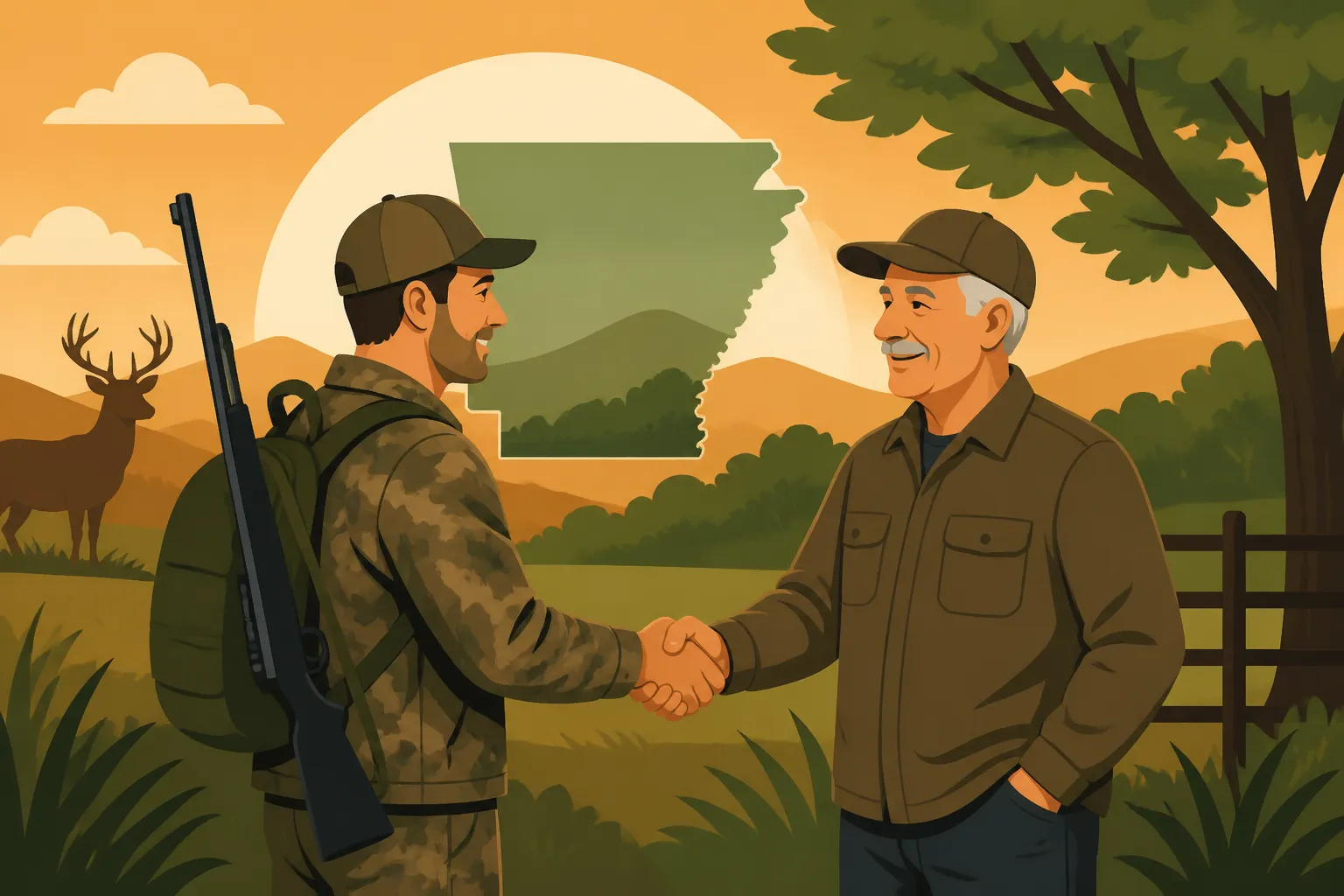
Finding quality hunting ground can feel like a never-ending battle, especially with increasing pressure on public land. Many hunters dream of a private spot where they know the lay of the land, understand the wildlife, and can escape the crowds. This guide is all about navigating the unique world of hunting with a landowner you already know, delving into how to secure that coveted permission, uphold your end of the bargain, and foster a lasting relationship that benefits everyone involved.
The Foundation: Building and Nurturing Landowner Relationships
Getting access to private land through a personal connection isn't just about a one-time ask; it's about investing in a long-term relationship built on trust, respect, and mutual benefit. Unlike searching for a new lease through services like BookYourHunt, where the transaction is often purely financial, hunting with someone you know involves a deeper social contract.
Understanding the Landowner's Perspective
Before you even think about asking, try to put yourself in the landowner's boots. What are their concerns? They might worry about liability, property damage, safety, or simply not wanting their peaceful enjoyment of their land disturbed. They might have livestock, crops, or family members who also use the property. Maybe they've had bad experiences with past hunters who left gates open, drove across planted fields, or shot too close to buildings. Your approach needs to acknowledge these potential anxieties and offer solutions before they even voice them.
Think about the value you bring to them beyond just being a hunter. Are you known for being responsible, respectful, and reliable? Do you have skills they might appreciate, like fixing fences, helping with chores, or offering a hand during harvest season? These small acts of goodwill, performed consistently over time, can build a foundation of trust that money can't buy. It's about demonstrating you're a good neighbor, not just a seasonal visitor with a gun or bow.
The Long Game: Cultivating Trust Over Time
Building a relationship with a landowner for hunting purposes is often a marathon, not a sprint. If you're hoping to hunt land owned by a distant cousin, a family friend, or even a local farmer you've known for years, the groundwork might already be there. But even with existing relationships, you still need to actively nurture them.
Stop by their place periodically, even when it's not hunting season. Offer to help with mundane tasks. Maybe they need a hand moving hay bales, repairing a gate that a storm damaged, or just chatting over coffee. Share some of the bounty from your garden, or a few fish from your last outing. These gestures show you value their friendship and their land, not just the deer or ducks on it. It’s about being present and helpful, making sure they see you as a consistent, positive presence, not just someone who shows up when they want something. This proactive engagement makes the eventual request for hunting permission feel natural and earned, rather than opportunistic.
The Ask: Approaching a Landowner for Hunting Permission
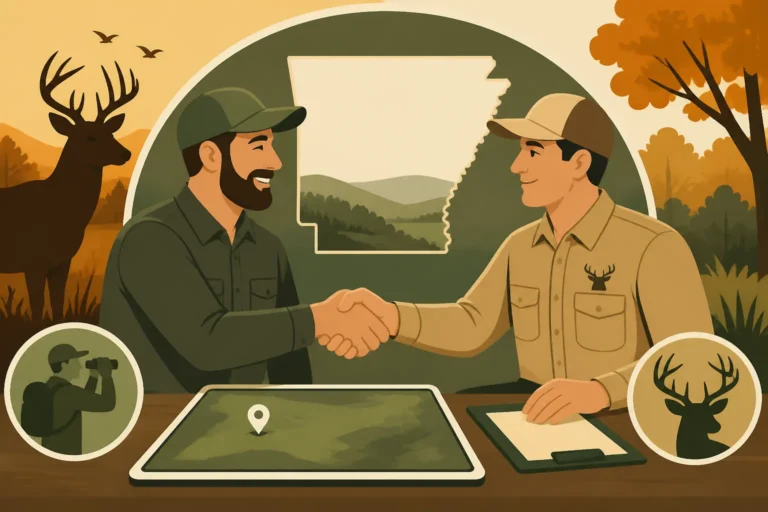
When the time feels right, and you've established a good rapport, the actual request for hunting permission needs to be handled with grace and clarity. This isn't a casual mention over dinner; it's a specific conversation.
Timing and Tone: When and How to Ask
Choose your moment carefully. Don't ask at a family gathering or a busy community event where they might feel pressured or distracted. A quiet, private setting is best, perhaps when you're already helping them with a task, or during a planned visit where you have their full attention.
Start by expressing your appreciation for their land and their friendship. Then, be direct but polite. Something like, "I've always admired your property, and I know you have some great wildlife around here. I was wondering if you ever allow anyone to hunt deer [or turkeys, or ducks] on your place?" This open-ended question invites a conversation rather than demanding a yes or no. Be prepared for either answer, and be genuinely understanding if they decline or express reservations. No matter the outcome, maintain your positive relationship.
Laying Out Your Intentions and Addressing Concerns
If they express interest or ask questions, be ready to detail your plans. What species are you interested in? What time of year? How often do you plan to be there? Will you be alone, or will you bring others?
Here's where you can proactively address their potential concerns:
- Safety: Emphasize your commitment to safety. "I always prioritize safety, wear hunter orange when appropriate, and am meticulous about knowing my backstops." You might mention you've completed Arkansas Hunter Education Age Requirement or have a Arkansas Hunter Education and Safety Rules certification.
- Property Damage: Assure them you will respect their property. "I'll park where you prefer, close all gates, stay away from livestock, and be incredibly careful around crops or buildings." Mentioning that you'll use a specific route for Entry Routes Through Flooded Timber or for accessing your stand can be reassuring.
- Liability: This is often a big one for landowners. While Arkansas law offers some protection to landowners who allow recreational use of their land for free, they might not know that. You could say, "I understand liability is a concern, and I'm happy to sign a waiver if that helps, or discuss any concerns you have." Do some homework on Arkansas Trespass and Permission Law beforehand.
- Communication: Promise regular communication. "I'll always let you know when I plan to be on the property, and I'll check in before and after my hunts."
- Specifics: Discuss things like where you'll park, which areas are off-limits (near houses, barns, pastures), and what animals you'll target. If you're interested in deer, clarify if you're looking for antlered bucks only, or if you'd be willing to take antlerless deer if they have a depredation issue.
Presenting a clear, responsible plan shows respect and demonstrates that you've thought this through. While platforms like GoHunt might offer maps and property lines for leases, a personal conversation with a known landowner is about far more than boundaries; it's about trust.
The Responsibility: Being a Stellar Guest Hunter
Once you get that precious "yes," your responsibilities truly begin. This isn't just about following the law; it's about upholding the trust you've worked so hard to build. Think of yourself as an ambassador for all hunters.
Before, During, and After the Hunt
Your actions, from the moment you consider stepping onto their land until you leave, reflect directly on your reputation and the likelihood of future access.
Before the Hunt:
- Communicate: Always call or text the landowner before you go. "Hey [Landowner's Name], planning to head out to the back forty tomorrow morning for a deer hunt, okay with you?" Confirm their schedule and any specific instructions. This is crucial for their peace of mind and your safety.
- Know the Boundaries: Even if you think you know them, double-check. Confirm any no-go zones (e.g., specific fields, near homes, sensitive areas). You don't want to inadvertently trespass onto a neighbor's land or spook their cattle.
- Understand Rules: Discuss specific rules they might have that go beyond state regulations. Do they have preferences on when you hunt (e.g., not on Sundays)? Do they allow ATVs, or is it walk-in only? What about taking non-hunting guests?
During the Hunt:
- Safety First: Absolutely paramount. Handle your firearm or bow safely and responsibly. Be aware of your surroundings, beyond just game animals. Are there hikers, dog walkers, or other non-hunters in the area?
- Respect Property: Leave gates exactly as you found them (open or closed). Don't drive off established paths, especially if it's wet. Pack out all your trash, including spent shell casings. Leave no trace.
- Game Recovery: If you harvest an animal, make every effort to recover it quickly and efficiently. If it crosses onto a neighbor's property, immediately contact your landowner to help facilitate permission to track and recover. Know the rules on Retrieving Game From Private Land.
- Show Consideration: If you see something out of place—a broken fence, downed tree, or strange vehicle—let the landowner know. You’re effectively a set of extra eyes and ears.
After the Hunt:
- Check In: Let the landowner know you're leaving, whether you were successful or not. "Just wanted to let you know I'm headed out. Didn't see anything today, but really appreciate the opportunity."
- Share Success (Optional but Recommended): If you harvested an animal, offer them some of the meat. A package of venison steaks or a cleaned duck can be a wonderful gesture of thanks and a way to share the bounty. This can go a long way, especially if they enjoy wild game. Remember to follow the rules for Field Dressing a Deer in Warm Weather and Cooling Meat in an Arkansas November.
- Offer Help: "Is there anything I can do to help you out before I go, or next week?" This reinforces your helpful nature.
Gifts and Going Above and Beyond
While your responsible behavior is the most important "payment," tangible expressions of gratitude can solidify the relationship.
- Thoughtful Gifts: Beyond game meat, consider a gift card to their favorite local restaurant, a basket of local goodies, or something practical for their farm or home. It doesn’t have to be expensive, but it should be thoughtful. A well-placed mention in your conversation, "I often bring a small gift or offer some help as a token of appreciation, just like for Gifts and Thanks for Landowner Access," can also subtly guide them on expectations.
- Help with Chores: This is perhaps the most valuable gift. Offer to fix a fence, clear some brush, mow a pasture, or help with planting/harvesting. Show up when you say you will and work hard.
- Provide Game Management Insights: If you spend a lot of time on their land, you might observe things they don't, like deer trails, bedding areas, or signs of disease. Sharing these observations can be helpful to them, showing you're invested in the health of their property and wildlife.
- Report Issues: Be diligent in reporting any issues you find, from trespassers to fallen trees or unusual animal activity. You become an extra pair of eyes and ears for their property.
| Aspect | Hunter's Responsibility | Landowner's Benefit |
|---|---|---|
| Communication | Always inform before, during (if needed), and after the hunt. Share any observations. | Peace of mind, awareness of activity, extra eyes on property, potential help with issues. |
| Property Respect | Stay on designated paths, close gates, avoid crops/livestock, pack out all trash, avoid damaging trees. | Property remains pristine, crops and livestock undisturbed, no unexpected repairs. |
| Safety | Follow all hunting laws, practice safe firearm/bow handling, know backstops, wear hunter orange (if applicable). | Reduced risk of accidents for family, livestock, and property. |
| Game Management | Harvest ethically, follow bag limits, offer meat, share observations about wildlife trends. | Potential assistance with population control, fresh wild game, understanding local wildlife health (e.g., EHD Die-Offs in Arkansas Deer). |
| Liability Awareness | Understand state laws (e.g., Arkansas Trespass and Permission Law), offer waivers, act responsibly to minimize risk. | Reduced legal exposure, confidence in responsible behavior. |
| Active Help | Offer assistance with chores, maintenance, repairs, or other tasks. | Direct assistance saving time/money, builds strong goodwill. |
| Post-Hunt Etiquette | Thank them sincerely, offer to share harvest, check in after leaving property. | Feeling valued and appreciated, positive reinforcement for granting access. |
The Rewards: Why Hunting with a Known Landowner is Gold
The effort you put into building and maintaining these relationships pays off in spades. Hunting with a known landowner offers a unique and often superior experience to other forms of hunting.
Deeper Connections and Unique Opportunities
When you hunt private land with permission from someone you know, you're not just gaining access to acreage; you're gaining access to an experience. This isn't like booking a spot on a large, commercial lease or through a service like GoHunt where you might be just one of many hunters. This is often more personal.
You might learn the specific quirks of the land from someone who knows it intimately—where the old long-beard turkey likes to roost, which oak tree the deer favor most often, or the subtle changes in the creek bed that hold ducks after a rain. This inside knowledge, combined with your own scouting efforts, creates a richer, more effective hunting strategy. You might get to hunt areas that are entirely unpressured, offering a more natural and rewarding pursuit.
More Consistent Success and Less Pressure
One of the most significant advantages of hunting private land is the reduced hunting pressure. Public lands, especially popular WMAs in Arkansas, can become quite crowded, particularly during opening weekends. On private land, you often have the property to yourself, or at least share it with a very limited, known group of hunters. This means less disturbance for the animals, which often leads to more natural movement patterns and a higher chance of success.
You can focus on consistent scouting, implementing longer-term strategies, and truly learning the habits of the game without worrying about someone else disrupting your plans. This consistency means you can establish food plots (with permission, of course), run trail cameras (Where to Hang a Camera in Big Timber), and plan your stand locations with greater confidence over multiple seasons. For example, if you're trying to hunt the Hunting the Peak Rut Week in Arkansas or pinpoint When the Arkansas Rut Peaks by Zone, knowing that the deer aren't constantly being pushed around by other hunters makes a huge difference.
A Sanctuary for Hunting and Friendship
Ultimately, hunting with a known landowner creates a unique sanctuary. It's a place where you can relax, enjoy nature, and pursue your passion without the added stress of competition or uncertainty. It's a place where your efforts to be a good steward of the land are appreciated, and your relationship with the landowner deepens beyond just hunting.
It's a two-way street that fosters genuine camaraderie. Imagine the satisfaction of sharing a successful hunt with the landowner, swapping stories, and knowing that your responsible actions have earned you not just a place to hunt, but a lasting friendship. This kind of access and relationship is truly invaluable in the world of hunting.
Disclaimer
This article is for general informational purposes only and does not constitute professional advice. Laws, prices and regulations vary by location and change over time. Consult a qualified professional for guidance on your specific situation.