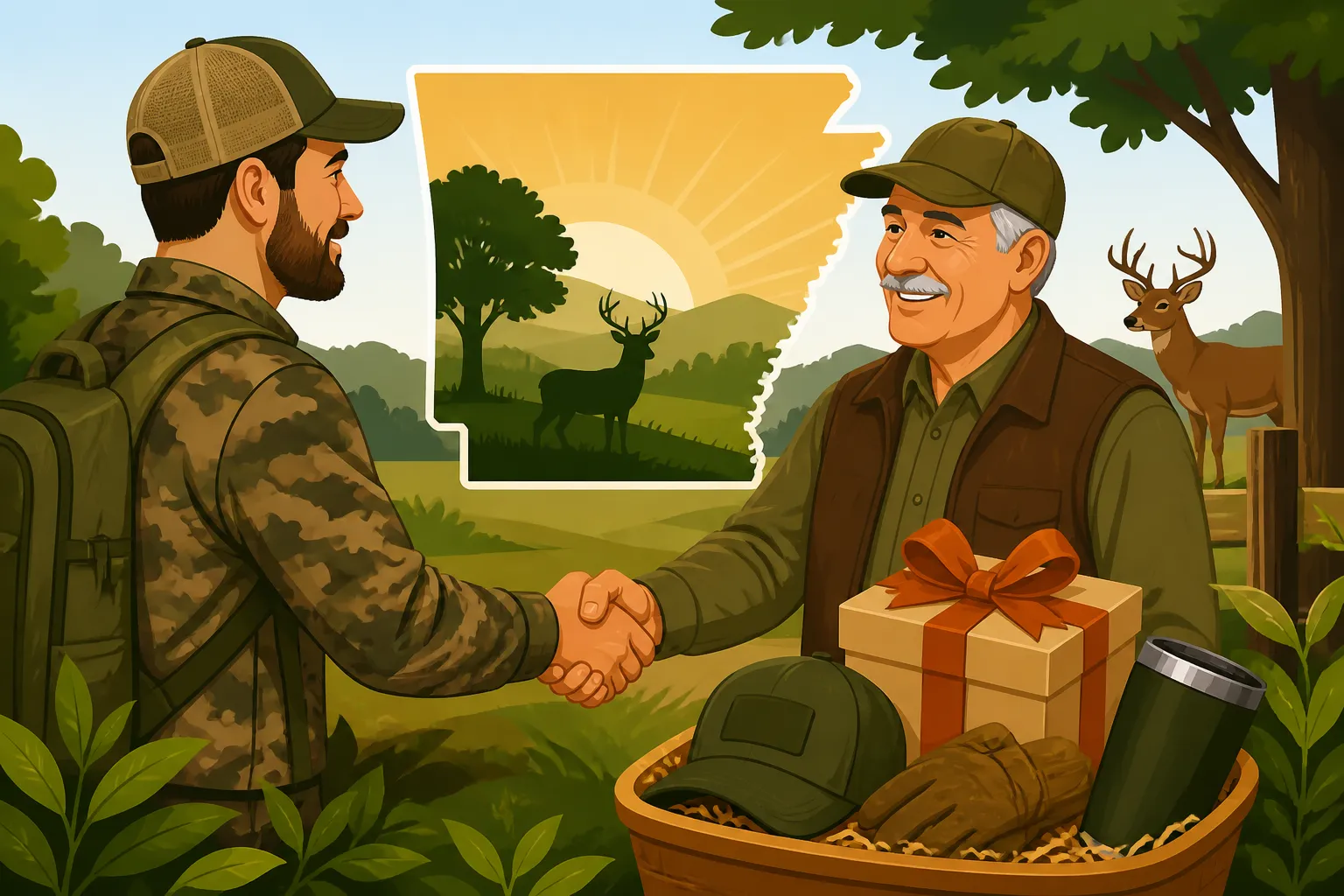
Gifts and Thanks for Landowner Access
There’s a unique feeling of satisfaction that comes from hunting on private land in Arkansas. No jostling for a spot in a crowded parking lot, no wondering if someone else just walked through your carefully chosen setup, just the quiet anticipation of being where the game feels undisturbed. But securing that coveted permission, whether it's for deer in the Delta hardwoods or turkeys in the Ozarks, is just the first step. The real art lies in maintaining that relationship, showing genuine gratitude, and proving yourself worthy of the incredible privilege you've been granted. This guide will walk you through how to properly thank landowners, ensuring that handshake agreement lasts for years to come.
Why Gratitude Matters in the World of Arkansas Hunting
In Arkansas, good hunting land is gold. With increasing pressure on public grounds and a growing number of hunters, finding a piece of private property to call your temporary hunting home is a huge win. But it’s not just about you getting a great spot; it’s about acknowledging the generosity and trust a landowner places in you. When someone opens their gate and invites you onto their property, they’re not just giving you access to land; they’re entrusting you with their peace of mind, their investment, and often, a piece of their legacy.
Taking this for granted is the fastest way to lose access, not just for yourself, but potentially for other respectful hunters who might come along later. Your actions and your expressions of thanks set the tone for the entire relationship. It speaks volumes about your character and your commitment to ethical hunting.
Building Long-Term Relationships, Not Just One-Off Hunts
Think about it: many landowners have likely been approached by numerous hunters over the years. Some might have had bad experiences, leading them to be wary. Your goal isn't just to get permission for this season, but for many seasons to come. A single act of sincere gratitude can lay the foundation for a long-standing friendship that provides you consistent, quality hunting opportunities.
Imagine you're hunting a prime patch of bottomland timber for deer, maybe even a place where you've watched a particular buck grow over several years. This kind of consistent access is nearly impossible to find on heavily hunted public land. It’s a direct result of earning and maintaining trust. If you treat the land and the landowner with respect and show your appreciation, you become a trusted friend rather than just another hunter. This trust is built over time, through consistent communication and genuine gestures of thanks. Losing that access because you neglected to show appreciation would be a truly heartbreaking scenario, especially when those Arkansas Deer Seasons and Zone Limits change each year, and you know a spot like that is irreplaceable.
Consider the hypothetical hunter, "Mark," who got permission to hunt a small farm outside Lonoke. He hunted hard, got a nice buck, and then disappeared until the next season, only reaching out when he wanted to hunt again. The landowner, a busy farmer named Bill, felt used. He’d allowed Mark on his land, but Mark hadn't offered any help, checked in on the property, or even brought a token of appreciation after the hunt. The next year, when Mark called, Bill politely declined, citing too much activity on the property. Mark learned the hard way that a one-off hunt is often all you get without showing sustained gratitude.
The Ethical Hunter's Responsibility
Beyond just securing future access, showing gratitude aligns with the core principles of ethical hunting. Hunting is about respect: respect for the game, respect for the land, and respect for other hunters. That respect naturally extends to the landowner who makes your hunt possible. You become a steward of their property during your time there, and that responsibility doesn’t end when you leave the stand.
It means leaving the land better than you found it. If you open a gate, you close it. If you see a piece of trash that isn't yours, you pick it up. If a limb falls across a trail you use, you move it. These small acts demonstrate a profound level of care and consideration. It’s not just about following the rules; it's about going above and beyond. This is especially true when you’re hunting during Arkansas Modern Gun Deer Hunting season, when more hunters are often in the woods and impressions matter even more.
The impression you leave also impacts other hunters. A landowner who has a positive experience with one hunter is more likely to grant permission to others in the future. Conversely, a negative experience can lead them to close their land to everyone, effectively shutting down opportunities for many. When you’re hunting on someone else’s property, you’re not just representing yourself; you’re representing the entire hunting community. Being a good ambassador means being appreciative, respectful, and responsible, reinforcing the positive image of hunters as conservationists and good neighbors.
Thoughtful Gift Ideas for Arkansas Landowners
While gratitude should be expressed through your actions and words every time you interact, a thoughtful gift can certainly reinforce your appreciation. The key is to make it personal and useful, showing you put thought into it rather than just grabbing the first thing you saw. The best gifts are often those that address a need or bring a bit of joy to the landowner’s life.
Practical Gifts for the Farm or Home
Many landowners, especially those with farms or large rural properties, appreciate gifts that are genuinely useful. These kinds of gifts show that you understand their daily lives and the work involved in maintaining their land. Think about what they might need or regularly use around the place.
A gas card is almost universally appreciated. Farmers are constantly fueling up tractors, ATVs, and trucks. A gift card to a local feed store or hardware store, like a familiar Ace Hardware or a Tractor Supply, can also be a huge hit. They can use it for anything from fence posts to dog food, showing you’ve considered their practical needs. Another simple but effective gesture is to ask if there are any chores you can help with. Maybe they need a hand mending a fence line, clearing some brush from a field edge, or moving some hay bales. Offering your time and labor can be far more valuable than any store-bought item, especially during busy seasons.
For instance, if you know the landowner has cattle, a few bags of mineral supplement or a gift certificate to their local co-op could be incredibly thoughtful. It shows you're paying attention to their operations and want to contribute in a meaningful way. If they're constantly battling feral hogs, a new trap or some bait might be a welcome and practical gesture. These gestures reinforce that you see yourself as part of the solution, not just someone taking from their land.
Homemade or Locally Sourced Treats
Sometimes, the most memorable gifts are those with a personal touch, or something that reflects the local culture and flavors of Arkansas. These gifts show you've put in effort and thought, making them feel genuinely appreciated.
Homemade baked goods are almost always a winner. A batch of cookies, a pie, or some homemade bread can bring a smile to anyone's face, especially after a long day working on the farm. If you’re a whiz with canning, homemade jellies, jams, or preserves made from local Arkansas fruits can be a delightful and unique offering. These are often things landowners might enjoy but don't have the time to make themselves. Local Arkansas products, like honey from a small apiary, coffee roasted by a regional company, or a basket filled with regional goodies (think cheeses, crackers, or specialty sauces from an Arkansas producer), can also be excellent choices.
The beauty of these gifts is the story they tell. "My wife made these apple pies, and we thought of you," or "This honey is from a beekeeper right down the road, and we wanted you to have some." It’s not just about the item; it’s about the connection and the gesture. This kind of thoughtful consideration helps bridge the gap between "hunter" and "friend," fostering a deeper connection than a generic store-bought item ever could. It’s an investment in the relationship that pays dividends far beyond the cost of the gift.
Sharing the Harvest and Hunting Experience
For many landowners, especially those who don't hunt themselves, seeing the direct result of their generosity can be incredibly rewarding. Offering a portion of your harvest is perhaps the most direct and meaningful way to say "thank you" to a landowner. It closes the loop on the hunting experience and shares the bounty the land has provided.
Whether it’s a package of venison steaks, some duck breasts, or a turkey breast, presenting freshly processed game meat is a powerful gesture. It shows respect for the animal and appreciation for the opportunity. Ask them if they would like some meat, and if so, how they’d prefer it processed. This act not only thanks them but also educates them about the quality of wild game. It’s a chance to share the healthy, organic protein that came from their very own property. If they do accept, make sure it’s packaged well and presented nicely. Knowing Deer Meat Yield From an Arkansas Buck can help you plan how much to offer.
Beyond sharing the meat, you might consider sharing other aspects of the experience. If you get a particularly nice buck, offer to show them the antlers or even your mounted trophy once it’s done. Invite them to your deer camp for a cup of coffee or a meal, if that feels appropriate and comfortable for both parties. These invitations can strengthen the bond and give them a deeper understanding of what hunting means to you. It's a way of saying, "Thank you for letting me be a part of this, and I want you to share in the joy it brings."
Beyond the Gift: Actions That Speak Louder Than Words
While gifts are certainly appreciated, the most enduring forms of gratitude are often found in your everyday actions and how you conduct yourself on their property. Consistency, respect, and clear communication are the pillars of a lasting landowner relationship. These actions demonstrate your reliability and trustworthiness, which are far more valuable than any material item.
Respecting Boundaries and Rules
This is non-negotiable. When you're granted permission to hunt, you'll likely discuss specific boundaries, times you can hunt, and any other particular rules the landowner has. It is absolutely critical that you adhere to these agreements without exception. This isn't just about being polite; it's about maintaining trust.
If the landowner says to only hunt in the back forty and stay out of the pasture where their horses graze, then that’s exactly what you do. If they ask you not to drive your truck into a particular field, respect that. If you need to scout a new area or expand your hunting zone, always, always ask permission first. Never assume. Even something as seemingly minor as hanging a new trail camera or moving a stand needs a quick "is it okay if I…?" conversation. This level of communication prevents misunderstandings and shows you value their property and their wishes. Ignoring boundaries or rules, even unintentionally, can quickly erode trust and lead to your permission being revoked. Remember, this is their property, and they have every right to set the terms of access. Knowing Arkansas Trespass and Permission Law is important, but respecting private property goes beyond the law; it's about courtesy.
A real-life example: a hunter was given permission to hunt deer in a specific woodlot but was told to avoid a newly planted pine plantation. Despite the instruction, he decided to "just scout" the edge of the plantation one afternoon, hoping to find a big rub line. The landowner happened to drive by, saw his truck, and found him near the young trees. Even though no damage was done, the trust was broken. The landowner felt disrespected and that his rules were ignored. The hunter lost permission, not because of malicious intent, but because he failed to respect a clear boundary.
Communication is Key
Open, regular, and respectful communication is the bedrock of a good landowner relationship. Don't just show up to hunt; make yourself a known and reliable presence without being intrusive.
Let your landowner know when you plan to be on the property. A quick text or phone call saying, "Hey, Mr. Jones, I'm heading out to the back stand for an evening hunt, just wanted to let you know," is simple but effective. It allows them to know who is on their land and when. Equally important is reporting anything unusual you observe: a broken fence, downed limbs after a storm, signs of trespassers, or even a sick animal. You're their extra set of eyes and ears on the property, and this service is invaluable. After each hunt, a quick thank you and a brief update on what you saw (or didn't see) continues that line of communication. "No luck tonight, but saw a nice group of does in the north field. Thanks again for letting me be out here!"
This kind of communication builds confidence and trust. It shows you're not just there for yourself but also genuinely care about their property. It can also be very helpful to their operations. For instance, if you're Hunting the Arkansas Early Buck-Only Archery Days in early September, you might notice something significant like a new gate that's been left open or a suspicious vehicle driving through a remote access road. Reporting these observations promptly turns you from a hunter into a valued partner in their land management.
Leaving the Land Better Than You Found It
This goes beyond just picking up your own trash. It's about being a true steward of the property while you're there. Every time you enter and exit, consider what impact you're having and how you can minimize it.
This means always closing gates, even if you found them open (unless instructed otherwise). Drive carefully on dirt roads and trails, especially after rain, to avoid creating deep ruts that can be a headache for farm equipment. If you use an ATV, stick to established trails and respect any restrictions on where you can and cannot ride. Be mindful of crops, fences, and any sensitive areas. If you're Setting Up on a Pine Plantation Edge, make sure your stand placement doesn't damage young trees or block access paths. After you field dress a deer, ensure the gut pile is placed in an out-of-the-way spot, or as agreed upon with the landowner, far from public view or water sources.
Going the extra mile could involve picking up trash that isn't yours, clearing a downed limb off an access road, or even helping them with a small task they might mention in passing. These small acts of service demonstrate that you truly value the privilege of hunting on their land and that you're willing to invest in its well-being. It creates a powerful impression and solidifies your reputation as a responsible and trustworthy hunter.
Navigating the Nuances of Landowner Relationships
Every landowner is different, and what works for one might not resonate with another. Understanding these nuances and tailoring your approach is key to cultivating truly strong and lasting relationships. It requires observation, flexibility, and genuine empathy.
When to Offer a Gift and How Often
Timing can be as important as the gift itself. Many hunters find it effective to offer a small, thoughtful gesture when they first ask for permission, almost as an icebreaker and an initial sign of goodwill. This could be something simple like a box of local donuts or a nice bottle of local sauce.
After the hunting season is over, or after you've had a successful hunt, is the perfect time for a more substantial thank-you gift. This is when you can reflect on the season and express your sincere appreciation for the access. Don't wait until you need permission again next year; that can feel transactional. A yearly thank-you, even if you haven't hunted much that particular season, keeps the relationship warm. Beyond formal gifts, consider small, occasional gestures throughout the year. If you're driving by and see them out working, stop for a quick chat and offer a cold drink. If you notice a particular need, like a broken mailbox, offer to help fix it. These consistent, sincere gestures are what truly build rapport.
| Timing of Gift/Gesture | Purpose | Example |
|---|---|---|
| Initial Request | Show goodwill, break ice | Local coffee, baked goods |
| After Successful Hunt | Express gratitude for harvest | Package of venison, local jam |
| End of Season | Major thank you, recap | Gift card to hardware store, offer of labor |
| Throughout the Year | Maintain relationship, offer help | Stopping for a chat, noticing a repair needed |
| Never | Risk losing access | None, a negative outcome |
The table above illustrates that consistency and sincerity trump extravagance. It's better to give small, thoughtful gestures regularly than one huge gift once every five years. The sincerity of the gesture is what truly matters to most landowners.
Understanding Different Landowner Personalities
Just like hunters, landowners come with their own unique personalities, expectations, and preferences. Some might be uncomfortable accepting gifts and prefer you simply show respect for their property. Others might deeply appreciate a thoughtful item, while some might value your help with chores more than anything you could buy.
The best way to understand your landowner is to observe, listen, and subtly ask questions. Pay attention to what they talk about. Do they complain about a lack of time for repairs? That’s a cue that your offer of labor might be perfect. Do they mention loving homemade pies? There's your hint for a future gift. If they politely decline a gift, don't push it; simply reiterate your thanks and focus on your actions. Some folks genuinely prefer a handshake and a promise of good stewardship. You might find some who truly just want friendly company and a quick chat about the weather or the deer activity.
For example, I once hunted on a property where the landowner, Mr. Thomas, was a retired veteran who loved to tinker in his workshop. He respectfully declined any gifts of money or store-bought items. Instead, I started bringing him interesting pieces of scrap metal or wood I'd find that he could use for his projects. He lit up every time. It wasn't about the value; it was about showing I remembered his hobby and respected his preference. This kind of personalized attention deepens the connection far beyond what a generic gift could achieve. It's about building a relationship, not just an exchange.
The Role of Written Agreements
While gifts and good manners are vital, sometimes a more formal approach can add clarity and security to a hunting permission, especially for larger tracts of land or if you're entering into a multi-year arrangement. Even with the best intentions and the most gracious landowners, misunderstandings can arise.
A written agreement, even a simple one, can outline agreed-upon hunting areas, access points, dates, and any specific rules (e.g., no night hunting, ATV use restrictions). It can also address important considerations like liability, which protects both you and the landowner. While Do You Need Written Permission in Arkansas? might depend on specific circumstances, having something in writing eliminates ambiguity. This isn't about distrust; it's about clarity and mutual understanding. It's similar to how landowners might approach Arkansas Timber Company Leases – even friendly deals often benefit from being in writing to avoid future headaches.
For example, a hunter was given verbal permission to hunt deer on a large farm, but a new family member moved in next door during the season and was alarmed to see a hunter near their house, unaware of the existing permission. A simple written agreement, perhaps even a copy carried by the hunter, could have quickly clarified the situation and avoided an awkward confrontation, solidifying the original trust. Even when your relationship is built on solid trust and years of gratitude, having a written document for everyone’s reference can be a valuable tool for preventing future misunderstandings and ensuring smooth hunting for years to come.
Disclaimer
This article is for general informational purposes only and does not constitute professional advice. Laws, prices and regulations vary by location and change over time. Consult a qualified professional for guidance on your specific situation.