Reviewing an Arkansas Outfitter
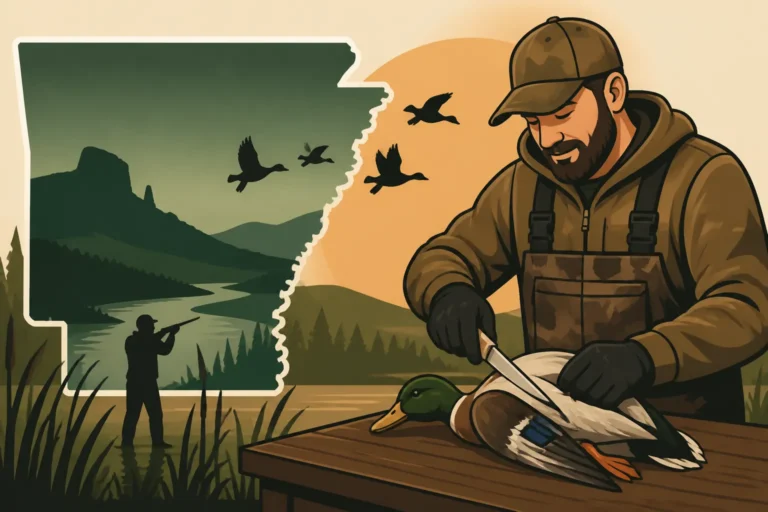
Hunting in Arkansas, whether you're after those big Delta mallards or a bruiser whitetail in the Ozarks, is a dream for many. But let's be honest, putting together a successful trip, especially if you're traveling a distance or looking for a specific experience, often means working with an outfitter. The problem? Sifting through all the options, the glossy websites, and the promises to find a genuinely reputable one can feel like navigating a minefield. This guide is here to walk you through the process of effectively reviewing an Arkansas outfitter, helping you make an informed decision and avoid potential pitfalls.
Why Outfitter Reviews Matter More Than Ever in Arkansas
When you're planning a hunt, especially one you've been dreaming about for a while, there's a significant investment on the line. It's not just about the money, though that's certainly a big part of it. It's your precious time off work, travel expenses, gear preparation, and all the anticipation leading up to the trip. Getting it wrong can be incredibly disappointing, not to mention a serious drain on your wallet.
The Stakes Are High: Time, Money, and Expectations
Think about it: you've likely spent months, maybe even a year, planning this Arkansas adventure. You've cleared your schedule, probably convinced your family it's a "necessary" trip, and invested in your Arkansas Hunting Licenses and What They Cost and any necessary gear. Then there's the actual cost of the hunt itself—deposits, final payments, travel, food, and lodging. If you book with an outfitter who doesn't deliver, all that effort and expense can feel completely wasted.
Beyond the tangible costs, there are the intangible ones: the dashed hopes of a memorable experience, the frustration of feeling misled, and the sheer disappointment of a hunt that falls far short of expectations. A bad outfitter experience can sour your taste for hunting that particular species or region for a long time. It’s not just about getting a trophy; it's about the quality of the experience, the professionalism of the guides, and feeling like your hard-earned money was well spent on a safe, ethical, and enjoyable trip. You want to feel confident that the outfitter you choose will uphold the spirit of the hunt and deliver on the promises made.
The Digital Wild West of Hunting Services
In today's interconnected world, almost anyone can throw up a slick website and make grand claims. The internet is a fantastic tool for finding outfitters, but it's also rife with operations that might look great on the surface but lack the substance to back it up. Distinguishing between a seasoned, ethical operation and a less reputable one can be challenging, especially when you're not physically present to scout the location or meet the team.
This digital landscape means you have to be savvier than ever. Just because an outfitter has a strong online presence doesn't mean they're the right fit for you, or even legitimate. Some might over-promise and under-deliver, while others might simply be disorganized or lack the experience necessary to provide a high-quality hunt. This is where diligent review reading and cross-referencing become your best friend. Without careful vetting, you could easily end up booking a dream trip that turns into a nightmare, all because you took online appearances at face value.
Where to Dig for Genuine Outfitter Reviews
Finding reliable reviews for Arkansas outfitters means looking in the right places and understanding the nuances of different platforms. It's rarely about finding one perfect source; instead, it's about compiling information from several credible avenues to build a complete picture.
Independent Online Platforms and Forums
Dedicated hunting forums are goldmines for candid, unfiltered opinions. Hunters love to talk about their experiences, both good and bad. Look for Arkansas-specific hunting forums, or national forums with active regional sections for the state. Here, you'll often find threads where hunters openly discuss outfitters they've used, sharing details that might not appear on an outfitter's official website. These discussions can cover everything from the quality of the guides to the food and lodging, and even insights into What an Arkansas Hunt Price Includes. Pay attention to the age of the posts; recent experiences are generally more relevant.
Beyond forums, platforms like BookYourHunt and GoHunt specialize in connecting hunters with outfitters and often feature robust review sections from verified clients. These platforms can be excellent starting points because they often structure the review process, prompting hunters to rate specific aspects of their trip. However, remember to look beyond just the star rating. Dive into the written comments. Does the reviewer mention specific names of guides, types of terrain hunted, or details about the success (or lack thereof) of their trip? A detailed review, even if it's not perfectly five-star, often provides more valuable insight than a generic, glowing endorsement.
Social Media and Direct Community Engagement
Social media can be a powerful tool for research, but it requires a discerning eye. Facebook groups dedicated to Arkansas hunting, duck hunting, or specific game species often have members who are happy to share their experiences. Look for active communities where people are genuinely discussing their hunts, not just posting trophy photos. You can often glean insights from comments on an outfitter's page or by searching for mentions of the outfitter in broader hunting groups. Instagram and YouTube can also offer visual evidence; watch hunting videos from past clients (if available) to see the actual conditions, equipment, and guide interactions.
However, be wary of overly curated content. An outfitter's own social media will naturally showcase their best moments. Look for interactions, comments, and tags from clients, rather than just the outfitter's posts. If you see someone post about a hunt with a particular outfitter, consider sending them a polite direct message to ask about their experience. Most hunters are happy to share their stories and offer genuine advice. This direct engagement can sometimes provide the most honest feedback, helping you understand crucial details like the Hunter Group Size on an Arkansas Hunt or how they handle unexpected challenges.
The Power of Personal Referrals and Word-of-Mouth
Before the internet, word-of-mouth was king, and it still holds immense power. If you know other hunters who have hunted in Arkansas, especially for a similar species or in the same region, pick their brains. A direct referral from someone you trust often carries more weight than dozens of anonymous online reviews. These personal connections can offer nuanced details, such as how the outfitter handles challenging weather, or insights into the guide's personality and local knowledge.
Don't limit yourself to just direct friends. Local sporting goods stores in hunting towns often have employees who are hunters themselves and hear a lot of chatter about local outfitters. They might not give outright recommendations, but they can often steer you in the right direction or tell you who to be cautious of. Similarly, if you've hunted with guides in other states and trust their judgment, ask them if they know of any reputable operations in Arkansas. The hunting community is tight-knit, and good reputations tend to precede people, just as bad ones do.
What to Look For (and Look Out For) in Reviews
Once you start diving into reviews, it's easy to get overwhelmed. The trick is to know what signals to pay attention to, and what might be a red herring. It's about reading between the lines and understanding that not all reviews are created equal.
Beyond the Five Stars: Reading Between the Lines
A string of five-star reviews might look impressive, but the real value comes from the content of those reviews. Look for specificity and detail. A review that simply says "Great hunt!" tells you very little. Instead, seek out comments that describe specific aspects of the hunt: "Our guide, John, knew exactly where the ducks would be feeding after that cold front," or "The lodging was comfortable, but the meals were pretty basic," or "We saw plenty of deer, but the woods were incredibly thick, so shot opportunities were challenging." These details paint a picture.
Pay attention to consistent themes. Are multiple reviewers praising the same guide for their dog handling skills on a duck hunt? Are several mentioning the quality of the decoys or the comfortable blinds? Conversely, are there recurring complaints about things like poor communication before the trip, overcrowded hunting areas, or guides who seemed disengaged? These patterns are far more indicative of an outfitter's true operation than a single, isolated comment. Also, consider if the reviews align with your own expectations and hunting style. A review praising a high-volume shoot might be great for some, but if you prefer a more intimate, less pressured experience, it might signal a mismatch for you. This kind of detailed information is vital when trying to gauge Booking an Arkansas Duck Hunt or any other specialized trip.
Red Flags: What Should Make You Pause
While looking for the good, it's just as important to identify the warning signs. An overwhelming number of generic five-star reviews posted in a very short timeframe should raise a red flag; it could indicate fake reviews. Similarly, if an established outfitter has no recent reviews, that's worth investigating. Why the sudden silence?
Another major red flag is how an outfitter responds to negative feedback, if they respond at all. Do they become aggressive, defensive, or dismissive? A professional outfitter will address concerns respectfully, perhaps explaining their side or detailing steps they've taken to improve. A complete lack of response to valid criticism is also concerning. Be highly skeptical of claims that sound too good to be true, such as "guaranteed kills" or promises of unbelievably high harvest numbers. Ethical hunting involves many variables, and no legitimate outfitter can guarantee a kill. Finally, any mention in reviews of issues with licensing, safety practices, or questionable ethical behavior (like baiting illegally or exceeding limits) should be an immediate deal-breaker. You can check the Arkansas Game and Fish Commission website for general rules and regulations.
Green Lights: Signs of a Reputable Operation
On the flip side, what constitutes a positive signal? Look for reviews that are detailed, balanced, and appear genuine. Consistency in positive feedback over a period of time, rather than a sudden spike, suggests a reliably good operation. Outfitters who consistently earn praise for their knowledgeable guides, well-maintained equipment, excellent communication, and commitment to ethical hunting practices are usually safe bets.
Positive comments about the overall hunting experience—not just the kill—are also a good sign. Did hunters enjoy the camaraderie, the scenery, or the effort the guides put in, even if success was limited due to weather or other factors? This indicates an outfitter who cares about more than just the numbers. Outfitters who actively and professionally engage with reviews, responding to both positive and negative feedback with grace and transparency, demonstrate a commitment to customer service. These are the operations that strive to provide a memorable and ethical hunt, recognizing that the journey is as important as the destination. They often go the extra mile, whether it's helping with Getting a Deer Out of an Ozark Hollow or Recovering a Deer From a Delta Slough.
| Review Source Type | Pros | Cons |
|---|---|---|
| Outfitter's Website | Best photos/videos, direct contact, detailed packages. | Highly curated, only positive reviews, no unfiltered opinions. |
| Dedicated Booking Sites | Verified reviews, structured feedback, comparisons (e.g., BookYourHunt). | Reviews can sometimes be generic, not always exhaustive. |
| Hunting Forums/Groups | Candid, unfiltered experiences, discussion, peer advice. | Can be subjective, anecdotal, hard to verify identity, outdated. |
| Social Media Pages | Visual content, direct interaction, recent posts. | Curated content, hard to distinguish genuine from sponsored, can be shallow. |
| Personal Referrals | High trust, detailed personal insights, direct questions. | Limited scope, dependent on your network's experience. |
| Official Records/AGFC | Factual, verifies licensing/violations. | No qualitative experience info, only regulatory compliance. |
Verifying and Following Up on Review Insights
Reading reviews is just the first step. To truly vet an Arkansas outfitter, you need to actively verify the information and engage directly with them and their past clients. This proactive approach will provide the clearest picture and significantly reduce your risk.
Contacting References Provided by the Outfitter
Any reputable outfitter should be happy to provide you with a list of references—past clients who can speak to their experience. This step is non-negotiable. Don't just ask for one or two; request at least three, and try to speak with them all. When you call, be prepared with a list of specific questions. Don't just ask "Was it good?" Dig deeper:
- "What was the communication like before, during, and after the hunt?"
- "Did the outfitter deliver on the promises made in their package description?"
- "How knowledgeable and professional were the guides?"
- "What was the actual success rate, and how did they handle situations where game wasn't abundant?"
- "What was the general atmosphere at camp or in the blind?"
- "Would you hunt with them again, and why or why not?"
This conversation is your chance to get a firsthand account, to hear inflections and tones that written reviews can't convey. A good outfitter will readily provide references; one who is hesitant or makes excuses might have something to hide. Remember, these are often their best clients, so temper your expectations slightly, but still listen for any subtle inconsistencies or hesitations. This process is crucial, and further details can be found in Getting References From Past Clients.
Direct Communication with the Outfitter
Armed with the insights from your review deep dive and reference calls, it's time to talk directly with the outfitter. This isn't just about booking; it's another critical part of your vetting process. Ask pointed questions that address any concerns or curiosities that arose from your research. For example:
- "I saw a few reviews mention that hunting pressure seemed high; how do you manage your hunting grounds to ensure quality experiences?"
- "What happens if the weather doesn't cooperate, especially for a Hunting Arkansas Flooded Green Timber trip?"
- "What's your policy on wounded game, and how do your guides assist in tracking?"
- "What's the typical guide-to-hunter ratio?"
Pay close attention to their responsiveness, transparency, and professionalism during these conversations. Do they answer your questions thoroughly and honestly? Do they seem knowledgeable about their hunting areas and the game? Are they polite and patient, or do they rush you off the phone? Their demeanor during these interactions can tell you a lot about how they might treat you during a hunt. A professional outfitter will appreciate your diligence and be eager to address your questions. This is also your chance to get clear on details such as Outfitter Contracts and Deposits in Arkansas and the Cancellation Terms at an Arkansas Lodge.
Cross-Referencing with Official Records and Licensing
Finally, take the time to cross-reference your findings with official sources. The Arkansas Game and Fish Commission (AGFC) website is your best friend here. While they won't endorse specific outfitters, you can often verify whether an outfitter is properly licensed (if required for their specific operations) and check for any reported violations. If you heard whispers of unethical practices in reviews, the AGFC is the place to report those concerns or inquire if there's any record. It's important to understand the regulations around Arkansas WMA Permits and Draw Hunts if your hunt involves public lands, as the outfitter should be fully compliant.
You might also look into local business registries or, if applicable, Better Business Bureau listings to see if there are any unresolved complaints. This might seem like a lot of work, but a few extra hours of research now can save you a significant amount of money, time, and heartache later. You're making a substantial investment in your hunting experience; ensure you protect it by doing your due diligence. For instance, knowing Who Is Responsible for a Trespass Violation or understanding Wildlife Violations on a Guided Hunt can protect you from unforeseen legal issues.
Disclaimer
This article is for general informational purposes only and does not constitute professional advice. Laws, prices and regulations vary by location and change over time. Consult a qualified professional for guidance on your specific situation.