Where Delta Bucks Bed in Standing Water
When the Arkansas Delta floods, it can feel like the deer just vanish into thin air. You're walking through what was dry ground last week, now it's a slough, and the old stand locations seem useless. Finding those elusive Delta bucks becomes a whole new challenge, but they don't disappear; they adapt, often retreating to specific sanctuaries in the standing water. This guide will walk you through understanding where these smart whitetails bed down and how you can find them.
Understanding the Delta Environment and Deer Behavior
The Arkansas Delta is a unique and challenging landscape for deer hunters. Characterized by vast flatlands, fertile soils, and a complex network of rivers, bayous, and oxbow lakes, it's also prone to significant flooding, especially during the late fall and winter hunting seasons. This ever-changing environment dictates much of a whitetail's behavior, particularly when it comes to bedding.
The Unique Challenges of Water-Logged Habitats
Imagine stepping into what was once a prime oak flat, a known feeding or travel corridor, only to find it under two feet of standing water. For hunters, this is a common scenario in the Delta. Traditional scouting methods, like finding fresh tracks on dry trails or locating rub lines on the forest floor, become incredibly difficult or even impossible. The water itself washes away much of the obvious sign, and navigating the submerged terrain with all its hidden obstacles can be exhausting and disorienting. It's a frustrating shift from hunting dry ground, making many hunters feel like they're starting from scratch each time the water rises. This isn't just an inconvenience; it forces a complete rethinking of how we approach deer.
The sheer scale of water, whether it's from heavy rains or intentional flooding in green timber reservoirs, means that deer, especially the mature bucks, are forced to seek out secure, drier spots that offer both safety and comfort. This constant flux is what makes hunting the Delta so rewarding yet so incredibly tough. It requires a deep understanding of how water impacts every aspect of a deer's life, from their food sources to their escape routes. You can see how these environmental shifts impact broader strategies by reading about Hunting Arkansas Flooded Green Timber.
Why Bucks Choose Standing Water for Bedding
Delta bucks don't just randomly pick a spot in the water; there's a method to their watery madness. Their choice of bedding in standing water is primarily driven by survival instincts:
- Safety from Predators: Water acts as a natural barrier against most ground-based predators, including coyotes, feral hogs, and, crucially, human hunters. It forces anything approaching to make noise, giving the buck an early warning. Plus, deep water makes it harder for dogs to track effectively, adding another layer of security.
- Scent Control: In standing water, a buck's scent cone is significantly altered. The water can absorb and dissipate ground scent, making it harder for predators to pick up their trail. This is a huge advantage, especially when dealing with prevailing winds that might otherwise carry their scent for hundreds of yards.
- Thermal Regulation: While it might seem counterintuitive to bed in cold water, during milder weather or even on sunny winter days, the water can help regulate a buck's body temperature. It can keep them cooler than dense, dry thickets might, and sometimes, a slight rise in temperature from the surrounding water can even offer a subtle warmth on a freezing morning.
- Reduced Pressure: Most hunters avoid wading through chest-deep water unless absolutely necessary. Bucks instinctively know this, seeking out these inaccessible areas as sanctuaries where they are less likely to be disturbed.
These factors combine to make flooded areas, particularly those with dense cover, irresistible to mature bucks looking for a safe haven away from human activity and other threats. It’s a classic example of adapting to an environment to gain an advantage.
Key Features of Standing Water Bedding Areas
Finding where Delta bucks bed in standing water isn't about guessing; it's about understanding the specific characteristics of these spots. They aren't just anywhere in the water; they're in very particular places that meet a buck's needs for security, comfort, and access.
Dense Cover and Elevated Pockets
When water levels rise, a buck's primary concern remains concealment. They're looking for spots where they can disappear, even if only partially, from the view of predators. This leads them to:
- Canebrakes and Button Bush Thickets: These incredibly dense vegetation types, often found along creek banks, slough edges, or in low-lying areas, provide impenetrable cover. A buck can lie down in a canebrake, and you could be 10 yards away and never see them. The stems are so thick that it's nearly impossible to move through quietly, making it an excellent defensive position. These thickets are often the first place to look when trying to pinpoint where Delta bucks bed in standing water.
- Fallen Timber and Brush Piles: A tangled mess of downed trees, limbs, and debris, often left from old logging operations or storms, creates a natural fortress. A buck can squeeze into the cavities and shadows created by these piles, using the complex structure for overhead cover and to break up its outline. Even if the base of the pile is submerged, a buck can find a relatively dry or slightly elevated spot within the jumble. You might be surprised to find a buck hunkered down inside an old log jam that seems entirely in the water.
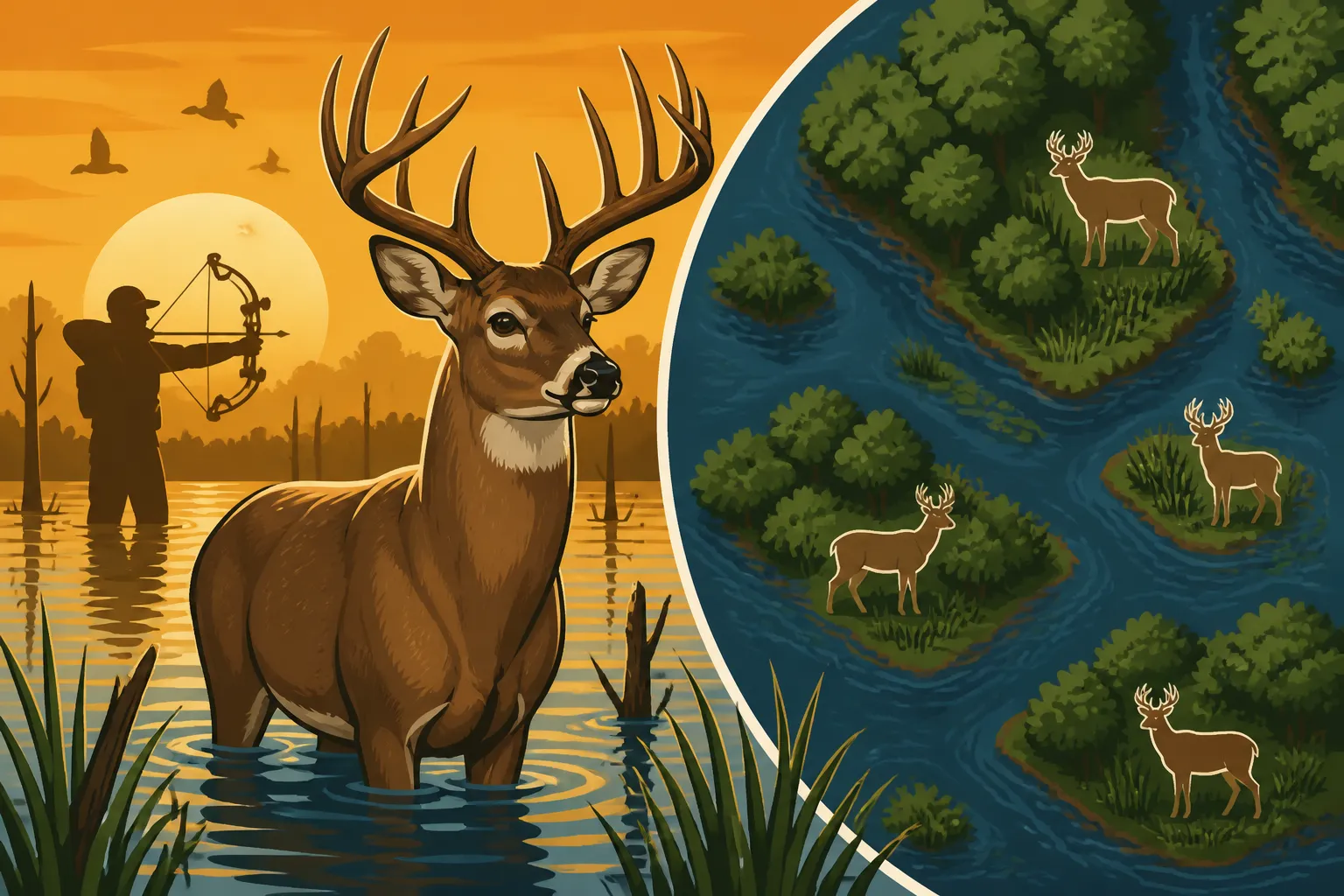
- Slightly Elevated Ground: This is perhaps the most critical factor. Even in heavily flooded areas, there are always subtle rises in elevation – an old levee, a small island of higher ground, the base of a large tree, or a natural high point that only clears the water by a few inches. These "micro-islands" are goldmines. A buck will seek out these spots to keep its belly and legs out of the coldest water, providing a crucial thermal advantage, especially during freezing temperatures. Identifying these subtle elevation changes, even if they're only a few inches, can be the difference between finding a buck and wading aimlessly. Using a detailed mapping app like GoHunt can be invaluable for identifying these subtle contour changes, showing you where the highest ground lies even within a flooded zone.
These areas provide not only visual cover but also a sense of security, allowing a buck to rest relatively undisturbed. They often have multiple escape routes, even if those routes are also through water.
Proximity to Food Sources and Escape Routes
While safety is paramount, a buck also needs to eat, and it won't bed too far from its next meal.
- Accessible Food Sources: Bucks in flooded timber will still need to feed. This means their bedding areas will often be close to higher ground where acorns might still be available, or near agricultural fields (like cut rice or soybean fields) that haven't been entirely submerged. If you're Hunting Rice Fields and Levees, you might find bedding bucks in nearby flooded timber edges. They’ll use the water to travel silently and securely between their bedding and feeding locations. Think about those mast crops – even if they're in shallow water, a buck might still be able to feed, or they might be hitting acorns on a slightly elevated ridge bordering the water.
- Hidden Travel Corridors: Bucks are masters of using the path of least resistance and greatest concealment. In flooded environments, these corridors might be deeper channels, old logging roads that are now submerged, or natural breaks in dense vegetation. They will often approach and leave their bedding areas using these waterlogged trails, which allow them to move silently and keep their movements hidden. Identifying these hidden lanes can be key to understanding their patterns. You might be surprised at the intricate paths they carve through seemingly impassable areas. Learning how to identify these Entry Routes Through Flooded Timber is a skill honed over many years in the Delta.
It’s a delicate balance: a bedding area must be secure and comfortable, but it also needs to facilitate efficient movement to food and rapid, unseen escape if danger arises.
Scouting and Hunting Strategies for Water Beds
Successfully hunting Delta bucks in standing water requires a different approach than dry-land hunting. It demands patience, keen observation, and the right tools.
Pre-Season Scouting and Aerial Reconnaissance
The time to scout for water beds is often before the water rises, or at least before the season gets in full swing.
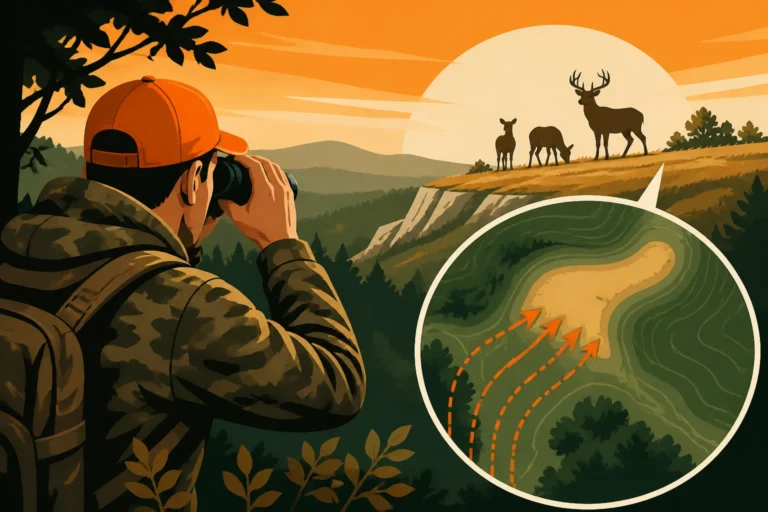
- Utilizing Mapping Software: Modern mapping tools are absolute game-changers for the Delta. Platforms like GoHunt allow you to scrutinize aerial photos for subtle elevation changes, dense cover pockets, and old logging roads that become key travel routes when submerged. Look for areas with a slightly darker green canopy, indicating thicker evergreen undergrowth or dense cane, or spots where the topo lines show even a foot or two of rise above the surrounding flatlands. These are prime candidates. Many seasoned hunters know that mapping out these potential spots is half the battle; it allows you to identify areas you might otherwise overlook from the ground.
- Identifying Historical Water Patterns: Pay attention to how the area floods historically. The Arkansas Game and Fish Commission (AGFC) often provides information on green tree reservoir management in Arkansas and planned water levels for WMAs. Knowing which areas hold water longer or flood more consistently can guide your scouting efforts. Look for high-water marks on trees, or ask locals about past flood events. This historical knowledge helps predict where deer might shift their patterns.
- Early Season Footwork: When water levels are low in the early archery season, get in there and scout those dense, low-lying areas. Look for old rubs, scrapes, and bedding depressions in spots that you know will be under water later. These early signs confirm that bucks are using these areas, and once the water comes up, they're likely to return to familiar, safe zones. This is also a great time to implement Scouting Arkansas Public Land Before Season.
On-the-Ground Reconnaissance and Reading Sign
Once the water is up, on-the-ground scouting shifts from finding dry trails to interpreting more subtle cues.
- Silent Navigation: This is crucial. Whether you're in waders or a small, quiet boat (like a kayak or canoe), move slowly and deliberately. Every splash and broken branch echoes in the still flooded woods. A quiet approach allows you to get closer without alerting deer. Many serious Delta hunters swear by silent watercraft for accessing deep timber.
- Looking for "Water Sign": Tracks in shallow mud or where the water recedes slightly are still important. But also look for rubs on small saplings rising out of the water, droppings on slightly elevated logs, or even "buck beds" where the water is slightly muddied or discolored from where a deer has recently been lying. Pay attention to distinct trails that appear as narrow openings in the dense understory through the water – these are underwater deer trails.
- Observing Bird Activity: Sometimes, the presence of certain birds, particularly ducks, can indicate a lack of human presence. While ducks and deer are different, undisturbed habitat is often used by both. If you're Why Mallards Use Flooded Timber, it might indicate that area is also less disturbed for deer.
- Using Thermals and Wind: Even in flat, flooded timber, thermals still play a role, especially around sunrise and sunset. Understand how air currents move through the woods and off the water. The wind is always your most important tool, and in flooded timber, it becomes even more critical for scent control. When trying to pinpoint where Delta bucks bed in standing water, always approach from a downwind or crosswind direction.
Effective Hunting Tactics for Water Beds
Once you've identified potential bedding areas, your hunting tactics need to be adapted to the watery environment.
- Quiet Entry and Exit: Plan your routes carefully. Use existing water features like sloughs or old ditches to get as close as possible without making noise. Consider using a small boat or wading the entire way, depending on depth. Your entry and exit are just as important as your time on stand. Remember, every sound travels far over still water.
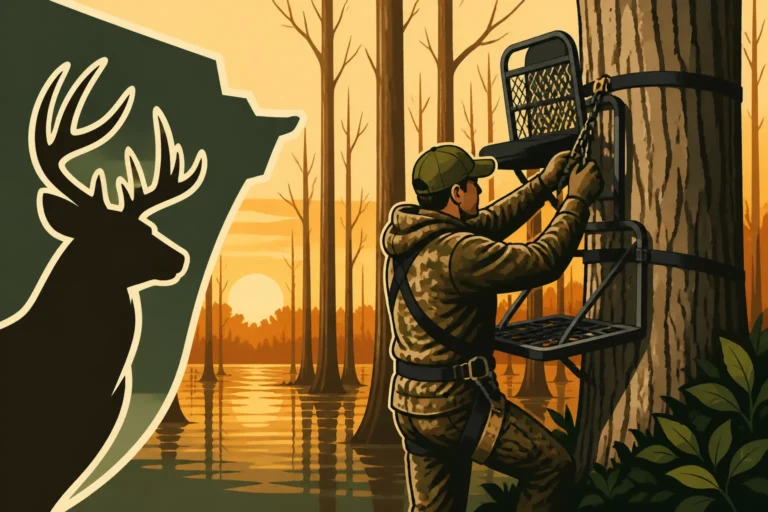
- Stand Placement: If you're hanging a stand, place it overlooking dense cover with multiple potential escape routes, especially those subtle high spots where bucks are likely to bed. Position yourself to have shooting lanes into the thick stuff, as bucks will often pop up quickly from their beds. Pay attention to the sun's position to avoid being silhouetted.
- Still-Hunting: This can be incredibly effective in flooded timber, especially when Still-Hunting After a Delta Rain. Move agonizingly slow, pausing frequently to scan the cover. Use binoculars constantly to pick apart dense thickets. The rain helps muffle your sounds and washes away your scent, giving you an advantage. The key is to be as stealthy as a ghost, inching through the woods.
- Ambushing Travel Corridors: Instead of trying to jump a buck from its bed, consider setting up on a travel corridor leading to or from a water bed. These might be slightly shallower water routes or narrow strips of drier ground bordering the flooded timber. Bucks often stage in these areas before moving to feed or as they exit their beds in the morning.
- Hunting the Rut in Water: During the rut, bucks will still be cruising for does, and if those does are using flooded timber, the bucks will follow. The Hunting the Delta Rut in January can be particularly good for this, as many hunters have moved on, and the remaining bucks are still very active. Focus on the edges of flooded areas where bucks might push does into the water as a defensive move.
- Calls and Decoys (Limited Use): While not as common in dense water beds, soft grunts or doe bleats can sometimes draw a curious buck out of its cover. Decoys are often impractical in deep water but might be used sparingly on semi-dry edges.
Gear and Safety Considerations
Hunting in standing water is not without its risks. Proper gear and a keen awareness of your surroundings are paramount for both success and safety.
Essential Gear for Navigating Flooded Timber
Getting around in standing water requires more than just your typical hunting attire. You need specialized gear to stay comfortable, dry, and safe.
- Chest Waders: High-quality, durable chest waders are non-negotiable. Look for insulated options if you plan to hunt in colder temperatures. Neoprene is a popular choice for warmth. Make sure they fit well and allow for comfortable movement. No one wants to spend a day miserable and wet, potentially leading to hypothermia. Some hunters even wear inflatable life vests over their waders for added safety, especially when navigating deeper water.
- Waterproof Backpack and Dry Bags: Your gear, electronics, and snacks must stay dry. Invest in a fully waterproof backpack or, at the very least, several robust dry bags to protect essentials like your phone, GPS device, extra layers, and calls. Losing your phone or being unable to call for help because your gear got soaked is a preventable risk.
- Silent Watercraft: If the water is too deep for wading, a quiet boat is essential. A kayak, canoe, or even a small, flat-bottomed jon boat with a silent electric trolling motor can provide access to otherwise unreachable areas. Avoid noisy gas motors that will spook deer for miles.
- GPS Device or Smartphone with Mapping App: This is absolutely critical. The flooded timber can quickly become disorienting, and landmarks disappear under the water. Mark your entry point, stand location, and any known hazards. An app like GoHunt with offline map capabilities is invaluable, as cell service can be spotty in remote Delta areas. Knowing precisely where you are and how to get back out is a top priority.
- Headlamp with Red Light Option: For pre-dawn entries and post-dusk exits, a reliable headlamp is a must. The red light option helps preserve your night vision and is less likely to spook game. Always carry spare batteries.
- Game Cart or Sled: Recovering a deer from standing water can be a monumental task. A specialized game cart designed for muddy, wet conditions or a sturdy deer sled can make the job significantly easier. Consider the route you'll need to drag the deer out and if it's feasible given the water depth and obstacles. Sometimes, the only way is to quarter the animal in the field.
Safety Precautions in Water-Filled Environments
The Delta's flooded woods present several unique safety challenges that hunters must be prepared for.
- Hypothermia Risk: Cold water and cold weather are a dangerous combination. Always dress in layers, and have a dry set of clothes in your vehicle. If you fall in or get wet, get out of the woods and get warm immediately. Inform someone of your hunting plans, including your exact location and expected return time.
- Submerged Obstacles: The water hides countless dangers: submerged logs, stumps, holes, barbed wire fences, and even old agricultural equipment. Move slowly, use a wading stick to probe the bottom, and never take a step you haven't "felt" out first. A twisted ankle or a fall into a deep hole can turn a hunt into an emergency quickly.
- Getting Lost: As mentioned, the flooded timber can be disorienting. Always carry a fully charged phone and a separate GPS device. Know how to use them. Share your location with a trusted contact. Even a familiar area can look completely different when flooded.
- Wildlife Encounters: While rare, be aware of venomous snakes (cottonmouths are common in the Delta) and other wildlife like alligators. While alligators are not actively aggressive towards humans without provocation, it's wise to be cautious. Always maintain situational awareness.
| Characteristic | Poor Bedding Area | Ideal Bedding Area |
|---|---|---|
| Water Depth | Consistent, deep, open | Varied, includes subtle dry or shallow spots |
| Cover Density | Sparse, open timber | Extremely dense canebrakes, button bush, thickets, fallen timber |
| Elevation | Flat, uniformly submerged | Slight rises, micro-islands, bases of large trees |
| Proximity to Food | Distant, requires long travel | Close to acorns on higher ground or field edges |
| Human Pressure | Easily accessible by vehicle/foot | Difficult to access, requiring wading or silent boat |
| Escape Routes | Limited, exposed | Multiple, concealed water routes or thick passages |
Remember, hunting where Delta bucks bed in standing water is a challenging but incredibly rewarding pursuit. It tests your skills, patience, and ability to adapt. But with the right knowledge, gear, and respect for the environment, you can unlock some of the most exciting hunting experiences Arkansas has to offer. Knowing Where Delta Bucks Bed in Standing Water is the first step toward filling your tag in this unique landscape.
Disclaimer
Hunting is an inherently dangerous activity. This guide provides general information for educational purposes only and is not a substitute for professional instruction, local regulations, or personal safety precautions. Always prioritize safety, adhere to all Arkansas Game and Fish Commission (AGFC) regulations, and understand your own physical limitations before entering the field.