Still-Hunting After a Delta Rain
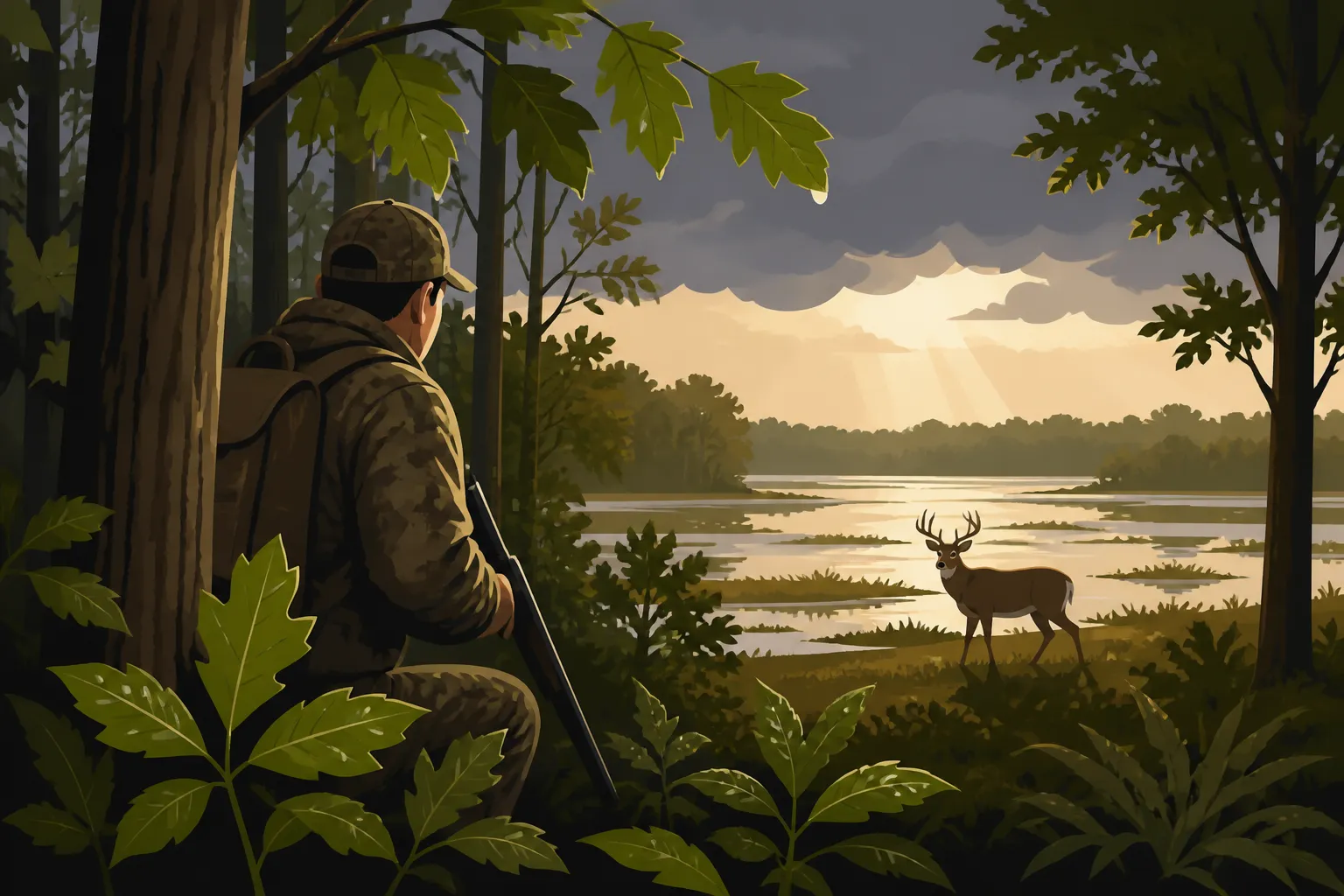
That sudden downpour in the Arkansas Delta can feel like it washes away all your hunting plans, can't it? You scouted, you planned, and now the woods are soaked, the mud is deep, and you're wondering if you should even bother. But here's the secret: a fresh rain, especially in the unique environment of the Delta, can actually create some of the absolute best conditions for still-hunting mature whitetails. This guide is all about transforming those soggy setbacks into serious advantages, helping you understand deer behavior after a rain and how to move through the wet Delta timber like a ghost.
The Delta's Post-Rain Advantage for Still-Hunting
When that characteristic Delta rain rolls through, it truly resets the playing field for deer hunters. Many folks pack up, thinking the hunt is over, but that’s precisely when the savvy still-hunter starts to shine. The world transforms, and with it, deer movement and hunter opportunities.
How Rain Changes Deer Behavior and Movement
Deer are creatures of habit, but they're also highly responsive to environmental changes. During a heavy rain, deer will often hunker down in thick cover, seeking shelter from the elements. They don’t particularly enjoy being out in a downpour any more than we do. However, once the rain stops, or even slows to a drizzle, a switch flips. They become more active, often emerging to feed, stretch their legs, and move to new bedding areas. This post-rain movement is a crucial window. They'll be looking for fresh browse or acorns that have been knocked down by the rain, and they’ll also be more apt to move between different patches of cover. Knowing this helps you anticipate where to focus your still-hunting efforts – often transitioning areas between bedding and feeding, or along the edges of thicker stands of timber. It's a prime time for bucks to drop their guard slightly, feeling safer in the damp, quiet woods.
The Silencing Effect of Wet Ground and Leaves
This is, hands down, one of the biggest benefits of still-hunting after a Delta rain. If you've ever tried to sneak through dry Delta hardwoods, you know the crunch of fallen leaves can make you sound like a herd of elephants. It’s incredibly frustrating trying to be quiet when every step is an audible announcement of your presence. But after a good rain, those same leaves and ground litter are soaked, compressing underfoot with barely a whisper. The mud and damp earth also muffle your steps. This dampening effect allows you to move through the woods with a level of stealth that is simply impossible on dry days. You can take those slow, deliberate steps, really listen before you move again, and get much closer to unsuspecting deer without being heard. This isn't just a minor advantage; it's a game-changer for getting within bow range or making that critical shot opportunity with a firearm.
Washing Away Human Scent and Refreshing the Air
Another huge frustration for hunters, especially in the often-humid Arkansas Delta, is managing human scent. It seems like no matter what you do, deer can pick up your trail from a mile away. Rain, however, acts like a giant natural reset button. It washes away old scent trails—both yours and other hunters'—from the ground and vegetation. It also cleanses the air, meaning your lingering scent cone is far less likely to drift and alarm deer. This doesn't mean you can throw caution to the wind with your scent control regimen, but it does mean you start with a much cleaner slate. The air feels fresher, less heavy, and you can almost feel the difference in how your scent dissipates. This reduced scent signature, combined with the quiet movement, gives you a double whammy of stealth, making still-hunting incredibly effective. For those who enjoy Scouting Arkansas Public Land Before Season, remember how crucial scent control is, and how rain gives you a temporary reprieve.
Reading the Wet Landscape for Delta Deer
Successfully still-hunting after a Delta rain isn’t just about being quiet; it's about understanding what the rain has revealed and how deer are reacting to the transformed environment. The Delta offers unique challenges and opportunities that you need to be tuned into.
Interpreting Fresh Tracks and Sign
One of the most obvious and valuable benefits of a post-rain hunt is the fresh canvas it provides for deer sign. Every track, every rub, every scrape, and every browse mark looks different after a heavy rain. Fresh tracks in the soft, wet soil or shallow mud are easy to spot and indicate very recent deer movement. Look for tracks with sharp, crisp edges – if the edges are rounded or blurred, they’re older. Pay close attention to direction of travel and the size of the track. After a significant rain, especially during the colder months, deer tend to move more purposefully. You might find tracks leading from a bedding area towards a feeding area, or along a subtle rise in the terrain that’s less waterlogged. This is where tools like GoHunt can really shine, allowing you to mark recent sign on your map and create a mosaic of deer activity that informs your next move. Don’t just look at individual tracks; try to piece together a pattern.
Identifying Preferred Post-Rain Food Sources
Deer, much like us, enjoy comfort and ease. After a rain, especially if it was accompanied by wind, a lot of natural forage might be on the ground. This could include freshly dropped acorns, which are a huge draw in the Delta hardwoods. Where an acorn crop is present, expect deer to be moving through these areas. Beyond acorns, look for areas with tender, green browse. The rain invigorates plant growth, and deer will often gravitate towards these lush spots. In agricultural areas, deer will still hit standing corn and beans, but they might also be browsing on green winter wheat or clover food plots if available. Remember that waterlogged areas might make some food sources inaccessible, so deer will shift to slightly higher ground or the edges of flooded timber. Consider how a deer might navigate around Flooded Rice Versus Green Timber to find accessible food.
Locating Bedding Areas and Travel Corridors Around Water
The Delta is defined by water, and after a rain, that means even more water. This profoundly influences where deer bed and how they travel. Deer will seek out the highest, driest ground available for bedding, even if it's only a few inches higher than the surrounding area. Look for subtle ridges, slight humps within the timber, or even the top of old levees or ditch banks. These are prime spots for deer to bed down to dry out, soak up any sun that breaks through, and conserve energy. Travel corridors will often be along these same slightly elevated features or the "dry" edges of existing water bodies. Understanding Where Delta Bucks Bed in Standing Water is critical; sometimes, they'll bed in shallow water if that's the only cover available, but they prefer to be dry. Pay attention to how deer might use these elevated pathways to move between thick cover and feeding areas without having to wade through deeper water. The AGFC map tool or a good mapping app like GoHunt can help you pinpoint these subtle elevation changes that are invisible on the ground.
Mastering Movement and Observation in Wet Conditions
Still-hunting after a Delta rain is a slow, deliberate art form. It requires patience, keen observation, and an understanding of how to use the environment to your advantage. It's not about covering ground quickly; it's about covering it effectively.
The Art of Slow, Deliberate Movement
This is where the term "still-hunting" truly comes alive. It's less about "hunting while still" and more about "hunting by being still." In the wet Delta woods, you should move no more than a few steps, then pause, listen, and scan for several minutes. A common rule of thumb is the "five-step, five-minute" rule: take five quiet steps, then stop and observe for five minutes. This allows you to really soak in your surroundings, let the woods settle after your movement, and give deer time to expose themselves. Use your peripheral vision constantly, looking for horizontal lines in a vertical world, a flicker of an ear, or the twitch of a tail. The dampness underfoot allows for incredibly quiet movement, so leverage that. Take small, controlled steps, placing your heel down first and rolling onto your toe, feeling for any twigs or debris that might still snap. Think of yourself as a part of the forest, blending in, rather than pushing through. For those who've tried Still-Hunting Arkansas Pine Country, the principle of slowness is the same, but the terrain and cover are distinctly different in the Delta.
Leveraging Wind and Thermals
Even after a rain, wind direction remains paramount. The rain might have settled some dust, but it doesn't eliminate scent transfer. Always be mindful of the wind, ensuring it's in your favor, carrying your scent away from where you expect deer to be. After a cold front that often brings rain, winds can shift and become more predictable. In the relatively flat Delta, thermals are less pronounced than in hilly areas like the Ozarks, but they still exist. As the day warms up, air will rise, and as it cools in the evening, it will fall. While still-hunting, if you're working along the edge of a slight rise or a creek bank, remember that your scent might be carried upwards or downwards accordingly. Always try to approach from downwind, or at least crosswind, to give yourself the best chance. If you're using a mapping app, note the wind direction and use it to plan your route, perhaps by walking along a levee or a slight ridge that allows you to keep the wind in your face or quartering away.
Utilizing Cover and Natural Funnels
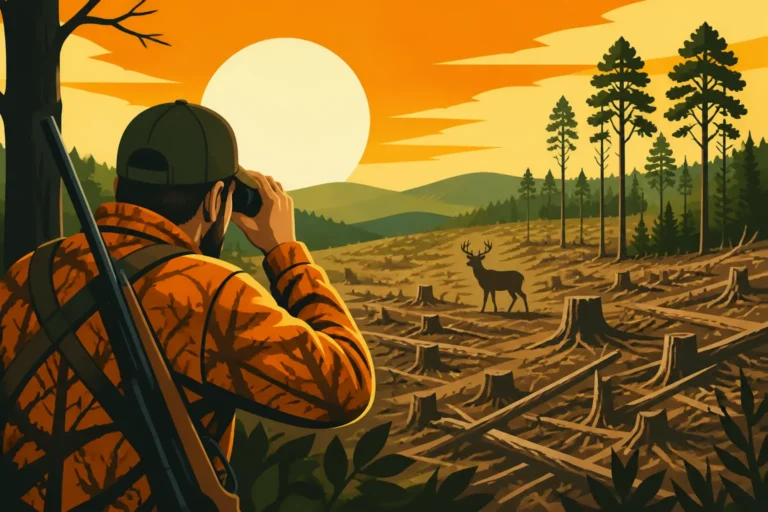
The Delta is rich with natural cover, from thick stands of palmettos and cane to dense saplings and cypress knees. Use this cover to break up your outline and conceal your movement. Don’t walk in the open unless absolutely necessary. Instead, weave through the thicker vegetation, moving from one patch of cover to the next. After a rain, water often creates natural funnels or pinch points. Creeks, sloughs, and flooded timber will dictate where deer can and cannot easily travel. Look for dry land bridges, narrow strips of high ground, or slight turns in a slough where deer are forced into a smaller area. These are prime locations to focus your still-hunting efforts, as deer movement will be concentrated. Hunting Arkansas Cutovers and Clearcuts can also present these types of funnels, as deer navigate the dense new growth. Keep an eye out for these bottlenecks on your GoHunt app when planning your route.
Essential Gear for a Rainy Delta Still-Hunt
Hunting in the Delta, especially after a rain, demands specific gear to keep you comfortable, quiet, and effective. Being unprepared for the wet, muddy conditions can quickly turn a promising hunt into a miserable one.
Waterproof Clothing and Layering
This might seem obvious, but it bears repeating: waterproof outerwear is non-negotiable. Look for truly waterproof (not just water-resistant) jackets and pants. Brands like Sitka, Frogg Toggs, or even simply good quality rain gear can make all the difference. Beyond keeping you dry, quiet fabrics are key. Nothing gives away your position faster than crinkly rain gear. Layering is also crucial. The Delta can go from cold and damp to surprisingly warm and humid quickly, even after a rain. Start with a moisture-wicking base layer, add insulating layers (fleece or synthetic down), and top it off with your waterproof outer shell. This allows you to shed or add layers as needed to regulate your body temperature, preventing both chilling and overheating.
Footwear for Wet and Muddy Terrain
Your feet are your foundation in still-hunting, and in the wet Delta, they need serious protection. Knee boots or hip waders are often essential, especially if you expect to encounter standing water. Choose boots that are insulated enough for the expected temperature but also comfortable for long periods of walking. Muck Boots and Lacrosse are popular choices among Delta hunters for their durability and waterproof qualities. If you anticipate truly flooded conditions or deeper sloughs, chest waders might be necessary, particularly if you’re trying to access Entry Routes Through Flooded Timber. Make sure your footwear is broken in and fits well to avoid blisters, which can quickly end a hunt.
Optics, Scent Control, and Navigation
- Optics: Binoculars are vital for still-hunting, allowing you to scan distant cover and identify deer without making unnecessary movements. Consider models that perform well in low light, as the Delta timber can be dark, especially on an overcast, post-rain day. Lens covers are also a good idea to protect against water and mud.
- Scent Control: While rain helps wash away old scent, it doesn't eliminate new scent. Continue to use scent-free detergents for your clothes and a good scent elimination spray before you head out. Focus on areas where you might sweat, like your neck and armpits.
- Navigation: The Delta can be disorienting, with thick cover and often featureless terrain. A reliable GPS unit or a mapping app on your phone (like GoHunt) is crucial. Download offline maps before you go, as cell service can be spotty. Mark your truck, significant landmarks, and any fresh deer sign you find. This will not only keep you from getting lost but also help you piece together deer patterns throughout the season. Remember, mapping tools are invaluable whether you’re hunting the Delta or trying to locate travel corridors while Hunting Ozark Ridges and Hollows for Deer.
| Still-Hunting After Delta Rain | Advantages | Challenges | Mitigation Strategies |
|---|---|---|---|
| Noise Reduction | Wet leaves/ground muffle footsteps, allowing quieter movement. | Can make it harder to hear distant deer movement (e.g., footsteps, rustling). | Move slower, pause frequently, use high-quality hearing enhancement if allowed. |
| Scent Dispersal | Rain washes away old scent trails; fresh air disperses new scent more quickly. | Can make it harder to rely on prevailing winds for scent control only. | Maintain rigorous scent control regimen; use wind checkers constantly. |
| Visibility | Darker, wet colors reduce glare; deer might be more exposed post-rain. | Overcast skies can reduce light; rain can obscure optics. | Use quality optics in low light; keep lenses clean and covered. |
| Deer Movement | Deer become active post-rain, emerging from cover to feed and move. | Can be unpredictable where they emerge; might still be wary. | Focus on known travel corridors, food sources, and subtle high ground. |
| Terrain Navigation | Fresh tracks are highly visible; water creates natural funnels. | Mud can be deep; standing water can block routes; slick surfaces. | Wear proper waterproof footwear; use mapping apps (GoHunt) to find dry routes. |
| Comfort | Cooler temperatures after rain can be pleasant. | Risk of getting cold and wet; discomfort leading to impatience. | Layer clothing, invest in good waterproof gear, bring dry supplies (e.g., socks). |
Disclaimer
Hunting is an inherently dangerous activity. Always prioritize safety, understand and follow all Arkansas Game and Fish Commission regulations, and be aware of your surroundings. This guide provides general information and recommendations; individual hunting conditions and outcomes may vary.