Applying for an Arkansas WMA Duck Draw
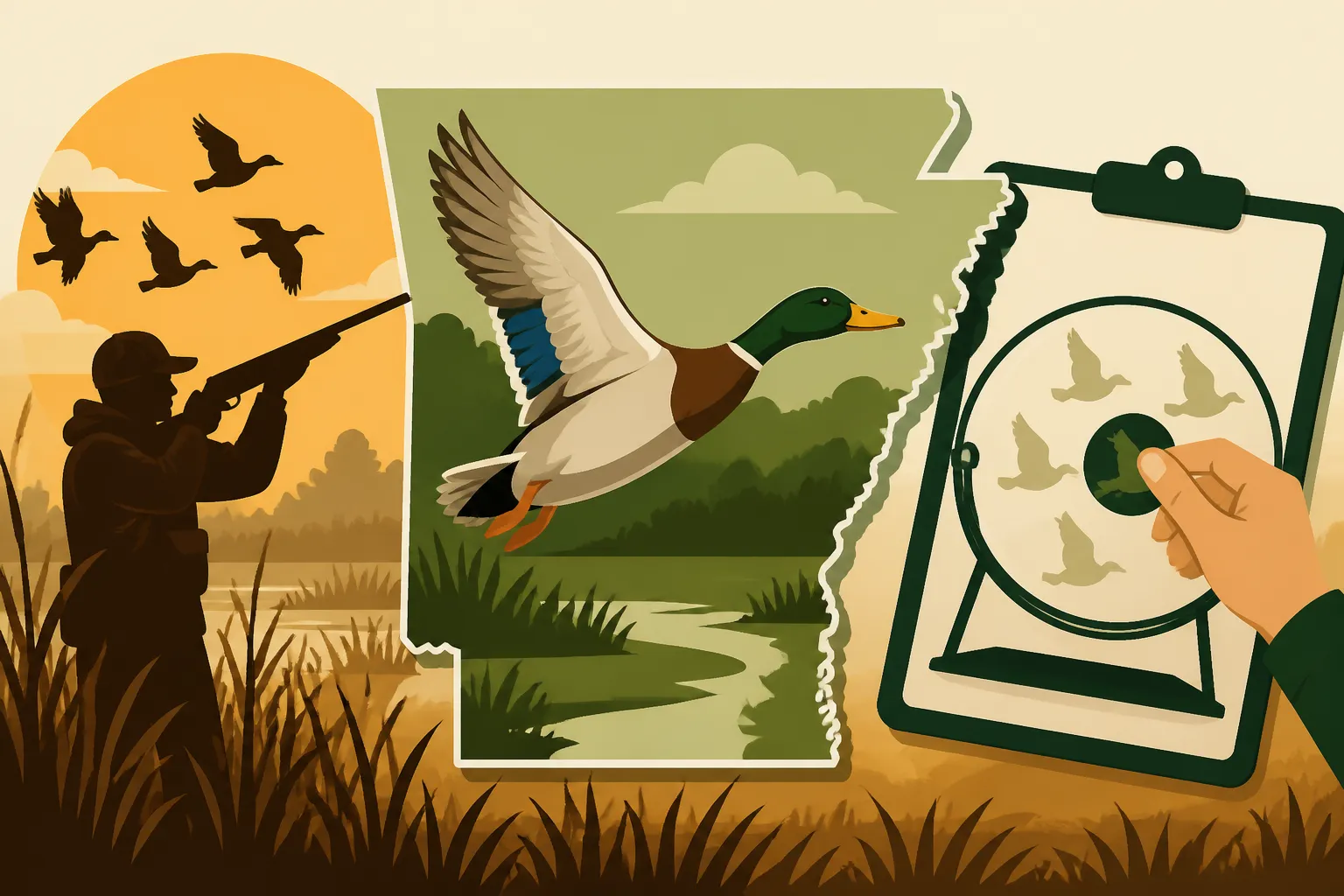
Navigating the world of public land duck hunting in Arkansas can feel like trying to find a needle in a haystack, especially when everyone else is looking for the same prime spots. It's frustrating to know there are incredible hunting opportunities on Wildlife Management Areas (WMAs), but getting access to the best holes often requires jumping through hoops. This guide is here to demystify the Arkansas Game and Fish Commission's (AGFC) WMA duck draw system, walking you through the application process so you have a real shot at those coveted public land hunts.
Understanding the Arkansas WMA Duck Draw System
Arkansas is legendary for its duck hunting, drawing enthusiasts from all corners of the country. This popularity, while a testament to our state's incredible waterfowl resources, also means immense pressure on public lands. The WMA duck draw system is the AGFC's way of managing this demand, ensuring fair access and a quality hunting experience for those lucky enough to be selected.
Why the Draw System Exists
Imagine rolling up to a prime green timber hole on a WMA, only to find twenty other trucks already there, all vying for the same small patch of flooded timber. This kind of overcrowding doesn't just make for a miserable hunt; it can also be detrimental to the resource itself, stressing ducks and creating safety concerns. The draw system was put in place to combat exactly this scenario. By limiting the number of hunters on a specific unit or blind, the AGFC can provide a more controlled, higher-quality hunt. It's a way to spread out the pressure, reduce disturbance, and give everyone a fair shake at experiencing some of the best duck hunting Arkansas has to offer. Popular WMAs like Bayou Meto WMA Duck Hunting, renowned for their incredible waterfowl habitat, often operate largely through these draw systems because the demand is so incredibly high.
These draws are a critical conservation tool, helping the AGFC manage hunter density and ensuring that our precious wetland ecosystems aren't overwhelmed. It’s a recognition that without careful management, the very thing that makes Arkansas so special for duck hunters could be diminished. This system also aims to provide a safer hunting environment, as fewer hunters in a given area means more space and less competition for shooting lanes. It means that when your name is called, you truly have a chance at a memorable hunt, not just a crowded one.
What a Draw Hunt Entails
So, you've heard about the draws, but what does it actually mean if you get selected? A WMA duck draw isn't just a free-for-all on a chosen piece of public land. Instead, it typically means you, and often your party, are granted exclusive access to a specific hunting area, blind, or unit within a WMA for a designated period, usually a morning or an afternoon. This is a stark contrast to "open hunting" areas, where it's first-come, first-served.
For many of Arkansas's WMA draws, especially those at premier locations, you'll be assigned a pre-determined hunting spot, sometimes even a specific numbered blind. You'll often be part of a fixed-size hunting party, meaning you'll need to apply with your buddies (typically 3-4 hunters, including the applicant). When you arrive at the WMA check station on your assigned date, there's usually a mandatory check-in process where you might receive a briefing on the rules for that specific area, which could cover everything from shooting hours to allowed decoy spreads and even Nontoxic Shot Rules in Arkansas. These rules are in place to ensure fair play, safety, and to protect the resource. Getting drawn means a chance at a hunt with significantly less pressure and often in areas specifically managed for optimal waterfowl congregation.
Step-by-Step Guide to Applying for a Draw
The thought of applying for a WMA duck draw can seem daunting, especially if you're new to it. There are specific requirements, deadlines, and an online portal to navigate. But don't let the process scare you off; with a little preparation and attention to detail, you can easily submit your application and get your name in the hat.
Essential Licenses and Permits
Before you can even think about applying for a duck draw, you need to ensure all your foundational licenses and permits are in order. This isn't just about being legal; it's about being prepared. First and foremost, you'll need a current Arkansas hunting license – either a resident or nonresident license, depending on your status. These are your baseline. Then, for migratory birds like ducks, you'll need a valid Arkansas Migratory Bird Stamp and the Federal Duck Stamp. Don't forget your Harvest Information Program (HIP) registration, which is mandatory for anyone hunting migratory game birds in the state.
Crucially, for WMA draw hunts, you'll also typically need an Arkansas WMA Waterfowl Permit. This is an add-on permit specifically for hunting on certain WMAs, and it's often required even if you're not participating in a draw, but certainly for many of the draw hunts. You can purchase all these licenses and stamps directly through the AGFC website or by visiting authorized license retailers. Many hunters also use services like GoHunt to keep track of license requirements and application deadlines across different states, which can be a real lifesaver when you're trying to stay organized. Make sure to double-check that you have all these in place well before the draw application window closes.
Navigating the AGFC Application Portal
Once your licenses are squared away, the next step is diving into the AGFC's online application portal. This is where the magic happens, or at least where you get your chance at it. You'll need to create an AGFC account if you don't already have one. This account acts as your hub for all things hunting and fishing in Arkansas, including license purchases, harvest reporting, and, of course, draw applications.
Once logged in, look for the "WMA Waterfowl Draw" or similar section. The layout can change slightly from year to year, but it's generally pretty intuitive. You'll be presented with a list of available WMA draws, which could include options like specific management units at Henry Gray Hurricane Lake WMA or other popular duck hunting destinations. Carefully review the details for each draw, paying close attention to the available hunt dates, specific units, and the number of hunters allowed per party. This is also where you'll indicate if you're applying as a single hunter or as part of a group, which is common for many duck draws. If you're applying with a party, one person usually acts as the "party leader" and submits the application for the entire group, listing the AGFC IDs of their fellow hunters. Always, always confirm your selections before submitting, and pay extremely close attention to the application deadlines. Missing a deadline by even an hour can mean missing out on an entire season's worth of opportunity.
Understanding Preference Points and Odds
When it comes to AGFC draws, "preference points" can be a bit of a mixed bag, and it's important to understand how they apply specifically to duck draws. While some big game draws, like elk or certain deer hunts, definitely use a preference point system where unsuccessful applicants accrue points to increase their odds in future years, many WMA duck draws operate as a purely random lottery for daily or short-term hunts. However, for certain special WMA waterfowl permits or longer-term access opportunities, a preference point system can be in play. It’s always best to check the specific regulations for the WMA draw you’re interested in directly on the AGFC website to understand if preference points are a factor.
Regardless of whether points are involved, the odds of drawing a coveted spot on a popular WMA can be slim. These hunts are in high demand, and thousands of hunters might be applying for a limited number of spots. It’s essential to have realistic expectations. Don't get discouraged if you don't draw on your first, second, or even fifth attempt. Many seasoned hunters will tell you it's a numbers game and consistency is key. To potentially boost your chances, consider applying for less popular WMAs or for hunts during less desirable times (like early season when the weather might still be warm). Resources like GoHunt can provide statistics on draw odds from previous years, helping you make more informed decisions about where to apply. Remember, even with low odds, you can't get drawn if you don't apply!
Here's a quick overview of some key aspects of Arkansas WMA duck draws:
| Feature | Daily Draw (Common) | Seasonal Permit Draw (Specific WMAs) |
|---|---|---|
| Application Method | Online via AGFC Portal (pre-season or daily) | Online via AGFC Portal (pre-season) |
| Hunt Duration | Typically one morning or afternoon | Covers a longer period or multiple dates |
| Preference Points | Generally not applicable; random lottery | May apply for certain premium permits |
| Party Size | Often fixed (e.g., up to 4 hunters) | Varies by permit, check specific rules |
| Required Permits | State hunting license, Fed/AR Duck Stamp, HIP, WMA permit | State hunting license, Fed/AR Duck Stamp, HIP, WMA permit |
| Notification | Email/AGFC account, often closer to hunt date | Email/AGFC account, usually well in advance |
| Success Rate | Low for popular WMAs, varies by specific draw | Varies, often highly competitive |
After You Apply: What Happens Next
Once you've submitted your application, the waiting game begins. This can be the most nerve-wracking part, especially if you've applied for a dream hunt. But even after the results are announced, there are still important steps to take, whether you've drawn a spot or not.
Notification Process and Acceptance
The AGFC generally notifies applicants via email, and the results will also be visible in your AGFC online account. The timing of these notifications varies significantly depending on the specific draw. For pre-season draws for popular spots, you might hear weeks or even months in advance. For daily draws that you enter close to the hunt date, notification could come just a few days beforehand. It's crucial to keep a close eye on your email (and check your spam folder!) during the expected notification period. Many hunters miss out on their drawn spots simply because they didn't see the email.
If you are selected, there's often a critical next step: accepting your permit by a specified deadline. This is non-negotiable. If you fail to accept your permit within the given timeframe, the AGFC will assume you're not going to use it, and that spot will typically be offered to an alternate applicant. This is a common point of frustration for hunters, so make sure you mark that acceptance deadline on your calendar! Losing a drawn spot because you forgot to click a button is a tough pill to swallow. Always log into your AGFC account to confirm your status and follow all instructions precisely.
Preparing for Your WMA Draw Hunt
Congratulations, you drew a spot! Now the real planning begins. A WMA draw hunt is a unique experience, and being well-prepared can make all the difference. First, thoroughly re-read all the specific regulations for the WMA and the particular unit you've been drawn for. Rules can vary greatly from one WMA to another. For instance, the Bayou Meto Boat and ATV Rules might be very different from those at another flooded timber WMA. You'll need to know check-in times, designated parking areas, and any restrictions on equipment or hunting methods.
Gathering your gear is paramount. Beyond your standard hunting essentials like appropriate camouflage, waders are almost always a must for Arkansas duck hunting, especially if you're Hunting Arkansas Flooded Green Timber. Make sure they're leak-free! Consider your decoy spread – how many decoys are allowed, and what type is best for the area? Are jerk cords or other motion decoys permitted? Don't forget your calls and, of course, plenty of non-toxic shot, which is required on all WMAs. If your hunt involves water access, you might need a boat or a four-wheeler, so ensure you understand the specific WMA's rules regarding these vehicles. Many hunters also spend time scouting Arkansas Public Land Before Season, and even if it's a draw hunt, doing your homework on the specific area using tools like the AGFC Map Tool can give you an edge in understanding the terrain and potential hot spots. Planning out your entry and exit routes, particularly for morning draws, is vital to ensure you can get in quietly and set up effectively, perhaps even considering techniques like Setting Decoys in Timber Holes if applicable to your drawn spot. Being ready means less stress and more focus on the hunt itself.
Disclaimer
Please note that hunting regulations, license requirements, and WMA draw processes in Arkansas are subject to change by the Arkansas Game and Fish Commission. While we strive to provide the most up-to-date and accurate information, it is always the hunter's responsibility to consult the current official AGFC regulations and proclamations before planning and undertaking any hunting activity.