Run-and-Gun on Arkansas Public Land
Standing still on a treestand or tucked into a blind, waiting for a deer to magically appear, can feel like a game of pure chance on Arkansas's vast public lands. Many hunters experience the frustration of endless hours seeing nothing, especially when dealing with heavy pressure or unpredictable game movement. This guide is all about embracing a more proactive approach: the "run-and-gun" method, designed to help you actively pursue deer, adapt to dynamic conditions, and maximize your opportunities on public ground.
Understanding the Run-and-Gun Philosophy for Arkansas Public Land
The traditional image of deer hunting often involves setting up a stand well before daylight and patiently waiting. While effective in certain scenarios, this static approach can be incredibly limiting, especially on the expansive, often less predictable public lands across Arkansas. The run-and-gun philosophy is about active pursuit, leveraging mobility and keen observation to find deer where they are, rather than hoping they walk past a pre-chosen spot. It's a method that truly empowers the hunter.
Why Run-and-Gun Shines on Vast Public Acreage
Arkansas boasts an incredible amount of public hunting land, from the rolling hills of the Ozarks and Ouachitas to the flat, timbered bottoms of the Delta. This vastness, while exciting, also presents a challenge: how do you even begin to cover it? How do you find deer that aren't tied to predictable food plots or heavily managed trails like on private land? This is where run-and-gun truly shines. Instead of committing to one spot for hours, or even days, you're constantly evaluating, moving, and making adjustments based on real-time sign and the terrain itself.
Imagine a large tract of national forest land, like portions of the Ouachita National Forest. There aren't always clear boundaries or obvious pinch points like on a farm. Deer might be scattered, feeding on different mast crops, or moving through thickets due to pressure. A stationary hunter might miss all this activity. A run-and-gun hunter, however, can systematically work through different areas, following game trails, checking recent rub lines or scrapes, and feeling out the deer's current patterns. You're not just waiting for the deer to come to you; you're going to them, increasing your odds significantly. This approach is particularly effective when deer movement is sporadic or during times of high hunting pressure, where deer might be pushed into unexpected bedding areas.
The Difference Between Still-Hunting and Run-and-Gun
While often used interchangeably, there's a subtle but important distinction between still-hunting and run-and-gun. Still-hunting is a slow, methodical walk, often taking an hour to cover just a hundred yards, pausing frequently to observe. You're moving with extreme stealth, ready to shoot at any moment. Run-and-gun, on the other hand, is a more aggressive form of mobile hunting. You might move at a brisker pace through less promising areas, covering significant ground to reach key habitat features, and then slow down to still-hunt pace once you hit an area of fresh sign or promising cover.
Think of it this way: still-hunting is like a slow, deliberate chess game, meticulously planning each small move. Run-and-gun is more akin to a basketball player constantly moving, probing defenses, and then exploding into action when an opportunity arises. The "run" part implies covering ground, sometimes quickly, with a specific destination or search pattern in mind. The "gun" part means being ready to set up and shoot quickly once you locate sign or spot a deer. This might involve rapidly climbing into a lightweight hang-on stand, deploying a compact ground blind, or simply dropping to the ground with good cover. It's about efficiency of movement combined with readiness to capitalize on opportunities.
Essential Gear for Lightweight, Mobile Hunting
Embracing the run-and-gun method means shedding unnecessary weight. Every ounce counts when you're covering miles of rugged Arkansas terrain. Your gear needs to be thoughtfully selected, prioritizing functionality, durability, and most importantly, portability. You want to be able to move freely, quietly, and set up quickly without feeling bogged down.
Pack Smart, Not Heavy: The Core Essentials
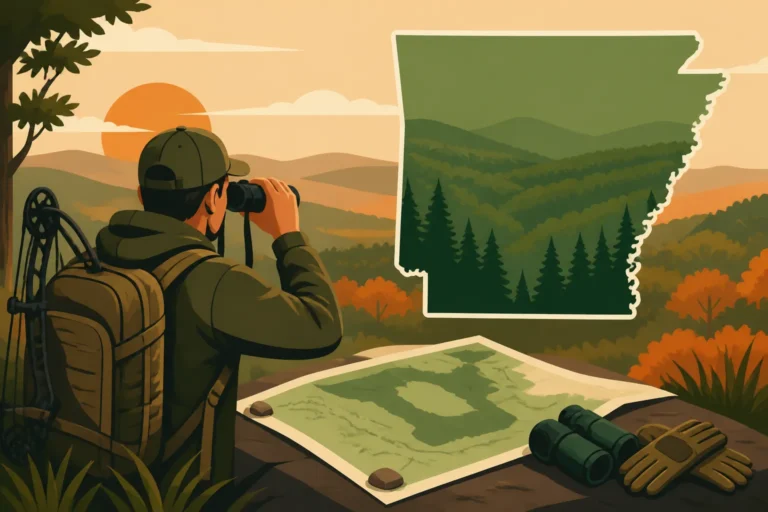
Your backpack is your lifeline in the woods, but it shouldn't feel like a lead anchor. For a run-and-gun hunt, think minimalist. Start with hydration: a water bladder is often better than bottles as it conforms to your pack and prevents clanking. Next, navigation is paramount. While a physical map and compass are good backups, a reliable GPS app on your phone, loaded with public land boundaries and topographical maps, is essential. Services like GoHunt or onX Hunt are invaluable here, allowing you to mark waypoints, track your movement, and identify key features. A small first-aid kit, headlamp, knife, fire starter, and some high-energy snacks are non-negotiables.
Beyond these basics, consider a lightweight rangefinder, compact binoculars (8×42 is often a good compromise), and a small grunt call or rattling antlers if deer calling is part of your strategy. Leave the bulky thermos, extra changes of clothes, and large coolers at home. The goal is to be self-sufficient for a half-day or full-day hunt, but light enough to maintain agility. Remember, every item you carry should have a clear purpose and ideally multiple uses. When scouting Arkansas Public Land Before Season, practice packing your run-and-gun setup to identify what you truly need and what can be left behind.
| Item Type | Essential Gear for Run-and-Gun | Why It's Crucial |
|---|---|---|
| Navigation | GPS-enabled smartphone with mapping app (e.g., GoHunt, onX), physical map, compass | Locates you, identifies public/private boundaries, tracks movement, marks sign. |
| Hydration | Water bladder (2-3 liters) | Keeps you hydrated without bulky bottles or clanking. |
| Optics | Compact binoculars (8×32 or 8×42), lightweight rangefinder | Spot deer, identify legal bucks, range shots quickly. |
| Safety | Headlamp, small first-aid kit, fire starter, signaling whistle, knife | Emergency preparedness, low-light navigation, basic survival. |
| Calls/Scent | Grunt tube, rattling antlers (lightweight), wind checker, scent eliminator | Attract deer, check wind direction instantly, minimize human odor. |
| Tools | Multi-tool, zip ties, small rope/cord | Quick repairs, marking trails, securing gear. |
| Sustenance | High-energy snacks (protein bars, nuts) | Maintain energy for sustained movement without needing to stop for a full meal. |
| Clothing | Layered, moisture-wicking, quiet fabrics, hunter orange (as required) | Adapt to changing weather, stay warm/cool, move silently. |
| Shelter | Lightweight hang-on stand or compact ground blind (see below) | Quick setup for elevated advantage or concealment, especially when you find fresh sign. |
Mobile Stands and Ground Blinds: Your Portable Perch
The ability to quickly set up a shooting position is fundamental to run-and-gun. Heavy, permanent stands are out. Instead, look for ultralight hang-on stands, often weighing under 10-12 pounds, coupled with compact climbing sticks or a mobile climbing system. Brands like Lone Wolf, Millennium, or Hawk offer excellent lightweight options. The key is ease of setup and takedown. You want to be able to get into a tree, secure your stand, and be ready to shoot in less than 10-15 minutes, and then pack it up just as fast.
For those who prefer ground hunting, a compact, pop-up ground blind that can be deployed quickly and offers decent concealment is another option. Some hunters even carry a small camouflage net or ghillie blanket for impromptu ground blinds, allowing them to disappear into the natural cover wherever a deer is spotted or fresh sign is found. Whichever option you choose, practice setting it up at home, in the dark, and under pressure. The faster and quieter you can get into position, the higher your chances of success when you stumble upon a hot sign or a moving animal. It’s all about readiness and adapting on the fly.
Tactical Movement and Reading the Woods
Successfully executing a run-and-gun hunt isn't just about moving; it's about how you move and what you're looking for. Arkansas's diverse landscapes, from the steep, rocky inclines of the Ozarks to the dense bottomland hardwoods of the Delta, demand a keen eye for terrain and a deep understanding of deer behavior.
Utilizing Terrain and Cover for Stealth
When you're constantly on the move, stealth becomes paramount. You're not just walking; you're flowing through the landscape. Pay close attention to the contours of the land. Use ridges, creek beds, and dense timber as natural screens to mask your movement. When you're Moving Through the Ouachita Hollows, for example, stick to the sides of drainages where the terrain might be gentler and offers better cover than trudging noisily up a steep, rocky face.
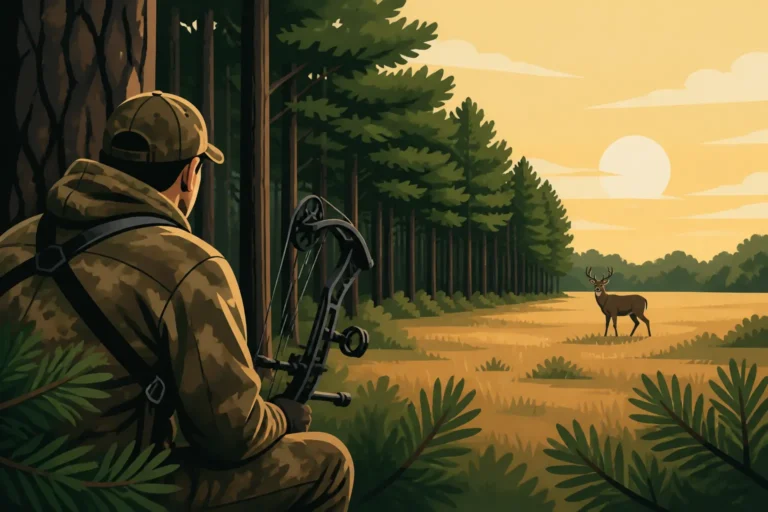
Always move into the wind or with a crosswind. This minimizes the chances of deer smelling you. Pause frequently, often every 20-30 yards, to scan your surroundings with your binoculars. Look for subtle movements, horizontal lines that don't belong, or flashes of brown against the natural backdrop. Listen intently for deer blowing, branches snapping, or the telltale rustle of leaves. The rhythm should be "move, stop, look, listen," repeating this cycle. Utilize available cover like thickets, large trees, or rock formations to break up your silhouette. If you spot a deer, immediately drop to a knee or behind cover, assess the situation, and plan your next move. This proactive approach keeps you engaged and ready for action.
Mastering Wind and Thermals in Arkansas
Arkansas weather can be fickle, and understanding wind patterns and thermals is absolutely critical for any mobile hunter, especially in varied topography. Wind direction is your primary defense against a deer's keen sense of smell. Always know where the wind is coming from and plan your approach accordingly. A simple powder dispenser or a small feather attached to your bow or gun stock can give you instant feedback on wind direction.
In hilly or mountainous terrain, like the Ozark National Forest, thermals play a significant role. As the sun rises, the air in the valleys warms and begins to rise, carrying your scent up the hillside. In the evenings, as the air cools, it sinks down into the valleys, taking your scent with it. This means your approach to a ridge top bedding area might be best from below in the morning, and from above in the evening. Understanding how Wind and Thermals in Ouachita Hollows work can make or break your hunt. In flat, delta country, thermals are less pronounced, making consistent wind direction even more crucial. Always consider how your scent is traveling and adjust your path to keep it out of a deer's nose, especially when you're working through areas of potential bedding or feeding.
Identifying High-Potential Run-and-Gun Zones
The beauty of run-and-gun is its adaptability, but it still benefits immensely from strategic planning. You can't just wander aimlessly; you need to target areas with the highest potential for deer activity. This involves a combination of digital reconnaissance and on-the-ground interpretation of fresh sign.
Digital Scouting with Advanced Mapping Tools
Before you even step foot in the woods, the bulk of your scouting should happen at home, using advanced mapping applications. Tools like GoHunt or onX Hunt allow you to pore over satellite imagery, topographical maps, and public/private land layers. Look for key features that attract deer:
- Topographical Funnels and Pinch Points: These are natural corridors that concentrate deer movement. Think saddles between ridges, narrow strips of timber between open fields, or creek crossings.
- Diverse Habitat Edges: The transition zones between different types of cover (e.g., mature timber meeting a clear-cut, or a swamp bordering an upland forest) are always high-traffic areas.
- Water Sources: Ponds, creeks, and seep springs can be magnets for deer, especially in drier periods.
- Food Sources: Identify areas with oak trees (acorns!), soft mast trees, or agricultural fields bordering public land.
- Remote Access Points: Look for areas that require a bit more effort to reach, often marked by fainter trails or no trails at all. These spots tend to hold less hunting pressure.
Use the AGFC Map Tool in conjunction with these apps to get official public land boundaries and specific WMA regulations. Mark potential bedding areas (dense, dark timber), travel corridors, and feeding zones on your digital map. This pre-season intel gives you a solid game plan and helps you quickly eliminate unproductive areas while you're in the field, guiding your "run" to the most promising "gun" locations. Consider specific features you'd look for, such as "Reading an Ozark Bench for Deer," and mark them on your digital map.
Interpreting Sign and Fresh Activity on the Move
Once you're on the ground, your eyes become your most valuable tool. The "run" part of your hunt is about covering ground to find fresh sign, and the "gun" part is about quickly setting up once you do. What kind of sign are you looking for?
- Fresh Tracks: Look for clear, sharp tracks, especially those of a larger size. If the edges are crisp, the deer was there recently.
- Rub Lines: Bucks rub their antlers on trees to mark territory. Fresh rubs will have bright, exposed wood. A line of rubs often indicates a buck's travel path.
- Scrape Lines: Scrapes are patches of pawed-up earth, usually under a low-hanging branch, where bucks deposit urine and scent. Fresh scrapes will be damp and pungent. During the peak of the Arkansas Rut by Zone, these become hotspots.
- Bedding Areas: Look for flattened grass or leaves in dense cover. Beds found on hillsides, facing downwind, are prime locations.
- Droppings: Fresh droppings are soft and moist. The size and quantity can give you an idea of the deer population and recent activity.
- Natural Food Sources: Are the acorns dropping? Are persimmons ripe? Deer will be where the food is.
When you find fresh sign, slow down immediately. This is where your run-and-gun transitions to still-hunting or a rapid setup. The sign tells you you're in a "hot" zone. It's time to assess the wind, identify nearby cover, and either sneak through the area with extreme caution or quickly deploy your mobile stand or ground blind. This reactive strategy, constantly adjusting based on what the woods are telling you, is the hallmark of successful run-and-gun hunting. It’s all about finding that ground others walk past because they aren’t looking close enough.
Adapting to Conditions and Maximizing Opportunities
The run-and-gun method is inherently about adaptation. Arkansas weather, deer movement, and hunting pressure can change rapidly, and your ability to respond to these shifts will define your success. It's not just about covering ground; it's about covering the right ground at the right time.
Hunting During Different Weather Patterns
Arkansas weather can throw everything at you, from sweltering early season heat to icy late-season chills. Each condition presents unique opportunities and challenges for the run-and-gun hunter.
- Post-Frontal Conditions: After a cold front pushes through, deer often become very active. The temperature drop can spark increased feeding and movement. This is a prime time for aggressive run-and-gun, systematically working through feeding areas or transition zones. The clear, crisp air also means scent carries further, so maintaining a strict wind advantage is crucial.
- Rainy Days: Light rain can actually be a boon. It dampens noise, making your movement quieter, and washes away human scent. Deer often move during light rain, especially if it's not torrential. Focus on areas with good cover and active food sources. Heavy rain, however, usually means deer will hunker down, so that's a good time to reconsider your approach or scout new areas from the vehicle.
- Windy Days: High winds make it difficult for deer to hear or smell, but they also make it harder for you to hear approaching deer. Deer tend to move in thick cover on very windy days, seeking shelter. Use the wind to your advantage, moving quickly and quietly with the wind in your face, and focusing on sheltered bedding areas. In areas like the Ouachitas, the wind can swirl unpredictably, so a constant check on its direction is critical.
- Warm Weather: Early season in Arkansas often means higher temperatures. Deer movement will be concentrated during the cooler parts of the day – early morning and late evening. Your run-and-gun efforts should be focused during these windows, potentially taking a mid-day break. During Bowhunting Arkansas in September Heat, this tactic can be particularly effective. Also, be acutely aware of game care; Field Dressing in Arkansas Heat requires careful attention to cooling the meat quickly.
By understanding how deer react to various weather conditions, you can tailor your run-and-gun strategy, increasing your chances of intercepting a moving animal.
Pressure Hunting: When the Crowds Show Up
Public land hunting often means dealing with other hunters. On popular WMAs or during opening weekends of Modern Gun Tactics on Arkansas Public Land, pressure can significantly alter deer behavior. Instead of being a deterrent, this pressure can be an opportunity for the run-and-gun hunter. Deer that are pushed by other hunters often move to overlooked, thick, or hard-to-reach areas.
- Seek Out Sanctuaries: Look for dense, nasty cover that most hunters avoid. This could be a thorny thicket, a steep hillside, or a swampy bottomland. Deer will often retreat to these areas when disturbed. Use your mapping tools to identify these overlooked havens.
- Exploit Travel Routes: Pressured deer will often use specific, concealed travel routes to move between bedding and feeding areas. These might not be obvious trails. Look for faint signs of movement through thick brush or along steep contours. Being on one of these routes when other hunters are active can lead to a quick shot.
- Hunt Mid-Day: While many hunters retreat to camp or their vehicles during mid-day, pressured deer, particularly those that have been bumped, may be moving. This is a prime time for a quiet, deliberate run-and-gun through bedding areas or transition zones. You might catch a buck relocating.
- Consider Dog Hunting Zones: In zones where Deer Hunting With Dogs in Arkansas is permitted, understand how those hunts affect deer movement. Deer pushed by dogs can offer unique run-and-gun opportunities, especially on the edges of dog hunting zones. However, be extremely aware of safety and other hunters.
The key to successful pressure hunting with a run-and-gun approach is to think like a pressured deer. Where would you go to escape the noise and activity? Then, use your mobility and stealth to get into those spots.
Retrieving Game and Post-Hunt Considerations
Landing a deer with the run-and-gun method often means you’re far from easy access. This is where the real work begins, and planning for it is just as crucial as the hunt itself.
Efficient Field Dressing and Preparation
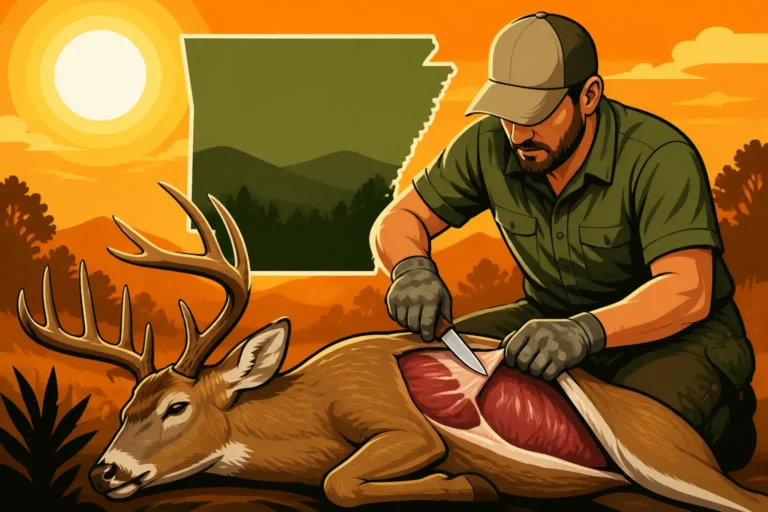
Once you've made the shot, the clock starts ticking, especially in Arkansas's often mild temperatures. Quick and thorough field dressing is paramount to preserving the meat. Remove all internal organs promptly. If you’re in an area with flowing water, a quick rinse of the body cavity can help, but ensure you’re not washing blood into a public water source. For deer taken in the Ozark or Ouachita mountains, consider how you’ll handle getting a deer Out of an Ozark Hollow; often, a quartering-out strategy is necessary for distant kills.
If you’re hunting solo, having a lightweight game bag or a simple sled can make a world of difference for dragging. Pack out what you can, as quickly and efficiently as possible. For longer hauls, especially in warmer weather, a quality game bag and even some ice packs (if you can carry them) for the body cavity are vital to cool the meat down rapidly.
Planning Your Extraction Route
Before you even start hunting, consider your potential extraction routes. This goes back to using your mapping apps like GoHunt. Mark potential access points, old logging roads, or trails that might be closer than your initial entry point. If you shoot a deer deep in public land, knowing the most direct route out, even if it’s rugged, can save you hours of struggle.
Consider a compact bone saw or a stout knife for quartering a deer. This significantly reduces the weight and bulk for packing out, especially if you’re miles from the truck. Having a strong, lightweight rope can help you drag a deer over obstacles or up steep inclines. If you hunt with a partner, coordinate on extraction plans, as two people make the task much easier. Always inform someone of your hunting location and expected return time, especially when planning to venture deep into public lands with a run-and-gun strategy.
Disclaimer
Hunting carries inherent risks, including injury and death. This guide provides general information for educational purposes only. Always consult and strictly adhere to all current Arkansas Game and Fish Commission (AGFC) regulations, local laws, and safety guidelines. Proper hunter education and safety practices are essential. The author and publisher are not responsible for any accidents, injuries, or legal infractions incurred while hunting.