Arkansas CWD Rules and Carcass Transport
There's nothing quite like the feeling of a successful hunt in Arkansas, but with the ongoing concerns surrounding Chronic Wasting Disease (CWD), a cloud of uncertainty can hang over the harvest. Hunters often find themselves scratching their heads, wondering what exactly they need to do with their deer or elk once it's on the ground, especially when it comes to transporting that hard-earned game. This guide is here to untangle the complexities of Arkansas's CWD rules, offering a clear, empathetic roadmap to understanding carcass transport, testing requirements, and responsible hunting practices to protect both our cherished wildlife and your peace of mind.
Understanding Chronic Wasting Disease in Arkansas
For many of us who've spent years hunting the timber and fields of Arkansas, the term "Chronic Wasting Disease" has become all too familiar, often spoken with a sigh or a frown. It's a disease that brings with it a lot of questions and, understandably, some anxiety. But to truly navigate the regulations and do our part, we first need a solid grasp of what CWD actually is and why it's such a big deal for our deer and elk populations.
What is CWD and How Does It Spread?
At its core, Chronic Wasting Disease is a neurological disease, meaning it attacks the brain and nervous system, affecting deer, elk, moose, and caribou. It's caused by abnormal proteins called prions, which are incredibly resilient and can persist in the environment for a very long time. Unlike bacteria or viruses, these prions aren't "alive" in the traditional sense, which makes them incredibly difficult to destroy and manage. Think of them like tiny, misfolded pieces of protein that, once they enter an animal's system, start converting normal proteins into more of themselves, slowly but surely destroying brain tissue.
The way CWD spreads is what really makes it a formidable foe. It's primarily transmitted through direct animal-to-animal contact, but it can also spread indirectly through contact with contaminated environments. This means bodily fluids like saliva, urine, and feces from an infected animal can leave prions in the soil, on plants, or in water sources. So, when a healthy deer comes along and sniffs around where an infected deer has been, or grazes on vegetation in a contaminated area, it can pick up those prions. It's a slow-moving, insidious process, often taking months or even years for an infected animal to show symptoms. During that time, the animal can continue to shed prions into the environment, unknowingly contributing to the spread. This environmental persistence is why simply removing infected animals isn't a quick fix; the prions can remain a threat long after the animal is gone.
The History and Impact of CWD in Arkansas
Arkansas, unfortunately, isn't new to the challenges of CWD. The disease first made its unwelcome appearance in the state in 2016, specifically in a free-ranging elk in Newton County. This discovery sent ripples through the hunting community and sparked immediate action from the Arkansas Game and Fish Commission (AGFC). Prior to that, CWD was something many of us only read about happening in other states. Learning that it was here, in our beloved Ozarks, was a stark awakening. You can learn more about exactly Where CWD Was First Found in Arkansas and the initial responses to its detection.
Since that initial discovery, the AGFC has been diligent in its surveillance and management efforts. They've conducted extensive testing, collecting thousands of samples from harvested deer and elk across the state. This monitoring has revealed that CWD is not confined to just a single area but has spread to several counties, primarily in the northern and western parts of Arkansas, affecting both deer and elk populations. The impact is profound: it means a healthy deer herd is at risk, and for hunters, it introduces new layers of responsibility and regulation to every hunting season. The disease, while not known to transmit to humans through consumption, still raises concerns about long-term herd health, population stability, and the overall quality of our hunting experience.
Why CWD Matters to Hunters
For us, the hunters who cherish Arkansas's outdoors, CWD isn't just a biological curiosity; it's a real and present concern that touches every aspect of our passion. Firstly, and most directly, it impacts the health of the deer and elk we pursue. We want to hunt healthy animals, and a widespread disease threatens that very foundation. Nobody wants to harvest an animal that's sick, even if it might not show outward signs. The presence of CWD forces us to think critically about herd management and what we can do to help.
Secondly, the regulations that come with CWD, particularly around carcass transport and testing, directly affect our hunting plans. What used to be a simple process of field dressing and heading home now often involves mandatory sampling or restrictions on what parts of the animal we can move. This can be inconvenient, even frustrating, especially after a long day in the woods. But these rules are in place for a reason: to slow the spread of the disease. Understanding Arkansas Deer Seasons and Zone Limits becomes even more critical when CWD adds another layer of regulations to consider. Tools like GoHunt can be invaluable for staying up-to-date on regulations specific to your hunting area, ensuring you're compliant.
Finally, CWD challenges the future of hunting in Arkansas. If the disease spreads unchecked, it could lead to declining deer and elk populations, reduced hunting opportunities, and a diminished quality of the hunting experience we all hold so dear. By taking CWD seriously and adhering to the regulations, we're not just following rules; we're actively participating in the conservation efforts that will hopefully safeguard our hunting heritage for generations to come. It’s about being responsible stewards of the land and its wildlife, which is a core tenet of hunting itself.
Arkansas's CWD Management Zones
When the Arkansas Game and Fish Commission identified CWD in the state, they didn't just throw their hands up. Instead, they implemented a strategic approach, defining specific "CWD Management Zones" to contain and monitor the disease. For hunters, knowing whether you're in one of these zones is absolutely paramount because it dictates what you can and cannot do with your harvested game. These aren't just arbitrary lines on a map; they represent areas where the AGFC is concentrating its efforts to slow the spread and gather critical data.
Identifying CWD-Positive Counties
The initial detection of CWD in Newton County quickly expanded, and unfortunately, more counties have been identified as CWD-positive. These are the counties where the disease has been confirmed in wild deer or elk populations through extensive testing. The AGFC continually updates its list of CWD-positive counties, and it's essential for hunters to check the most current information before heading out. Generally, these counties are concentrated in the northern and western parts of the state, particularly within the Ozark and Ouachita Mountain ranges where the disease was first identified in elk.
When you're planning a hunt, especially for species like deer or elk, you absolutely must know if your target area falls within one of these CWD-positive counties. This information often dictates everything from mandatory testing requirements to specific carcass transport rules that wouldn't apply in other parts of the state. You can find up-to-date maps and lists on the AGFC website or by using a detailed hunting app like GoHunt, which often integrates these regulatory boundaries directly into its mapping features. This helps you quickly determine if you're in a zone where CWD protocols are active. Understanding How Many Arkansas Counties Have CWD gives you a sense of the scale of the challenge we're facing across the state.
Defining the Buffer Zones
Beyond the CWD-positive counties, the AGFC has also established "buffer zones." These are counties that border the CWD-positive areas. While CWD may not have been detected in these specific counties yet, they are considered high-risk due to their proximity to known infection sites. The logic here is simple: if the disease is present next door, it's highly likely to cross into these adjacent areas, or it may already be present but hasn't been detected through testing yet.
The regulations in buffer zones are often similar to, or sometimes slightly less stringent than, those in CWD-positive counties, but they still impose restrictions not found in CWD-free areas. The purpose of these buffer zones is to create a wider protective perimeter, providing an early warning system and additional measures to prevent further expansion. For hunters, this means that even if the county you're hunting in hasn't had a confirmed CWD case, you might still be subject to CWD-related rules if it's part of a buffer zone. It's another layer of complexity that underscores the importance of pre-hunt research and checking the latest AGFC regulations.
How to Know if You're Hunting in a CWD Zone
Navigating the various zones can feel a bit like trying to solve a puzzle, especially if you hunt in multiple parts of the state. The most reliable way to know if you're hunting in a CWD Management Zone (either positive or buffer) is to consult the official maps and regulations provided by the Arkansas Game and Fish Commission. These resources clearly delineate the boundaries and list the specific counties involved.
Many hunters find that using modern mapping tools, like those found in the GoHunt app or the AGFC's own map tool, is the easiest way to visualize these zones. You can zoom in on your specific hunting area, whether it's public land in the Ozark National Forest Hunting or a private tract, and see if it falls within a regulated zone. These tools often overlay the CWD boundaries directly onto property maps, making it impossible to miss. Before any hunt, take a few minutes to:
- Check the AGFC Website: Always the most authoritative source for current CWD maps and regulations.
- Consult a Hunting App: Apps like GoHunt are great for on-the-go reference and often have updated CWD zone overlays.
- Look for Signage: In some WMAs or public lands within CWD zones, you might see informational signs.
- Talk to Local Officials: Wildlife officers or local AGFC staff can provide clarification.
Being proactive and informed is your best defense against inadvertently violating CWD regulations, which can carry penalties. It’s not just about avoiding trouble; it’s about being a responsible hunter and doing your part to manage a serious wildlife disease.
Mandatory Testing and Reporting
One of the cornerstones of Arkansas's CWD management strategy is robust surveillance, and hunters play a absolutely vital role in this effort. By participating in mandatory testing and reporting, we provide the AGFC with critical data points that help them track the disease, understand its prevalence, and adapt management strategies. It might feel like an extra step, but it's a direct contribution to the health of our deer and elk herds.
When and Where to Submit Samples
If you harvest a deer or elk within a CWD Management Zone, mandatory testing often comes into play. The AGFC typically designates specific periods during deer and elk seasons when all harvested animals within these zones must be submitted for CWD testing. These periods often coincide with high-volume hunting weekends, like the opening of modern gun season. However, rules can change, so always check the latest regulations for the current season. You'll find specific dates and details in the annual hunting guide.
To make this process as convenient as possible, the AGFC establishes numerous CWD sample collection sites throughout the CWD Management Zones. These sites can include:
- Drop-off Freezers: Self-service stations where you can deposit a deer head (with brainstem intact) and fill out a harvest card. These are often located at public land access points, AGFC offices, or local businesses.
- Staffed Check Stations: During peak hunting weekends, AGFC staff might be present at specific locations to collect samples directly, answer questions, and sometimes even help with the sampling process.
- Participating Taxidermists and Processors: Many local businesses that cater to hunters will partner with the AGFC to accept samples.
The exact location of these sites can be found on the AGFC website's CWD section or through hunting apps that integrate this information. For example, the GoHunt app might highlight these locations directly on its map, making it easy to find the closest drop-off point after a successful hunt. Knowing your options beforehand can save you a lot of driving and hassle, especially if you're hunting a full day.
Understanding Test Results and What They Mean
Once you've submitted a sample, the waiting game begins. The AGFC sends these samples to a diagnostic lab for analysis. This process can take several weeks, depending on the volume of samples received. Hunters are usually provided with a unique sample number or harvest ID when they submit their animal, which they can use to check their results online through the AGFC's CWD portal.
If your animal tests positive for CWD, it's understandably disheartening news. A positive result means the animal was infected with the disease. The AGFC will typically notify you directly in such cases. While current scientific understanding suggests a low risk of CWD transmission to humans, the Centers for Disease Control and Prevention (CDC) and other health organizations recommend against consuming meat from CWD-positive animals. This is a personal decision, but it's important to be informed. In the event of a positive test, the AGFC may also provide guidance on proper disposal of the carcass if you still have parts of it.
If the test comes back negative, it means no CWD prions were detected in the sample. This is the desired outcome and provides peace of mind about the health of your harvested animal. It's crucial to remember that a negative result indicates the sample tested was free of CWD at the time of testing; it doesn't guarantee the animal was absolutely free of all prions, especially early in the disease progression before enough prions accumulate to be detectable. However, it’s the best information we have and allows you to proceed with confidence.
The Role of Hunters in CWD Surveillance
Our participation as hunters in CWD surveillance isn't just about complying with regulations; it's a crucial partnership with the AGFC. Every sample submitted contributes to a larger dataset that paints a clearer picture of CWD prevalence and spread in Arkansas. Without hunter cooperation, the AGFC would have a significantly harder time monitoring the disease.
Think of it this way: each deer head you drop off is like a piece of a massive jigsaw puzzle. When enough pieces are collected and analyzed, a pattern emerges, showing where CWD is concentrated, where it might be spreading, and where new outbreaks are occurring. This information is invaluable for:
- Adjusting Bag Limits: In some CWD zones, the AGFC might adjust antlerless deer limits to reduce overall deer density, which can help slow disease transmission.
- Targeting Management Efforts: Knowing where the disease is allows the AGFC to focus resources on specific areas for culling efforts or public education.
- Informing Research: The data helps scientists better understand CWD itself, leading to potential new strategies for control or even prevention.
So, when you see those CWD check stations or drop-off freezers, remember that your effort to participate is a direct investment in the future of hunting in Arkansas. It’s part of our collective responsibility to conserve and protect our natural resources. Without this vigilance, the disease could spread much more rapidly, creating even greater challenges for our beloved wildlife. You can learn more about how the AGFC conducts Arkansas Wildlife Disease Monitoring and how your contributions are used.
Carcass Transport Restrictions
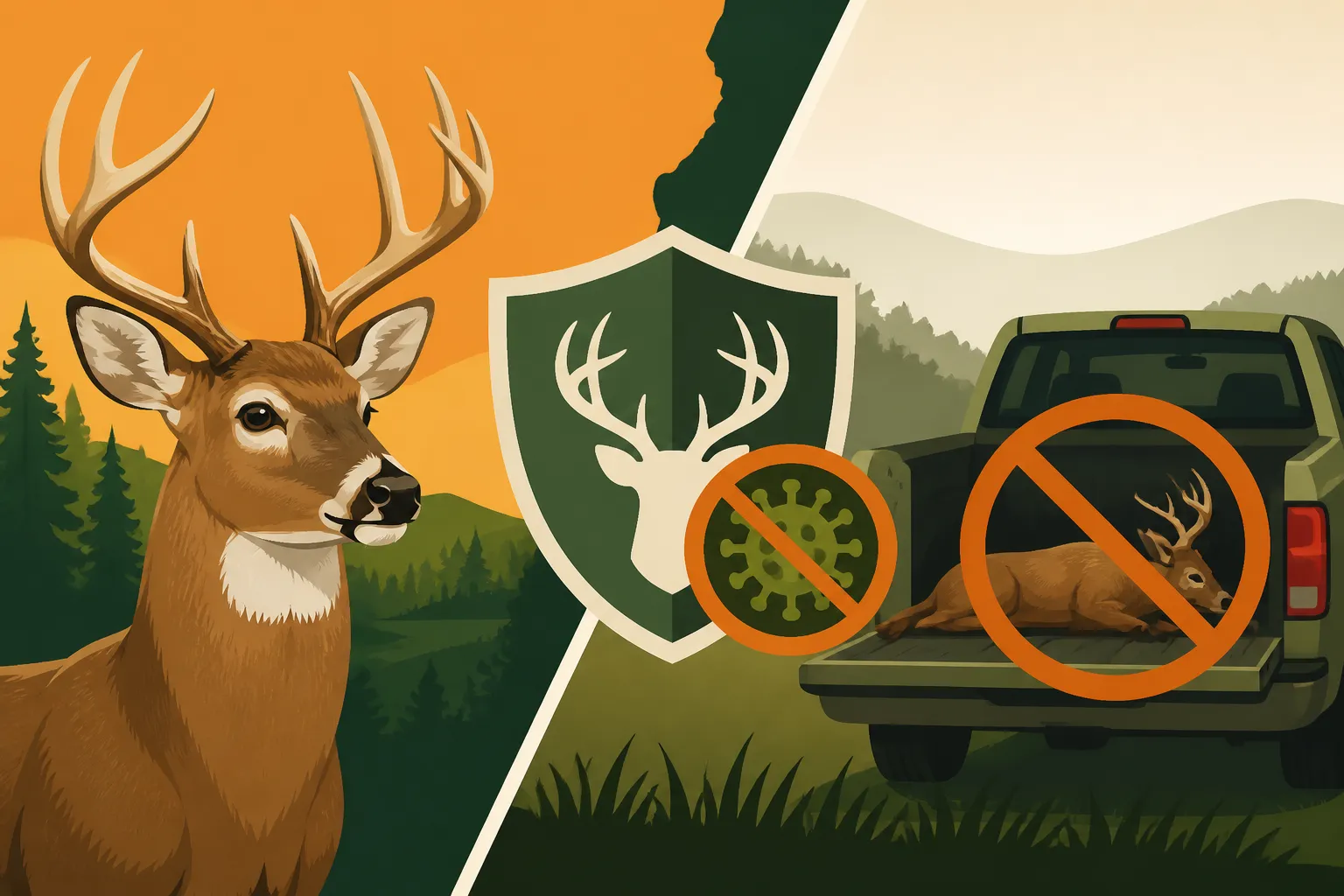
After the excitement of a successful hunt, especially if you're in a CWD Management Zone, the practical reality of getting your animal home sets in. This is where carcass transport restrictions become incredibly important. These rules are designed to prevent the physical movement of potentially infected carcass parts from CWD zones to areas where the disease is not yet established. Ignoring these rules, even unintentionally, could contribute to the spread of CWD to new regions, undoing years of management efforts.
Rules for Moving Deer Within a CWD Zone
If you harvest a deer or elk within a CWD Management Zone (which includes both CWD-positive and buffer counties) and you plan to process it within the same CWD zone, the rules are generally less restrictive. The primary goal is to ensure that potentially infected materials remain within the already designated CWD area.
In these situations, you are typically allowed to transport the whole carcass, or parts of it, anywhere within the CWD Management Zone where it was harvested. This means you can take your deer from your hunting spot to your home, a local processor, or a taxidermist, as long as all these locations are within the same CWD zone. The assumption is that if the disease is already present in that zone, moving materials within it poses a lower risk of new geographic spread. However, it's always best to practice responsible disposal even within a CWD zone. The key takeaway here is containment. Do not allow potentially infected parts to leave the designated zone.
Transporting Carcasses Out of CWD Zones
This is where the rules become much more stringent, and for good reason. The most critical aspect of CWD management in Arkansas is preventing the disease from jumping from an infected zone to a CWD-free area. Therefore, strict regulations are in place regarding the transport of deer and elk carcasses out of any CWD Management Zone.
Generally, only specific, low-risk parts of a harvested deer or elk are allowed to be transported out of a CWD Management Zone. These typically include:
- Deboned meat: All meat that has been completely separated from the bone.
- Antlers and skulls: Only if all brain and nervous tissue has been completely removed. This often means caping the skull and ensuring a thorough cleaning.
- Hides: Free of any head or spinal cord material.
- Teeth: For use as trophies or for aging the animal.
- Finished taxidermy products: Once fully processed and mounted, they are no longer considered a risk.
Essentially, any part of the animal known to harbor a high concentration of CWD prions (brain, spinal cord, lymph nodes, eyes, spleen) must remain within the CWD Management Zone where the animal was harvested. This often means field dressing and processing must occur within the zone, leaving the skull plate (with antlers attached) and boned-out meat as the only items that can legally cross zone lines. This can be a significant logistical challenge, especially for hunters without access to processing facilities within the zone. Make sure to check Arkansas Deer Transport Rules for the most current specifics.
Specific Rules for Non-Residents and Interstate Travel
The regulations become even more critical for non-resident hunters or any hunter planning to take their harvested game across state lines. The goal here is not just to protect Arkansas but also to prevent the inadvertent spread of CWD to other states, which have their own CWD management protocols.
If you're a non-resident hunting in an Arkansas CWD Management Zone, you face the same restrictions as residents regarding what parts can leave the zone. However, if you plan to transport your harvest out of Arkansas entirely, you must adhere to even stricter rules, which are typically consistent with the "low-risk parts only" principle. This means you generally cannot take a whole carcass, or even a skull with brain tissue, across state lines from Arkansas.
Each state has its own CWD regulations, and it is your responsibility as the hunter to know and comply with both Arkansas's rules and the regulations of any state you will be traveling through or to. Penalties for violating these interstate transport rules can be severe, involving fines and even confiscation of your game. Before planning an out-of-state trip with an Arkansas harvest, always:
- Check Arkansas AGFC Regulations: For what can leave an Arkansas CWD zone.
- Check Your Destination State's Regulations: For what they allow to be imported.
- Check Regulations of Any States You'll Pass Through: Some states have strict rules for transit.
A quick table can help clarify typical transport rules:
| Carcass Part | Transport within CWD Zone | Transport Out of CWD Zone (within AR) | Transport Out of Arkansas (Interstate) | Notes |
|---|---|---|---|---|
| Whole Carcass | Yes | No | No | Risk of spreading high-risk tissues. |
| Deboned Meat | Yes | Yes | Yes | Must be completely separated from bone. |
| Antlers/Skull Plate (brain removed) | Yes | Yes | Yes | Brain and spinal cord tissue must be entirely absent. |
| Whole Skull (brain intact) | Yes | No | No | High risk; must be cleaned thoroughly if desired for trophy. |
| Hides (free of head/spinal cord) | Yes | Yes | Yes | Can usually be transported. |
| Finished Taxidermy Mounts | Yes | Yes | Yes | Once processed, risk is considered negligible. |
This table provides a general overview, but always defer to the most current official AGFC guidelines. Understanding Carcass Transport Rules Out of Arkansas is absolutely critical if you're an out-of-state hunter or planning to take your harvest home across state lines. Failing to do so can turn a successful hunt into a very expensive and frustrating experience.
Baiting and Feeding Regulations in CWD Zones
The way we interact with deer, beyond just hunting them, also plays a significant role in CWD management. For many years, baiting and supplemental feeding were common practices for attracting deer, either for hunting or just for viewing. However, with the advent of CWD, these practices have come under intense scrutiny, leading to specific regulations within CWD Management Zones. The science behind these rules points to a clear concern: concentrating deer.
The Rationale Behind Baiting Bans
The primary reason for prohibiting or restricting baiting and supplemental feeding in CWD Management Zones is directly tied to how the disease spreads. Remember those infectious prions found in bodily fluids? When deer gather around a bait pile or feeder, they are much more likely to come into close contact with each other. They'll share saliva, touch noses, and deposit urine and feces in the immediate vicinity of the food source.
This creates a "hot spot" for CWD transmission. A single infected deer visiting a bait site can contaminate the area, making it easy for other deer to pick up prions. The longer and more frequently deer congregate at these sites, the higher the risk of direct and indirect transmission. Therefore, removing these attractants is a crucial step in reducing the density of deer at specific points, thereby slowing down the potential for CWD spread. It's not about punishing hunters; it's about minimizing the conditions that allow the disease to thrive and expand within a herd. You can learn more about Baiting Rules in Arkansas CWD Zones and the specifics of the current regulations.
What Constitutes Baiting in Arkansas CWD Zones
Defining "baiting" can sometimes feel like a gray area, leading to confusion for hunters. In Arkansas CWD Management Zones, the AGFC defines baiting broadly to include placing, depositing, distributing, or scattering grain, feed, minerals, or other food items that entice deer. This isn't just about corn piles; it can extend to mineral blocks, food plots (under certain conditions), and even some forms of scent attractants.
The key element is whether the item is intended to or has the effect of attracting deer to a specific location for hunting purposes. If it's something a deer would eat or be drawn to, and it's placed in a way that concentrates them, it likely falls under the definition of baiting. This means hunters in CWD zones need to be extra vigilant about cleaning up old bait sites, avoiding hunting over naturally occurring but intentionally supplemented food sources, and even being mindful of what they might drop on the ground near a stand. Ignorance of the law is not an excuse, so a thorough review of the current season's regulations on baiting is essential before you even step foot in a CWD zone.
Exceptions and Permissible Attractants
While the general rule in CWD zones leans heavily against concentrating deer, there are some exceptions and permissible attractants that hunters can still utilize. These exceptions are typically designed to minimize risk while still allowing for some traditional hunting practices or land management activities.
For example, most CWD regulations distinguish between baiting for hunting purposes and activities like food plots for habitat improvement. Generally, established food plots planted with agricultural crops (like clover, wheat, or oats) for deer forage are permissible, provided they are part of a legitimate habitat management plan and not simply a concentrated pile of feed. However, some zones may have specific rules about how close you can hunt to a food plot during certain times. It's a nuanced distinction, and the AGFC provides clear guidelines on what is considered a legal food plot versus an illegal baiting activity.
Additionally, certain non-food attractants might be allowed, such as scents (urine, estrus, or territorial scents) that are designed to attract deer without providing a food source. However, even these can sometimes be restricted if they involve placing a physical item that could be contaminated. The best advice is always to consult the latest AGFC hunting regulations specifically for CWD zones. If there's any doubt, err on the side of caution and avoid using anything that could be interpreted as bait. When planning your hunt and considering attractants, consulting resources like Arkansas Archery Deer Season Structure or Arkansas Modern Gun Deer Hunting can help you understand how these rules fit into the broader season regulations. The use of GoHunt can also help you identify areas where baiting is prohibited.
Disposal of Carcasses and Parts
One of the most overlooked, yet critically important, aspects of CWD management is the proper disposal of harvested animal carcasses and parts. After you've field dressed your deer or processed it, what do you do with the remains—the bones, hide, brain, and other tissues? Improper disposal can inadvertently contribute to the spread of CWD by contaminating the environment with prions, creating a new source of infection for healthy deer.
Safe On-Site Disposal Methods
If you harvest an animal in a CWD Management Zone and perform your field dressing or initial processing on site, the safest and often preferred method for disposing of high-risk parts (like the brain, spinal cord, and internal organs) is to leave them where the animal was harvested. This ensures that any potential prions remain within the geographical area where the animal was taken, preventing their movement to a new, unaffected location.
However, "leaving them where they were harvested" isn't as simple as just tossing them into a ditch. To be truly effective and responsible, on-site disposal should involve:
- Deep Burial: If practical and legal, burying the remains deeply (at least 2-3 feet) can help contain prions and prevent scavengers from spreading them. Always check local regulations regarding burial on public or private land.
- Scattering in Dense Cover: If burial isn't an option, dispersing the parts widely in dense, inaccessible cover away from trails, water sources, and areas where deer congregate can help. The goal is to maximize decomposition and minimize the chance of healthy deer encountering concentrated prions.
- Avoiding Waterways: Never dispose of carcass parts directly into streams, rivers, or lakes, as water can facilitate the spread of prions downstream.
The key is to minimize exposure to other live deer and prevent scavengers from picking up and moving potentially infected material over long distances. While it might seem less convenient than simply bagging it up, responsible on-site disposal is a critical component of preventing CWD spread.
Designated Disposal Sites and Services
Recognizing the challenges of on-site disposal, especially for hunters who process their deer at home or are just passing through, the AGFC often provides designated CWD carcass disposal sites within CWD Management Zones. These sites are typically large dumpsters or collection bins specifically for deer and elk waste. They are strategically located, often at AGFC offices, WMA access points, or partnering businesses, to offer hunters a convenient and safe option for disposing of parts that cannot be transported out of the zone.
Using these designated sites is highly recommended, as they ensure that all waste is collected and then properly disposed of in a landfill or by other methods that contain the prions. This centralized approach is a vital part of the state's biosecurity measures. Before your hunt, check the AGFC website or your GoHunt app for a map of these disposal sites in your target CWD zone. Knowing where the nearest designated disposal site is can streamline your post-harvest activities and ensure you comply with regulations.
Avoiding Spread Through Improper Disposal
The consequences of improper carcass disposal can be significant, potentially undermining all other CWD management efforts. Simply dumping carcass parts in unauthorized locations, such as along roadsides, in private dumpsters without permission, or outside of CWD zones, is illegal and highly irresponsible.
Consider the ripple effect: a hunter disposes of a CWD-positive deer head outside a designated zone. Scavengers, such as coyotes or buzzards, can then come into contact with the prions and potentially carry them to new areas. Rainwater can wash prions into the soil or waterways. Other deer might investigate the dumped remains, exposing themselves to infection. Each instance of improper disposal creates a new potential point of transmission.
Therefore, whether you're performing Field Dressing in Arkansas Heat or processing your animal in colder weather, it's absolutely paramount to prioritize proper disposal. Take the extra time, drive the extra miles, and use the designated facilities or follow safe on-site practices. It’s an act of respect for the land, the wildlife, and your fellow hunters, ensuring that our efforts to control CWD are not undone by negligence.
Protecting Yourself and Your Hunt
While CWD is primarily a wildlife disease, hunters understandably have questions about potential risks to themselves and how to ensure the safety of their harvested meat. The good news is that by following some straightforward precautions and staying informed, you can significantly minimize any theoretical risks and continue to enjoy your hunting tradition safely.
Minimizing Risk When Handling Game
Even though there's no conclusive evidence of CWD transmission to humans, it's always wise to exercise caution, especially when handling animals from CWD-positive areas. Think of it as a "better safe than sorry" approach. Here are some practical steps you can take:
- Wear Gloves: Always wear latex or rubber gloves when field dressing or processing any deer or elk, particularly when handling brain, spinal cord, or lymph nodes. This minimizes direct skin contact with potentially infectious tissues.
- Use Separate Tools: If possible, use separate knives and processing tools for game and domestic animals or kitchen use. If not, thoroughly clean and sanitize all tools with a bleach solution (50% bleach, 50% water) after each use.
- Avoid Contact with High-Risk Tissues: During field dressing and processing, try to avoid directly touching the brain, spinal cord, spleen, and lymph nodes. These are the tissues where CWD prions are most concentrated.
- Wash Hands Thoroughly: After handling any game, even with gloves, wash your hands thoroughly with soap and warm water.
These simple hygiene practices are good advice for handling any wild game, regardless of CWD, as they also help prevent the spread of other common bacteria. Adopting them as standard practice will offer peace of mind and enhance your overall safety.
Field Dressing Best Practices in CWD Areas
Field dressing is often the first step in processing a harvested animal, and doing it correctly in a CWD zone can further minimize risk and facilitate proper carcass transport. The goal is to remove the internal organs cleanly while avoiding unnecessary contact with high-risk tissues.
- Be Prepared: Bring sharp knives, a game bag, disposable gloves, and a tarp or plastic sheeting if you plan to lay the animal down.
- Wear Gloves: As mentioned, this is paramount.
- Minimize Spillage: Try to keep internal contents contained. If the gut pile is to be left on site, make sure it’s in an area where deer are unlikely to forage or where it won't contaminate water sources.
- Consider Quartering: For easier transport out of a CWD zone, consider quartering the animal in the field. This means separating the major muscle groups and leaving the skeletal frame (including the spine and head) at the harvest site. This method is often preferred as it immediately reduces the volume of high-risk tissues you need to move. When you're considering Modern Gun Tactics on Arkansas Public Land, having a plan for efficient field dressing and potential quartering is key.
Remember, if you plan to have your animal tested, the head (with brainstem intact) needs to be kept in good condition. So, if you're quartering, carefully remove the head and keep it separate for submission, ensuring it doesn't get contaminated or damaged.
Using AGFC Resources to Stay Informed
The world of CWD management is dynamic; rules and recommendations can change as new scientific information becomes available or as the disease spreads. The best way to protect yourself and your hunt is to stay continually informed, and the Arkansas Game and Fish Commission (AGFC) is your most reliable source.
- AGFC Website: The official AGFC website has a dedicated CWD section that is regularly updated with the latest news, maps, regulations, testing results, and educational materials. Make it a habit to check this section before each hunting season and throughout the year.
- Hunting Guides: The annual Arkansas hunting and fishing regulations guide provides detailed information on CWD rules for the upcoming season, including specific zone boundaries, testing requirements, and transport restrictions.
- AGFC Map Tool and GoHunt: Utilize the AGFC's interactive map tool or a third-party app like GoHunt to visualize CWD zones and locate sample collection sites. These tools are incredibly useful for planning your hunt and understanding the rules specific to your hunting area. GoHunt can provide real-time updates and integrate regulatory boundaries, making it an invaluable resource for navigating complex CWD rules.
- Contact the AGFC: If you have specific questions or are unsure about a regulation, don't hesitate to contact the AGFC directly. Their wildlife officers and biologists are there to help and would much rather answer a question than deal with a violation.
- Attend Public Meetings: The AGFC often holds public meetings to discuss CWD and other wildlife management issues. Attending these can provide valuable insights and allow you to ask questions directly.
By actively engaging with these resources, you ensure you're always operating with the most current and accurate information. This not only keeps you compliant with the law but also positions you as a responsible and informed participant in the critical effort to manage CWD in Arkansas. This diligent approach is also important when considering broader topics like Bowhunting Arkansas's Five-Month Archery Season or getting your Arkansas Hunting Licenses and What They Cost.
Disclaimer
The information provided in this guide is for general informational purposes only and is based on publicly available information from the Arkansas Game and Fish Commission (AGFC) as of the date of publication. CWD regulations and management zones are subject to change. Hunters are solely responsible for knowing and adhering to all current Arkansas Game and Fish Commission regulations and local laws before, during, and after their hunt. Always consult the official AGFC website and the most recent Arkansas hunting regulations guide for the most accurate and up-to-date information.