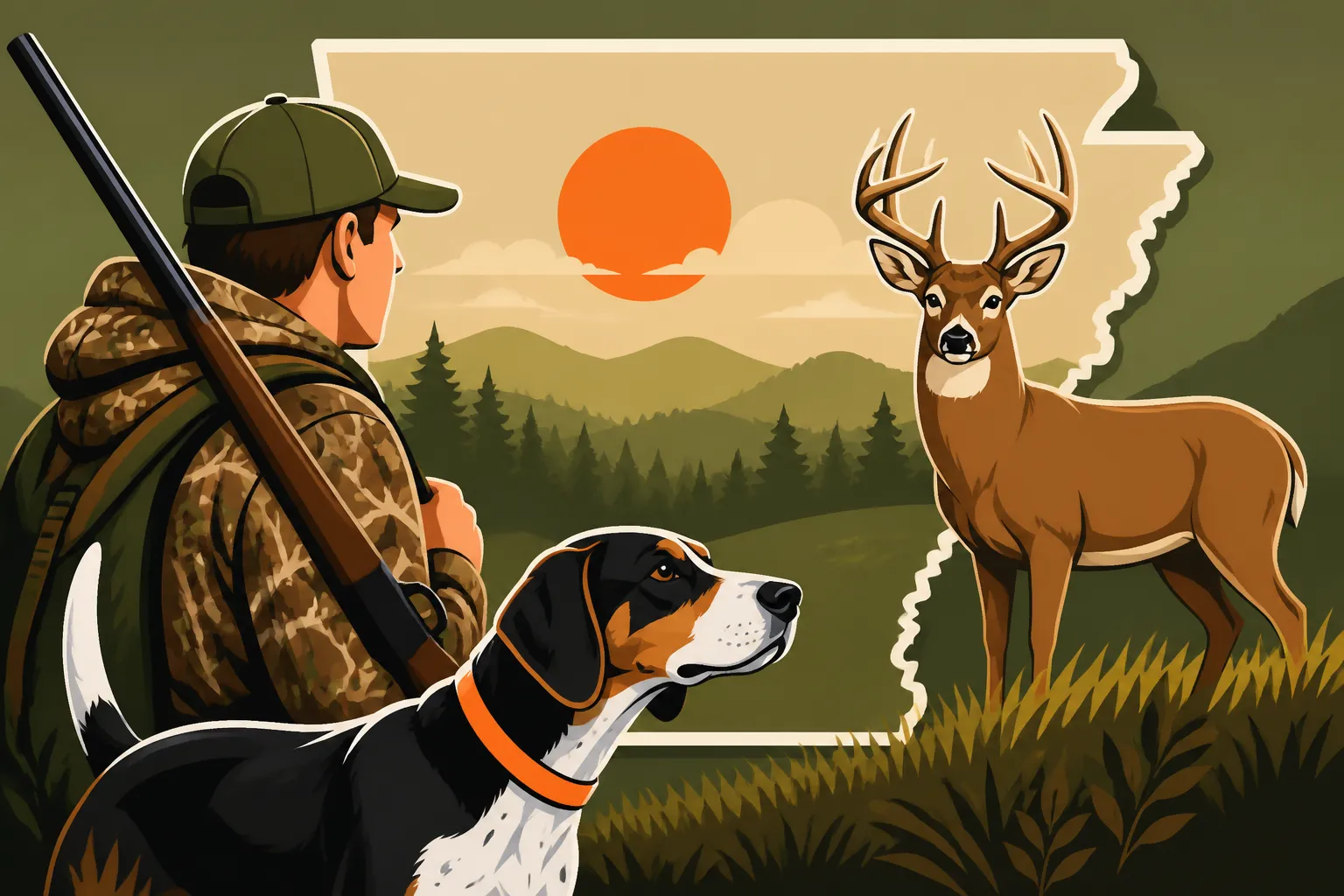
Arkansas Dog Deer Hunting Rules
For many hunters, especially those visiting from other states or whose local traditions differ, the regulations surrounding dog deer hunting in Arkansas can feel like navigating a maze. It’s not just a free-for-all where you turn out the hounds and hope for the best. Arkansas has a rich, complex history with running deer with dogs, but it’s governed by incredibly specific rules that shift depending on the deer zone and even the particular piece of public land you’re hunting. This comprehensive guide aims to shine a clear light on these nuances, equipping you with the knowledge to participate in this unique hunting tradition legally and ethically in the Natural State.
The Storied Tradition of Deer Hunting with Dogs in Arkansas
Arkansas boasts a hunting heritage as deep and winding as its rivers, and a significant part of that tradition, especially in certain regions, involves the exhilarating practice of deer hunting with dogs. For generations, this method has been woven into the fabric of rural communities, a rite of passage for many young hunters, and a deeply social event that brings families and friends together.
A Glimpse into Arkansas's Hunting Heritage
To truly understand why the rules are the way they are, it helps to appreciate the historical roots of dog deer hunting here. In many parts of the state, particularly the expansive bottomlands of the Delta and the piney woods of South Arkansas, chasing deer with dogs was not just a pastime; it was a way of life and an efficient means of putting venison on the table. The terrain in these areas often features dense cover, thickets, and large tracts of private land where still-hunting can be challenging. Dogs, often a pack of well-trained hounds, are used to push deer out of these thickets, driving them towards hunters strategically positioned along roadways, cutlines, or natural travel corridors. This method contrasts sharply with the still-hunting prevalent in the mountainous Ozark and Ouachita regions, creating a distinct cultural divide that has, over time, influenced the differing regulations across the state. It's a loud, vibrant, and often fast-paced form of hunting that relies heavily on teamwork, dog handling skills, and an intimate knowledge of the local landscape and deer movement patterns.
Why the Rules Can Feel Overwhelming
If you’re coming from a state where dog deer hunting is either nonexistent or regulated very differently, the sheer volume and specificity of Arkansas's rules can definitely feel like a lot to take in. You might be used to straightforward statewide regulations, but here, it's more like a patchwork quilt, with different rules applying to different deer zones, public lands, and even specific types of private land. This complexity often leads to confusion and, unfortunately, can sometimes result in unintentional violations if hunters aren't meticulously informed. The Arkansas Game and Fish Commission (AGFC) works to balance traditional hunting methods with wildlife management goals, landowner concerns, and the experiences of other hunters. This balancing act means that the rules are precise, ever-evolving, and absolutely critical to understand before you ever release a hound. Trying to guess or assume based on traditions from elsewhere will almost certainly lead to trouble, highlighting why a thorough grasp of the specifics is non-negotiable for anyone looking to hunt deer with dogs in Arkansas.
Understanding Arkansas's Deer Zones and Dog Hunting Permissibility
One of the most crucial aspects of deer hunting with dogs in Arkansas is recognizing that it is absolutely not a statewide privilege. The ability to use dogs to pursue deer is strictly confined to specific regions, or "zones," of the state. Ignoring this foundational rule is the quickest way to find yourself on the wrong side of wildlife law.
Zone-Specific Regulations: Not All Land is Created Equal
When it comes to deer hunting with dogs, Arkansas is essentially divided into two philosophies: zones where it’s an accepted tradition and zones where it’s strictly prohibited to protect still-hunting opportunities and manage deer populations differently. Generally speaking, dog deer hunting is a practice primarily permitted in the more eastern and southern portions of the state, particularly across the flat agricultural landscapes of the Delta and the pine forests of South Arkansas. These are areas typically designated as Deer Zones 4, 5, 5B, 6, 7, 8, 10, 11, 12, 13, 14, 15, and 16. If you look at an AGFC deer zone map, you'll see these tend to avoid the mountainous regions.
Conversely, in the mountainous terrain of the Ozarks and Ouachitas – typically encompassing Zones 1, 2, 3, 3A, and most of the Ouachita National Forest and Ozark National Forest areas – the use of dogs for deer hunting is explicitly illegal. These zones are managed primarily for still-hunting opportunities, where hunters pursue deer on foot without the aid of dogs. It's paramount that you know exactly which zone you are in before even considering bringing a dog. Consulting the official Arkansas Deer Zones Explained guide from the AGFC is your first and most vital step to determine if dog deer hunting is even an option in your intended hunting area. These zones are clearly delineated on the AGFC's annual hunting regulations guide, which is a document you should practically memorize if you plan to partake in this tradition.
Season Dates and Legal Harvest with Dogs
Even within the zones where dog hunting is allowed, it's not a year-round or even season-long affair. The use of dogs for deer hunting is typically integrated into the existing modern gun deer seasons. This means you need to be acutely aware of the specific dates designated for dog hunting within those general gun seasons. These dates are often listed explicitly in the AGFC regulations as "Modern Gun – Dog Deer Hunt" periods, and they do not always encompass the entirety of the modern gun season. For instance, there might be early modern gun dates where dogs are not permitted, followed by a period where they are, and then perhaps a late-season return to still-hunting only.
The bag limits and legal harvest for deer taken with dogs generally follow the same rules as other modern gun hunts within that specific zone, including antler point restrictions (like the three-point rule in some areas) and antlerless deer limits. It's critical to know if you can take an antlerless deer during a dog hunt, as these opportunities are vital for herd management but might also be limited to specific dates or zones. Always consult the AGFC regulations for the exact When Dog Hunting Is Allowed for Deer dates and specific harvest restrictions for the zone you plan to hunt. Keep in mind that youth modern gun hunts often have their own specific rules, which may or may not include dog hunting, so double-checking these details is crucial for any younger hunters in your party.
Essential Permits, Licenses, and Hunter Requirements
Before you can even think about releasing a dog to chase deer, you need to ensure all your personal licenses and permits are in order. Arkansas takes its hunting regulations seriously, and dog deer hunting often comes with a few extra layers of requirements.
Licensing for Resident and Nonresident Dog Hunters
Just like any other form of hunting in Arkansas, you must possess a valid hunting license to participate in dog deer hunting. For residents, this typically means a basic Sportsman’s License or an All Game Hunting License, which covers a broad spectrum of game species. However, dog deer hunting often requires an additional, specific permit. This isn't just a recommendation; it's a legal mandate. The AGFC issues specific permits for individuals who intend to hunt deer with dogs, often called a "Deer Dog Permit." This permit signifies that you understand and agree to abide by the specialized rules governing this activity. Without this specific permit, even if you have a general hunting license, you are not legally allowed to participate in a dog deer hunt.
For nonresident hunters, the licensing structure can be a bit more complex. While you’ll still need a nonresident hunting license – which can be either an annual option or a shorter-term license like the Arkansas Nonresident Three-Day Deer License – you also have to consider the specific rules for nonresidents participating in dog deer hunting. Not all states allow nonresidents to hunt deer with dogs, or they have additional requirements. Arkansas does allow nonresidents to hunt with dogs, but they too must purchase the specific Arkansas Dog Hunting Permits in addition to their base nonresident hunting license. It's imperative that both residents and nonresidents verify their current license and permit status well in advance of the season, as forgetting this crucial step can lead to significant fines and penalties. You can easily purchase these licenses and permits through the AGFC website or approved vendors.
Here's a quick overview of common licensing scenarios:
| Hunter Type | Required Base License (Example) | Additional Dog Deer Permit | Notes |
|---|---|---|---|
| Arkansas Resident (Adult) | Resident Sportsman's License / All Game Hunting License | Yes (Deer Dog Permit) | Annual resident licenses are generally the most cost-effective. |
| Arkansas Resident (Youth) | Youth Hunting License (if applicable) | Yes (Deer Dog Permit) | May have specific age requirements for permit, or hunt with permitted adult. |
| Nonresident (Adult) | Nonresident All Game Hunting License or Short-Term Deer License | Yes (Deer Dog Permit) | Nonresident permits can be more expensive and may have additional restrictions or conditions. |
| Landowner (Exempt) | May be exempt from some base licenses on their own land | Yes (Deer Dog Permit) | Landowner exemptions typically do not extend to specialized permits like deer dog permits. Always verify. |
Hunter Education and Safety Mandates
Regardless of your preferred hunting method, hunter education is a cornerstone of responsible hunting in Arkansas. If you were born after December 31, 1968, you are generally required to complete an approved hunter education course before you can purchase a hunting license in Arkansas. There are some exemptions, like a deferred hunter education option, but the rule applies broadly. This requirement is especially pertinent for dog deer hunting, given the dynamic and often fast-paced nature of the hunt, which can present unique safety challenges.
Safety in a dog deer hunt isn't just about knowing your firearm; it's about being acutely aware of your surroundings, understanding where your fellow hunters are, and anticipating where the dogs might push game. The AGFC's Arkansas Hunter Education and Safety Rules cover everything from firearm handling to ethical shot placement, all of which are amplified in a dog hunt scenario. Furthermore, hunter orange requirements are absolutely critical during modern gun deer seasons, and particularly so when running dogs. Arkansas law stipulates that during modern gun deer seasons, anyone hunting deer or bear must wear at least 400 square inches of hunter orange above the waist, including a head covering, that is visible from all sides. This isn’t optional; it's a non-negotiable safety measure designed to ensure maximum visibility and prevent tragic accidents. Given the movement and noise inherent in dog hunting, wearing your Arkansas Hunter Orange Rules correctly is paramount for your safety and the safety of everyone else in the field.
Navigating Public and Private Land with Deer Dogs
Once you've got your licenses and permits squared away, the next big hurdle for dog deer hunting in Arkansas is understanding where you can actually hunt. The rules for public land are often far more stringent than those for private property, and even on private land, permission is absolutely key.
Running Dogs on Wildlife Management Areas (WMAs)
Hunting on Arkansas Wildlife Management Areas (WMAs) offers fantastic opportunities, but they come with their own distinct set of rules that can often differ from the general statewide regulations. When it comes to dog deer hunting, many WMAs, especially those in the still-hunt-only zones, explicitly prohibit the use of dogs for deer. However, some WMAs in the southern and eastern parts of the state do permit it, but usually under highly specific conditions and during very limited seasons.
For example, a WMA might only allow dog hunting for a few days during a specific modern gun season, or it might have designated sections where dog hunting is permitted while other sections remain still-hunt only. It's not enough to know the general deer zone rules; you must consult the specific regulations for each individual WMA you intend to hunt. These regulations are usually detailed in the annual AGFC hunting guide and often available on the AGFC website. Utilizing mapping tools like GoHunt, which overlays AGFC WMA boundaries and can often link directly to regulations, can be incredibly helpful for planning. It allows you to visualize the huntable areas and confirm the rules for Running Deer Dogs on Arkansas Public Land before you even leave home. Navigating the complex regulations for Arkansas Wildlife Management Areas is a skill every public land hunter needs, and it's especially true for dog hunters where the rules are often stricter and more limited.
Private Land Access and Trespass Laws
While public lands have clear, published regulations, private land hunting boils down to one absolute rule: permission. You absolutely, unequivocally need permission from the landowner to hunt on their property. This isn't just a courtesy; it's the law in Arkansas. For dog deer hunting, this becomes even more critical due to the nature of dogs ranging widely during a hunt. Even if you start on property where you have permission, your dogs might cross onto neighboring tracts.
Arkansas law requires hunters to have permission to hunt on private land. While verbal permission is legally sufficient, it is always, always recommended to get written permission, especially when dog hunting. A written agreement can clarify boundaries, dates, and even what to do if a dog or deer crosses property lines. The AGFC provides permission cards that can be used for this purpose. When your dogs are running a deer, they often don't respect property lines, and this can lead to uncomfortable, or even illegal, situations. If your dog pursues a deer onto private property where you do not have permission, you technically cannot follow the dog or retrieve the deer without contacting the landowner first and obtaining their explicit permission. This is covered under Arkansas Trespass and Permission Law.
This is where open communication with adjacent landowners becomes paramount. Before hunting, try to speak with neighbors, explain your intentions, and ask for permission to retrieve dogs or downed game if they cross property. Many landowners are understanding if you approach them respectfully and proactively. However, if permission is denied, you must respect that. Failing to do so can lead to legal charges, strained community relations, and a black eye for the dog hunting tradition. Even retrieving a legally harvested deer from private land without permission can lead to issues, as detailed in the rules regarding Retrieving Game From Private Land. Always prioritize good landowner relationships and be prepared to call off your dogs if they cross onto unpermitted ground.
Ethical Considerations and Responsible Dog Handling
Beyond the legalities, dog deer hunting carries a profound ethical responsibility. The actions of a few irresponsible hunters can negatively impact the reputation of all dog hunters, and effective, ethical dog handling is key to maintaining this cherished tradition.
The Art of Managing Your Pack and Minimizing Impact
Running a pack of deer dogs isn't just about turning them loose; it's an art form that requires extensive training, dedication, and a deep understanding of dog behavior. A well-managed pack is one where the dogs are trained to hunt only deer, respond to commands, and can be tracked accurately. Modern technology has revolutionized this aspect of the hunt. GPS tracking collars, like those compatible with mapping services such as GoHunt, are almost indispensable. These devices allow handlers to monitor the exact location and movement of each dog in real-time, greatly improving control and retrieval efforts. This is crucial for preventing dogs from running off onto prohibited properties, chasing non-target species, or becoming lost.
Ethical dog hunters invest heavily in their dogs, not just for the thrill of the chase, but for the welfare of the animals and the integrity of the hunt. This means ensuring your dogs are healthy, well-fed, and properly cared for, especially when hunting in challenging conditions. Furthermore, responsible dog handling includes making every effort to retrieve your dogs promptly after a chase, whether the deer is harvested or escapes. Leaving dogs to wander can cause undue stress to local wildlife, disturb other hunters, and create negative public perception. The careful coordination of hunters and handlers, ensuring effective communication and quick response times, is a testament to the skill involved in Handling Dogs in a Deer Drive and a cornerstone of minimizing negative impact.
Respecting Other Hunters and Community Harmony
One of the most sensitive aspects of dog deer hunting is its potential impact on other hunters. While dog hunting is a long-standing tradition, so is still-hunting, and the two can sometimes clash. The noise of barking hounds and the movement of deer being pushed can disrupt a still-hunter's quiet vigil, leading to frustration and resentment. This is a legitimate concern, and responsible dog hunters actively work to mitigate these conflicts.
Before hunting in an area, especially near public lands or known still-hunting spots, it's a good practice to be aware of other hunters. If possible, communicate your plans or choose areas where still-hunting pressure is minimal. Advocating for your tradition means demonstrating respect for others' preferences. This mutual respect is vital for maintaining community harmony and ensuring that all types of hunting can coexist. Dog hunters also play a role in deer management by helping to harvest deer, particularly in dense areas where still-hunting success might be lower. However, this management benefit comes with the responsibility of adhering to all antler restrictions and harvest limits. Moreover, being mindful of Chronic Wasting Disease (CWD) zones and adhering to carcass transport rules is an ethical obligation, as dogs can potentially encounter infected animals and contribute to disease spread if precautions aren't taken.
Practical Tips for a Successful and Compliant Dog Hunt
Dog deer hunting in Arkansas can be one of the most exciting and rewarding forms of hunting, but success, and more importantly compliance, hinges on thorough preparation and adherence to best practices.
Scouting, Preparation, and Gear for Dog Hunters
Effective dog hunting starts long before opening day. Pre-season scouting is absolutely vital. You need to identify deer bedding areas, travel corridors, and potential escape routes. This means walking the property, looking for deer sign, and understanding the topography. For dog hunters, it's also about identifying natural dog lanes, areas where your hounds can move efficiently, and where standers can be strategically placed to intercept deer. Knowledge of the landscape helps you anticipate where deer will run when pushed, increasing your chances of a successful harvest.
Beyond scouting, having the right gear is non-negotiable. As mentioned earlier, high-quality GPS tracking collars for your dogs are paramount. Brands like Garmin's Alpha series or Tracker, often integrated with mapping systems like GoHunt, provide invaluable real-time information on your dogs' locations, movements, and even their barking status. This allows you to monitor the hunt and react quickly if a dog goes off track or gets into trouble. Communication devices, such as two-way radios or cell phones with good service, are also essential for coordinating with your hunting party, especially when hunters are spread out. Lastly, consider your vehicle setup. A sturdy dog box or kennel system that can safely transport your hounds to and from the hunt, along with enough water and supplies for the dogs, is a must-have. Proper planning ensures not only a more efficient hunt but also the safety and well-being of your valuable hunting partners.
Game Recovery and Reporting Requirements
The ethical responsibility of a hunter extends well beyond the shot. It includes making every reasonable effort to recover any deer that has been wounded. In dog deer hunting, this commitment is particularly important because the fast-paced nature of the hunt and the movement of the deer can sometimes make tracking challenging. If a deer is hit, the dogs can often assist in locating it, but human tracking skills remain essential. Be prepared to spend the necessary time and effort to recover your game, even if it means staying late or returning the next day with a fresh set of eyes and dogs.
Once a deer is recovered, Arkansas law requires immediate tagging and reporting. You must fill out your deer tag immediately and attach it to the animal. Following that, you must check your deer within 24 hours of harvest. The AGFC offers several convenient methods for this, including online through their website, via their mobile app, or by calling a toll-free number. This process, known as Arkansas Deer Checking and Tagging, is crucial for wildlife management, providing the AGFC with vital data on harvest numbers, locations, and antlered vs. antlerless takes. Failing to check your deer properly is a common violation that can result in fines. Additionally, ensure you understand the rules for transporting your harvested deer, especially if you are traveling between CWD management zones, to prevent the potential spread of disease. Taking pride in recovering your game and fulfilling all reporting requirements are fundamental aspects of being a responsible and compliant dog deer hunter in Arkansas.
Disclaimer
Please be aware that hunting regulations are subject to change. While this guide aims to provide accurate and comprehensive information, it is the individual hunter's responsibility to consult the most current Arkansas Game and Fish Commission (AGFC) hunting regulations before participating in any hunting activity. Always verify specific season dates, zone limits, licensing requirements, and WMA rules directly with the AGFC.