How Arkansas Elk Permits Are Drawn
It's a dream for many hunters to draw an elk tag, especially right here in Arkansas, where the majestic animals roam the Ozark Mountains. But let's be honest, the application process for these highly coveted permits can feel like trying to solve a cryptic puzzle, leaving many of us wondering if we're even doing it right. This comprehensive guide is going to strip away the confusion, walking you through every single step and nuance of how the Arkansas Game and Fish Commission (AGFC) elk permits are drawn, so you can confidently throw your hat into the ring.
Understanding the Arkansas Elk Hunt Program
The presence of elk in Arkansas might surprise some, but for those of us who cherish the natural beauty and hunting heritage of our state, they represent a remarkable conservation success story. Getting a tag to pursue one of these magnificent animals is truly a once-in-a-lifetime opportunity for many.
A Brief History of Arkansas Elk
The story of elk in Arkansas is one of incredible resilience and dedicated restoration. Historically, elk were native to the state, but overhunting and habitat loss in the late 19th and early 20th centuries led to their complete extirpation. For decades, the Arkansas landscape was silent of their bugle. However, thanks to the visionary efforts of the AGFC, elk were reintroduced into the state starting in 1981, primarily sourced from Colorado and later Kansas. These animals were released into the Buffalo River region, an area chosen for its suitable habitat, expansive public lands within the Ozark National Forest, and relatively low human population density.
Since those initial reintroductions, the herd has slowly but steadily grown, establishing a healthy, free-ranging population concentrated along the Buffalo National River corridor. This area, with its rugged terrain, dense woodlands, and scattered pastures, provides the ideal mix of forage and cover that elk need to thrive. Today, these animals are not just a symbol of successful conservation, but also a significant draw for wildlife viewers and, of course, a handful of lucky hunters each year. The success of the program is a testament to careful management and community support, ensuring that this iconic species once again contributes to the rich tapestry of Arkansas's wildlife. If you're keen to dive deeper into how these giants made their comeback, you might find the article on Arkansas Elk Reintroduction History fascinating.
Why Permits Are Limited
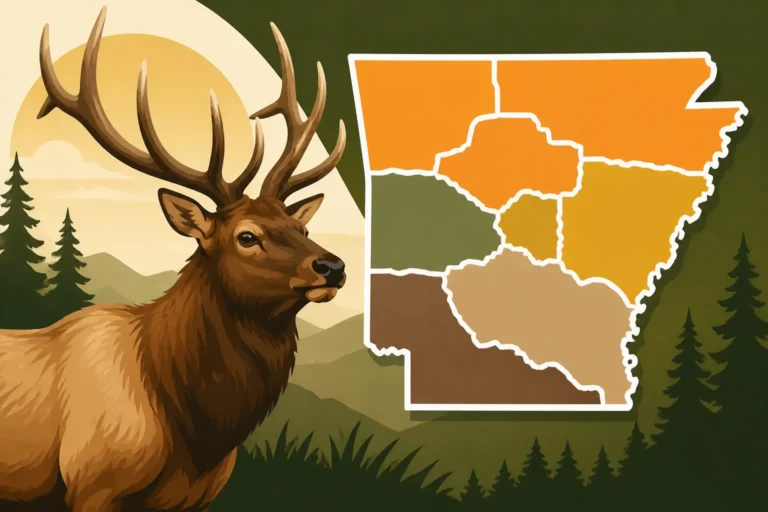
If you've ever tried to draw an elk tag, you know they're not exactly handed out like candy. The reason for the extremely limited number of permits boils down to careful conservation and a commitment to maintaining a healthy, sustainable elk population within a relatively small, specific range. Unlike states with vast, widespread elk herds, Arkansas's population is focused predominantly in the six designated Elk Hunt Zones around the Buffalo River.
The AGFC’s primary goal is to manage the herd for long-term ecological health, which means balancing population growth with the carrying capacity of the land. Too many elk in one area can lead to overbrowsing, habitat degradation, and increased conflict with landowners, particularly regarding crop damage. Conversely, issuing too many permits could jeopardize the herd's genetic diversity and overall numbers. Therefore, the number of permits issued each year is meticulously calculated based on population surveys, herd health assessments, and harvest objectives. It's a delicate dance between providing hunting opportunities and ensuring the continued thriving of the species. This limited allocation also helps to manage hunter density in the specific hunt zones, ensuring a quality hunting experience for those who are drawn, and minimizing pressure on the local ecosystem and other wildlife. It’s a classic supply and demand scenario where conservation always comes first, making each permit an incredibly valuable commodity.
The Application Process Explained
So, you’ve decided to take the plunge and apply for an Arkansas elk permit. It's an exciting step, but also one that requires attention to detail. Skipping a step or misunderstanding a requirement can cost you that precious chance.
Eligibility and Requirements
Before you even think about filling out an application, you need to make sure you meet the basic eligibility criteria. First and foremost, anyone wishing to apply for an Arkansas elk permit, whether a resident or a nonresident, must possess a valid Arkansas hunting license that includes all necessary tags and stamps. This isn't just a formality; it's a foundational requirement. For many, this means purchasing a simple annual hunting license, but depending on your age or residency status, you might need a different package. You can find detailed information about your options, including costs and what each covers, by checking out Arkansas Hunting Licenses and What They Cost.
Beyond the general license, there are a few other critical points. If you were born after December 31, 1968, you must have completed an approved hunter education course. This is a crucial safety and ethical hunting requirement, ensuring that anyone heading into the woods is prepared and responsible. For more specifics on this, you can look up Arkansas Hunter Education Age Requirement. There are also specific rules for youth hunters, often requiring supervision. For nonresidents, while it might seem daunting, you absolutely can apply for an Arkansas elk permit, though the odds can be even slimmer. For the full scoop on whether Can Nonresidents Draw an Arkansas Elk Permit? and any specific nonresident requirements, it's always best to consult the AGFC regulations directly. Remember, having everything in order before the application window opens will save you a lot of headache and potential disappointment.
Navigating the Online Application
Once you've confirmed your eligibility, the next step is the actual application, which is exclusively handled online through the AGFC website. This system is designed to be relatively straightforward, but paying close attention to the details is paramount. The application period typically opens in May and runs through early June, so mark your calendars well in advance! You can always verify the exact timeframe by looking up Arkansas Elk Permit Application Dates on the AGFC's official resources.
When you log into the AGFC licensing system, you'll find a dedicated section for "Special Hunts" or "Permit Applications." You'll select the elk hunt application, and from there, you'll be prompted to enter your personal information, confirm your license details, and choose your preferred permit type. This is where clarity is key. Take your time to review every piece of information before submitting. Errors in your personal details, or failing to acknowledge all terms, can invalidate your application. Many experienced hunters use tools like GoHunt to keep track of application deadlines for various state draws, ensuring they never miss a crucial window. While GoHunt helps with strategy and deadlines, the actual submission must always happen through the official AGFC portal. It’s important to double-check that your credit card information is current and that you receive a confirmation number after submission. That confirmation is your proof of entry into the draw, so keep it safe!
Understanding Permit Types: Either-Sex vs. Antlerless
One of the most important decisions you’ll make during the application process is which type of elk permit you're applying for: either-sex or antlerless. These aren't just different names; they represent distinct management objectives and offer different hunting opportunities. Understanding the nuances here is crucial for both your application strategy and your expectations should you be drawn.
An "either-sex" permit is exactly what it sounds like – it allows the harvest of either a bull (male) or a cow (female) elk. These are the most highly coveted permits, as they offer the chance to pursue a trophy bull, a dream for many hunters. Due to their desirability and the AGFC's management goals, significantly fewer either-sex permits are issued compared to antlerless permits. The primary purpose of these permits is to provide high-quality recreational hunting while allowing for a balanced harvest across the herd.
On the other hand, an "antlerless" permit restricts your harvest to a cow elk. While it might not offer the same "trophy" appeal as an either-sex tag, these permits are incredibly important for herd management. Harvesting cows helps control population growth, especially in specific zones where densities might be higher, and it aids in mitigating potential agricultural damage. From a hunter's perspective, an antlerless tag still provides an exceptional hunting experience and, arguably, the best table fare. They are generally easier to draw than either-sex permits, simply because more are available. For a deeper dive into these distinctions and how they impact herd management, you might find the article Either-Sex Versus Antlerless Elk Permits very informative. Consider your personal hunting goals – is it the experience of hunting elk, or specifically pursuing a trophy bull? Your answer might guide which permit type you select.
The Draw System Mechanics
Once your application is submitted, it enters the mysterious realm of the draw. This is where the magic (or heartbreak) happens, and it's essential to understand how Arkansas's system works to manage your expectations.
Preference Points or Lack Thereof
For many hunters familiar with draw systems in western states, the concept of "preference points" or "bonus points" is ingrained. These systems reward loyalty, giving applicants who've applied for years without success a statistical advantage in subsequent draws. However, here's a critical piece of information that often surprises applicants: Arkansas does not currently use a preference point system for its elk draw.
That's right. When you apply for an Arkansas elk permit, your application is treated the same whether it's your first time or your fifteenth. It's a true, pure lottery system. Every single eligible application submitted for a given year has an equal chance of being drawn. This means that while someone might apply for a decade without success, a first-time applicant could theoretically get lucky on their very first try. This can be a source of both hope and frustration. Hope, because everyone starts on an even playing field; frustration, because there's no accumulated benefit for consistent participation, which can feel unfair to long-time hopefuls. It can be tough to put in the time and effort year after year, only to feel like you're starting from scratch each time. This pure lottery design emphasizes fairness in the initial draw, ensuring that new hunters and seasoned veterans alike have the same mathematical shot.
How the Drawing Occurs
With so many applications and so few permits, how exactly does the AGFC decide who gets to hunt? The drawing process for Arkansas elk permits is entirely automated and randomized, designed to be as fair and impartial as possible. Once the application period closes, all eligible applications are compiled into a digital pool. The AGFC uses specialized computer software to randomly select the winners.
Imagine every single application as a digital ticket in a massive virtual drum. The computer simply "draws" tickets until all the allocated permits for each zone and permit type (either-sex, antlerless) are assigned. This ensures that every applicant has the exact same probability of being chosen, regardless of their past application history or any other factor. The transparency of this system is important; it removes any potential for human bias in the selection process. The numbers of permits issued vary slightly year to year based on herd health and management objectives, but you can always find information about How Many Arkansas Elk Permits Are Issued in previous years to get an idea of the scale. It's truly a game of chance, and all you can do is make sure your application is in and correct, then cross your fingers and hope Lady Luck is smiling on you that particular year.
Notification and Acceptance
The waiting game after submitting your application can feel interminable. But eventually, the draw takes place, and the AGFC begins the notification process. Typically, applicants will be informed of their draw results via email, so it's absolutely crucial that the email address associated with your AGFC account is current and accurate. Be sure to check your spam or junk folders around the anticipated draw date, as these important emails sometimes get filtered incorrectly.
If you're one of the lucky few, your notification email will congratulate you on drawing an elk permit and provide instructions on how to accept and pay for your permit. This is a critical step! There will be a strict deadline by which you must log back into your AGFC account and formally accept the permit and pay any outstanding fees. Failing to do so by the deadline will result in forfeiture of your drawn permit, and it will likely be offered to an alternate. It's heartbreaking to miss out on a once-in-a-lifetime opportunity simply because you didn't check your email or missed a payment deadline. If you're not drawn, you'll also receive a notification, allowing you to quickly shift your focus to other hunting seasons or begin planning for next year's application. The AGFC aims for clear and timely communication, but ultimately, the responsibility falls on the applicant to monitor their status and respond accordingly.
Improving Your Chances Realistically
Let's be real: with a pure lottery system and such limited permits, "improving your chances" is mostly about being consistently in the game. But there are still ways to approach the draw smartly and maximize what little control you have.
Understanding Draw Odds
The first step in any realistic strategy is to fully grasp the challenging reality of the numbers. Arkansas elk permits are some of the toughest tags to draw in the country, largely due to the relatively small herd size and the immense popularity of elk hunting. Each year, thousands of hopeful hunters apply for a mere handful of permits – sometimes fewer than 30 total across all zones and permit types. This means that the odds of drawing are often in the low single-digit percentages, sometimes even less than 1%.
For example, if 5,000 people apply for 25 permits, your individual odds are 1 in 200, or 0.5%. These numbers can be a tough pill to swallow, but understanding them helps set realistic expectations. Resources like GoHunt regularly compile and analyze draw odds from various states, and while Arkansas's system is simpler due to the lack of points, you can still use such platforms to track historical application and success rates. Knowing Arkansas Elk Draw Odds from previous years won't guarantee you a tag, but it will certainly give you a clearer picture of the monumental task at hand. The best "strategy" here is simply consistent participation, year after year, acknowledging that it's largely a matter of pure luck.
Strategic Application Limited Options
Given that Arkansas operates a pure lottery for its elk permits, the concept of a "strategic application" is a bit limited compared to states with complex point systems. You can't accumulate preference points, nor can you game the system with unit choices that are "easier to draw" since the zones are all equally coveted and limited. However, there are still a couple of considerations that might marginally influence your overall chance of getting any elk tag.
One primary consideration is whether to apply for an either-sex permit, an antlerless permit, or potentially both if the system allows (which it typically does, as separate applications). As we discussed, antlerless permits are generally more numerous and thus have slightly better odds of being drawn than the highly competitive either-sex tags. If your ultimate goal is simply to have an elk hunting experience, regardless of the animal's sex, then applying for an antlerless tag might statistically offer a marginally better chance. Many hunters choose to apply for an either-sex tag, and if unsuccessful, they'll also apply for an antlerless tag as a "backup" or secondary opportunity. The most crucial "strategy" of all, however, is simply consistency: apply every single year. The more years you're in the draw, the more chances you accumulate over time, even if each individual year is a fresh start. You can't win if you don't play, and in a true lottery, consistent participation is your only real long-term "strategy."
The On-Site Permit Opportunity
Beyond the primary online draw, there's a truly unique and exciting opportunity for a few lucky hunters each year: the on-site permit draw at the annual Buffalo River Elk Festival. This event, typically held in Jasper, Arkansas, offers a chance to win one of several additional elk permits that are specifically allocated for this in-person drawing. It's a fantastic atmosphere, filled with elk enthusiasts, live music, and educational booths, making it a worthy trip even if you don't walk away with a tag.
To participate in the on-site draw, you must be present at the festival during the designated time. There's usually a small fee to enter this specific drawing, and you'll typically register in person. The number of permits available through this method varies each year, but it's usually a handful – often one or two either-sex tags and a couple of antlerless tags. While the odds are still incredibly steep due to the large crowd of hopefuls, it offers a separate, distinct chance to secure a coveted elk permit. This is particularly appealing for those who enjoy the community aspect of hunting and want to immerse themselves in the elk country experience. Many hunters make it an annual pilgrimage, combining their love for elk with a fun family outing. For all the details on dates, eligibility, and the specific rules, be sure to check the official AGFC announcements about On-Site Elk Permits at the Elk Festival as the event approaches.
What to Do If You're Drawn (or Not)
Drawing an Arkansas elk permit is just the beginning of an incredible journey, but even if you don't draw, there are still ways to engage with these magnificent animals.
Preparing for an Arkansas Elk Hunt
If you're one of the incredibly fortunate few who draw an Arkansas elk permit, congratulations! Now the real work begins. Hunting elk in Arkansas, particularly in the rugged terrain of the Ozarks where they reside, is a demanding endeavor. This isn't a flat land deer hunt; it requires serious physical and mental preparation. The six designated Arkansas Elk Hunt Zones are challenging, often characterized by steep ridges, deep hollows, and dense timber. You'll need to be in excellent physical condition to navigate this landscape, especially when considering packing out an elk.
Your gear will need to be up to the task as well. This includes durable, comfortable hiking boots, layered clothing suitable for fluctuating mountain weather, quality optics (binoculars and a spotting scope are invaluable), and a reliable rifle or bow. Scouting, both in person and using mapping tools like GoHunt, is absolutely critical. Familiarize yourself with your hunt zone, identifying potential elk bedding areas, feeding grounds, water sources, and travel corridors. Understanding wind direction and thermals in mountain terrain is also paramount. Many hunters who are drawn start their preparation months in advance, physically training and meticulously planning their strategy, because a permit isn't just a license to hunt; it's an invitation to a significant challenge. It’s similar in intensity to preparing for Hunting Arkansas Bear Over Natural Food, demanding thorough research and physical readiness.
Alternatives for Undrawn Hunters
The reality for the vast majority of applicants is that they won't draw an elk permit. It's a tough truth, but it doesn't mean your connection to Arkansas's elk herd has to end. Even without a tag, the Buffalo River region offers incredible opportunities to experience these magnificent animals. Elk viewing is a hugely popular activity, especially during the fall rut when bulls are bugling and vying for cows. Boxley Valley, in particular, is a well-known hotspot for watching elk in their natural habitat. Many people plan trips specifically around this time, bringing cameras and binoculars to witness the spectacle.
Furthermore, Arkansas offers a wealth of other fantastic hunting opportunities that can provide an equally rewarding experience. If your dream of big game hunting wasn't realized with an elk tag, you could turn your attention to the state's robust deer herd, for example, by planning an outing for Arkansas Modern Gun Deer Hunting. Or perhaps you might consider the thrill of pursuing black bear during Arkansas Bear Seasons and Zone Quotas, which also offers a challenging and unique hunting experience in the state's mountainous regions. The point is, while the elk draw is a long shot, Arkansas's diverse wildlife and hunting seasons ensure there are always new adventures waiting, whether it's through the lens of a camera or with another type of tag in your pocket.
Arkansas Elk Permit Draw Details Comparison
To help you keep track of the key differences between the main online draw and the special festival draw, here's a quick comparison:
| Feature | Online AGFC Draw | Buffalo River Elk Festival On-Site Draw |
|---|---|---|
| Application Method | Exclusively online via AGFC website | In-person at the annual Buffalo River Elk Festival |
| Application Period | Typically May-June (check AGFC for exact dates) | Specific dates during the festival weekend (late June) |
| Eligibility | Valid Arkansas hunting license & hunter education (if applicable) | Valid Arkansas hunting license & hunter education (if applicable), must be present at festival |
| Permit Types | Either-sex & Antlerless | Usually a mix of Either-sex & Antlerless |
| Number of Permits | Majority of permits issued annually | A small, additional handful of permits |
| Draw Odds | Extremely low (often <1%) | Extremely low (potentially even lower due to in-person participation) |
| Cost to Apply | Typically a small application fee | Small fee to enter on-site drawing |
| Notification | Email/AGFC account | Announced live at the festival |
| Acceptance | Must accept & pay online by deadline | Must accept & pay immediately at the festival |
Disclaimer
The information provided in this guide is for general informational purposes only and is subject to change. Hunting regulations, season dates, and permit application processes are determined by the Arkansas Game and Fish Commission (AGFC) and can be updated annually. While every effort has been made to ensure accuracy, hunters are ultimately responsible for consulting the most current official AGFC regulations and proclamations before applying for any permits or engaging in hunting activities.