How to Check an Arkansas Bear
There’s nothing quite like the rush of successfully harvesting a black bear in Arkansas. You’ve put in the scouting, perhaps endured long hours in a stand, and finally, your hard work paid off. But once the excitement settles a bit, a new layer of responsibility kicks in: checking in your bear. It can feel like a bureaucratic hurdle when all you want to do is celebrate and start processing your meat, but trust me, understanding and properly following the bear checking process is absolutely vital for both hunters and the future of Arkansas’s bear population.
Understanding Why Bear Checking Matters in Arkansas
It’s easy to look at game checking as just another hoop to jump through, but for wildlife management, it's the very backbone of healthy populations and sustainable hunting seasons. When you check in your bear, you're not just confirming your harvest; you're actively contributing to critical conservation efforts.
The Critical Role of Data Collection
The Arkansas Game and Fish Commission (AGFC) relies heavily on the data collected from every single harvested bear. Think about it: without knowing how many bears are being taken, their sex, their age, and where they're coming from, it would be impossible to make informed decisions about future hunting seasons. This data helps the AGFC understand population trends, monitor the health of the bear herd, and ensure that harvest limits are set appropriately to maintain a thriving population for generations to come.
Many folks might not realize it, but Arkansas has a fantastic bear restoration story. Back in the 1950s, black bear numbers were alarmingly low, almost non-existent in much of the state. Thanks to dedicated efforts, including translocations from other states, we now have a robust and expanding bear population. The ongoing collection of harvest data is a direct continuation of that initial conservation success, allowing biologists to track the effectiveness of their management strategies. It’s how they can see, for example, if the bear population is growing too quickly in certain areas or if hunting pressure is becoming too high in others. Your efforts, even after the shot, directly feed into this incredible success story.
Legal Obligations and Compliance
Beyond the vital conservation aspect, checking your bear in Arkansas is a non-negotiable legal requirement. This isn't just a suggestion; it's part of the hunting regulations, and failure to comply can lead to fines, loss of hunting privileges, and a tarnished reputation for all hunters. The AGFC's regulations for Arkansas Bear Seasons and Zone Quotas clearly outline the rules, and it’s every hunter’s responsibility to know them inside and out.
Ethical hunting isn't just about making a clean shot and respecting the animal; it also encompasses following all the rules and regulations designed to protect the resource. By properly checking your bear, you demonstrate respect for the wildlife, the law, and the entire hunting community. It validates the hard work of wildlife biologists and ensures that everyone is playing by the same rules, which ultimately contributes to public perception and the continued support for hunting as a management tool.
The Step-by-Step Process for Checking Your Arkansas Bear
So, you’ve got a bear down. Now what? The process can feel a bit daunting, especially if it’s your first bear or if you’re in a remote area. But breaking it down into manageable steps makes it much clearer.
Immediate Actions After Harvest
As soon as you’ve successfully harvested your bear, the clock starts ticking. Your first priority, after ensuring the animal is dispatched safely and humanely, is to immediately attach your bear tag to the animal. This tag, which comes with your hunting license, must be filled out completely and securely affixed to the bear before you move it from the kill site. This is a critical step to prove legal harvest.
Next, you need to initiate the checking process. Arkansas makes it fairly easy with a 24/7 system for initial reporting. You can do this either online through the AGFC website or by calling their toll-free number. During this initial check, you'll provide basic information like your name, license number, the date and time of kill, the county, and the species. This initial check-in generates a confirmation number, which you need to write on your bear tag. Remember to keep that confirmation number safe! This step is crucial, and it’s important to do it as soon as possible after recovery, especially if you're out in a remote area like the Ouachita National Forest Hunting where cell service might be spotty. Planning ahead with GoHunt or a similar mapping app that works offline can help you mark your location for accurate reporting later.
Physical Check and Sample Collection
After your initial online or phone report, you must get your bear physically checked by an AGFC biologist or designated personnel. This is where the real data collection happens. During the physical check, biologists will gather crucial information about your bear. This typically includes:
- Sex: Determining if it’s a male or female.
- Weight: Getting an accurate field-dressed weight (or sometimes live weight if logistically feasible).
- Harvest Location: Verifying the county and, if possible, more precise coordinates.
- Harvest Method: Confirming if it was taken with a bow, modern gun, or Alternative Firearms Deer Hunting in Arkansas equipment that is legal for bear.
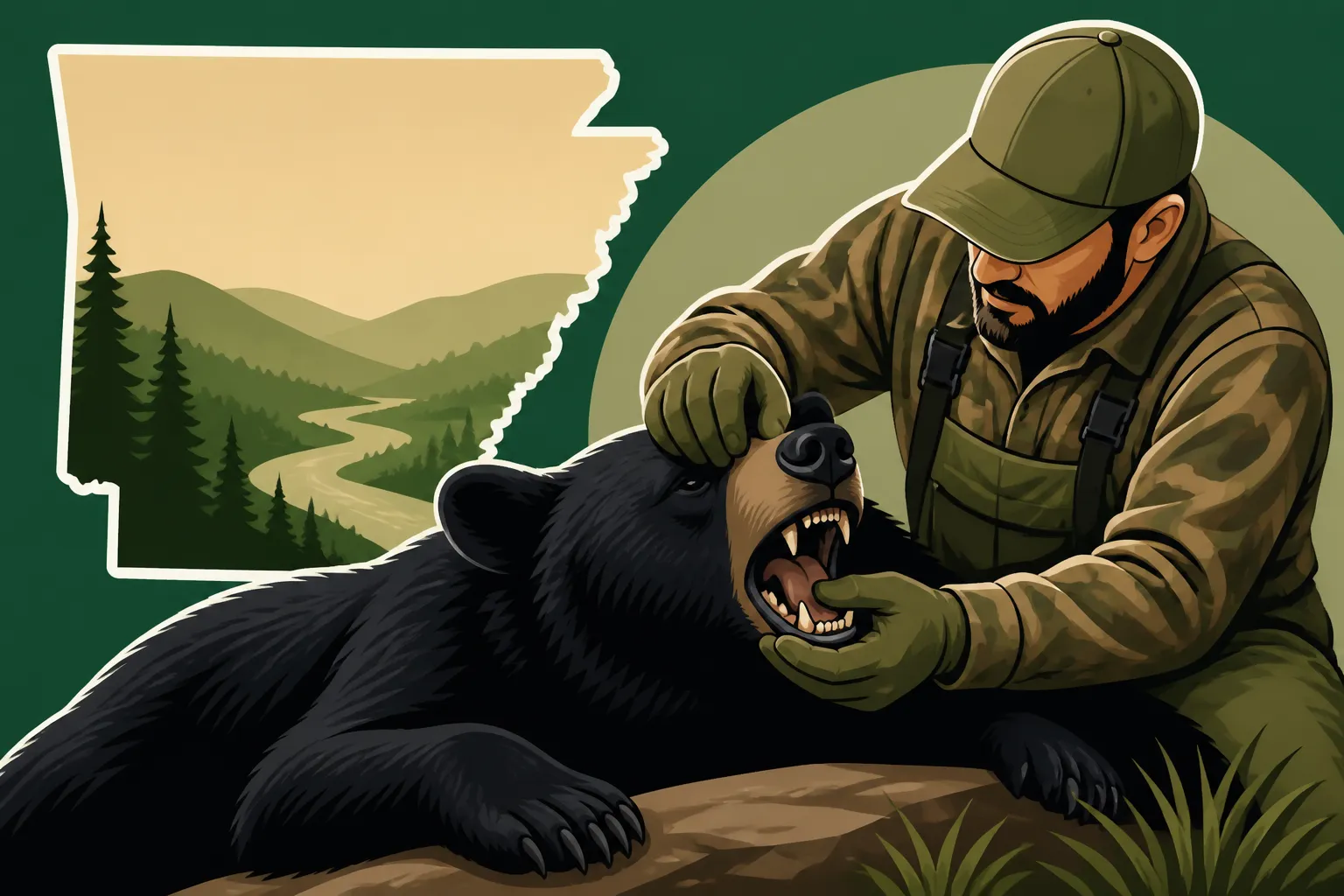
- Tooth Sample: This is perhaps the most important part of the physical check. A biologist will carefully extract a small premolar tooth from the bear's jaw. This tooth is then sent to a lab where it's sectioned and examined under a microscope. By counting the annual rings (similar to tree rings) in the tooth, biologists can accurately determine the bear's age. This age data is absolutely invaluable for understanding the population's age structure, reproductive rates, and overall health.
You can find official bear check stations, which are often at AGFC regional offices, wildlife management area headquarters, or designated private businesses. It's always a good idea to check the AGFC website or call ahead to confirm operating hours and locations before you head out, especially after How a Bear Zone Closes Mid-Season.
What to Bring to the Check Station
When you head to the physical check station, be prepared. You'll need to bring:
- Your hunting license and valid bear tag: Make sure your tag is properly filled out with the confirmation number from your initial online/phone report.
- The entire bear carcass: While field dressing is encouraged for meat preservation (especially in warm weather – read up on Field Dressing in Arkansas Heat), the bear needs to be presented largely intact for measurements and tooth extraction. Don't remove the head or hide before it's checked, as these are often vital for data collection.
- Any relevant permits or documents: If you have special permits or were hunting under specific circumstances, bring those along.
Having everything in order makes the process smooth and quick for both you and the AGFC staff. They appreciate hunters who are prepared and understand the importance of this step.
Navigating Common Challenges and Best Practices
Even with a clear process, hunting in Arkansas can throw some curveballs, especially when it comes to bear. Knowing how to handle these situations can save you a lot of headache and ensure you stay within the law.
When a Zone Quota Closes Early
One of the unique aspects of bear hunting in Arkansas is the use of zone quotas. The state has specific quotas for certain bear zones, and once that quota is met, the season in that zone closes immediately, even if it's before the originally scheduled end date. This is why it is absolutely critical for bear hunters to check the AGFC website or their mobile app daily, sometimes even hourly, especially as the season progresses. The AGFC makes a concentrated effort to update these closures in real-time. If you harvest a bear in a zone that has already closed, even if you weren't aware, it's an illegal harvest. This underscores the need for constant vigilance.
Imagine you're deep in the woods of the Ozark National Forest, thinking you have a few more days, and a bear walks out. If that zone closed an hour ago, your harvest is illegal. This is a real frustration for hunters, but it's a necessary tool for the AGFC to manage Arkansas Bear Harvest by Zone effectively and prevent overharvest in specific areas. Always be aware of the Arkansas Bear Zone Quotas Explained before you head out, and stay informed while you’re hunting.
Bear Check During Off-Hours or Remote Hunts
Hunting often happens at dawn or dusk, far from paved roads and busy towns. This can make getting a bear to a check station challenging, especially if you harvest it late in the evening. If you find yourself with a bear after check stations have closed for the day, or if you're in an extremely remote location, don't panic. The AGFC understands these realities.
Your immediate priority is still the initial online or phone check. Get that confirmation number. Then, contact the nearest AGFC regional office or a local game warden as soon as possible to arrange for a physical check the following morning. They often have protocols for these situations. While you might be tempted to just process the bear, remember that the physical check, especially the tooth sample for aging, is critical. Keep the bear in a cool place, if possible, to preserve the meat (this is where knowing Handling Bear Meat Safely becomes crucial). If you're using a mapping application like GoHunt, you can often mark AGFC offices or known check stations beforehand, which can be a lifesaver when you need to make arrangements quickly.
The Importance of a Tooth Sample
We've talked about it before, but the tooth sample truly cannot be overstated. It's the primary way biologists determine the age of the bear, which provides an enormous amount of information about the population. If a tooth isn't provided, or if it's damaged beyond use, the AGFC loses a vital piece of the puzzle for that particular animal. While not every hunter is skilled at Shot Placement on a Black Bear that avoids the jaw area, it’s good practice to try and keep that area intact if you can.
Biologists are trained to extract this premolar quickly and efficiently. It's a small but incredibly significant contribution from every hunter to the long-term health and management of Black Bears in the Arkansas Ozarks and Ouachitas. Make sure that when you present your bear for a physical check, you do so in a way that allows for this sample to be taken.
Arkansas Bear Checking Requirements Summary
| Action | Timing | Details | Notes |
|---|---|---|---|
| Attach Tag | Immediately after harvest, before moving. | Fill out all fields on your physical bear tag. Securely affix to the bear. | Critical for legal possession. |
| Initial Report (Online/Phone) | Within 24 hours of harvest. | Report harvest via AGFC website or toll-free number. Obtain and record confirmation number on your tag. | Available 24/7. Essential first step. |
| Physical Check | Within 24 hours of initial report, or as directed by AGFC staff. | Present bear (largely intact) to an AGFC biologist/check station for data collection (sex, weight, location) and tooth sample extraction. | Call ahead for station hours/locations. Do not remove head/hide before this step. |
| Monitor Zone Quota | Daily throughout the season. | Continuously check AGFC website/app for real-time updates on bear zone closures. | Seasons close immediately once a zone quota is met. Harvest in a closed zone is illegal. |
| Documentation & Compliance | Keep all licenses, tags, and confirmation numbers. | Ensure all regulations are followed to avoid penalties and contribute to ethical hunting. | Your participation supports Arkansas Wildlife Management Areas and conservation. |
Disclaimer
Please note that hunting regulations, seasons, and bag limits are subject to change by the Arkansas Game and Fish Commission. This guide provides general information based on typical regulations but should not be considered a substitute for reading and understanding the most current official AGFC hunting regulations. Always consult the latest AGFC handbooks and website before heading afield.