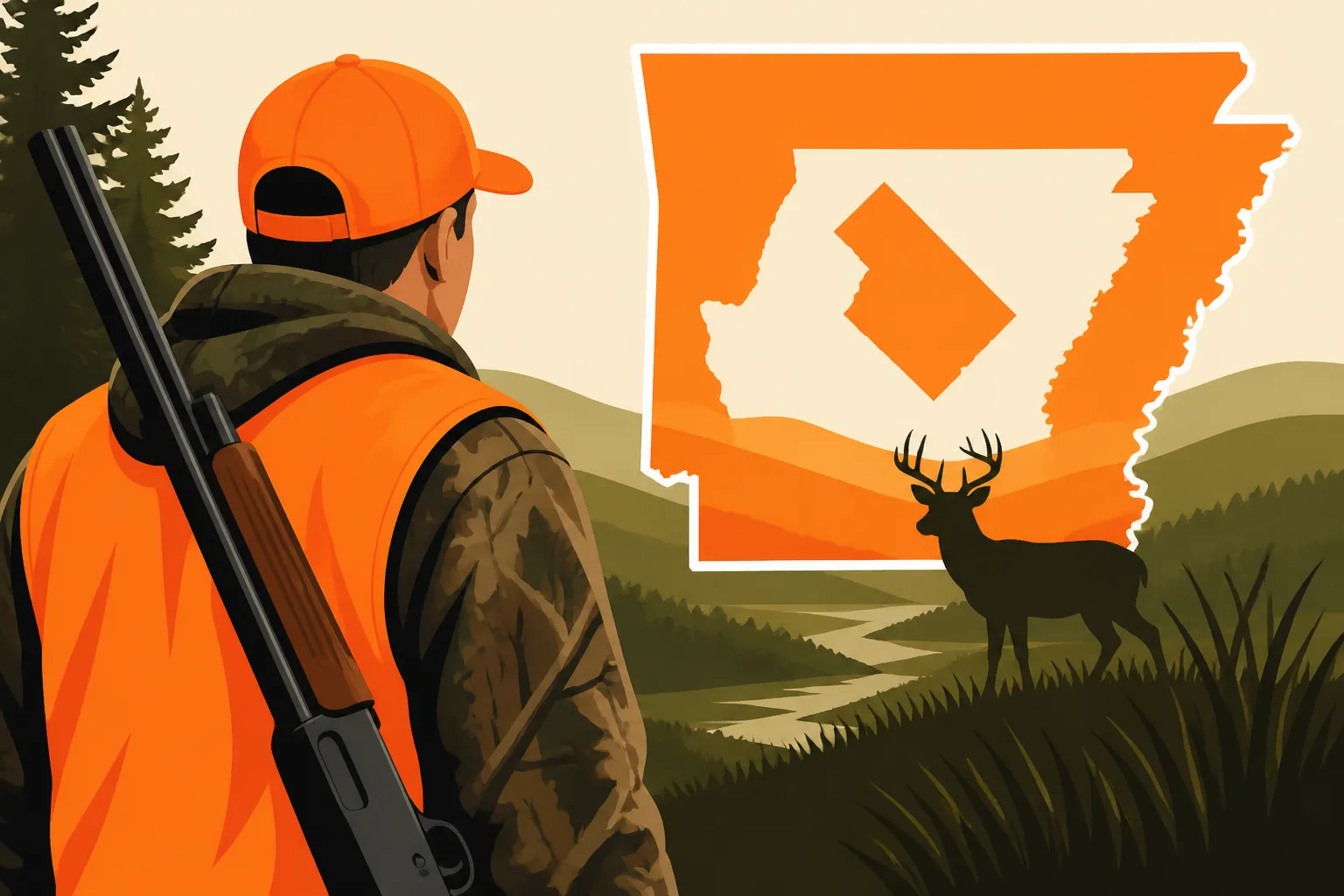
When Arkansas Requires Hunter Orange
Navigating the ever-changing landscape of hunting regulations can feel like trying to track a mature buck through a briar patch – confusing, frustrating, and easy to get turned around. One area that often causes a lot of head-scratching for both seasoned hunters and newcomers in Arkansas is when, exactly, you need to wear hunter orange. It's not just a suggestion; it's a critical safety measure and a legal requirement in many situations, and getting it wrong can lead to fines or, far worse, a tragic accident. This guide is here to clear up all that confusion, breaking down Arkansas's hunter orange rules so you can hunt safely and legally.
Understanding Arkansas's Hunter Orange Regulations
We all want to have a safe and successful hunt, but safety has to be paramount. Hunter orange isn't just a fashion statement in the woods; it's a vital piece of personal protective equipment designed to prevent accidental shootings, especially when multiple hunters are in the field. When you're out there, whether it's on sprawling public land or a quiet private tract, the woods can be a chaotic place. Leaves rustle, shadows play tricks, and excitement can run high. Hunter orange dramatically increases your visibility to other hunters, making it easier for them to identify you as a human, not a deer or a turkey. It’s a simple, proactive step that literally saves lives.
The Arkansas Game and Fish Commission (AGFC) takes hunter safety incredibly seriously, and these regulations are backed by years of data showing the effectiveness of high-visibility clothing. While it might feel like another rule to remember, think of it as a mutual agreement among hunters: "I'll make myself visible to you, and you do the same for me." It fosters a safer environment for everyone enjoying our beautiful Arkansas outdoors. There's nothing more devastating than a hunting accident, and many of them could be avoided with proper identification.
In the heat of the moment, or when light is fading, it's incredibly easy to mistake movement or a glimpse of brown for game. Hunter orange acts as a stark, undeniable contrast against the natural browns, greens, and grays of the Arkansas landscape. This isn't just about preventing someone from shooting at you, but also preventing them from shooting near you or in your general direction when they shouldn't. It creates a critical pause and positive identification opportunity, giving every hunter peace of mind that they are not a target.
Specific Garment Requirements for Visibility
It's not enough to just wear any orange. Arkansas has specific requirements for what constitutes legal hunter orange. The AGFC specifies that an outer garment of at least 400 square inches of hunter orange or blaze orange must be worn above the waistline. Think of it as needing a significant, uninterrupted block of color. A small patch, or a thin strip, simply isn't enough to meet this requirement. It needs to be the kind of visibility that, even at a distance, immediately screams 'human!' When you're picking out your gear, look for vests and jackets specifically designed for hunting that clearly meet these square inch requirements, as many reputable brands will highlight this on their packaging.
Beyond the square inch count, the placement is key. Your hunter orange needs to be the outermost layer, visible from all angles. That means no camouflage jackets pulled over it, no heavy backpacks obscuring a significant portion of the back, and no sitting in a way that completely hides the orange against a tree. The goal is 360-degree visibility as much as possible, particularly when you're moving through the woods. It’s an easy rule to follow, but one that’s often overlooked in the rush to get into the stand.
While a hunter orange hat or cap is highly recommended and adds an extra layer of visibility, it does not count towards the required 400 square inches of body coverage. This means you can't just throw on an orange beanie and call it good during gun season. The primary requirement is for a garment on your torso. Investing in a good quality, bright orange vest that's lightweight enough for layering and won't snag easily is always a wise choice for any Arkansas hunter who plans to hit the woods during deer firearms season.
When Hunter Orange is Absolutely Required
This is where the law becomes most explicit, and knowing these seasons is crucial for avoiding violations and, more importantly, ensuring safety.
Modern Gun Deer Season and Youth Hunts
This is the big one, the period when hunter orange is unequivocally mandatory across the entire state for anyone deer hunting. If you're out there during the regular Arkansas Modern Gun Deer Hunting season, which typically includes the major November firearms hunt and the later Christmas modern gun days, you must be wearing the specified hunter orange. This applies whether you're actively hunting, walking to or from your stand, or even just scouting in an open gun season area. The rule is broad because the potential for human traffic in the woods is highest during these times.
The same mandatory requirement extends to any youth modern gun deer hunt weekend. These special seasons are fantastic opportunities to get younger hunters involved, but safety remains paramount. Adults accompanying youth hunters, whether they are carrying a firearm or not, are also typically required to wear hunter orange. It's about setting a good example and ensuring maximum visibility for everyone in the hunting party and anyone else who might be in the woods. Always double-check the current year's AGFC regulations for specific dates and accompanying adult rules.
During these high-pressure seasons, Arkansas deer woods can be bustling with activity. It's not uncommon to encounter other hunters, even in areas you thought were secluded. The mandatory hunter orange rule ensures that every single person who is in the field during these specific firearms deer seasons—whether they are carrying a rifle, shotgun, or just scouting for future hunts—is clearly identifiable. This broad application is crucial for preventing tragic accidents where a hunter might mistake a flicker of movement for legal game. This rule is non-negotiable and strictly enforced by the AGFC.
Alternative Firearms and Special Weapons Seasons
Arkansas also has seasons for alternative firearms, like muzzleloaders and certain other weapon types. During these periods, if the alternative firearms season overlaps with a modern gun deer season in a particular zone, or if the regulations specifically mention it, hunter orange is often required. For example, if you're hunting deer with a muzzleloader during a period when modern guns are also allowed, you’re definitely going to need your orange.
The distinction can sometimes be tricky. If you're involved in Arkansas Muzzleloader and Alternative Firearms Tactics, always consult the current AGFC regulations to see if hunter orange is specifically mandated for that weapon type or season structure. The general rule of thumb is: if there’s a chance someone else might be hunting with a modern firearm in the vicinity, wear your orange. Better safe than sorry, and compliance avoids unnecessary citations. Even if you're using a less common weapon, the safety principle still applies.
Take muzzleloader season, for instance. If you're out during an exclusive muzzleloader period, the orange requirement might not be in effect. However, if that muzzleloader season runs concurrently with the statewide modern gun deer season, you're absolutely expected to wear your hunter orange. This protects both you and other hunters who might be using various weapon types. The specific language in the AGFC hunting guide for each zone and season split is your best friend here. Don't rely on assumptions; take the time to verify.
Exemptions and Times When Hunter Orange Isn't Required
Thankfully, not every hunt demands hunter orange. Knowing when you can leave it off is just as important as knowing when to put it on.
Archery, Turkey, and Waterfowl Exemptions
For dedicated bowhunters who cherish the quiet challenge of the long Bowhunting Arkansas's Five-Month Archery Season, hunter orange is typically not required when there's no overlap with modern gun seasons. This allows bowhunters to utilize full camouflage patterns, essential for getting within close range of a wary deer. Similarly, turkey hunters in pursuit of a Spring Turkey Hunting in the Arkansas Ozarks also rely on blending seamlessly into the environment to entice a gobbler. Wearing hunter orange in these scenarios would obviously negate the stealth aspect of the hunt, and the regulations wisely account for this.
Waterfowlers face similar considerations. When you're sitting in a meticulously brushed-in blind or nestled among decoys in flooded timber during Arkansas Waterfowl Seasons and Zones, camouflage is paramount. Ducks and geese have incredibly keen eyesight, and a splash of hunter orange would send them soaring away. So, while you're actively hunting waterfowl from a stationary, concealed position, hunter orange is generally not required. However, here's the crucial caveat: if you're walking across public land or through woods to get to your blind during an active gun deer season, you should absolutely wear orange until you are completely concealed within your hunting spot. The journey to the blind can be just as hazardous as the deer woods if not properly considered.
Beyond the major game species, smaller game like squirrels and rabbits don't typically have a hunter orange requirement. But, again, context is everything. If you're out Small Game and Squirrel Hunting in Arkansas in the same woods where a modern gun deer season is open, wearing hunter orange, at least while moving, is just plain smart. You never know who else is out there, and taking that extra step can prevent misunderstandings or even serious accidents. It’s always about being a responsible, visible hunter, even when the law isn’t explicitly demanding it.
Private Land Considerations and Other Nuances
A common misconception is that hunter orange rules somehow change when you're on private land. This isn't generally the case for mandatory regulations. If the AGFC states hunter orange is required for a particular season, it applies whether you're on a public WMA or a private family farm. The rules are designed for statewide safety, not just public access areas.
However, having said that, good etiquette and respect for property owners often mean going above and beyond. A landowner might have specific safety rules for their property, such as requesting all hunters wear orange regardless of the season, simply as an extra layer of precaution. Always have that conversation beforehand. Tools like GoHunt can be invaluable for understanding property boundaries, and for ensuring you’re adhering to both AGFC rules and any additional requirements from the landowner. It keeps everyone safe and preserves those crucial landowner relationships.
Another nuance to consider is when you are simply hiking or recreating in a hunting area during an open firearms season. While you might not be hunting, if you're traversing active hunting grounds, especially public land, it's incredibly wise to wear hunter orange, even if not legally compelled. You are putting yourself in an area where firearms are being used, and making yourself as visible as possible is a proactive step towards personal safety. Think of it as defensive walking in the woods.
Best Practices Beyond the Regulations for Ultimate Safety
While knowing the letter of the law is vital, sometimes going above and beyond those requirements can make all the difference in ensuring a safe and successful hunt.
Enhancing Visibility in Diverse Terrains
Even when hunter orange isn't legally required, such as during the peak Hunting the Arkansas Rut by Zone in archery season, many experienced hunters choose to wear a hunter orange cap or a small amount of orange while walking to and from their stands, especially in low light conditions or thick cover. Once they're settled in their stand, they might remove it. This simple act drastically reduces risk during the times of highest movement and lowest visibility. Think about how difficult it can be to spot another hunter just a hundred yards away in dense timber or brushy clearcuts.
The Arkansas landscape is incredibly varied, from the flat, dense bottomland hardwoods of the Delta to the steep, rocky terrain and thick cedar glades of the Ozarks. Each presents its own challenges for visibility. What might be easily seen in an open pine plantation can disappear instantly in a dense cutover. This is why making a conscious choice to enhance your visibility, even when not strictly required, is a mark of a responsible hunter. Brands like those found through tools like GoHunt often offer innovative hunter orange solutions that are breathable and quiet, so there's no excuse not to layer up for safety.
Consider how easily shadows and natural colors can camouflage a hunter, especially against a backdrop of autumn leaves or the stark silhouette of winter timber. Hunter orange provides that unmistakable contrast. For instance, if you're still-hunting or stalking during an archery season, you might prioritize stealth, but always be aware of your surroundings and consider areas where you might temporarily increase your visibility, especially if you cross a trail or an open area. The goal is to avoid any doubt in another hunter's mind about what they are seeing.
Keeping Hunter Orange Clean and Effective
It might seem like a minor point, but a faded, mud-splattered, or torn hunter orange vest offers significantly less protection than one that is clean and vibrant. Over time, exposure to sunlight, dirt, and repeated washings can dull the bright blaze orange color. Before each hunting season, or even periodically during a long season, take a critical look at your hunter orange gear. Does it still pop with color? Is it free from tears or excessive wear that could reduce its coverage?
Proper care extends the life and effectiveness of your hunter orange. Wash it according to the garment's instructions, typically in cold water with mild detergent, and air dry to prevent heat damage or fading. Avoid harsh chemicals that could degrade the fabric or color. Store it in a dark, cool place when not in use, away from direct sunlight, which is notorious for fading plastics and fabrics. Think of it as maintaining a piece of life-saving equipment, because that’s exactly what it is. In fact, many hunting resources, including those you might find on GoHunt, emphasize these basic but crucial gear maintenance tips.
The investment you make in quality hunter orange clothing, both in purchasing it and caring for it, pays dividends in peace of mind. Knowing that you are clearly visible to other hunters allows you to focus more on the hunt itself and less on worrying about potential accidents. It’s a fundamental component of being a responsible and ethical hunter in Arkansas, contributing to a safer environment for everyone who enjoys our incredible hunting traditions. Always review the full Arkansas Hunter Orange Requirements in the current AGFC regulations to be absolutely certain of compliance, and remember that Arkansas Hunter Education and Safety Rules are there to keep everyone safe.
Arkansas Hunter Orange Requirements Summary
| Hunting Season/Situation | Hunter Orange Required? | Notes |
|---|---|---|
| Modern Gun Deer Season | YES | Mandatory for all deer hunters. |
| Youth Modern Gun Deer Hunts | YES | Mandatory for youth hunters and accompanying adults. |
| Muzzleloader Deer Season (when overlapping with gun) | YES | If Legal Firearms for Arkansas Deer (modern guns) are also open in your zone. |
| Alternative Firearms Season (when overlapping with gun) | YES | If modern gun season is also open in your zone. |
| Archery Deer Season (no gun season overlap) | NO | Optional, but recommended for walking to/from stand in low light or thick cover. |
| Spring Turkey Season | NO | Optional, but not usually worn due to camouflage needs. Consider for travel. |
| Waterfowl Hunting (in blind) | NO | Optional, but recommended for travel to/from blind if gun season is open in the area. |
| Small Game Hunting (during gun season) | Recommended | Not always legally required, but highly recommended for safety when other gun seasons are open. |
| Scouting During Open Gun Season | YES | Even if not hunting, if you're in the woods during a gun season, you typically need orange. |
| On Private Land (during required seasons) | YES | State regulations apply statewide, regardless of land ownership. Landowners may request additional safety measures. |
| While Retrieving Game | YES | If retrieving game during an open gun season, ensure you remain visible. |
Disclaimer
Please remember that hunting regulations, including those for hunter orange, can change. Always consult the most current Arkansas Game and Fish Commission (AGFC) regulations booklet or website before heading afield to ensure you are fully compliant with all state laws and WMA-specific rules. This guide is for informational purposes only and does not supersede official AGFC regulations.