Reporting a Poacher in Arkansas
It’s a gut-wrenching feeling, isn’t it? You’re out enjoying the peace and beauty of Arkansas’s wild places, maybe scouting for deer or calling turkeys, and you stumble upon something that just isn’t right. An illegally killed animal, a suspicious vehicle, or someone clearly breaking the rules. That moment of frustration, confusion, and even anger is completely valid. This guide is here to walk you through exactly how to report poaching in Arkansas, ensuring your observations can make a real difference in protecting our wildlife.
Why Reporting Poaching Matters to Every Hunter
Seeing someone disrespecting our wildlife and breaking hunting laws feels like a punch to the gut. It's not just about taking an animal; it's about stealing from all of us – from future generations, from ethical hunters who play by the rules, and from the delicate balance of our natural resources. When you witness poaching, you might feel a mix of emotions: anger, helplessness, or even fear of getting involved. But letting these incidents go unreported can have a far greater impact than you realize.
The True Cost of Illegal Hunting
Poaching isn't a victimless crime. It directly impacts wildlife populations, especially when it involves out-of-season hunting, over-limits, or targeting protected species. Think about the careful management the Arkansas Game and Fish Commission (AGFC) puts into setting seasons, bag limits, and zones like those detailed in our guide on Arkansas Deer Seasons and Zone Limits. Poachers undermine all that effort. They can deplete local game herds, disrupt breeding patterns, and even introduce diseases, further complicating wildlife conservation. Beyond that, it tarnishes the reputation of all hunters. When non-hunters hear about poaching, they often paint all hunters with the same brush, making it harder to protect our hunting traditions and rights. It fuels negative stereotypes and makes the jobs of land managers and conservationists much tougher.
Protecting Our Hunting Heritage
Every ethical hunter understands that hunting is a privilege, not a right. It comes with a deep responsibility to respect the land, the animals, and the laws designed to ensure sustainable populations for the long haul. When we turn a blind eye to poaching, we're not just ignoring a rule; we're allowing a fundamental disrespect for that privilege to fester. Reporting suspicious activity, even if it feels small or uncertain, is an active way to participate in protecting our hunting heritage. It shows that we, as hunters, are the first line of defense for wildlife, committed to ethical practices and holding those accountable who aren't. Your willingness to speak up, even anonymously, sends a powerful message that these actions will not be tolerated.
How to Report Poaching in Arkansas
When you encounter what you suspect is poaching, knowing the right steps to take is crucial. It’s not about playing detective; it’s about providing clear, actionable information to the professionals who are trained to investigate these situations. The AGFC has several avenues for reporting, and understanding each one can help you choose the best method for your specific situation. Remember, the goal is to get essential details to the AGFC safely and efficiently.
Using the AGFC's Dedicated Hotline and App
The fastest and often most effective way to report poaching is through the AGFC’s dedicated hotline or their smartphone app. Arkansas operates a 24-hour poaching hotline, typically known as the "Stop Poaching" line. This number is staffed around the clock, meaning you can get information directly to an officer, even in the middle of the night when many poaching incidents occur.
The number to call is 1-800-482-9262.
When you call, try to have as much information ready as possible. This isn't just a casual chat; it's a formal report. Think about the five Ws: Who, What, When, Where, Why (or how). If you don't have all the answers, don't worry, report what you have. But the more detailed you can be, the better.
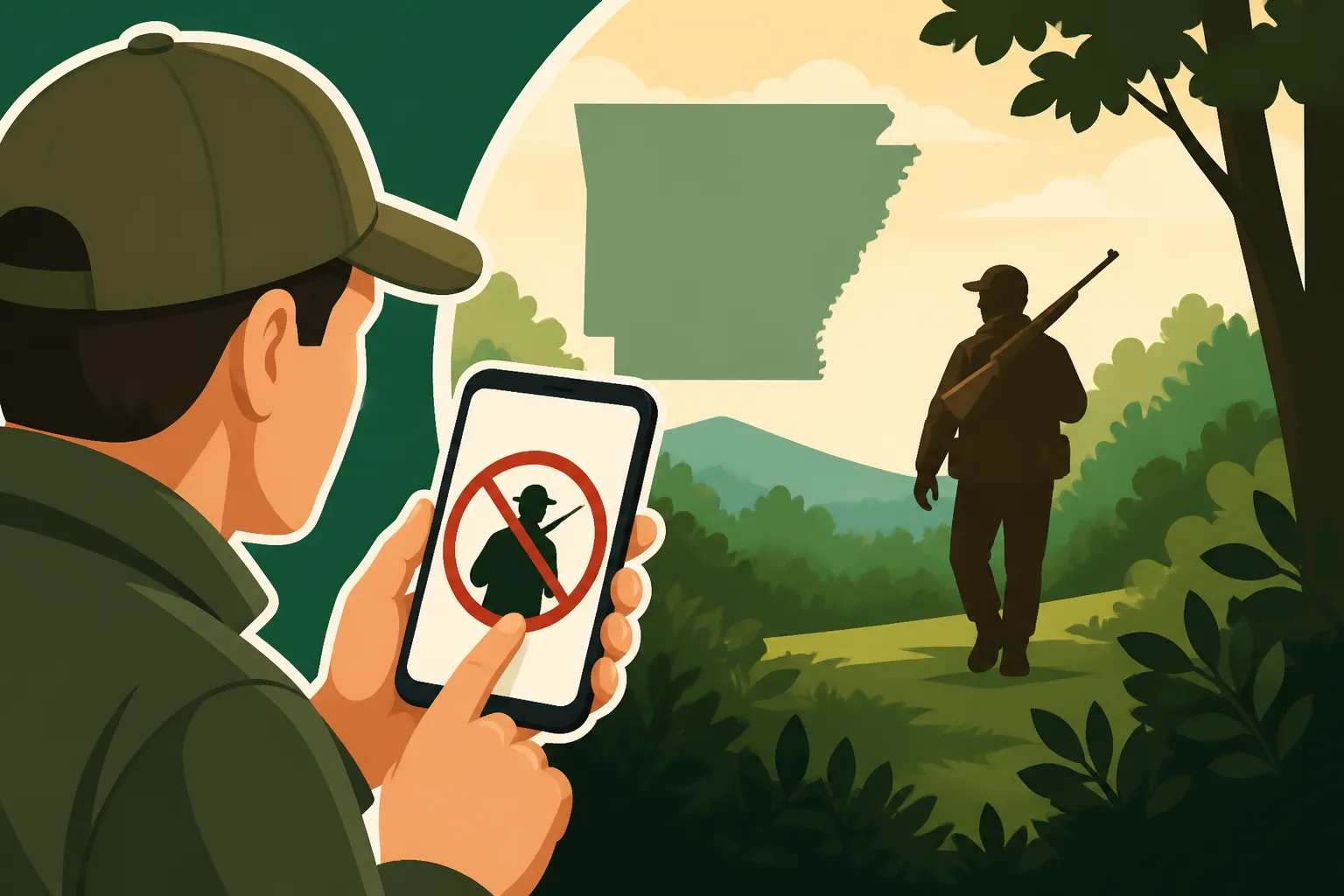
The AGFC also offers a free smartphone app that allows you to submit reports, often including photos or videos if it's safe to take them. This can be incredibly useful for documenting evidence discreetly. Many hunters find apps like GoHunt invaluable for marking exact locations with GPS coordinates, which you can then relay to the AGFC. If you observed an incident at a specific spot, you could use a mapping app to pinpoint the coordinates and easily share that precise location with the authorities. This eliminates ambiguity and helps officers get to the scene quickly. The app might also allow you to remain anonymous if you prefer, which is a common concern for folks worried about potential retaliation.
What Information to Gather
Providing good information is like giving the AGFC a solid map and a full tank of gas. The more specific and accurate you can be, the higher the chances of a successful investigation. Here’s a breakdown of the critical details to try and collect:
- Date and Time of Incident: Even if it’s an estimate, knowing when something happened helps officers narrow down their timeline.
- Exact Location: This is paramount. Don't just say "near Damascus." Provide road names, mile markers, GPS coordinates (which tools like GoHunt can easily give you), landmarks, or specific public land units. For instance, "approximately 2.5 miles south of Highway 65 on County Road 23, near the power line crossing, adjacent to the Sylamore WMA." Knowing Scouting With the AGFC Map Tool can help you provide these precise details even after the fact.
- Description of Suspects: If you saw anyone, note their physical description (height, build, hair color, clothing), gender, and any distinguishing features. Did they have a hat? A specific jacket?
- Vehicle Description: This is often the most critical piece of evidence. Get the license plate number, state, make, model, color, and any identifying marks like dents, stickers, or unique features (e.g., large tires, ladder rack, specific decals).
- Type of Violation: What did you see? Was it hunting deer out of season? Over the limit? Night hunting with a spotlight? Baiting? Dog hunting where it's not allowed? Our guide on Arkansas Wildlife Violation Penalties can give you an idea of the types of infractions.
- Evidence: Did you see a carcass? A specific weapon? Anything left behind? If it's safe and legal to do so, a photograph (from a distance!) can be incredibly helpful.
- Direction of Travel: Which way did the vehicle or individuals go when they left the scene?
Maintaining Your Safety and Anonymity
Your personal safety is always the top priority. Do NOT confront suspected poachers. Poachers are often engaged in illegal activities and may be armed or unpredictable. Trying to intervene puts you in unnecessary danger. Instead, observe from a safe distance, gather information discreetly, and then report.
The AGFC understands concerns about anonymity. When you call the hotline or use the app, you can choose to remain anonymous. If you provide your contact information, it will be kept confidential, only shared with the investigating officers. This allows them to follow up if they need more details, which can be vital for building a strong case.
Here's a quick reference table for reporting:
| Reporting Method | Contact Information | Key Features | Anonymity Option |
|---|---|---|---|
| Phone Hotline | 1-800-482-9262 | 24/7 immediate reporting, direct conversation with officer | Yes |
| AGFC Mobile App | Download from App Store | Submit text, photos, GPS coordinates; convenient for field reporting | Yes |
| Online Report Form | AGFC Website | Detailed form submission, good for non-urgent or historical incidents | Yes |
| Local Game Warden | AGFC Website/Directory | Direct contact for specific region, follow-up potential (not 24/7) | Yes |
What Happens After You Report to the AGFC
Once you’ve made that call or submitted that report, it’s easy to feel like your part is done. And in many ways, it is! However, knowing what the AGFC does with that information can provide peace of mind and help you understand why sometimes, it might take a while to see results. Enforcement is a complex process, but every report helps build a clearer picture for our wildlife officers.
The AGFC Investigation Process
When your report comes in, whether it’s through the hotline or the app, it typically goes to a dispatch center. From there, it's routed to the appropriate Game and Fish wildlife officer in the area where the incident occurred. These officers are highly dedicated individuals, often covering large territories, and they take these reports very seriously.
- Initial Assessment: The officer first assesses the urgency and credibility of the report. A fresh, active poaching event with a detailed vehicle description will get immediate priority over a general complaint from weeks ago.
- Scene Investigation: If possible, the officer will respond to the location. They’ll look for physical evidence – tire tracks, shell casings, blood trails, discarded items, or the carcass itself. This is where precise location information, perhaps gathered using a mapping tool like those found in GoHunt, becomes invaluable.
- Witness and Suspect Contact: Based on the information provided, officers might interview witnesses (if you chose to share your contact info) or attempt to locate the suspected vehicle or individuals. This could involve checking local known poaching hotspots or even running license plates.
- Evidence Collection: Any evidence found is collected according to strict protocols to ensure it's admissible in court. This can include DNA samples from blood, ballistic evidence, or photographs.
- Building a Case: If enough evidence is gathered, the officer will build a case to present to a prosecutor. This involves documenting everything meticulously.
- Legal Action: If charges are filed, the case goes through the court system, which can result in fines, revocation of hunting privileges, or even jail time, depending on the severity of the violation and previous offenses. For example, illegal possession of game could lead to penalties outlined in Arkansas Wildlife Violation Penalties.
It's important to understand that wildlife officers face challenges. They can't be everywhere at once, and some poachers are very good at covering their tracks. Bad information, delayed reporting, or a lack of physical evidence can all make an investigation difficult. So, while you might not always see immediate flashing lights or an arrest, your report contributes to intelligence gathering and helps officers target enforcement efforts more effectively.
Common Challenges in Enforcement
Wildlife enforcement isn't like a TV show. It's often slow, methodical, and fraught with challenges unique to rural and wilderness environments.
- Vast Areas to Cover: Arkansas is a big state with immense stretches of public and private land. A single game warden might be responsible for an entire county or more, making it impossible to patrol every corner constantly.
- Ephemeral Evidence: Poaching evidence, especially if it involves a carcass, can disappear quickly due to scavengers, weather, or simply being removed by the poachers.
- Anonymity of Poachers: Poachers often operate under the cover of darkness, in remote areas, or on private land where they feel less likely to be seen. This makes identification difficult.
- Lack of Witness Cooperation: While many ethical hunters want to help, some people are hesitant to come forward due to fear of retribution or simply not wanting to get involved. The AGFC takes anonymity seriously precisely because of this.
- Proving Intent: In many cases, for a conviction, the prosecution needs to prove that the individual intended to break the law, which can be harder than just proving they possessed an illegal animal. This is especially true for rules that might seem complex, like the Arkansas Three-Point Rule for bucks in certain zones.
Despite these challenges, the AGFC is committed to protecting our resources. Every report, no matter how minor it seems, provides valuable intelligence that can eventually lead to arrests or deter future poaching activity. Sometimes, an officer might already be investigating an individual, and your report could be the missing piece of the puzzle.
Common Poaching Scenarios and What to Look For
Understanding what constitutes poaching, beyond the obvious, can empower you to recognize suspicious activity. Many violations stem from disregard for season dates, bag limits, or legal hunting methods. By being aware of these common scenarios, you can better identify situations that warrant a report. Remember, it's not your job to be a legal expert, just to report what seems off.
Hunting Out of Season or Over Limits
This is perhaps the most straightforward type of poaching. If you see someone hunting deer in July, or someone with five mallards when the daily limit is three, those are clear red flags. It might seem obvious, but sometimes hunters can misinterpret regulations, or simply choose to ignore them.
- Out-of-Season: Keep a mental note of current hunting seasons. For example, if you're shed hunting in late winter and see someone actively hunting deer, that's a problem. Our guide on Arkansas Deer Seasons and Zone Limits is a great reference.
- Over-Limits: Counting game can be tricky, especially with migratory birds, but if you see someone loading multiple deer into a truck or bragging about taking a limit of ducks every few hours, it’s worth noting. Pay attention to how many deer tags they might have, or if they’re just haphazardly stuffing birds into a cooler. This also applies to the practice of "double-dipping" by hunting multiple times in one day to exceed daily bag limits.
- Unlicensed Hunting: While less visible, sometimes you might hear someone admitting to hunting without the proper Arkansas Hunting Licenses and What They Cost. This is also a violation.
Night Hunting and Spotlighting
Night hunting for deer or other game (except for certain furbearers like raccoons under specific rules found in Night Hunting Rules for Arkansas Predators) is illegal and incredibly dangerous. Spotlighting, which involves using powerful lights to illuminate and immobilize game at night, is a classic poaching technique.
- Lights in the Woods: If you see bright spotlights or vehicle headlights sweeping through fields or timber at night, particularly in known deer habitat, that’s a strong indicator of illegal activity. This isn't just someone checking their property; it's often systematic.
- Shots at Night: Hearing gunshots at odd hours after dark, especially coupled with spotlighting, is a clear sign.
- Hunting from Roads: Poachers often operate from vehicles on roads, shooting animals near the roadside. This is unsafe, illegal, and often associated with spotlighting. Keep an eye out for vehicles slowing or stopping abruptly on remote roads, especially after dark, with occupants scanning the fields or woods. Our guide on Hunting Arkansas Road Right-of-Way discusses the specific limitations and dangers here.
Illegal Baiting and Attractants
Baiting is the practice of luring game, typically deer or bear, with food (like corn, pellets, or minerals not naturally occurring). While legal for some species in specific areas or for trail camera use, it is generally illegal for hunting deer and bear in many parts of Arkansas, particularly on public lands like WMAs. There are specific rules regarding Baiting Rules on Arkansas Public Land.
- Piles of Food: If you encounter large piles of corn, sweet feed, or other unnatural food sources in the woods, particularly during deer season, that’s highly suspicious.
- Unusual Feeding Patterns: Deer or other game congregating unnaturally in one small spot, especially near blinds or stands, could indicate baiting.
- Minerals and Blocks: While some mineral blocks are legal for observation, using them to hunt deer directly in certain contexts is not. Understand the nuances of the regulations.
- CWD Zones: In areas designated as Chronic Wasting Disease (CWD) management zones, rules regarding feeding and baiting are even stricter to prevent disease spread. Our guide on Arkansas CWD Rules and Carcass Transport elaborates on these.
Remember, seeing any of these signs doesn't automatically mean someone is a poacher. There can be legitimate reasons for some activities (e.g., a farmer checking cattle with a spotlight). However, if something feels genuinely wrong and suspicious, it's always better to report it and let the AGFC investigate. You're providing valuable information, and that's the most important step we can all take to protect Arkansas's incredible wildlife resources.
Disclaimer
This article is for informational purposes only and is not intended as legal advice. Hunting regulations and laws can change, and interpretations may vary. Always consult the most current Arkansas Game and Fish Commission regulations and seek professional legal advice if you have specific questions or concerns about wildlife law.