Arkansas Elk Reintroduction History
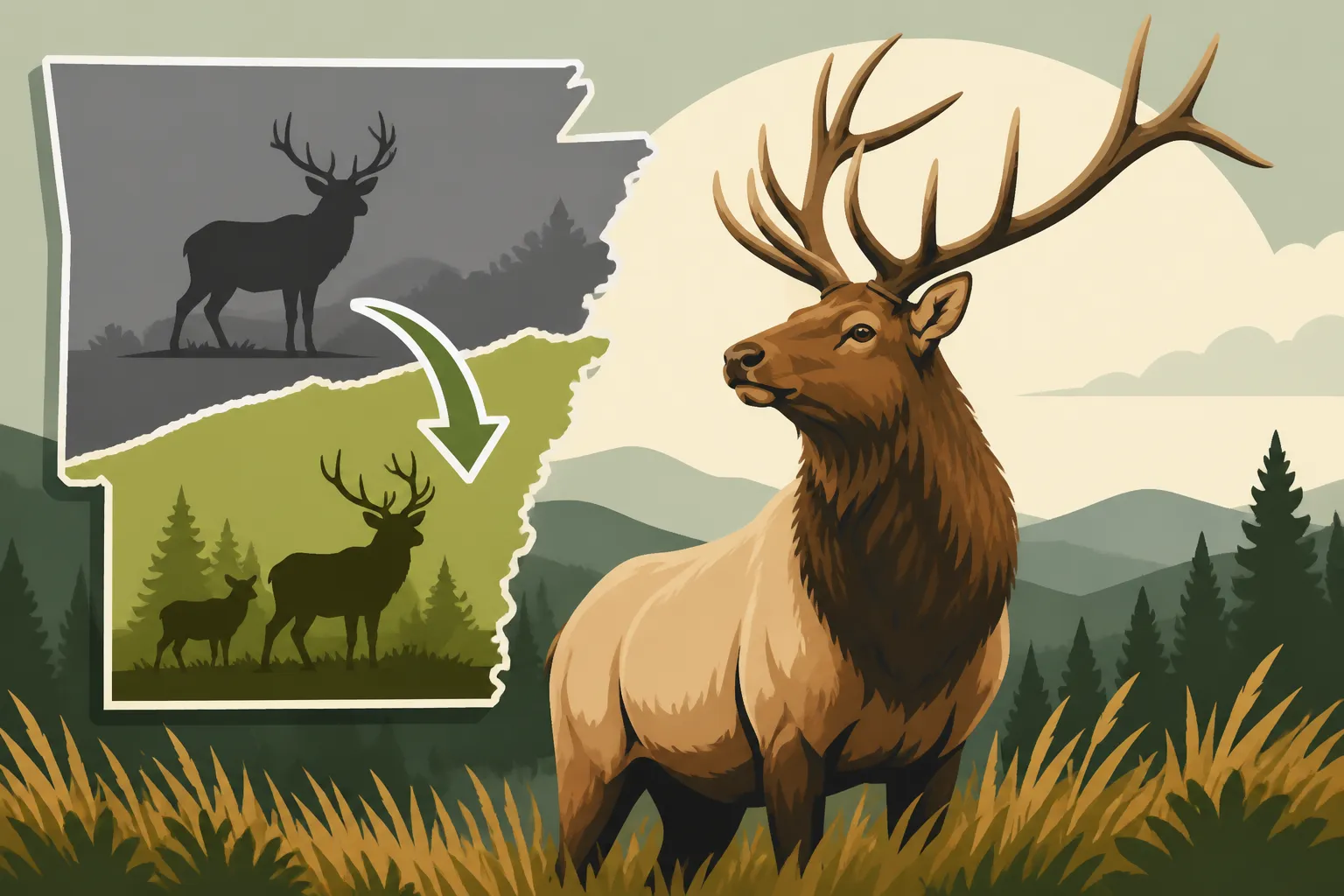
Many people living in or visiting Arkansas today might not even realize that the majestic elk, a symbol of wild grandeur, once vanished completely from our state's landscape. It's easy to take for granted the sight of a bull elk bugling in the Boxley Valley, but that presence is the result of a remarkable conservation triumph. This guide will take you through the incredible journey of how elk were brought back to Arkansas, detailing the history, the challenges, and the dedicated efforts that made it all possible, proving that with enough dedication, even a lost giant can return home.
The Original Giants of Arkansas
Before European settlement transformed the landscape, Arkansas was home to thriving populations of elk. These magnificent animals roamed the dense forests and open woodlands, playing a crucial role in the state's natural ecosystem. Their sheer size and impressive antlers were an undeniable part of the wilderness experience for early inhabitants.
Pre-Settlement Abundance and Historical Records
Imagine a time when herds of elk moved through the Arkansas wilderness, their bugles echoing across the hills and valleys. Historical accounts, including journals from early explorers and oral traditions of Native American tribes, paint a vivid picture of this abundance. These weren't just isolated sightings; elk were a significant part of the fauna, particularly in the more rugged, undeveloped regions of the state. They were a vital food source for indigenous peoples, and their hides and antlers were used for various tools and ceremonial purposes. The presence of these large herbivores helped shape the forest structure, browsing on young saplings and creating clearings, contributing to a diverse mosaic of habitats.
Their historical range in Arkansas was extensive, primarily concentrated in the Ozark and Ouachita mountain regions, but extending into parts of the Delta. This broad distribution suggests that the habitat conditions across much of the state were highly suitable for elk before significant human alteration. These native elk, often referred to as Eastern elk (Cervus canadensis canadensis), were a distinct subspecies, adapted to the specific conditions of the eastern forests. Their existence here for millennia indicates a long-standing ecological balance that supported these massive animals.
The Vanishing Act: Extinction in the State
Unfortunately, the arrival of European settlers brought profound changes that led to the tragic disappearance of Arkansas's native elk. The primary drivers of their extinction were relentless, unregulated hunting and massive habitat destruction. As settlements expanded, forests were cleared for agriculture, timber, and infrastructure, fragmenting and diminishing the critical habitat elk needed to survive. Unlike deer, which could adapt to smaller, more fragmented woodlots, elk required vast, continuous tracts of wilderness.
By the late 1800s and early 1900s, the writing was on the wall. Commercial hunting, often driven by market demand for meat and hides, took a devastating toll. There were no wildlife regulations, bag limits, or designated hunting seasons to protect the declining populations. It was a free-for-all, coupled with the pressure of a rapidly growing human population. The last confirmed sighting of a native Eastern elk in Arkansas is believed to have occurred around 1840, though some anecdotal reports lingered for a few more decades. By the early 20th century, the Eastern elk subspecies was officially declared extinct, not just in Arkansas but across its entire range. It was a stark reminder of the consequences of unchecked exploitation and environmental change.
The Dream of Return: Early Visions and Planning
For many years after the native elk disappeared, the idea of these magnificent animals returning to Arkansas was nothing more than a wistful dream. However, as conservation movements gained traction in the mid-20th century, some forward-thinking individuals and organizations began to seriously consider the possibility of reintroducing elk to their ancestral lands. It was a daunting task, requiring careful planning, scientific research, and significant public support.
Conservation Visionaries and the Seed of an Idea
The seed of elk reintroduction in Arkansas was planted by a handful of dedicated conservationists and wildlife biologists who recognized the ecological and cultural value of bringing back a lost species. They looked at the vast, rugged landscapes of the Ozarks, particularly around the newly established Buffalo National River, and saw potential. This area, with its extensive public lands, steep forested slopes, and isolated valleys, offered what seemed like the best hope for a large, wild ungulate population to thrive once more.
These early visionaries understood that a successful reintroduction wasn't just about dropping animals into a new location. It required a comprehensive approach, including habitat analysis, public outreach, and securing a source population. The Arkansas Game and Fish Commission (AGFC), alongside federal partners like the National Park Service, began to quietly explore the concept. They were inspired by successful reintroduction efforts in other states and recognized the profound impact such a program could have on Arkansas's biodiversity and outdoor heritage. The vision wasn't just to see elk in Arkansas again, but to restore a piece of the state's wild soul, creating an opportunity for future generations to experience what had been lost.
Feasibility Studies and Initial Concerns
Bringing back an extinct species is never a simple undertaking, and the Arkansas elk reintroduction was no exception. Before any animals could be moved, extensive feasibility studies were conducted throughout the mid-1970s. These studies aimed to answer critical questions: Was there enough suitable habitat? Could the elk find sufficient food and water? What impact would they have on existing wildlife populations, particularly deer? Perhaps most importantly, what about human-wildlife conflict? Farmers were concerned about crop damage, and local residents worried about safety and potential competition with cattle for forage.
One of the major hurdles was identifying a source population that was genetically robust and disease-free. The health of the relocated animals was paramount to the success of the new herd and to prevent the introduction of diseases that could harm existing livestock or wildlife. Initial concerns also centered on the potential for elk to wander onto private property, the logistics of capturing and transporting large numbers of animals, and securing adequate funding for such a long-term project. The AGFC and its partners had to carefully weigh these challenges against the potential benefits, including ecological restoration and the economic boost from tourism and potential hunting opportunities. It was a meticulous, data-driven process aimed at mitigating risks and maximizing the chances of success.
The Great Return: Bringing Elk Back to the Ozarks
After years of planning, research, and overcoming significant hurdles, the dream of seeing wild elk in Arkansas finally began to materialize. The reintroduction efforts in the early 1980s marked a pivotal moment in the state's conservation history, a true testament to inter-agency cooperation and unwavering dedication. This was the real action phase, where captive elk began their journey to a new home in the Arkansas Ozarks.
Sourcing the Stock: Where the Elk Came From
The critical first step was finding healthy, wild elk to serve as the foundation for Arkansas's new herd. Wildlife biologists looked to states with robust, well-managed elk populations, focusing on areas with similar habitat types to the Arkansas Ozarks. After careful consideration and coordination with various state agencies, the decision was made to source Rocky Mountain elk (Cervus canadensis nelsoni) from Colorado and later from Nebraska. These were animals from healthy, wild herds, ensuring genetic diversity and a strong foundation for the new population. The process of capturing these wild elk was a massive undertaking, involving specialized darting techniques, net-gunning from helicopters, and careful handling to minimize stress and injury.
The logistics of transporting these large, powerful animals across state lines were complex. Elk were quarantined, tested for diseases, and then loaded into custom-built trailers designed to keep them calm and safe during the long journey. Each animal was a precious cargo, representing years of planning and the hope for a restored wilderness. This detailed effort in sourcing and transporting the elk was crucial, laying the groundwork for what would become a thriving herd. You can learn more about this specific aspect by reading about "Where the Arkansas Elk Came From".
Release Sites and Initial Monitoring Efforts
The chosen release site for the initial reintroductions in 1981 was a carefully selected area within the Buffalo National River corridor, near the community of Boxley. This location offered a combination of rugged, forested terrain, open meadows for foraging, and minimal human disturbance, making it an ideal candidate for elk to establish themselves. The first truckloads of elk arrived to much anticipation, a moment of profound significance for Arkansas conservation. Each animal was given a thorough final check, often fitted with radio collars for tracking, and then released into their new home.
Immediately following the releases, intensive monitoring began. Biologists worked tirelessly, often on foot, by vehicle, or even by plane, to track the movements of the collared elk, assess their survival rates, and observe their behavior. This early phase was fraught with challenges; some elk dispersed widely, others succumbed to stress, predation, or accidents. However, many adapted remarkably well to their new environment. Early data on calving success, herd cohesion, and foraging patterns provided invaluable insights, guiding subsequent releases and management strategies. This diligent monitoring during the initial years was instrumental in ensuring the fledgling herd had the best possible chance to succeed. If you're curious about the timeline, check out "When Elk Came Back to Arkansas".
| Year Range | Event | Significance |
|---|---|---|
| Late 1800s – Early 1900s | Extinction of Native Elk | Unregulated hunting and habitat destruction led to the complete disappearance of elk from Arkansas. |
| 1920s – 1930s | Early, Unsuccessful Attempts | Small, informal releases in various locations failed due to lack of suitable habitat, monitoring, and public buy-in. |
| Mid-1970s | AGFC Feasibility Studies | Serious scientific investigation into suitable habitat, public land availability, and potential elk sources. |
| 1981 | First Modern Reintroduction | First formal release of Rocky Mountain elk from Colorado into the Buffalo National River area. |
| 1980s – 1990s | Ongoing Releases & Monitoring | Additional elk released from states like Colorado and Nebraska, intensive monitoring of survival and reproduction. |
| Early 1990s | First Hunting Season | Limited, highly controlled public hunting seasons initiated to manage herd growth and fund conservation. |
| Present Day | Stable, Managed Herd | Population has grown to a self-sustaining level, managed through habitat work and controlled hunting permits. |
Early Herd Growth and Dispersal Patterns
The initial years post-reintroduction were a mix of excitement and anxiety. While some animals struggled, the core groups quickly demonstrated their resilience. Calving success, a crucial indicator of a healthy population, began to increase steadily. The first new calves born in Arkansas in over a century were a beacon of hope, proving that the species could indeed thrive here again. As the population grew, the elk began to disperse from their initial release sites, exploring new territories within the Ozarks. This natural expansion was vital, as it prevented overpopulation in one area and allowed the herd to utilize a broader range of available habitat.
Biologists meticulously tracked these dispersal patterns using radio telemetry, gaining a deeper understanding of elk movement ecology in the unique Arkansas landscape. They observed how elk navigated the rugged terrain, established new breeding groups, and interacted with other wildlife. The success of "Elk Calving and Herd Growth" during these formative years was a critical factor in the overall triumph of the reintroduction program, moving the herd from a vulnerable, reintroduced population to a self-sustaining, naturally expanding one. This natural growth and spreading out of the herd solidified the belief that the reintroduction was a genuine success.
Stewardship and Success: Managing a Growing Herd
Bringing elk back was a monumental achievement, but maintaining a healthy, wild population requires ongoing, active management. The Arkansas Game and Fish Commission, in partnership with the National Park Service and private landowners, has continuously adapted its strategies to ensure the long-term viability of the elk herd. This stewardship involves careful habitat work, disease monitoring, and a unique approach to hunting.
Habitat Management and Preservation in Elk Country
The health and expansion of the Arkansas elk herd are inextricably linked to the quality and availability of their habitat. A significant portion of the core elk range lies within the Buffalo National River boundaries, managed by the National Park Service, but also extends into the surrounding Ozark National Forest and private lands. Habitat management efforts focus on creating and maintaining a diverse landscape that provides both ample forage and crucial cover. This often involves prescribed burns to rejuvenate grasslands and open up forest understories, selective timber thinning to promote browse, and maintaining old fields.
Collaborative efforts with landowners are also vital. Programs exist to assist private landowners in creating elk-friendly habitats, such as planting specific forage crops or maintaining open areas. The goal is to ensure a continuous mosaic of habitat that supports the elk's needs throughout the year, from calving grounds in spring to winter foraging areas. This intricate dance of land management helps sustain "The Buffalo River Elk Herd" and ensures their continued prosperity within Arkansas's unique topography. Tools like GoHunt can be invaluable for pinpointing key areas of habitat within the broader elk range, helping both managers and aspiring hunters understand the landscape better.
Dealing with Diseases and Competition
Any large ungulate population faces threats from disease, and elk are no exception. The AGFC maintains a rigorous disease surveillance program, regularly testing harvested elk and monitoring for any signs of illness. Concerns around Chronic Wasting Disease (CWD), while primarily affecting deer in other parts of the state, are taken seriously in elk country, with ongoing surveillance to protect the herd. The reintroduction efforts specifically focused on bringing in disease-free animals to minimize initial risks, a lesson learned from past wildlife translocation projects globally.
Furthermore, elk coexist with a robust population of white-tailed deer, which can lead to competition for forage in certain areas, particularly during harsh winters. Management strategies aim to balance these populations through regulated hunting seasons for both species. There’s also the delicate balance of elk interacting with livestock on private lands, which is a constant consideration for wildlife managers. These challenges require continuous monitoring, adaptive management techniques, and strong partnerships with veterinarians and agricultural communities to keep the elk herd healthy and minimize conflicts.
Controlled Hunting and Population Stability
To maintain a healthy and stable elk population, the Arkansas Game and Fish Commission implemented a highly regulated, limited hunting season. The primary goal of elk hunting in Arkansas isn't revenue generation, but rather herd management – controlling numbers to prevent overpopulation, manage habitat impacts, and ensure the long-term health of the herd. The opportunity to harvest an Arkansas elk is one of the most coveted big game tags in the state. Each year, a very small number of permits are issued through a lottery draw system, making it an incredibly challenging tag to acquire.
This controlled hunting allows biologists to collect crucial data on herd demographics, health, and age structures, contributing directly to sound management decisions. The limited nature of the hunt also ensures that the elk population remains robust, providing ample viewing opportunities for non-hunters and preserving the wilderness experience. Hunters planning to participate in the limited elk draw often use platforms like GoHunt to research potential hunt units, understand topography, and scout areas where elk are known to frequent. Detailed information on "Arkansas's Buffalo River Elk Permit Draw", including "How Arkansas Elk Permits Are Drawn" and the unique opportunity for "On-Site Elk Permits at the Elk Festival", highlights the AGFC's commitment to both management and public engagement.
Ripple Effects: Impact on Ecosystem and Community
The reintroduction of elk to Arkansas has had far-reaching consequences, extending beyond just the presence of a new large mammal. It has significantly influenced the ecological balance of the Ozarks and brought tangible benefits to the local communities, demonstrating the profound positive impact of successful conservation.
Ecological Restoration and Biodiversity
The return of elk has been a powerful force for ecological restoration in the Arkansas Ozarks. As large herbivores, elk play a vital role in shaping the landscape, much as they did centuries ago. Their browsing and grazing habits help to maintain open areas within dense forests, creating diverse habitats that benefit a wide array of other wildlife. For instance, by consuming young saplings and brush, elk can prevent forest encroachment into meadows, which are crucial for numerous bird species, insects, and smaller mammals. They also contribute to nutrient cycling through their foraging and waste.
Their presence adds a critical component back to the food web, potentially influencing predator populations and overall ecosystem health. The very act of having a large, iconic species back has heightened awareness of the importance of intact ecosystems and biodiversity. It's a living example of how a concerted conservation effort can repair past ecological damage and enhance the natural richness of a region. The elk have become an indicator species, their thriving presence signaling a healthier, more balanced Ozark ecosystem.
Economic Boost from Tourism and Hunting
The economic benefits stemming from the reintroduced elk herd have been substantial for the communities surrounding the Buffalo National River, particularly in areas like Boxley Valley. Elk have become a major draw for wildlife tourism, attracting thousands of visitors annually who come specifically to catch a glimpse of these majestic animals. During the rut in the fall, when bull elk are bugling, areas like Boxley Valley become vibrant hubs of activity, with tourists flocking to witness the spectacle. This influx of visitors directly supports local businesses, from restaurants and motels to gas stations and gift shops.
Beyond tourism, the limited elk hunting season, while highly exclusive, also contributes to the local economy. Hunters traveling for the draw hunts or the Elk Festival spend money on lodging, food, gear, and supplies. This economic ripple effect extends further as conservation dollars generated through license sales and taxes on hunting equipment are reinvested into wildlife management and habitat restoration. The elk have truly become an economic engine for a region that might otherwise see less tourist traffic, enriching the lives of local residents and providing unique experiences for visitors interested in "Arkansas Elk Range and Viewing". Even those using mapping and scouting applications like GoHunt to locate prime viewing spots contribute to the broader outdoor recreation economy.
Community Engagement and Education
The reintroduction program has fostered a strong sense of community engagement and pride in the Ozarks. Local residents, many of whom have lived in the region for generations, have embraced the elk as a cherished part of their natural heritage. The annual Buffalo River Elk Festival, held in Newton County, is a prime example of this enthusiasm, drawing thousands to celebrate the elk and the conservation efforts behind their return. This festival serves as a critical educational platform, raising awareness about elk biology, habitat needs, and the importance of responsible wildlife viewing and conservation.
The Arkansas Game and Fish Commission also works closely with landowners, offering educational resources and assistance to mitigate potential conflicts, such as crop damage. This collaborative approach has been key to maintaining positive human-elk coexistence. Through various outreach programs, school children and adults alike learn about the incredible story of the elk's return, instilling a deeper appreciation for wildlife and conservation. This active community involvement is a cornerstone of the program's success, ensuring that the elk are not just surviving, but truly thriving as a valued part of the Arkansas landscape.
The Path Forward: Future of Arkansas Elk
The journey of the Arkansas elk herd is far from over. While the reintroduction has been an undeniable success, ongoing challenges and opportunities lie ahead. The future of these magnificent animals in Arkansas depends on continued dedicated management, scientific research, and sustained public support.
Current Range and Potential for Expansion
Currently, the core elk range in Arkansas is concentrated within the Buffalo National River corridor and extends into parts of the surrounding Ozark National Forest and adjacent private lands, primarily in Newton, Boone, Carroll, and Madison counties. This relatively contained area has supported a healthy, stable population for decades. However, the question of "Elk Along the Arkansas Buffalo River" expanding beyond this core territory is a complex one. While some elk occasionally wander into new areas, large-scale natural expansion is limited by existing human development, suitable habitat availability, and potential for conflict with agriculture.
Future management strategies may explore ways to facilitate limited, controlled expansion into other historically suitable but currently unoccupied areas, if deemed ecologically sound and socially acceptable. This would require careful planning, habitat assessments, and robust public outreach to ensure new communities are prepared for and supportive of elk presence. The AGFC continually monitors range use, dispersion patterns, and potential new core areas for herd establishment. This ensures that the herd can grow naturally while minimizing issues.
Ongoing Research and Monitoring Challenges
Even with a well-established herd, continuous research and monitoring are essential for adaptive management. Biologists are constantly studying various aspects of the elk population, including herd demographics, health, genetics, and habitat use. Modern technology, such as GPS collars, allows for more precise tracking of elk movements, revealing crucial data on their seasonal migrations, preferred foraging areas, and interactions with other wildlife and human infrastructure.
Challenges include understanding the long-term impacts of climate change on habitat and forage availability, monitoring for new disease threats, and refining population models to ensure sustainable management. Research also focuses on understanding the carrying capacity of the current range and identifying potential limiting factors for herd growth. This scientific approach ensures that management decisions are data-driven and responsive to the evolving needs of the elk and their environment. Every new piece of information helps the AGFC make informed decisions to secure the future of this iconic species. For hunters and wildlife enthusiasts, staying informed through resources like those provided by GoHunt can offer insights into these ongoing research efforts and their implications for elk viewing and hunting strategies.
Sustainable Management for Generations to Come
The ultimate goal for Arkansas's elk program is to ensure sustainable management practices that guarantee the presence of a healthy, wild elk herd for generations to come. This involves a multi-faceted approach that integrates habitat conservation, carefully controlled hunting, disease prevention, and strong partnerships. Sustainable management means balancing the ecological needs of the elk with the social and economic needs of the human communities that share their landscape. It requires flexibility and a willingness to adapt strategies as environmental conditions change or new challenges arise.
Maintaining public support is paramount, as the success of the program relies heavily on the continued cooperation of landowners, hunters, and wildlife enthusiasts. Through continued education, engagement, and transparency, the AGFC aims to foster a shared stewardship ethic for the elk. The story of elk reintroduction in Arkansas is a powerful narrative of what can be achieved when people commit to conservation. It's a legacy that Arkansas is proud of, and one that continues to evolve, ensuring that the bugle of the elk remains an integral part of the Ozark soundscape for many years to come.
Disclaimer
Please remember that hunting regulations, seasons, and permit requirements in Arkansas can change. Always consult the latest Arkansas Game and Fish Commission (AGFC) regulations and official publications before planning any hunting trip or wildlife viewing activity. This guide is for informational purposes only and should not be considered a substitute for official AGFC resources.