Arkansas Light Goose Conservation Order
It can feel like a real bummer when the regular waterfowl seasons wrap up, leaving you yearning for more time in the blind, especially with the sheer number of geese you sometimes see. But for hunters in Arkansas, there’s a unique, critical opportunity that extends the season and helps manage an ecological challenge: the Light Goose Conservation Order. This guide will walk you through what it is, why it's so important, and how you can make the most of this extended hunting period.
What is the Arkansas Light Goose Conservation Order?
The Light Goose Conservation Order (LGCO) isn't just another hunting season; it's a vital wildlife management tool designed to address an ecological crisis. Unlike traditional hunting seasons which have strict bag limits and hunting hours, the LGCO relaxes many of these rules to encourage hunters to harvest more light geese. These regulations are critical for managing an ever-growing population that, while offering abundant hunting, also poses a significant threat to delicate arctic breeding grounds.
The Ecological Imperative Behind the Order
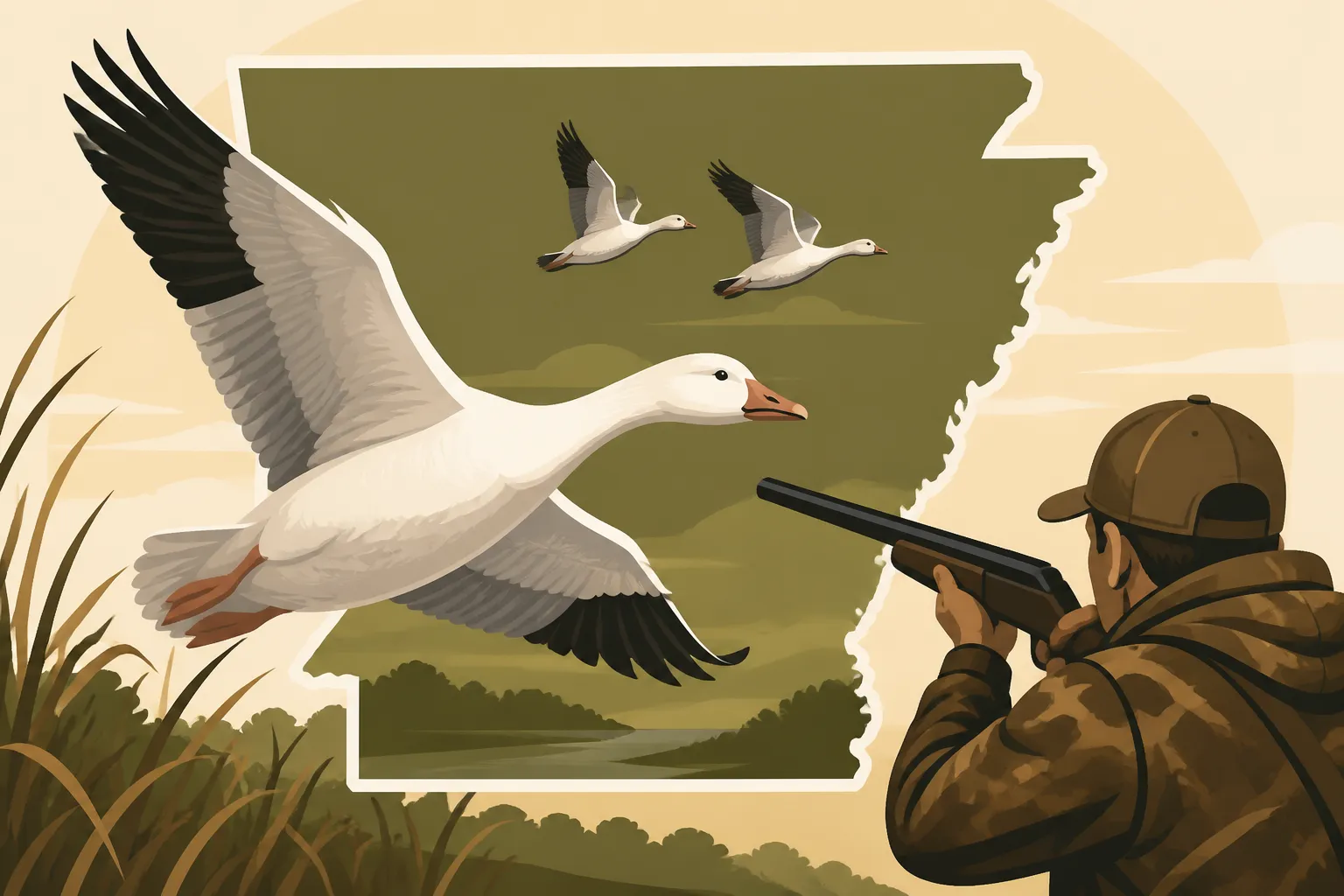
For decades, populations of what we call "light geese"—primarily greater and lesser snow geese, and Ross's geese—have exploded. This isn't necessarily a good thing for the geese themselves or their environment. These birds breed in the fragile Arctic tundra, and their booming numbers have led to overgrazing, turning lush wetlands into barren mudflats. This habitat destruction not only impacts future generations of light geese but also devastates nesting grounds for other migratory bird species that depend on these pristine environments. The Arkansas Game and Fish Commission (AGFC), along with wildlife agencies across the flyways, recognizes that hunters are the most effective tool in mitigating this ecological damage by reducing the population to a more sustainable level.
Distinctive Rules and Regulations
What really sets the Light Goose Conservation Order apart from regular waterfowl hunting is the relaxation of many traditional rules. During the LGCO, the daily bag limit and possession limit for light geese are completely removed. That means you can harvest as many light geese as you can ethically shoot and retrieve, and possess as many as you've taken. Additionally, hunting hours are extended, typically from 30 minutes before sunrise to 30 minutes after sunset, giving you more time in the field. Crucially, hunters are allowed to use electronic calls (e-callers) to lure in birds, and shotguns no longer need to be plugged to limit capacity, meaning you can use the full magazine tube. These changes are designed to maximize hunter success and encourage a higher harvest rate, directly supporting the conservation goals.
When and Where to Find the Action
The Light Goose Conservation Order in Arkansas usually kicks off right after the regular duck and goose seasons have wrapped up, typically starting in late January and running through mid-March. The exact dates can shift slightly year to year, so always check the latest AGFC regulations. Geographically, the action is predominantly found in the Arkansas Delta. This region, with its vast agricultural fields—especially harvested rice, corn, and soybean fields—offers abundant waste grain, which is a primary food source for migrating light geese. Areas around Stuttgart, Jonesboro, and down into the southeastern parts of the state are traditional hotspots, drawing hundreds of thousands of geese as they stage before their spring migration back north. Knowing these traditional feeding grounds is key to successful scouting. You can learn more about the specific season dates by checking out our guide on Arkansas Waterfowl Seasons and Zones.
Essential Gear and Legal Requirements
Preparing for a Light Goose Conservation Order hunt requires not only specific gear but also a thorough understanding of the unique legal requirements. It’s different from your typical duck hunt, and knowing these details ensures you’re both effective and compliant. Don't let your enthusiasm overshadow the importance of legality and safety.
Necessary Licenses and Permits
Even though the rules are relaxed for the LGCO, you still need to adhere to fundamental licensing requirements. All hunters, including those participating in the Light Goose Conservation Order, must possess a valid Arkansas hunting license. For migratory bird hunting, a federal duck stamp is required, along with HIP (Harvest Information Program) registration. The good news is that typically, there's no additional specific permit required solely for the Light Goose Conservation Order itself—your standard migratory bird setup covers it. However, it's always wise to double-check the current year's AGFC regulations just before you head out, as rules can change. Tools like GoHunt can be incredibly helpful for staying up-to-date on regulations and boundary lines, ensuring you're always within legal limits, especially when hunting public land. For a deeper dive into these requirements, you might want to read our article on Arkansas HIP Registration for Migratory Birds.
Optimizing Your Setup: Guns, Ammo, and Electronics
This is where LGCO hunting really shines for those who love to deploy serious gear. Since shotguns don't need to be plugged, you can use the full capacity of your magazine tube, which is a huge advantage when flocks of hundreds or even thousands of geese decoy into your spread. Non-toxic shot is still a strict requirement, so make sure you're stocked up on steel, bismuth, or tungsten shot in sizes appropriate for geese (BB, BBB, or T shots are common).
Electronic calls are an absolute game-changer. These devices allow you to blast out high-volume, realistic goose vocalizations that would be impossible to replicate with mouth calls alone. The sheer volume and variety of sounds an e-caller can produce are crucial for attracting large flocks. Having a robust e-caller with multiple speakers and a good battery life is almost a necessity for effective light goose hunting. Flagging is also critical; motion is what often seals the deal for wary geese. Large, white flags or even simple white tarps can simulate landing geese and catch their attention from afar.
Ethical Hunting and Species Identification
Despite the generous bag limits, ethical hunting remains paramount. That means taking responsible shots, making every effort to retrieve downed birds, and not wasting game. With so many light geese, it's easy to get target fixation, but positive identification is still crucial. You need to be absolutely certain you're shooting at a light goose (Snow, Ross's, or Blue Goose) and not another species like a Canada goose, specklebelly, or any protected non-game bird. These other species still fall under regular season limits and rules, which are much stricter. Disposing of numerous carcasses properly can also be a challenge, so plan ahead for how you will handle your harvest, whether it's processing the meat, donating it to programs like Arkansas Hunters Feeding the Hungry, or simply ensuring responsible disposal.
Proven Strategies for Decoying Light Geese
Successfully hunting light geese during the Conservation Order is a whole different ballgame compared to regular duck or even Canada goose hunting. It often involves massive decoy spreads, a lot of patience, and a bit of grit. But when a tornado of geese descends into your spread, there's nothing quite like it.
Scouting the Fields for Feeding Hotspots
The single most critical factor for success in light goose hunting is scouting. These birds are creatures of habit, largely driven by food. They will target specific agricultural fields, particularly those with waste grain from harvested rice, corn, or soybeans. You need to spend time, often days, driving county roads, glassing fields, and observing where the geese are feeding. Look for white patches on the ground from thousands of feeding birds, or listen for their constant chatter.
Once you find a field the geese are consistently using, pay attention to their entry and exit routes, and where they seem to congregate. This is where a good mapping tool, like the one offered by GoHunt, comes in handy. You can use it to pinpoint specific fields, identify land ownership (for permission to hunt private land), and mark potential access points. Understanding land access is vital, as much of the best light goose hunting happens on private farm fields. Public land opportunities exist, but they often require more competition and effort. If you're interested in public land strategies, our guide on Scouting Arkansas Public Land Before Season has some great tips.
Building an Effective Spread and Calling Sequence
When it comes to light geese, bigger is almost always better for decoy spreads. We're talking hundreds, often thousands, of decoys. These can range from realistic full-body decoys to lightweight silos and highly effective windsock decoys that offer motion and bulk without breaking the bank. The idea is to create a visual spectacle that mimics a massive feeding flock, drawing in distant birds.
The electronic call is your primary communication tool. Don't just pick one sound and stick with it. Experiment with different goose vocalizations—feeding gabble, pleading calls, aggressive honks—and vary the volume and cadence. The goal is to make your spread sound like a happy, healthy, and inviting place for more geese to join. Combine the e-caller with strong flagging. When geese are circling high, active flagging can often be the final convincing factor, simulating birds landing and flapping their wings. For more detailed insights on hunting specific fields, check out Hunting Rice Fields and Levees.
Field Logistics and Weather Challenges
Hunting the LGCO in Arkansas can be physically demanding. You'll likely be dealing with cold, wet, and often muddy conditions in vast open fields. Setting up and taking down thousands of decoys is a workout. Portable blinds or laying out in white suits are common strategies for concealment. Comfortable, waterproof, and warm clothing is non-negotiable.
Retrieving downed birds can also be a significant challenge. With no bag limit, you might shoot many birds, and if you don't have good retrievers or a large group to help, it can take a long time to gather your harvest. Always prioritize safety, especially when hunting in large groups, and communicate clearly to avoid accidental discharges. The weather in Arkansas during the late winter and early spring can be highly unpredictable, ranging from bitter cold to mild, rainy days. Be prepared for anything, and remember that geese often fly best when there's a strong wind or after a cold front.
| Feature | Regular Duck/Goose Season Rules | Light Goose Conservation Order Rules |
|---|---|---|
| Species Included | Ducks, Canada Geese, White-fronted Geese (Specklebellies), Light Geese | Snow Geese, Ross's Geese, Blue Geese (collectively "Light Geese") |
| Daily Bag Limit | Species-specific limits (e.g., 6 ducks, 2 Canada geese, 2 specks) | No Daily Bag Limit |
| Possession Limit | Three times daily bag limit (for most species) | No Possession Limit |
| Shooting Hours | 30 minutes before sunrise to sunset | 30 minutes before sunrise to 30 minutes after sunset |
| Shotgun Capacity | Plugged to hold no more than 3 shells (2 in magazine + 1 in chamber) | Unplugged Shotguns Permitted (full magazine capacity) |
| Electronic Calls | Prohibited | Permitted |
| Non-Toxic Shot | Required | Required |
| HIP Registration | Required | Required |
| Federal Duck Stamp | Required | Required |
| State Hunting License | Required | Required |
The Light Goose Conservation Order truly offers a unique and exhilarating hunting experience for those willing to embrace its distinct challenges. It’s an opportunity to extend your waterfowl season while actively participating in a crucial conservation effort to help balance the ecosystem. For more information on different goose hunting tactics, consider checking out Snow Goose Tactics in the Delta or Speck and Goose Hunting in the Delta.
Disclaimer
Please remember that hunting regulations are subject to change. Always consult the most current Arkansas Game and Fish Commission (AGFC) regulations before planning any hunt. This guide is for informational purposes only and does not constitute legal advice.