Reading Water Levels on the White River
White River water levels explain deer and duck movement, guiding hunters to optimal locations using dam release data and gauges.
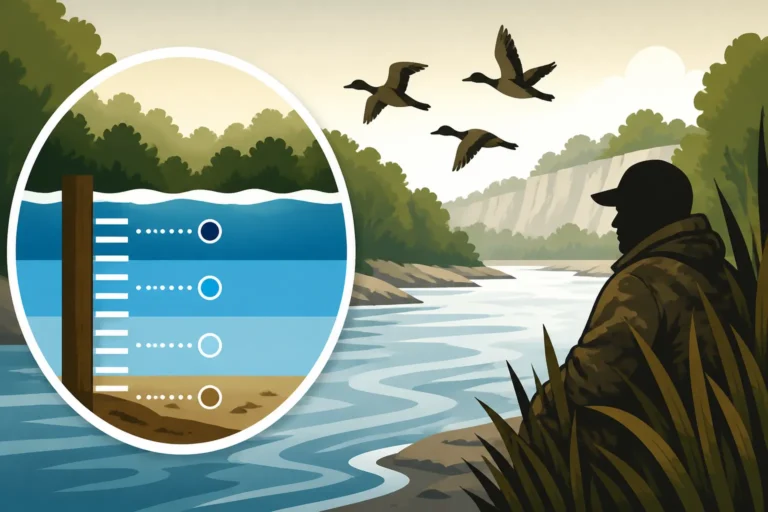
White River water levels explain deer and duck movement, guiding hunters to optimal locations using dam release data and gauges.

Arkansas moist-soil units provide public land waterfowl hunters with shallow, vegetated wetlands rich in natural food and security cover.

Duck hunting on a levee requires specific strategies for decoy spread placement, blind concealment, and effective open water calling techniques.

Flooded green timber and flooded rice fields offer completely different habitats, decoy spreads, and calling strategies for hunters.
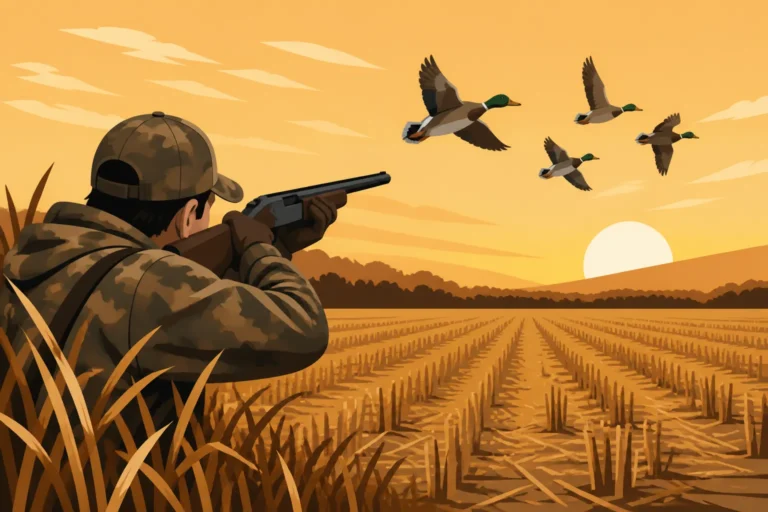
Waterfowl hunters learn Arkansas rice field strategies, decoy spreads, scouting tips, and concealment methods for harvesting migrating birds successfully.

Arkansas duck hunters learn subtle calling, tight decoy spreads, and stealth tactics to successfully shoot wary mallards in clear timber.
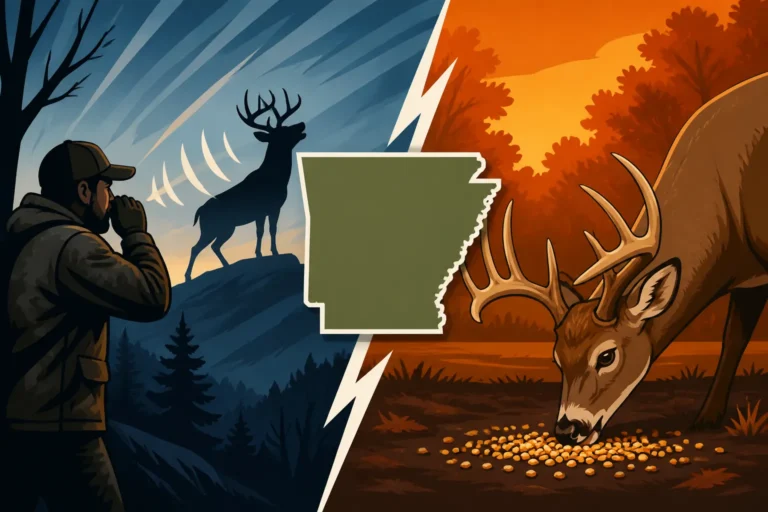
Duck calling requires balancing loud hail calls for distant birds with soft feeding chuckles for close-range reassurance.

Duck calling in Arkansas flooded timber requires soft tones, realistic cadences, and restraint to attract wary mallards.

Jerk cords add lifelike motion to static decoy spreads in flooded timber, helping hunters convince wary mallards to land.
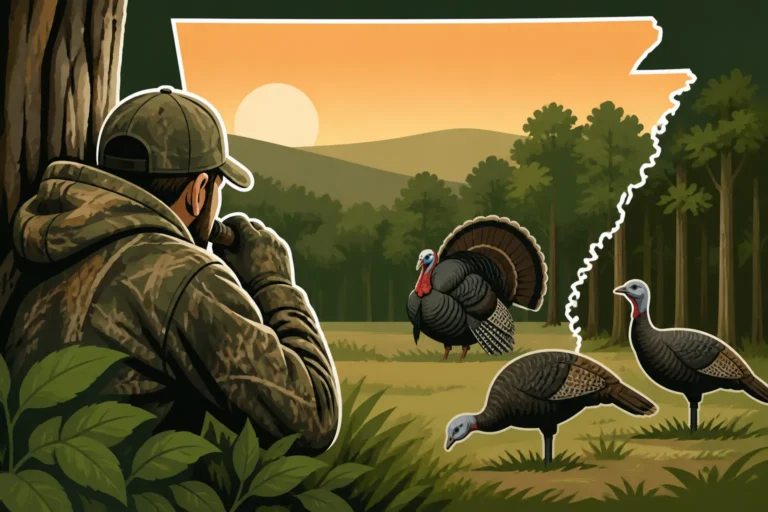
Decoy numbers for flooded timber holes depend on hole size, hunting pressure, and weather conditions to attract ducks successfully.