Mallard Numbers Wintering in Arkansas
There's nothing quite like the collective sigh of an Arkansas duck hunter when the news starts trickling in about mallard numbers for the upcoming season. We spend all summer dreaming of greenheads over the decoys, and when those migration reports drop, they can either fuel our anticipation or send a wave of dread through the community. Understanding how many mallards are actually wintering in Arkansas isn't just a matter of curiosity; it directly impacts how we plan our hunts, manage our expectations, and ultimately, how successful we might be out in the timber or over the fields. This guide will dive deep into the factors influencing mallard populations in our state, how those numbers are tracked, and what it all means for you, the hunter, trying to bag a few birds.
Understanding the Mallard Migration Phenomenon in Arkansas
Arkansas holds a legendary status in the world of duck hunting, and much of that fame rests squarely on the shoulders of the mallard. These emerald-headed beauties are the quintessential ducks for many hunters, and their presence, or lack thereof, can define a season. But what makes Arkansas such a magnet for these birds, and why do their numbers fluctuate so wildly?
Arkansas as a Wintering Mecca: Why It's So Important
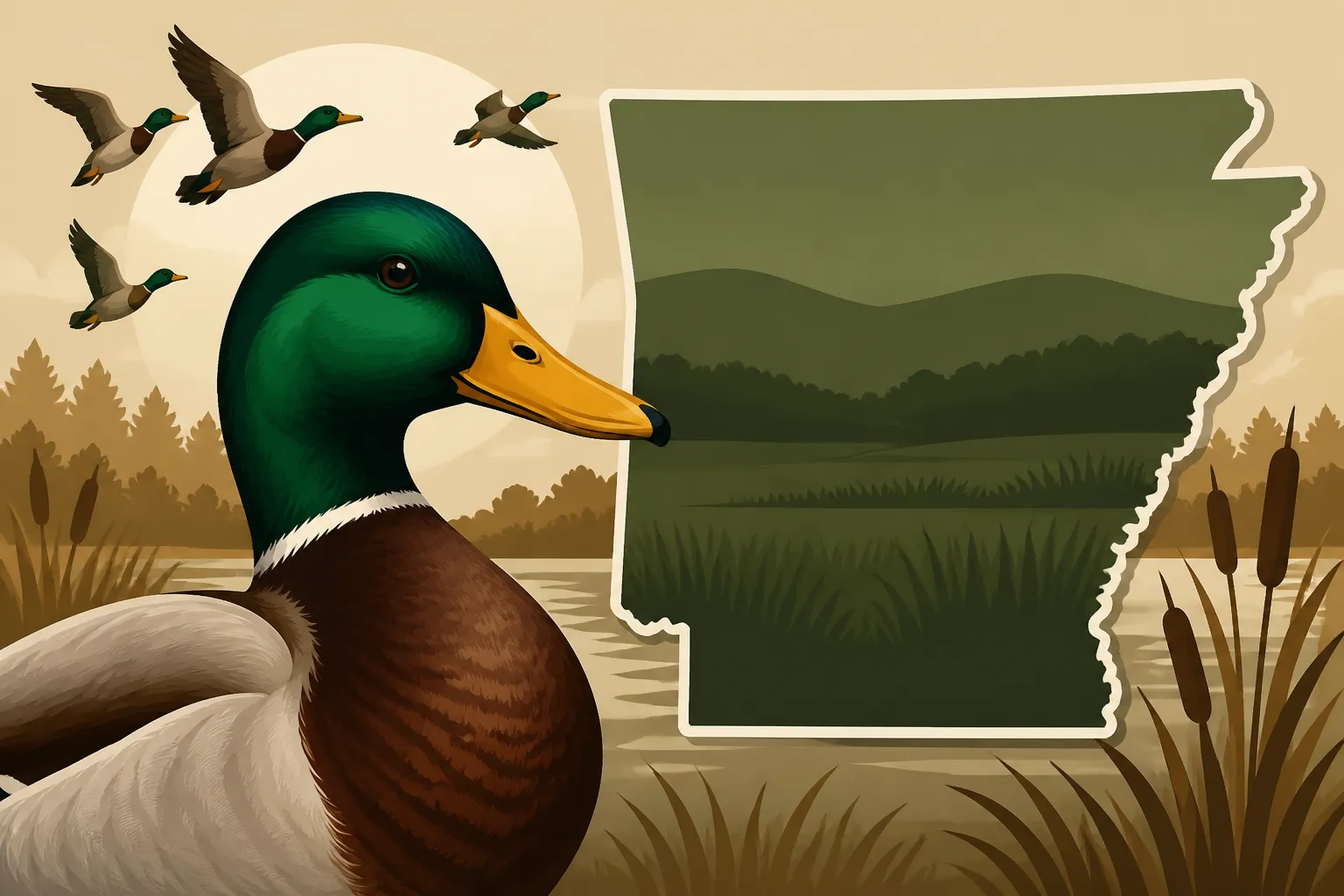
Our state sits smack dab in the middle of the Mississippi Flyway, a superhighway for migratory birds traveling from their northern breeding grounds to their wintering havens in the south. For mallards, Arkansas represents a critical stopover and wintering destination, largely thanks to our unique combination of abundant natural wetlands and vast agricultural landscapes. Think about the sprawling bottomland hardwoods of the Delta, which, when flooded, create ideal "green timber" habitat. Then consider the rice and soybean fields that stretch for miles, offering a smorgasbord of leftover grain after harvest. This perfect storm of habitat and food sources is precisely why mallards have flocked here for generations. Mallards in the Arkansas Delta are a sight to behold, a testament to the richness of our natural resources when everything aligns.
These aren't just pretty places; they're vital to the birds' survival. Mallards need safe places to rest, plenty of high-energy food to fuel them through the cold months, and protection from predators and excessive hunting pressure. Arkansas offers all of this, making it an indispensable part of their annual cycle. When you hear old-timers talk about the "good old days," they're often reminiscing about years when the green timber was full, and the fields were black with ducks, a direct reflection of abundant wintering mallards.
The Role of Weather and Water: How Conditions Dictate Movement
It's easy to look at Arkansas and assume ducks will always be here, but migration is a complex dance choreographed by weather and water conditions far beyond our state lines. A mild fall up in the northern breeding grounds – places like the Dakotas, Minnesota, and the Canadian prairies – can mean ducks take their sweet time moving south. If there's open water and enough food available in Missouri or Illinois, why would they push all the way to Arkansas any sooner than they have to?
Conversely, a sudden cold snap and early freeze-up in those northern states can send waves of mallards hurtling down the flyway, arriving in Arkansas in huge numbers. But then, what about our weather? If Arkansas experiences an unusually warm winter, ducks might move further south to Louisiana or Texas, or they might even stick around less traditional wintering areas if conditions are favorable enough. Duck Migration Timing Into Arkansas is never a simple prediction; it's a dynamic puzzle. The amount of local water on the landscape is also crucial. Without adequate flooding in the timber or standing water in the fields, mallards can't access food and rest areas, forcing them to continue their journey or concentrate in fewer, more pressured locations.
Habitat Availability and Quality: Managed Wetlands and Agriculture
The sheer volume of habitat available across Arkansas, both natural and managed, directly impacts how many mallards decide to call our state home for the winter. The Arkansas Game and Fish Commission (AGFC), along with private landowners and federal agencies, manages hundreds of thousands of acres of wetlands specifically for waterfowl. Arkansas Wetland Acres Managed for Ducks provide crucial sanctuary and feeding opportunities.
However, it’s not just about having water; it's about having the right kind of water and food. Green tree reservoirs in WMAs, for example, are intentionally flooded to provide acorn crops and cover, offering prime Green Timber Duck Hunting in Arkansas. Then there are the vast agricultural fields, particularly rice, which leave behind significant waste grain after harvest, providing a high-energy food source. Field and Flooded Rice Duck Hunting in the Delta often relies on these areas. The careful balance of water levels, crop rotations, and land management practices determines the overall quality and availability of this vital habitat, directly influencing how attractive Arkansas is to wintering mallards. When this balance is off – say, a drought year means less flooding, or changing agricultural practices leave less waste grain – the number of ducks that settle in can certainly drop.
Factors Influencing Mallard Numbers Year to Year
While Arkansas is undeniably a prime wintering destination, the actual number of mallards we see isn't solely decided by our local conditions. It's a complex equation with variables spanning across continents. Understanding these broader factors helps us appreciate the bigger picture and why some seasons feel "ducky" while others feel sparse.
Breeding Ground Production: The Critical Impact of Spring Conditions
The most significant factor influencing mallard numbers each winter starts thousands of miles north, in the vast prairie pothole region of the northern U.S. and Canada. This area is often called the "duck factory" because it's where the majority of North America's mallards, and many other duck species, hatch and raise their broods. The health of this breeding ground is paramount.
What's critical here is water, specifically shallow wetlands and temporary ponds. These "potholes" fill with snowmelt and spring rains, providing ideal nesting cover and insect-rich nurseries for ducklings. If the prairie pothole region experiences a wet spring with plenty of water, nesting success is generally high, leading to a strong hatch and a large cohort of young birds entering the fall migration. Conversely, a drought in the breeding grounds can be devastating. Fewer potholes mean fewer nesting opportunities, higher predation rates on nests, and ultimately, fewer ducklings surviving to fledge. This directly translates to lower overall mallard populations, which then impacts the numbers that make it down the flyway to Arkansas. So, while we're dreaming of mallards in Arkansas, their fate is often being decided in a distant slough months earlier.
Migration Corridors and "Short-Stopping": Why Ducks Might Not Always Come All the Way South
Even if breeding ground production is strong, there's no guarantee all those mallards will make it to Arkansas. The phenomenon of "short-stopping" is a real challenge for states like ours that sit further down the flyway. With expanding habitat in northern states – think managed wetlands, impoundments, and agricultural fields in places like Missouri, Illinois, and even Iowa – and often milder early winter weather, ducks might not feel the urgent need to push further south.
If these intermediate states offer sufficient food, open water, and relative safety, many mallards will simply stay there as long as possible. Why expend the energy flying hundreds of additional miles if the groceries and lodging are perfectly fine closer to home? This doesn't necessarily mean there are fewer mallards overall in the flyway; it just means they might be distributed differently, frustrating hunters in traditional wintering grounds. Hunting the Arkansas Rut by Zone or Hunting the Delta Rut in January can be greatly affected by whether those northern birds decided to continue their journey. It's a constant source of discussion and a little bit of anxiety among hunters each season: "Are they here yet?"
Local Habitat Conditions: How Much Food and Rest Arkansas Can Offer
Finally, the mallards that do make it to Arkansas are highly influenced by what they find when they arrive. This brings us back to local habitat conditions. A year with ample rainfall and strategic water management can mean widespread shallow water across the Delta and other lowland areas. This allows ducks to spread out, find less pressured spots, and access plentiful waste grain in agricultural fields or acorns in the timber. Hunting Arkansas Flooded Green Timber is only possible if the timber is actually flooded!
However, if Arkansas experiences a drought or if key green tree reservoirs are held dry for management reasons, habitat becomes concentrated. Ducks will pile into the few areas that do have water and food, leading to overcrowding, increased hunting pressure, and often, birds that become wary very quickly. Reading Water Levels on the White River and other major systems becomes crucial for hunters, as those levels dictate where ducks can go and where they'll be able to feed and rest effectively. The better the local conditions – a mosaic of food, water, and sanctuary – the more mallards will settle in and stay for the winter, providing better opportunities for hunters throughout the season.
How Mallard Numbers Are Monitored and Interpreted
As hunters, we crave numbers. We want to know exactly how many ducks are out there, where they are, and what our chances are. While no one can give a perfect, real-time count, wildlife agencies employ sophisticated methods to estimate mallard populations, providing valuable insights into the health of the flyway and our local wintering grounds.
Aerial Surveys and Population Estimates: Counting From the Sky
The primary method for estimating waterfowl populations, including mallards, is through aerial surveys. Biologists and trained observers fly established transects – essentially predetermined flight paths – over breeding grounds in the spring and wintering grounds in the fall and winter. They count ducks within designated strips below the plane, and these counts are then extrapolated to estimate the total population across larger regions.
In Arkansas, the AGFC conducts regular aerial surveys, particularly over prime duck habitat in the Delta, throughout the winter months. These surveys provide crucial data points, giving hunters a general idea of how many ducks are physically present in the state at various times during the season. It’s important to remember these are estimates, not exact counts. Factors like weather (cloud cover, fog), duck behavior (sitting tight, flushing early), and the sheer vastness of the landscape mean there's always a margin of error. However, over decades, these surveys provide critical long-term trends. Arkansas Duck Counts and Aerial Surveys are a cornerstone of waterfowl management, informing everything from season dates to habitat initiatives. While not perfect, they are the best tool we have to gauge overall numbers. When you're planning a trip, a quick check of the latest AGFC reports, sometimes aggregated on a platform like GoHunt, can offer a snapshot of conditions.
Hunter Reports and Harvest Data: The Ground-Level Perspective
While aerial surveys give us a top-down view, hunter reports provide a vital ground-level perspective. Each time a hunter checks a duck or reports their harvest, that data feeds into a larger system that helps wildlife managers understand hunter success, species composition, and overall harvest rates. This information, combined with banding data, helps estimate survival rates and provides another layer to population assessments.
Think about it: if aerial surveys show a good number of mallards, but hunter success rates are consistently low, it might indicate that the birds are heavily pressured and wary, or perhaps spread out over an unusually vast area. Conversely, if hunter reports are strong even with moderate aerial counts, it could mean ducks are concentrated in accessible areas or that local conditions are particularly favorable. Every hunter's report, while seemingly small, contributes to this larger dataset. It's a reminder that conservation is a team effort, and accurate reporting is a key part of it. When researching different WMAs or public lands for your next hunt, forums and reports from other hunters, sometimes found on community features of platforms like GoHunt, can offer anecdotal but useful insights into local activity.
The Importance of Long-Term Trends: Looking Beyond One Bad Season
One of the biggest mistakes we can make as hunters is to fixate on a single season's mallard numbers. "This year was terrible!" or "It was the best in a decade!" While those sentiments are valid for personal experience, real conservation and management decisions are based on long-term trends. Wildlife agencies track mallard populations over many years, looking for consistent increases, decreases, or stable patterns.
For example, a low mallard count one winter might be an anomaly due to a breeding ground drought, followed by several strong years of recovery. Or it could be part of a worrying downward trend that signals a need for more aggressive habitat management or harvest adjustments. This long-term perspective is crucial because it accounts for natural fluctuations and helps identify genuine ecological shifts. It reminds us that conservation isn't about instant gratification; it's about sustained effort and looking after the resource for future generations. When considering the overall health of White-Tailed Deer Across Arkansas or Wild Turkeys in Arkansas, it's the same principle: long-term data tells the true story.
Here's a simplified look at how various factors might influence the mallard numbers we see in Arkansas:
| Factor | Impact on Arkansas Wintering Mallard Numbers | Hunter's Observation |
|---|---|---|
| Wet Breeding Grounds | Generally leads to higher overall flyway population and more birds available. | More young birds in the fall flight, potentially more ducks arriving. |
| Dry Breeding Grounds | Reduced production, fewer birds in the flyway. | Noticeably fewer ducks overall, especially early in the season. |
| Early Northern Freeze | Pushes birds south sooner and in larger waves. | Strong early season flights, more consistent duck presence. |
| Mild Northern Winter | Ducks short-stop in states north of Arkansas, delaying or reducing southern push. | Late arrival of significant numbers, "ghost" periods in the mid-season. |
| Abundant Local Water | Allows ducks to spread out, find more food, and feel less pressured. | Ducks are everywhere, less wary, easier to decoy. |
| Drought/Limited Water | Concentrates ducks in fewer areas, increasing pressure and wariness. | Birds are hard to hunt, shy, or only in specific, well-known locations. |
| Quality Habitat (Food) | Attracts and holds ducks longer, providing necessary energy. | Ducks stay in an area, return to good feeding spots. |
| Poor Habitat (Food) | Ducks move through quickly, seeking better opportunities elsewhere. | Birds "blow through," don't linger, requiring constant scouting for new arrivals. |
The Hunter's Perspective: What Mallard Numbers Mean for Your Season
So, we've talked about the science and the trends, but what does all of this really mean for you, the hunter, standing in muddy waders before sunrise? It means managing expectations, adapting your tactics, and appreciating the incredible journey these birds undertake.
Managing Expectations: When the Numbers Are Low, Tactics Change
Let's be real: when the mallard numbers are down, it can be incredibly frustrating. We all dream of those limits of greenheads, but a season with lower counts means those dreams might need a realistic adjustment. It doesn't necessarily mean a bad season, but it means you might have to work harder, scout more diligently, and celebrate every single bird harvested. The traditional "limit out every day" mentality might need to be replaced with a genuine appreciation for the hunt itself – the camaraderie, the sunrise, the dog work, and the rare opportunity to fool a wary duck.
Instead of focusing on numbers, focus on the experience. Use it as an opportunity to truly hone your skills: calling, decoy placement, concealment, and patience. Don't fall into the trap of thinking a low count means no ducks. It means fewer ducks, yes, but those birds still have to eat, still have to rest, and are still susceptible to a well-executed spread and a perfectly timed call. Arkansas Duck Daily Bag Limit can still be achieved, but perhaps not with the ease of a banner year.
Adapting Your Hunting Strategy: Focusing on Local Conditions and Lesser-Pressured Areas
When mallard numbers aren't sky-high, adaptability becomes your greatest asset. This is where your local knowledge, scouting efforts, and mapping tools really shine. Forget the old honey holes that everyone else is hammering, and start looking for the overlooked pockets.
- Scout, Scout, Scout: Don't rely on last year's intel. What's holding birds today? Are smaller, less obvious sloughs or ditches holding birds that are avoiding the larger, more visible water? Use aerial maps, like those available on GoHunt, to identify potential hideouts, remote backwaters, or unpressured field corners. Scouting Arkansas Public Land Before Season is always important, but even more so in years with lower numbers.
- Go Where Others Won't: This often means walking further, wading deeper, or dragging your boat into spots that require more effort. Pressured ducks avoid easy access points.
- Hunt the X: Finding where ducks want to be, rather than trying to force them into a specific spot, is crucial. This might mean setting up on a subtle rise in a field that's catching a bit of runoff, or a hidden corner of timber where the acorns are dropping.
- Be a Stealth Master: Wary ducks are quick to flare. Pay extra attention to concealment, minimize movement in the blind, and avoid unnecessary noise. Calling Ducks in Tight Arkansas Timber is a skill that becomes even more critical when birds are few and far between.
- Focus on Sanctuary: Sometimes, finding areas near known sanctuaries or refuges where ducks fly in and out to feed can be a winning strategy. These birds often have a predictable flight path.
The Bigger Picture of Conservation: Why Population Numbers Matter Beyond Just Hunting Success
Beyond our personal hunting success, understanding mallard numbers and the factors influencing them is fundamentally about conservation. Why Arkansas Holds So Many Ducks isn't by accident; it's the result of decades of dedicated efforts by wildlife agencies, conservation groups, and private landowners. Every hunter contributes to this through license sales, duck stamp purchases, and adherence to regulations.
When populations are struggling, it’s a red flag for the health of the entire ecosystem. It prompts wildlife managers to review breeding ground conditions, habitat quality, and harvest limits. Our role as hunters isn't just to harvest; it's to be stewards of the resource. By paying attention to these numbers, advocating for habitat preservation, and supporting science-based management, we ensure that the tradition of chasing mallards in Arkansas remains vibrant for generations to come. It’s a privilege, not a right, to pursue these incredible birds, and understanding their journey from the breeding grounds down to our flooded timbers makes every single greenhead feel that much more special.
Disclaimer
This article is for general informational purposes only and does not constitute professional advice. Laws, prices and regulations vary by location and change over time. Consult a qualified professional for guidance on your specific situation.