Why Some Arkansas Green Timber Is Dying
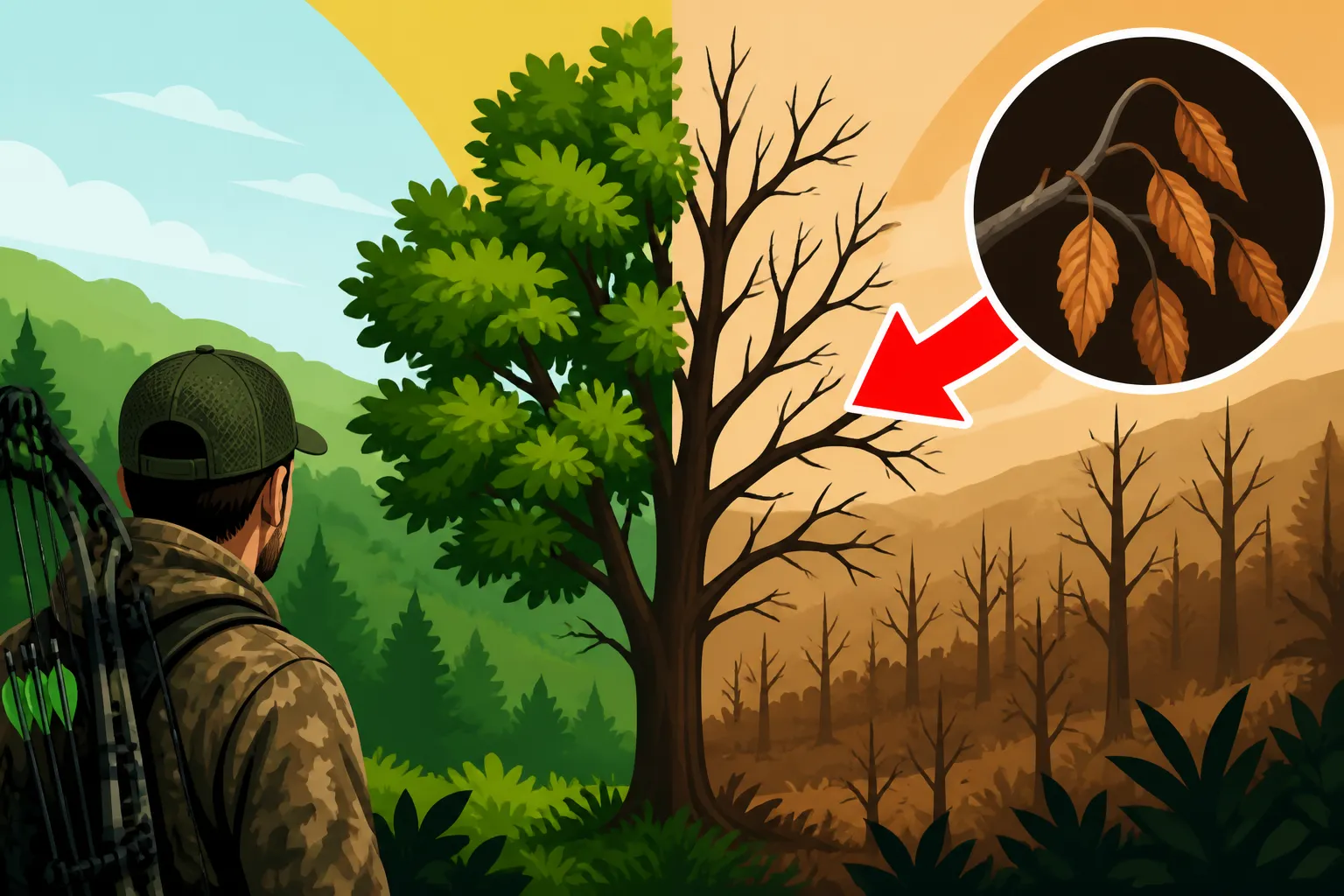
For anyone who has spent time chasing greenheads through flooded timber in Arkansas, there's a growing, heartbreaking sight: stands of once-vibrant trees, looking sickly, grey, and utterly lifeless. It's a gut punch to see those majestic hardwoods, once teeming with life and echoing with the sounds of mallards, now standing silent and dead. This isn't just an aesthetic problem; it's a fundamental shift in the very landscape that defines our state's incredible duck hunting tradition. This guide will dive deep into the complex, often intertwined reasons why some of Arkansas's irreplaceable green timber is dying, exploring the environmental factors, management challenges, and the profound impact this has on both the ecosystem and our beloved hunting heritage.
The Heart of the Problem: Altered Hydrology
The root cause of much of the green timber decline can be traced back to fundamental changes in the way water moves across the landscape. The phrase "green timber" itself implies a delicate balance: trees that can tolerate standing water for specific periods, but also need dry periods to thrive. When this balance is disrupted, the trees suffer. It's a slow death by a thousand cuts, often unseen until it's too late. The landscape we hunt today is vastly different from even a century ago, and those changes have profound impacts on the health of our forests.
Historical Water Regimes Versus Modern Management
Think about how the Arkansas Delta once functioned. Rivers swelled in winter and spring, flooding vast tracts of low-lying hardwoods. The water would recede naturally as summer approached, exposing the forest floor for months of dry conditions, allowing roots to breathe, and nutrient cycles to replenish. This ebb and flow was the natural rhythm that species like Nuttall oaks and willow oaks evolved to tolerate, even depend on. They are bottomland hardwoods, adapted to cycles of inundation, but not permanent flooding.
Modern agricultural practices, flood control, and even waterfowl management have significantly altered this natural rhythm. Large-scale levee systems, designed to protect farmland and communities from devastating floods, prevent water from naturally spreading out across the landscape and receding. Instead, water is channeled, held back, or released in ways that don't mimic the historical patterns. Sometimes this means areas stay flooded for too long, drowning trees; other times, areas that historically received regular flooding now stay too dry, impacting the germination and growth of new bottomland species. This disconnect from the natural hydrology is a primary stressor.
Impact of Levees, Roads, and Agricultural Practices
Levees and drainage ditches crisscrossing the Delta are a double-edged sword. While they protect vital agricultural land and allow for effective farming, they also compartmentalize the landscape, trapping water in some areas and diverting it from others. A levee meant to keep the river out of a field might inadvertently hold water in an adjacent block of timber for months longer than is healthy. Conversely, a network of ditches might drain a forested area too quickly or too completely, preventing the necessary winter flooding that helps rejuvenate certain tree species and provides critical habitat for wintering waterfowl.
Logging roads and other infrastructure also play a role. Even seemingly minor changes, like a raised roadbed acting as a small dam, can subtly alter localized drainage patterns. Water that once flowed freely might now be held back or diverted, concentrating its impact on a smaller area of timber. Agricultural runoff can also affect water quality, introducing chemicals that stress trees over time, though the direct hydrological impact is generally more significant. It's a complex puzzle where every piece, from a major river levee to a small farm access road, has the potential to influence the delicate balance of a Green Tree Reservoir Management in Arkansas.
The Stressors on the Trees Themselves
Beyond the large-scale hydrological shifts, the trees are facing direct physiological pressures that push them past their limits. These aren't just old trees naturally dying; we're seeing widespread mortality even in younger stands, indicating a systemic problem that attacks the very health of the forest. Understanding these specific stressors helps us grasp the severity of the situation and why simply "planting more trees" isn't a silver bullet.
Prolonged Flooding and Water Deprivation Cycles
The most critical stressor for green timber is prolonged, unnatural flooding. While bottomland hardwoods can survive submergence, their roots still need oxygen. If water stands for too long, especially during the growing season when trees are metabolizing actively, their roots essentially drown. The cells can't respire, and the tree starves. Imagine holding your breath for too long – that's what prolonged flooding feels like to a tree's root system. This is particularly problematic when water is held for duck hunting purposes well into spring, or when natural floodwaters are slow to recede due to altered drainage.
Conversely, some areas that historically flooded are now deprived of water due to upstream diversions or extensive drainage. This leads to stress from drought, particularly for species adapted to wet conditions. Without the periodic flush of water, nutrient cycling changes, and the trees become more vulnerable to disease and pests. It's not just "too much water" but often "too much water at the wrong time" or "not enough water when it's needed," throwing the entire system out of whack. This constant shifting between extremes is incredibly taxing on the trees, making them susceptible to a host of other issues.
Disease, Pests, and Climate Variability
Stressed trees are weak trees. When a stand of timber is already struggling due to chronic flooding or drought, it becomes an easy target for opportunistic diseases and pests. Fungal infections, insect infestations like the ambrosia beetle, or even native borers can wreak havoc on compromised trees, often delivering the final blow. A healthy tree might fend off these threats, but one that has been fighting for oxygen or water for years simply doesn't have the resilience.
Climate change adds another layer of complexity. While specific impacts can vary year to year, Arkansas has experienced shifts in rainfall patterns, leading to more intense droughts or heavier, more prolonged rainfall events. These extreme weather patterns exacerbate the existing hydrological problems. A hotter summer following a prolonged spring flood means the remaining stressed trees face even greater demands for water, leading to rapid decline. It's a vicious cycle where environmental changes make the trees more vulnerable, and then more vulnerable trees are less able to cope with further changes. Many waterfowl hunters in the Delta are keenly aware of these issues as they plan for Hunting Arkansas Flooded Green Timber.
| Factor | Impact on Green Timber | Hydrological Connection | Tree Health Impact |
|---|---|---|---|
| Levee Systems | Prevents natural ebb/flow; traps or diverts water | High (alters large-scale flow) | Prolonged flooding or chronic drought |
| Agricultural Drainage | Removes water too quickly from some areas | High (local & regional water table) | Water deprivation, nutrient imbalance |
| Raised Roads | Acts as small dams, impounding water | Moderate (localized flow) | Prolonged flooding in specific spots |
| Prolonged Flooding | Roots drown, unable to get oxygen | Direct (water held too long) | Weakness, disease, mortality |
| Water Deprivation | Trees adapted to wet conditions suffer drought | Direct (lack of inundation) | Stunted growth, increased vulnerability |
| Disease & Pests | Target stressed trees, causing decline | Indirect (stress as a precursor) | Accelerated mortality |
| Climate Variability | More extreme rain/drought events | Direct (alters natural precipitation) | Exacerbates existing stressors |
The Ecological and Hunting Implications
The dying green timber isn't just an ecological tragedy; it has profound, tangible impacts on the waterfowl hunting experience that defines so much of Arkansas's outdoor heritage. For generations, the image of mallards cupping their wings into a flooded timber hole has been synonymous with duck hunting in our state. As these critical habitats disappear, so too does a piece of that tradition, leaving hunters and conservationists grappling with a new reality.
Loss of Habitat and Food Sources
The most immediate and obvious impact of dying green timber is the loss of crucial habitat for countless species, especially wintering waterfowl. Mallards, in particular, rely heavily on flooded bottomland hardwoods, not just for shelter and roosting cover, but for the abundant food sources found there. The acorns from Nuttall and willow oaks are a primary, high-energy food source for ducks. As these trees die, that food source disappears, forcing ducks to seek sustenance elsewhere, often in less secure or accessible locations. This is why understanding Why Mallards Use Flooded Timber is so critical for hunters and managers alike.
Beyond ducks, these forests are home to deer, squirrels (especially important for Squirrel Hunting Arkansas Hardwoods), various bird species, amphibians, and countless invertebrates. The loss of these trees means a ripple effect throughout the entire ecosystem. It changes the microclimate, alters soil composition, and reduces the biodiversity of the area. It's a dramatic shift from a vibrant, productive forest to a stark, dead landscape that offers little in terms of shelter or sustenance.
Challenges for Duck Hunters and Management Efforts
For duck hunters, the sight of dead timber is devastating. It means cherished hunting spots are gone, and the unique experience of hunting amongst the trees is diminished or lost entirely. The traditional tactics used in flooded timber, from calling techniques to decoy spreads, become irrelevant in a barren landscape. Hunters are forced to adapt, often by seeking out alternative areas like flooded agricultural fields, which offer a different, often less immersive, hunting experience. This increased pressure on remaining healthy timber or alternative habitats can further concentrate birds and hunters, leading to more competition and potentially less productive hunts.
The Arkansas Game and Fish Commission (AGFC) and other conservation organizations are acutely aware of the problem. They are exploring various management strategies, including altering water pumping schedules on WMAs to more closely mimic natural hydrology, conducting experimental timber harvests to remove stressed trees and encourage new growth, and investing in reforestation efforts with resilient bottomland species. However, these are often long-term, expensive endeavors, and the sheer scale of the problem is immense. Programs like Arkansas Wetland Acres Managed for Ducks are critical, but the ecological clock is ticking, and the recovery of a mature green timber stand can take decades. Hunters need to adapt, using tools like various mapping apps or even GoHunt to scout for remaining healthy patches or identify Reading Water in the Arkansas Delta in areas that have been impacted by changing conditions.
The shift is undeniable. While the Delta will always be a waterfowl mecca, the landscape itself is changing, and hunters must be prepared to evolve with it. This might mean exploring new public lands and Hunting Arkansas Moist-Soil Units or adapting tactics for Hunting Rice Fields and Levees as timber options diminish.
The Path Forward: Adapting and Conserving
The dying green timber in Arkansas is a complex problem with no easy fix, stemming from decades of landscape alteration and exacerbated by natural stressors. It’s a stark reminder that even seemingly robust ecosystems are incredibly delicate and require thoughtful management and conservation efforts. For hunters and conservationists alike, recognizing the issue is the first step toward finding sustainable solutions and adapting our traditions to ensure the future of Arkansas hunting.
Understanding the Long-Term Solutions
True solutions to the dying green timber problem require a multi-faceted approach focused on restoring natural hydrological cycles wherever possible. This includes working with landowners and agencies to re-evaluate water management practices, potentially modifying existing levee systems to allow for more natural flooding and de-watering, and acquiring and restoring marginal agricultural lands back to bottomland hardwood forests. It’s a massive undertaking that involves balancing agricultural needs, flood control, and ecological health.
Beyond large-scale infrastructure changes, localized efforts are crucial. This means actively managing existing timber stands, thinning stressed trees to reduce competition, and planting new, genetically diverse bottomland hardwood species that are resilient to changing conditions. Education is also key, helping the public and landowners understand the delicate balance required for these unique ecosystems to thrive. It’s not about finding a quick fix but committing to decades of dedicated conservation and restoration, much like the efforts involved in the long-term health of White-Tailed Deer Across Arkansas or the restoration of Black Bears in the Arkansas Ozarks and Ouachitas.
The Role of Hunters in Conservation
Hunters have always been at the forefront of conservation, and their role in addressing the green timber crisis is more vital than ever. Financial contributions through hunting license sales, duck stamps, and conservation organizations directly fund many of the restoration and management efforts undertaken by the AGFC and partners like Ducks Unlimited. Beyond financial support, advocating for sound habitat management policies, participating in volunteer efforts to plant trees or improve wetlands, and educating others about the importance of these ecosystems are critical actions.
Adapting hunting strategies is also a part of this evolution. While the romance of flooded timber will always endure, hunters may need to explore other types of waterfowl habitat, learn new skills for Setting Decoys in Timber Holes when they find healthy spots, or even Calling Ducks in Tight Arkansas Timber as some areas shrink. Understanding the challenges faced by our green timber ensures that we, as hunters, remain informed stewards of the land, actively working to preserve the rich waterfowl traditions of Arkansas for generations to come.
Disclaimer
This article is for general informational purposes only and does not constitute professional advice. Laws, prices and regulations vary by location and change over time. Consult a qualified professional for guidance on your specific situation.