Arkansas Alligator Range and Numbers
For many folks, the idea of American alligators conjures up images of steamy swamps in the Deep South, states like Louisiana and Florida. It's often a surprise to learn that these fascinating, ancient reptiles also call Arkansas home. If you've ever found yourself wondering just how far north these creatures roam, or if the occasional sighting in an Arkansas bayou is common, you're not alone. This comprehensive guide will put your curiosities to rest, diving into the fascinating history, current range, and robust population numbers of alligators across the Natural State.
The Historical Return of the Arkansas Alligator
It's hard to imagine now, but there was a time when the American alligator was on the brink of vanishing from much of its historical range, including here in Arkansas. The story of their recovery is a testament to dedicated conservation efforts and the resilience of a truly remarkable species. Understanding where they came from helps us appreciate their presence today.
A Past Nearly Forgotten
Back in the day, say the late 19th and early 20th centuries, alligators were often seen as a nuisance or, worse, a valuable commodity for their hides and meat. This led to rampant, unregulated hunting across their entire range. In Arkansas, like many other states, their numbers plummeted drastically, pushing them to the edge of extirpation. It wasn't just hunters; habitat destruction, as wetlands were drained for agriculture or development, further compounded the problem. Many people alive today might remember a time when seeing an alligator in Arkansas was incredibly rare, almost unheard of, outside of old stories.
The perception of alligators slowly began to shift as their peril became more apparent. From being viewed as simply dangerous beasts, there was a growing recognition of their ecological importance. They are apex predators that play a crucial role in maintaining the health of wetland ecosystems, creating "gator holes" that provide water for other wildlife during droughts. This shift in understanding was critical for their future, setting the stage for what would become one of America's great conservation success stories.
Reintroduction and Natural Expansion
By the mid-20th century, the alarm bells were ringing loudly for the American alligator. In 1967, they were officially placed on the federal endangered species list, which provided them with crucial legal protection from hunting and commercial exploitation. This federal safeguard was the turning point. In Arkansas, this meant an end to legal hunting and a focus on protecting remaining populations and their habitats.
While some states undertook active reintroduction programs, Arkansas's recovery was largely a combination of natural recolonization from robust populations in neighboring Louisiana and Mississippi, combined with strict protection of existing individuals. The wetlands, bayous, and sloughs of the Arkansas Delta and Gulf Coastal Plain provided ideal conditions for alligators to bounce back once the pressure was off. With their incredible adaptability and reproductive capabilities, their numbers began to slowly but surely climb. You can learn more about this journey in Arkansas Alligator Season History.
Where Alligators Call Home Today: Range and Habitat
So, where exactly can you expect to encounter an alligator in Arkansas these days? While they are widely distributed, their presence is definitely concentrated in specific regions, dictated by habitat and climate. It's not like you'll find them lounging by a stream in the Ozarks, though surprising sightings do happen.
The Southern and Eastern Strongholds
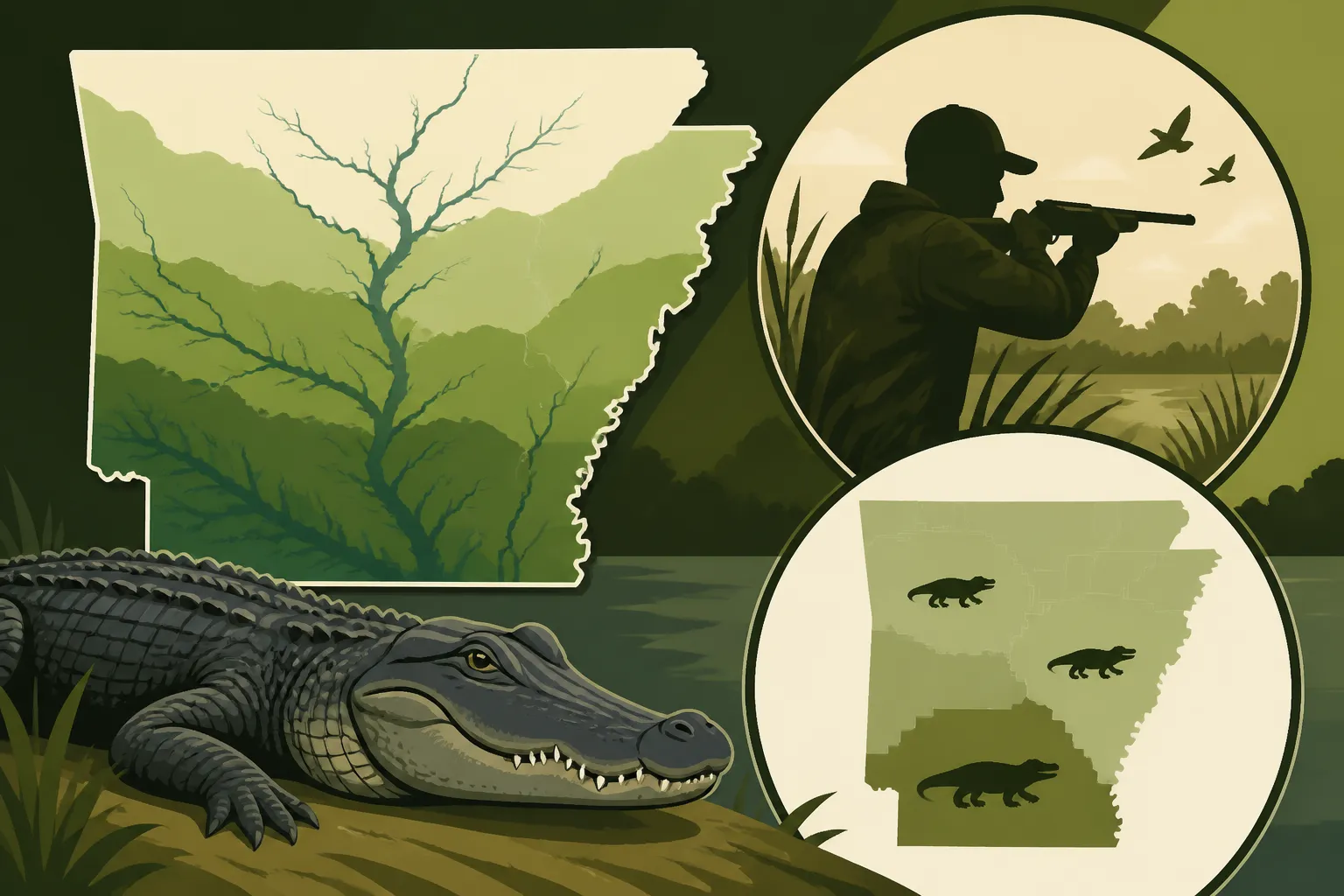
The vast majority of Arkansas's alligator population resides in the southern and eastern portions of the state, primarily within the rich, water-logged landscapes of the Mississippi Alluvial Plain (what we often call the Delta) and the Gulf Coastal Plain. These areas are veritable alligator paradises, characterized by an abundance of slow-moving water, dense vegetation, and a warm climate. Think of places like the vast bottomland hardwood forests, cypress-tupelo swamps, oxbow lakes, river backwaters, and an intricate network of bayous and ditches.
Iconic locations such as the Dale Bumpers White River National Wildlife Refuge, the Cache River National Wildlife Refuge, and large Wildlife Management Areas like Felsenthal National Wildlife Refuge are prime alligator country. These refuges and WMAs are managed specifically to maintain healthy wetland ecosystems, which directly benefits alligator populations. For instance, Felsenthal Refuge Hunting Rules show how public lands in these areas are managed for diverse wildlife, including alligators. The plentiful water, often shallow and warm, provides ideal basking spots and hunting grounds, while the thick cover offers sanctuary. If you are ever hunting or fishing in these regions, particularly around the Saline, Ouachita, Black, and White River systems, keep an eye out for these stealthy reptiles. Similarly, areas covered under Overflow Refuge Hunting Access are perfect examples of key habitat.
Occasional Sightings Further North
While their stronghold is undeniably the southern and eastern lowlands, it's not unheard of for alligators to make appearances further north or west. These instances are typically of transient individuals, often sub-adult males, venturing out in search of new territory or food sources, especially during periods of high water or warmer temperatures. They might follow river systems like the Arkansas River far upstream.
However, it's crucial to understand that these northern sightings are generally not indicative of established, breeding populations. The colder winters, faster-flowing waterways, and different habitat structures of regions like the Ozark and Ouachita mountains simply aren't suitable for alligators to thrive long-term. An alligator spotted near Little Rock or further up the Arkansas River (you might explore Arkansas River Navigation Pool Access for areas they could travel) is usually a lone traveler, not a sign that they've permanently moved in. Their preference for warm, stable wetland environments means these sporadic northern visits are usually short-lived.
Here's a quick look at typical alligator presence across different Arkansas regions:
| Region | Primary Habitat Types | Alligator Presence | Notes |
|---|---|---|---|
| Arkansas Delta | Flooded timber, oxbow lakes, river backwaters, rice fields | Abundant | Core habitat, highest densities, key breeding areas |
| Gulf Coastal Plain | Swamps, bayous, slow-moving rivers, timbered wetlands | Common | Significant populations, especially in SW and South-Central Arkansas |
| Arkansas River Valley | Main river channel, tributary sloughs, reservoirs | Occasional | Transient or isolated individuals, less common, often non-breeding |
| Ouachita Mountains | Cooler, faster-flowing streams, clear lakes | Rare | Extremely uncommon, generally unsuitable for sustained populations |
| Ozark Mountains | Cooler, faster-flowing streams, clear lakes | Rare | Highly unlikely to find alligators, unsuitable habitat and climate |
Arkansas Alligator Population Estimates and Management
Thanks to dedicated conservation efforts and natural factors, Arkansas's alligator population is not just stable but thriving. This success allows for careful management, including limited hunting opportunities, while ensuring the species continues to prosper.
Counting the Silent Hunters
Surveying alligator populations is a complex undertaking. Unlike deer or turkeys, which can often be counted from aerial surveys or through hunter observation reports, alligators are masters of stealth. They spend much of their lives submerged or hidden in dense vegetation. The Arkansas Game and Fish Commission (AGFC) relies on various methods, primarily night counts, where biologists traverse waterways using spotlights to count glowing red eyes. They also conduct nest surveys to gauge reproductive success. These methods provide valuable data to estimate population trends.
The good news is that these surveys consistently show a healthy and robust alligator population in Arkansas, particularly in their southern and eastern strongholds. While specific numbers fluctuate, the overall trend has been one of significant growth since their protection. It's a true success story for wildlife management. If you're looking for detailed species information to understand population trends, resources like GoHunt can provide valuable data and historical context for many game animals, including alligators. Knowing that these populations are monitored carefully gives us confidence in their future. Arkansas Alligator Population Today offers a more detailed look at the current status.
Balancing Conservation with Controlled Harvest
The strong recovery of the alligator population in Arkansas has allowed the AGFC to implement a highly regulated, limited hunting season. This isn't about reducing numbers because they're overpopulated; it's about managing a healthy species sustainably and offering a unique hunting experience. These controlled harvests help maintain public support for a species that some still view with apprehension, and it provides valuable data for biologists.
Hunters wishing to pursue an alligator in Arkansas must apply for a permit through a lottery system. This ensures that only a small, predetermined number of alligators are harvested each year, preventing any negative impact on the overall population. The process is competitive, reflecting the unique opportunity it represents. For hunters interested in the permit draw, understanding the success rates and application windows is crucial, and platforms like GoHunt often compile this kind of detailed application information. It's a draw that many aspire to, and successfully drawing a tag is a huge achievement. Details on the process, including Arkansas Alligator Permit Draw and Arkansas alligator permit cost, are vital for hopeful hunters. Also, be sure to check the Arkansas alligator season dates for current hunting periods.
Interactions with Humans and Wildlife
With a healthy and expanding alligator population, it's natural for interactions with humans to increase, particularly in prime alligator habitat. It's important for residents and visitors alike to exercise caution and respect when in alligator country. This means never feeding alligators (it makes them lose their natural fear of humans), keeping pets on a leash, and maintaining a safe distance. Most alligator incidents occur when people provoke them or treat them as docile creatures.
Beyond human interaction, alligators play a vital role in their ecosystems. As apex predators, they help regulate the populations of various other species, from fish and snakes to muskrats and birds. They are also ecosystem engineers, as mentioned earlier, with "gator holes" providing critical water sources for other animals during dry spells. Understanding their place in the food web helps us appreciate their importance. If you ever encounter an alligator acting unusually or appearing sick, it's important to know how to Reporting a Sick Animal in Arkansas to the appropriate authorities, as healthy populations are key to a balanced ecosystem. Remember, while they are powerful, they are also a Protected Species in Arkansas Hunting Country, meaning strict rules govern how you can interact with them.
The Future of Alligators in the Natural State
The story of the American alligator in Arkansas is a resounding success, but it's not a story with an end. Ongoing efforts are crucial to ensure these magnificent reptiles continue to thrive for generations to come.
Ongoing Conservation Efforts
The Arkansas Game and Fish Commission, along with other conservation partners, remains committed to the long-term health of the state's alligator population. This includes continued monitoring through surveys, habitat preservation, and wetland restoration projects. Protecting and enhancing the vast network of swamps, bayous, and oxbows in the Delta and Gulf Coastal Plain is paramount, as these are the lifeblood of alligator country. Education and public awareness campaigns also play a key role, helping people understand how to coexist safely and respectfully with alligators.
It's a continuous process of management and adaptation. Changes in water levels, human development, and even factors like Arkansas Wildlife Disease Monitoring can all influence alligator health and distribution. Conservation efforts are ongoing, and understanding the nuances of habitat health and species interaction is key for anyone following wildlife trends, something that detailed mapping features on GoHunt might illustrate.
Adapting to a Changing Landscape
Alligators are incredibly adaptable creatures, having survived for millions of years. However, they are not immune to the impacts of a changing world. Climate shifts, altered hydrological regimes (how water flows and collects), and continued human development pose challenges. For instance, extensive wetland drainage or prolonged droughts could impact their prime habitats. However, their ability to seek out new water sources and their resilience in fluctuating environments gives them a good chance.
The long-term outlook for alligators in Arkansas remains positive, largely due to strong management practices and the vast, suitable habitat that much of the state's southern and eastern regions provide. As long as we continue to value and protect these unique environments, Arkansas will remain a vital part of the American alligator's range, allowing future generations to marvel at these living dinosaurs in the wild.
Disclaimer
This article is for general informational purposes only and does not constitute professional advice. Laws, prices and regulations vary by location and change over time. Consult a qualified professional for guidance on your specific situation.