What Guided Deer Hunts Cost in Arkansas
Hunting in Arkansas can be an incredibly rewarding experience, especially when you're pursuing a whitetail buck. However, if you're considering a guided deer hunt, one of the biggest questions that probably weighs on your mind is, "What's this actually going to cost me?" It's not always easy to get a clear answer, and the sticker shock can be real if you don't know what to expect. This guide is here to demystify the pricing of guided deer hunts in the Natural State, helping you understand the variables so you can plan your adventure without unwelcome surprises.
Understanding the Factors Influencing Cost
The price tag on an Arkansas guided deer hunt isn't just pulled out of thin air. Several key factors come into play, each contributing to the overall cost. Thinking about these elements upfront can help you align your expectations with your budget, ensuring you find a hunt that's right for you. It’s like buying a new truck – you can get a basic work truck, or you can get one loaded with all the bells and whistles, and the price reflects those choices.
Hunt Type Fully Guided Versus Semi-Guided
One of the most significant distinctions you'll encounter when looking at guided deer hunts is whether it's a "fully guided" or "semi-guided" experience. A fully guided hunt is often what people envision when they think of an outfitter. With this option, your guide is typically with you, or very close by, throughout the actual hunting process. They might lead you to a stand, help with tracking, assist with calling, or even accompany you in the blind. This level of personalized attention and direct assistance naturally comes at a higher price point. It’s like having a personal trainer for your hunt.
On the other hand, a semi-guided hunt usually provides a base camp, lodging, and meals, and the outfitter will often scout and drop you off at pre-determined locations. They'll give you maps, offer advice on where the deer are moving, and help you recover your animal after the shot. However, the actual time in the stand or blind is often spent solo or with your hunting partners, without a guide right there with you. This can be a great option for experienced hunters who appreciate the logistics handled but prefer to make their own in-field decisions, and it generally costs less than a fully guided experience. It's a fantastic middle ground if you want some support without the full hands-on approach.
Duration and Inclusions Days, Meals, and Lodging
The length of your hunt directly impacts the cost. A quick one or two-day hunt will naturally be less expensive than a five or seven-day adventure. Most outfitters offer packages that include a certain number of hunting days, often with arrival the evening before and departure the morning after your final hunt. The more days you book, the more opportunities you have to pursue a deer, but also the more resources the outfitter needs to provide, such as food and lodging.
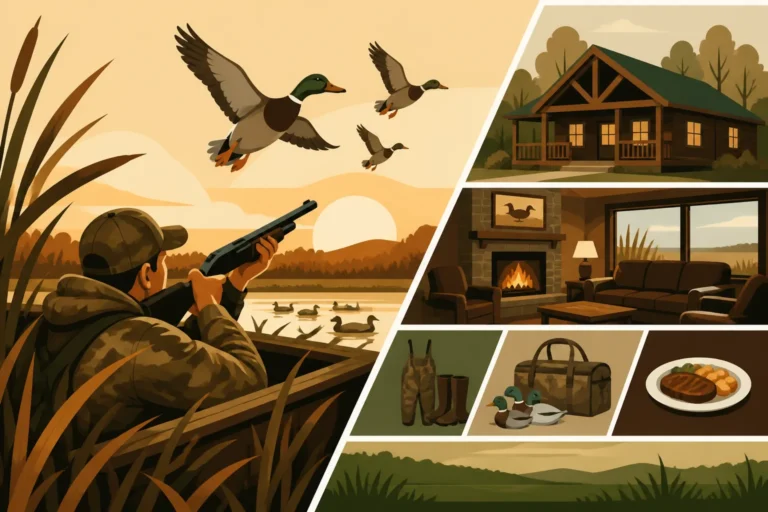
Speaking of lodging and meals, these are often bundled into the package price, especially for multi-day hunts. The quality and type of accommodation can vary wildly, from rustic cabins to full-service lodges with private rooms and gourmet meals. Some outfitters might include three meals a day, while others might provide a continental breakfast and dinner, with hunters responsible for their own lunch or snacks in the field. Carefully review what’s explicitly stated in the package description. If a package seems unusually cheap, it might be because it doesn't include meals, or the lodging is very basic.
Location and Game Quality Delta Versus Ozarks, Trophy Versus Management
Arkansas offers a diverse landscape for deer hunting, from the fertile agricultural lands of the Delta to the rugged, timbered hills of the Ozark and Ouachita Mountains. Each region presents different hunting challenges and opportunities, and these differences can influence pricing. Hunts in the Delta, particularly those targeting areas known for producing large, mature bucks, might command a premium. Land in these highly desirable areas, often near food sources like corn and soybean fields, can be very expensive for outfitters to lease or own, and that cost is naturally factored into the hunt price. You can learn more about Where Arkansas's Biggest Bucks Come From if a trophy is your main goal.
Furthermore, some outfitters specialize in "trophy hunts," where the primary goal is to harvest a mature, high-scoring buck. These hunts might involve stricter harvest rules, more intensive scouting, and often higher success rates on bigger deer, all of which contribute to a higher price. Other outfitters might offer "management hunts" or "doe hunts" at a lower price point, focusing on helping landowners manage their deer population or simply providing an opportunity to harvest venison. Always be clear with the outfitter about your hunting goals and expectations, as this will help them recommend the right type of hunt and avoid any misunderstandings about the trophy potential of the area. Factors like The Arkansas Three-Point Rule can also influence what constitutes a "legal" buck in certain zones, which outfitters must adhere to.
Typical Price Ranges for Arkansas Guided Deer Hunts
It’s hard to give exact figures because prices can shift, but I can certainly lay out a general framework for what you might encounter when looking at guided deer hunts here in Arkansas. Just like booking a fishing charter, you’ll find a spectrum from budget-friendly trips to luxury experiences, and the price will reflect that. Always remember to check with individual outfitters for their most current pricing.
Budget-Friendly Options
If you’re looking to get your feet wet with a guided hunt or keep costs down, you can usually find more affordable options. These might include semi-guided hunts, shorter duration trips (think 2-3 days), or hunts focused on general harvest rather than strictly trophy animals. Prices for these types of hunts might start around what you'd pay for a nice weekend getaway, covering basic lodging, some meals, and access to good hunting ground with advice on stand locations.
Often, these budget-friendly hunts are on smaller, well-managed tracts, or they might be offered during less popular times of the season, like the very early archery days or the tail end of modern gun season. Don't mistake "budget-friendly" for "bad hunting." Many fantastic, hard-working outfitters offer excellent opportunities at a more accessible price point. They might not have the sprawling lodge or the gourmet chef, but they know their land and put hunters in good positions. You might also find day-hunt opportunities without lodging for a lower rate if you live locally or prefer to arrange your own accommodations.
Mid-Range Experiences
Stepping up a bit, mid-range guided deer hunts in Arkansas offer a solid balance of service, comfort, and hunting opportunity. These often include 3-5 day packages, comfortable lodge accommodations (though perhaps not luxurious), and hearty, home-cooked meals. You’ll typically get a mix of fully-guided and semi-guided support, with guides actively involved in scouting, stand placement, and game recovery. These hunts are usually on larger leases or private land known for consistent deer populations and the potential for quality bucks.
Outfitters in this range often have a strong track record and focus on providing a well-rounded experience. You're paying for their expertise, their investment in quality properties, and the convenience of having most of the logistics handled for you. Many hunters find this price tier to be the sweet spot, offering a high-quality hunt without breaking the bank. It's where you get good value for your dollar without feeling like you're roughing it. You're likely to find these options covering a good portion of the main season, offering flexibility in dates.
Premium and Trophy Hunts
At the higher end of the spectrum are premium and dedicated "trophy" deer hunts. These are designed for hunters whose primary goal is to pursue a truly exceptional buck, often with specific antler score aspirations. These hunts come with a higher price tag because they typically involve exclusive access to prime, intensely managed private land, expert guides with extensive knowledge of individual deer movements, and top-tier accommodations and amenities. Think luxury lodges, gourmet food, and often one-on-one guide service.
These hunts often require significant investment from the outfitter in terms of habitat management, food plots, supplemental feeding (where legal), and intense scouting efforts, all geared toward growing and holding mature deer. The success rates on large, mature bucks tend to be higher with these outfitters, although no hunt can ever guarantee a trophy. They might also offer specialized hunts, such as those during the peak rut in a specific zone, which can be highly sought after. If you're dreaming of a record-book buck and have the budget to match, this is where you'd be looking.
Here's a general idea of how these tiers might shake out:
| Hunt Type Category | Typical Duration | Guide Level | Inclusions (Common) | Estimated Cost Shape (Check Current Rates) |
|---|---|---|---|---|
| Budget-Friendly | 1-3 Days | Semi-Guided | Basic lodging, some meals, access | Entry-level pricing |
| Mid-Range | 3-5 Days | Semi to Fully | Comfortable lodging, good meals, guide support | Moderate pricing |
| Premium/Trophy | 4-7 Days | Fully Guided | Luxury lodging, gourmet meals, dedicated guide, prime land | Significant investment |
What's Usually Included and Not Included in the Price
One of the most important things to clarify before booking any guided hunt is exactly what your money covers. Misunderstandings here can lead to unexpected costs and frustration during your trip. A little upfront research and direct communication can save you a lot of headaches later on. Knowing what's standard and what's extra helps you budget accurately.
Standard Inclusions Guide, Lodging, Meals
For most multi-day guided deer hunts in Arkansas, you can reasonably expect the core elements to be included in your package price. This usually means your guide service, whether it’s fully or semi-guided, is part of the deal. They’ll be there to help you navigate the property, offer advice, and assist with field dressing and recovery. This is the expertise you’re primarily paying for when you book a guided experience.
Lodging is almost always included for multi-day trips. This could range from a bunkhouse in a rustic cabin to a comfortable room in a modern lodge. Similarly, meals are often provided, typically breakfast, lunch, and dinner, especially in more remote settings where dining options are limited. Some outfitters really pride themselves on their home-cooked meals, making the dining experience a memorable part of the trip. Always confirm the specifics of the meals – what kind, how many, and if snacks or beverages are also part of the package. It's often spelled out in the 'What's usually included' section of an outfitter's offering, like those found on platforms such as GoHunt or BookYourHunt.
Common Exclusions Licenses, Tags, Processing, Taxidermy, Tips
While the core hunt elements are usually covered, there's a list of crucial items that are almost universally not included in the outfitter's price. First and foremost are your hunting licenses and deer tags. You are responsible for purchasing these yourself, and the cost will vary based on your residency status (Arkansas resident vs. nonresident) and the specific tags you need for the season and zone you're hunting. Make sure you understand the requirements for Arkansas Hunting Licenses and What They Cost and Arkansas Deer Bag Limits by Zone well in advance. These can often be purchased online through the Arkansas Game and Fish Commission website.
Another significant exclusion is game processing. After you harvest a deer, the outfitter might assist with field dressing, but taking the animal to a processor for butchering, packaging, and freezing is typically your responsibility and an additional cost. The same goes for taxidermy if you plan to get a mount. You'll need to arrange for a taxidermist, either locally or back home, and cover those fees. Finally, tipping your guides and any lodge staff is a customary practice and an essential part of the overall cost. While not mandatory, it's a way to show appreciation for their hard work and service. We'll delve a bit more into Tipping Guides and Dog Handlers in a later section, but it's important to budget for it.
Hidden Costs to Anticipate
Beyond the obvious exclusions, there can be a few "hidden" costs that sneak up on unsuspecting hunters. Travel expenses to and from the lodge, including fuel, flights, or rental cars, are entirely on you. You'll also need to consider your personal gear – ammunition, hunting clothing, boots, and any specialized equipment like binoculars or rangefinders. While you likely already own most of this, wear and tear or the need for new items can add up.
Don't forget about incidentals like snacks, drinks, souvenirs, or any personal items you might need during your stay. If you're hunting in particularly warm weather, you might also need to budget for extra ice or a cooler if you plan to transport your deer meat home yourself before it goes to a processor. Sometimes, an outfitter might offer additional services like airport pickup or extra game care (like caping a trophy buck) for an additional fee, so always ask about these possibilities if they're important to you. It's all part of understanding What an Arkansas Hunt Price Includes.
Finding and Vetting Arkansas Deer Outfitters
Once you have a clearer picture of what different hunt types entail and what they might cost, the next step is finding a reputable outfitter and ensuring they're a good fit for your hunting style and expectations. This isn't just about price; it's about trust and making sure you'll have a safe and enjoyable experience.
Researching Reputable Outfitters
The internet is your best friend when it comes to starting your search for Arkansas deer outfitters. Many hunters begin their journey on dedicated booking platforms and directories like BookYourHunt or GoHunt. These sites often list multiple outfitters, provide details on their packages, show photos of their lodges and past harvests, and sometimes even include client reviews. This can be a great starting point to get a broad overview of available options across different regions of Arkansas.
Beyond these platforms, make sure to visit the individual outfitter's website. A professional and informative website is often a good sign. Look for details about their property, hunting methods, guide experience, and specific package offerings. Pay attention to how current their information is, and whether their harvest photos are recent. Social media pages can also offer valuable insights into their operations and provide a more candid look at daily life at the lodge, showing recent hunting successes and the general atmosphere.
Questions to Ask Before Booking
Once you've narrowed down a few potential outfitters, it's time to pick up the phone and have a direct conversation. This is your opportunity to ask all the burning questions and clarify any uncertainties. Don't be shy; a good outfitter will be happy to answer. Here's a table of essential questions to consider:
| Category | Key Questions to Ask |
|---|---|
| Hunt Details | What type of hunt is it (fully/semi-guided)? |
| What's the typical guide-to-hunter ratio? | |
| How many hunting days are included? | |
| What are the specific deer harvest regulations (e.g., Arkansas Deer Zone Boundaries, Arkansas Deer Seasons and Zone Limits)? | |
| Are there antler restrictions (e.g., The Arkansas Three-Point Rule)? | |
| Property/Game | How many acres do you hunt? Is it private or leased land? |
| What's the typical size/age class of bucks harvested? | |
| What kind of habitat will we be hunting (timber, fields, etc.)? | |
| What are your scouting methods? | |
| Inclusions | What exactly is included in the price (lodging, meals, drinks, transportation)? |
| What is not included (licenses, processing, taxidermy, tips)? | |
| Is there a discount for groups or non-hunting guests? | |
| Logistics | What is the nearest major airport if flying? |
| What's the check-in/check-out time? | |
| What gear should I bring? | |
| What happens if I harvest a deer early? | |
| References | Can you provide references from past hunters? |
| How long have you been in business as an outfitter? |
Asking for references is crucial. A reputable outfitter should be happy to provide contact information for past clients. Take the time to call these references and ask them about their experience, including the good and the bad.
Contract and Deposit Considerations
Before you send any money, ensure you receive a clear, written contract or booking agreement from the outfitter. Read this document thoroughly. It should clearly outline the hunt dates, the exact services included, the total cost, payment schedule, deposit amount, and cancellation policy. Pay close attention to the cancellation policy – what happens if you need to cancel, or if the outfitter has to cancel due to unforeseen circumstances (like extreme weather or natural disaster)?
Most outfitters require a deposit to secure your hunt dates, often a percentage of the total cost. Understand whether this deposit is refundable or transferable if plans change. Never pay the full amount upfront unless it's a very short-notice booking or a small local operation you know well. A clear contract protects both you and the outfitter and prevents any last-minute surprises or disagreements. If anything in the contract seems unclear or unfair, don't hesitate to ask for clarification or negotiation before you sign.
Making the Most of Your Investment
Booking a guided hunt is an investment, both in terms of money and your valuable time off. You want to make sure you get the absolute most out of that experience. It's not just about the moment of the shot, but the entire adventure from start to finish.
Maximizing Your Hunt Days
To truly maximize your investment, arrive prepared and ready to hunt hard from day one. This means being in good physical condition, especially if you're hunting in the more rugged terrain of the Ozarks or Ouachitas, where you might be doing a lot of walking or still-hunting. Pay attention during the pre-hunt briefing. Your guide will share crucial information about deer movement, stand locations, and any specific rules for the property. Don't be afraid to ask questions.
Stay disciplined in the stand or blind. Resist the urge to check your phone constantly or move around excessively. The more focused and still you are, the better your chances. If you're on a semi-guided hunt, use the provided maps and information to plan your strategy. Consider scouting tactics like those described in Scouting Arkansas Public Land Before Season even if you're on private land, to understand how deer might be moving through the area. Take advantage of all legal hunting hours, from first light to last light, as these transitional times are often when deer are most active.
Budgeting Beyond the Outfitter Fee
As we discussed, the outfitter fee isn't your only expense. Creating a comprehensive budget that includes all potential costs will prevent financial stress during or after your trip. This should cover your hunting license and tags, travel expenses (fuel, flights, hotels if needed before/after the hunt), ammunition, any new gear you might need, and, critically, the cost of game processing and taxidermy.
Don't forget to factor in gratuities for your guide and any lodge staff. A general guideline for guides is often 15-20% of the hunt cost, but this can vary based on the service received and your satisfaction. Lodge staff, cooks, and cleaners also appreciate tips for their hard work. Having a contingency fund for unexpected expenses – a flat tire, a forgotten item you need to buy, or an extra night's stay due to travel delays – is also a smart move.
Preparing for Your Arkansas Deer Hunt
Preparation truly is key to a successful and enjoyable guided hunt. Beyond financial planning, make sure your gear is in top shape. Test your rifle or bow well in advance of your trip, ensuring it's sighted in and you're comfortable and confident with your shots. If you're heading out during Bowhunting Arkansas's Five-Month Archery Season, practice your shooting from various positions, including from an elevated stand if that's how you'll be hunting. For Arkansas Modern Gun Deer Hunting, ensure your firearm is clean and functioning perfectly.
Research the weather patterns for the time of year you'll be hunting in Arkansas. Early season hunts can be quite warm, so prepare for Bowhunting Arkansas in September Heat or for Field Dressing in Arkansas Heat if you harvest early. Later season hunts can bring colder temperatures and rain. Pack appropriate layers of clothing, including good waterproof gear. Inform your outfitter of any dietary restrictions or medical conditions well in advance. The more prepared you are, the more you can relax and focus on the hunt itself, making the most of every moment of your Arkansas deer hunting adventure.
Disclaimer
This article is for general informational purposes only and does not constitute professional advice. Laws, prices and regulations vary by location and change over time. Consult a qualified professional for guidance on your specific situation.