Turkey Hunts in the Ouachitas With a Guide
Hunting wild turkeys in the rugged beauty of Arkansas's Ouachita Mountains can be an incredibly rewarding experience, but it also presents a unique set of challenges. The vast, often steep, and heavily timbered terrain can be disorienting for even seasoned hunters, making it tough to locate and close the distance on those notoriously wary gobblers. This comprehensive guide will walk you through everything you need to know about choosing a guided turkey hunt in the Ouachitas, helping you understand the benefits, what to expect, and how to pick the right outfitter to make your dream hunt a reality.
Why Choose a Guided Turkey Hunt in the Ouachitas?
Let's face it, turkey hunting in the Ouachitas isn't like strolling through a manicured field. It's a demanding pursuit that requires specific knowledge, endurance, and a keen understanding of the terrain and the birds that call it home. For many, especially those new to the region or without extensive scouting time, a guided hunt simply levels the playing field and dramatically increases the odds of success and enjoyment.
Navigating the Rugged Terrain
The Ouachita National Forest is a sprawling expanse of mixed pine and hardwood forests, characterized by steep ridges, deep hollows, and countless drainages. It's beautiful, no doubt, but it can be downright intimidating if you're not familiar with its nuances. One moment you're on a relatively flat bench, the next you're staring down a near-vertical slope. This isn't flat Delta country; it's a constant up-and-down trek that can quickly wear you out and make you second-guess your navigation skills.
A good Ouachita turkey guide lives and breathes this landscape. They know the subtle changes in elevation that create natural travel corridors for gobblers. They understand how thermal currents rise and fall with the morning and evening sun, dictating where a bird might roost or strut. Trying to figure this out on your own, particularly on public land, can chew up days of hunting time with little to show for it but sore legs and frustration. The guide takes that burden off your shoulders, leading you confidently through country that might otherwise feel impenetrable. They can take you right to the edges of areas where Hunting Turkeys in Ouachita Pine is productive, or where specific terrain features make a setup perfect.
Locating Elusive Gobblers
Wild turkeys are notoriously wary, and Ouachita gobblers are no exception. They have vast areas to roam, and finding that one hot bird among miles of timber can feel like searching for a needle in a haystack. This is where the guide's pre-season scouting and intimate knowledge of local turkey populations truly shines. They've spent countless hours before the season listening for distant gobblers, checking for fresh sign like droppings and strut marks, and identifying consistent roosting areas.
Outfitters often manage access to private land or have thoroughly scouted specific public tracts within the Ouachitas, giving them a significant advantage. They know where birds typically feed, where they like to strut for hens, and their preferred travel routes between roosting and feeding sites. This isn't just guesswork; it's accumulated wisdom from years of hunting the same ground. Instead of blindly walking and calling, hoping to strike a bird, a guide can put you in a prime position before daylight, listening for that first morning gobble, or lead you straight to a known strut zone. This focused effort means you spend less time wandering aimlessly and more time actively hunting.
Maximizing Your Chances
Beyond just finding a bird, the real art of turkey hunting lies in calling them into range and setting up for a shot. Guides are masters of the full range of turkey vocalizations, knowing exactly which calls to use, when to use them, and how aggressively to call based on the bird's mood and location. They understand that a soft purr can sometimes be more effective than a thunderous yelp, especially when dealing with pressured birds. Calling Arkansas Gobblers in the Ozarks involves nuanced understanding, and a guide brings that expertise to your hunt.
Furthermore, a guide can expertly handle decoy placement, crucial for drawing in a cautious gobbler. They'll know the ideal distance, angle, and type of decoy (hen, jake, or both) to deploy to present a realistic scenario without spooking the bird. They'll also be watching for the bird's approach, ready to whisper instructions or adjust the setup as needed. Imagine a gobbler hung up at 100 yards, just out of range. A guide's subtle adjustments to calling, or knowing when to hold silent, can be the difference between a missed opportunity and a bird in hand. They also help with the less glamorous but equally important tasks like deciding when and how to move on a bird that has hung up, or executing a silent repositioning when the situation calls for it, which can be critical for success.
What to Expect from a Guided Ouachita Turkey Hunt
So, you've decided a guided hunt is the way to go. That's fantastic! But what does a typical day look like? What gear do you need to pack? And what about the creature comforts after a long day in the woods? Knowing these details upfront can help you prepare mentally and physically for the adventure.
Typical Hunt Structure
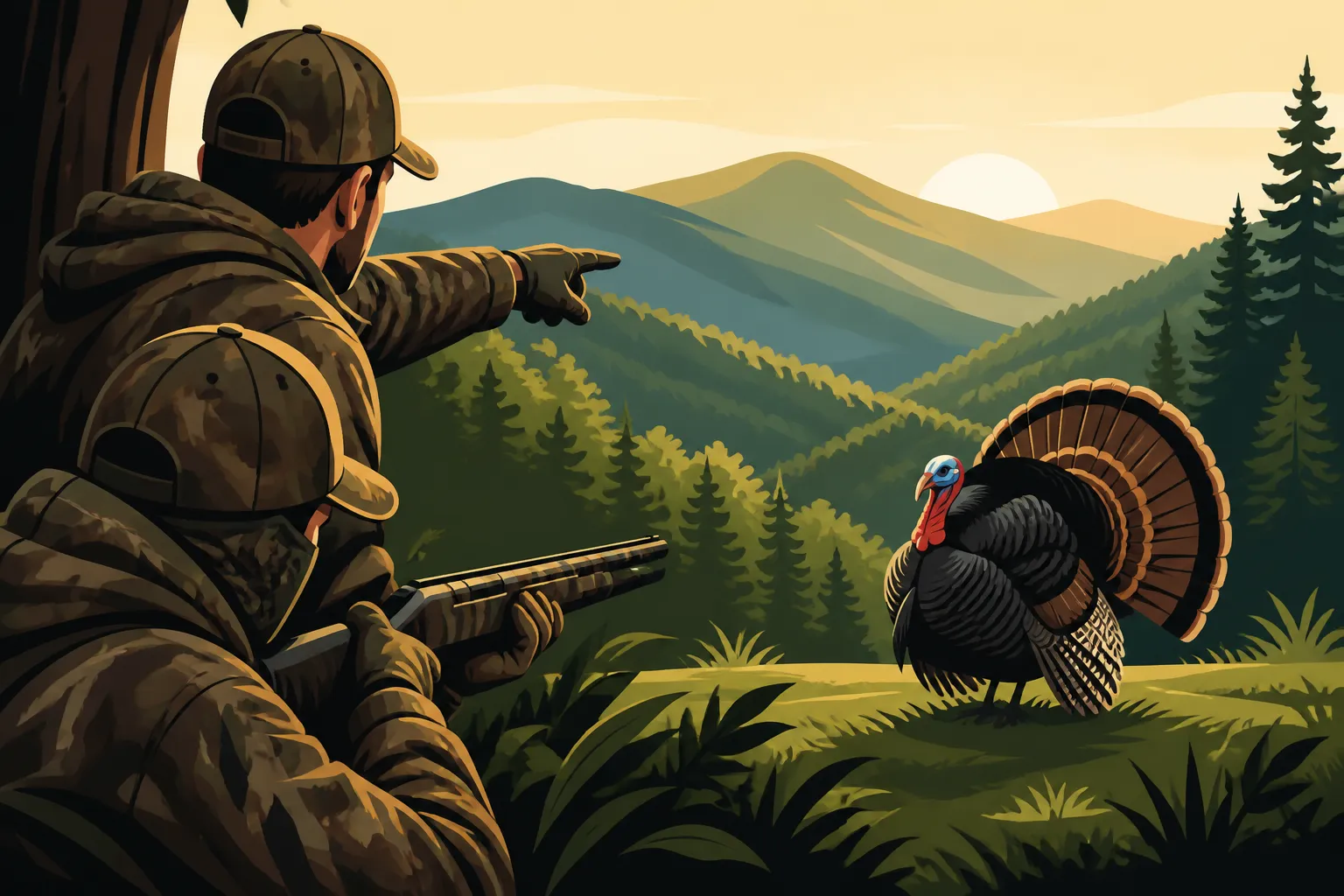
A guided turkey hunt in the Ouachitas is all about those magical dawn and dusk moments. You'll likely be up well before the sun, grabbing a quick breakfast, and heading out to a pre-scouted location before the birds even think about leaving their roosts. The guide will lead you to a strategic spot, often a ridge point or a hollow edge, where you can listen for gobblers sounding off from the treetops. Setting up against a large tree, like a strong Setting Up Against a White Oak, that breaks up your silhouette is common practice.
Once a bird is located, the real game begins. This could involve a patient wait, soft calling, and strategic repositioning to get closer. You might spend a portion of the morning working a single bird, trying to coax him in. If that gobbler stays silent or hangs up, the guide might suggest a "run-and-gun" approach, moving through the woods, stopping to call, and listening for a response. Run-and-Gun on Arkansas Public Land is a valid strategy when birds are spread out or quiet. Depending on the outfitter, the hunt might conclude mid-morning, with a break for lunch and relaxation, or continue into the afternoon if birds are active, especially during the prime Hunting the Peak Rut Week in Arkansas. Some guides will hunt all day, adapting tactics to the time of day, knowing that a lone gobbler might be more responsive in the quiet afternoon hours after the hens have left him.
Gear and Logistics
The Ouachita Mountains demand durable gear. Your guide will provide essential items like calls and possibly decoys, but you're responsible for your personal hunting equipment. Think rugged, layered clothing suitable for fluctuating temperatures—mornings can be chilly, but midday hikes can warm up fast. Good quality, broken-in hiking boots with ankle support are non-negotiable; you'll be covering varied terrain. A comfortable vest or backpack with plenty of water and snacks is also crucial. Shotgun choice is personal, but a 12-gauge or 20-gauge loaded with appropriate turkey shells is standard. You'll need to know your gun's pattern and effective range before you arrive.
Don't forget the small but mighty details: headlamp for those pre-dawn walks, insect repellent (ticks and chiggers are real!), and a small first-aid kit. Communication with your guide beforehand is key here. They can advise on specific gear recommendations based on the current weather forecast and their hunting style. Remember, physical fitness is also a factor. While guides will work with your capabilities, being able to walk several miles over hilly terrain will significantly enhance your experience and increase your opportunities.
Accommodation and Meals
Outfitters typically offer a range of accommodation options, from rustic cabins to more comfortable lodges. Some guides might simply meet you at a pre-arranged spot each morning, leaving you to book your own lodging in a nearby town. Others provide an all-inclusive experience with meals, comfortable beds, and a place to unwind after the hunt. This is where it's important to clarify what's included in the package price.
If meals are provided, expect hearty, hunter-friendly fare designed to fuel you for long days in the woods. Breakfast might be on the go, with packed lunches for the field, and a warm dinner awaiting you back at camp. If lodging isn't included, you'll need to factor in hotel costs and plan your own meals. Always confirm these details with your potential outfitter before booking. Some lodges provide basic amenities like bird cleaning stations, while others might direct you to local processors. Understanding these aspects helps manage expectations and ensures a smoother, more enjoyable trip.
Finding and Booking Your Ouachita Turkey Guide
Once you've decided that a guided hunt is for you, the next step is finding the right outfitter. This isn't a decision to rush; a good guide can make your hunt, while a poor one can sour the experience. Diligent research and clear communication are your best tools.
Researching Outfitters
Start by looking for guides specifically specializing in turkey hunting in the Ouachita Mountains. General deer guides might not have the specific expertise for turkeys in this challenging region. Online platforms can be incredibly helpful resources. Sites like BookYourHunt often list various outfitters with client reviews, allowing you to compare services and read firsthand accounts. Another excellent resource is GoHunt, which can provide broader insights and connections to reputable operations. Don't just look at the star ratings; read the detailed comments. Look for themes: are clients praising the guide's knowledge, calling ability, effort, and ethical practices?
When you find potential guides, reach out to them directly. Ask specific questions: How many years have they been guiding turkey hunts in the Ouachitas? What is their typical success rate? What kind of land do they hunt (public, private, leased)? How many hunters do they take at once? And perhaps most importantly, ask for references from past clients—and follow up on those references. A reputable outfitter will be happy to provide them. Speaking to previous clients gives you invaluable insight into the guide's personality, hunting style, and whether their promises align with the actual experience. For instance, inquiring about the guide's preferred tactics, such as those covered in Turkey Tactics for Delta Field Edges, will clarify if their approach aligns with your own hunting philosophy, even if Delta tactics differ from the Ouachitas.
| Feature | DIY Ouachita Turkey Hunt | Guided Ouachita Turkey Hunt |
|---|---|---|
| Local Knowledge | Requires extensive personal scouting and experience. | Guide provides expert knowledge of terrain and bird movement. |
| Time Investment | Significant time spent on scouting, planning, and navigation. | Guide handles scouting and logistics; maximizes hunting time. |
| Success Rate | Varies greatly based on hunter skill, knowledge, and luck. | Generally higher due to guide's expertise and preparation. |
| Physical Demand | Often higher as hunter navigates unfamiliar terrain solo. | Still demanding, but guide optimizes routes and effort. |
| Gear Provided | Hunter provides all gear, including calls and decoys. | Guide typically provides calls and decoys; hunter brings personal gear. |
| Learning Curve | Steep for newcomers to the region or turkey hunting. | Accelerated learning through direct guidance and instruction. |
| Cost | License, gear, travel, lodging, food. | All DIY costs, plus guide fees, often includes lodging/meals. |
| Flexibility | High; complete control over schedule and tactics. | Moderate; follows guide's plan, but often with consultation. |
Understanding Contracts and Costs
Once you've narrowed down your choices, you'll need to discuss the financial aspects and booking terms. Guide fees vary widely based on the duration of the hunt, what's included (lodging, meals, bird cleaning), and the outfitter's reputation. Don't be shy about asking for a clear breakdown of costs. This is also where you’ll need to understand the Arkansas Hunting Licenses and What They Cost and ensure you have all the necessary permits and tags before your trip.
Most outfitters require a deposit to secure your booking, with the balance due closer to the hunt date. Understand their cancellation policy thoroughly. What happens if you have to cancel? What if they have to cancel due to unforeseen circumstances like severe weather or illness? Reputable outfitters will have these terms clearly outlined in a contract. Beyond the base fee, remember to budget for potential extras like gratuities for your guide and any lodge staff, game processing, and taxidermy. While specific numbers can vary, getting a realistic understanding of "what a day of guided ducks costs" or a guided turkey hunt helps you budget properly. A common question hunters have is how many birds they are allowed to take. Be sure to confirm the Arkansas Turkey Bag Limit and daily limits with your guide, and remember that these limits apply regardless of how many birds the outfitter might claim.
Pre-Hunt Communication
After booking, maintaining open communication with your guide is vital. Don't wait until you arrive to discuss important details. Talk about your physical capabilities and any limitations you might have. Are you comfortable with long hikes up steep hills, or would you prefer more accessible terrain? Discuss your hunting style and preferences. Do you like aggressive calling, or a more subtle approach? Do you prefer to sit tight or to be on the move?
Clarifying these points ahead of time allows the guide to tailor the hunt to your expectations and ensure you have the best possible experience. They can also advise on specific gear to pack based on current weather conditions or even recommend a specific choke and load for your shotgun based on their experience with Ouachita gobblers. The more information you share, and the more questions you ask, the better prepared both you and your guide will be for a successful and enjoyable turkey hunt. Remember that you also need to be aware of the Arkansas Hunter Orange Requirements for safety, although often not required for turkey hunting while stationary.
Ethical Considerations and Local Regulations
A guided hunt is a partnership, and as the hunter, you still bear the responsibility of knowing and adhering to all hunting laws and ethical practices. Your guide will certainly help ensure compliance, but ultimately, it's on you.
Arkansas Turkey Hunting Regulations
Before you even book, take the time to familiarize yourself with Arkansas's turkey hunting regulations. The state has specific rules regarding seasons, bag limits, and zones. You'll need an Arkansas hunting license and a valid turkey permit. The Arkansas Spring Turkey Season Dates are clearly defined, and it's your responsibility to know them. The state is divided into different Arkansas turkey zones, and the regulations, including bag limits and season length, can vary slightly between them.
For example, Arkansas generally limits hunters to one gobbler for the first seven days of the season, and then one additional gobbler for the remainder, with a statewide two-gobbler limit. Only bearded turkeys are legal to harvest. Your guide will undoubtedly be up-to-date on these rules, but knowing them yourself empowers you to be a responsible hunter and ensures there are no misunderstandings during your hunt. This also includes understanding where you can and cannot hunt; your guide will know specific property boundaries.
Respecting the Resource and Land
Ethical hunting goes beyond legal compliance. It means respecting the game, the land, and other hunters. A good guide will embody these principles, and you should too. This includes practicing good sportsmanship, taking clean shots, and making every effort to recover any wounded bird. Your guide can assist in blood trailing if necessary, but the initial shot responsibility rests with you.
If you're hunting on public land within the Ouachita National Forest or a Wildlife Management Area (WMA), it's crucial to "leave no trace." Pack out everything you pack in, and be mindful of other users of the land, whether they are hikers, campers, or other hunters. Even on private land, treating the property with respect ensures future hunting opportunities for everyone. This includes being aware of potential baiting rules, especially if you're hunting near agricultural fields, as Feeding Deer in Arkansas has specific regulations that can impact turkey hunting areas too. Always follow your guide's instructions regarding shot placement and safe firearm handling. A guided hunt is a fantastic way to learn more about conservation and responsible hunting practices firsthand from an experienced professional.
Disclaimer
This article is for general informational purposes only and does not constitute professional advice. Laws, prices and regulations vary by location and change over time. Consult a qualified professional for guidance on your specific situation.