Reference Calls Worth Making
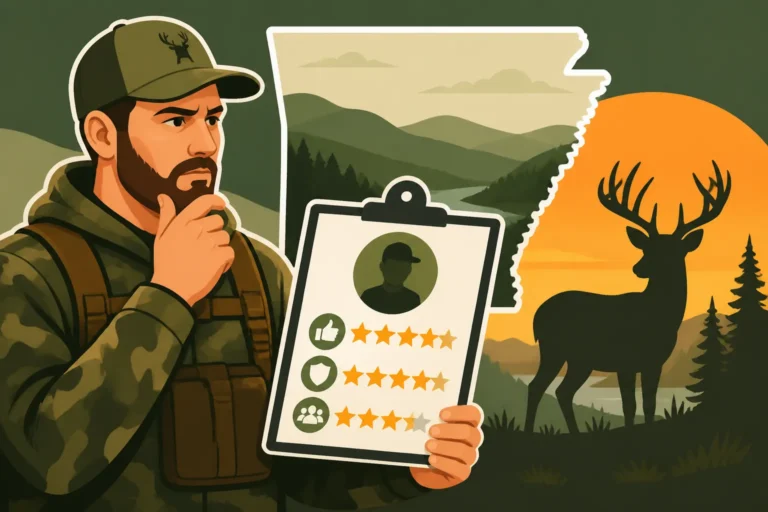
You've been researching, pouring over websites, and maybe even scrolling through social media, trying to find that perfect Arkansas outfitter for your next hunting adventure. But let's be honest, everyone puts their best foot forward online, and it can be incredibly tough to separate the genuine experiences from the slick marketing. That nagging feeling of uncertainty about dropping a significant amount of money on a hunt you've never experienced is real. This guide is all about giving you the tools to make those crucial reference calls, helping you get the real scoop and book with confidence, ensuring your Arkansas hunt lives up to its promise.
Why Reference Calls Are Absolutely Essential
It's easy to get caught up in the glossy photos of big bucks or limits of ducks, but the true measure of an outfitter lies in the experience of past clients. Websites and brochures are designed to sell, and while they might give you a good overview, they rarely paint the full, unvarnished picture. This is where your detective work begins.
Beyond the Brochure: What You Can't See Online
Think about it: an outfitter's website will always show the best of the best. The biggest deer, the most successful duck hunts, the prettiest lodge rooms. What you don't see are the days when the weather turned foul, when the hunting was slow, or when a piece of equipment broke down. You won't find candid shots of grumpy guides or cramped sleeping quarters. Reference calls allow you to peek behind that perfectly curated curtain.
A past client can tell you about the little things that make a big difference. Was the coffee ready before dawn? How were the meals, really? Did the outfitter handle unexpected issues gracefully, like a sudden equipment malfunction or a change in weather conditions? They can offer insights into the actual daily routine, the camaraderie in the blind or camp, and whether the overall atmosphere matched their expectations. These are the nuances that turn a good hunt into a memorable one, or a forgettable one into a frustrating experience.
Unmasking Inconsistencies: Comparing Claims to Reality
Outfitters often make claims about success rates, trophy quality, or the abundance of game. While many are honest, some might exaggerate a little, or a lot. A reference call gives you the opportunity to cross-reference these claims with actual experiences. If an outfitter boasts about "guaranteed limits" of ducks, a quick chat with a past hunter might reveal that those limits only happened once or twice during their week-long trip, and often required hunting until late morning.
Likewise, if an outfitter claims access to vast tracts of private land, ask a reference about the actual size of the hunting area they experienced and how much pressure it seemed to receive. You might find that the "vast tracts" felt pretty small after a few days, or that other hunters were constantly within earshot. Platforms like BookYourHunt can provide general reviews, but a direct conversation often uncovers details that wouldn't make it into a public review. You need to verify if the general vibe and specific promises hold water in the real world. Reading Outfitter Success Claims is a great companion piece for understanding what to look for and what to question.
Gaining Peace of Mind and Avoiding Disappointment
Ultimately, making reference calls is about protecting your investment of time and money. Hunting trips, especially guided ones, aren't cheap, and your vacation days are precious. The last thing you want is to arrive in Arkansas, full of anticipation, only to find that the reality falls far short of what was advertised. By talking to previous clients, you can build a clearer, more realistic picture of what to expect.
This process significantly reduces the risk of disappointment. If you go into a hunt with accurate expectations, even if the hunting is tough, you're more likely to enjoy the overall experience because you weren't set up for an unrealistic fantasy. It allows you to address potential concerns directly before committing, giving you the confidence that you've done your due diligence and chosen an outfitter that aligns with your hunting style and priorities. This due diligence is a critical step in Choosing an Arkansas Hunting Lodge.
Who to Call and What to Ask
So, you’re ready to pick up the phone. But who should you call, and what questions will give you the most valuable information? It’s more than just asking "Did you kill anything?"
Identifying the Right References
When you contact an outfitter, explicitly ask for a list of recent references. Ideally, you want references from hunters who have been on a similar hunt to what you're planning (e.g., duck hunt references for a duck hunt, not deer hunt references). It's best if these hunters have been there within the last year or two, as things can change quickly with outfitters. If the outfitter is hesitant to provide references, or only offers one or two, that’s a significant red flag. A reputable outfitter will have a robust list of happy clients willing to share their experiences.
Try to get a mix of references if possible—some who hunted during peak season, some off-peak, and ideally, one or two who might have faced challenging conditions. Their experiences will give you a well-rounded perspective. Don't just settle for the first name given; ask for a few.
Crafting Your Questions for Maximum Insight
Before you make the call, write down a list of specific questions. Don't just wing it. This shows respect for the reference's time and ensures you cover all your bases. Here are some categories of questions to consider:
- Hunting Experience:
- What type of hunt did you do (e.g., green timber duck hunt, deer hunt over bait)?
- When did you hunt, and for how many days?
- What was the overall success of your trip? (Be specific: how many birds/deer harvested, opportunities missed, etc.)
- How did the outfitter's claims about game numbers and success rates compare to your actual experience?
- How experienced and knowledgeable were the guides? Were they personable?
- What kind of habitat did you hunt in? Was it what you expected?
- How much hunting pressure did you observe from other groups, either from the same outfitter or neighboring properties?
- Were the hunting blinds/stands well-maintained and comfortable?
- Logistics & Accommodations:
- How was the lodging? Clean, comfortable, as advertised?
- What about the food? Was it plentiful and good quality?
- How were the travel arrangements to and from the hunting areas?
- Were there any hidden costs or unexpected fees not mentioned upfront? This is key for understanding What an Arkansas Guided Duck Hunt Costs or other hunts.
- How was communication with the outfitter before, during, and after the hunt?
- Customer Service & Problem Solving:
- If any issues arose (e.g., bad weather, equipment problems, slow hunting), how did the outfitter handle them?
- Would you recommend this outfitter to a friend? Why or why not?
- What was your favorite part of the trip? What was your least favorite?
- Is there anything you wish you had known before you booked?
Specific Scenarios to Probe
Beyond the general questions, dig into specific scenarios that reveal character and capability. Ask how the guide handled a "bluebird day" when ducks weren't flying, or if deer weren't moving. Did they adapt tactics, put in extra effort, or just shrug? For a duck hunt, inquire about Hunting Timber on a Bluebird Day or Hunting Rice Fields After Harvest.
Consider asking: "If the weather turned really bad, how did the outfitter respond? Did they offer alternative activities, or just leave you to your own devices?" Or, "What was the typical shooting distance for ducks? Were the dogs well-behaved and capable of retrieving cripples?" For deer hunters, you might ask, "How did they manage access to stands to avoid spooking game?" and "What was the average age class of bucks you saw?" These detailed questions help you uncover the true operational quality.
Interpreting the Feedback: Reading Between the Lines
Once you've made a few calls, you'll have a lot of information. The real skill is in interpreting what you hear, not just taking everything at face value.
Recognizing Genuine Enthusiasm Versus Polite Responses
Pay attention to the tone of voice and level of detail provided by the reference. A truly satisfied client will often be eager to share specifics, tell stories, and speak with genuine enthusiasm. They might even offer unsolicited praise. If a reference gives very brief, non-committal answers, or seems hesitant to elaborate, that could be a subtle sign that their experience wasn't quite as stellar as they're letting on.
Don't be afraid to ask follow-up questions to delve deeper. For example, if they say, "The hunting was good," you might ask, "What made it good for you? How many opportunities did you have each day?" You're looking for authenticity and consistency across multiple calls. If several references tell similar stories, both positive and negative, that’s usually a reliable indicator of the outfitter's true nature.
Weighing the Good, the Bad, and the Ugly
No outfitter is perfect, and you might hear a mix of positive and negative feedback. Your job is to weigh these points against your own priorities. If one client mentions a minor inconvenience, like the coffee machine breaking down for a morning, but raves about the hunting and guide, that's probably not a deal-breaker. However, if multiple clients mention safety concerns, consistently poor guide performance, or discrepancies in what was promised versus delivered, those are much more serious issues.
Consider what matters most to you. Is it the number of animals harvested, the quality of the food, the comfort of the lodge, or the personality of the guides? A reference might complain about the food, but if you're planning on a budget hunt where food isn't a primary concern, that might not bother you. Conversely, if you're paying for a premium experience, even small imperfections might be unacceptable. This is where Red Flags When Booking in Arkansas also comes into play.
When to Walk Away: Red Flags from Reference Calls
While not all negative feedback is a deal-breaker, some responses should make you seriously reconsider your booking. Here are some red flags to watch out for:
- Consistent Inconsistencies: If multiple references contradict the outfitter's claims on key points like hunting success, game density, or the quality of accommodations, that's a major problem.
- Poor Communication: If references mention a lack of communication from the outfitter, especially regarding important details or issues, it suggests a broader problem with client management.
- Safety Concerns: Any mention of unsafe hunting practices, poorly maintained equipment, or reckless guides should be an immediate deal-breaker.
- Unexpected Costs: If references consistently report being hit with unexpected fees or charges not disclosed upfront, it indicates a lack of transparency.
- Unhappy Guides/Staff: While references usually talk about their own experience, sometimes they'll mention the morale of the staff. If guides seemed unhappy or unmotivated, it can reflect poorly on the outfitter's management and impact your hunt.
- Lack of Adaptability: If references describe an outfitter or guide who was unwilling to adapt to changing conditions (weather, game movement) and just stuck to a rigid plan, that's a sign of inflexibility that can ruin a hunt.
If you encounter these kinds of issues across multiple reference calls, it’s probably best to move on and explore other options, even if it means rescheduling your trip. Don't be afraid to walk away from a booking that doesn't feel right.
The Logistics of Making the Calls (and What to Expect)
Making these calls doesn't have to be intimidating. A little planning goes a long way.
Scheduling and Etiquette for Reference Calls
When you get the reference list, reach out via email or text first to politely introduce yourself and ask if they would be willing to chat for 10-15 minutes about their hunt. Suggest a few times that work for you, or ask them what their preferred availability is. Remember, these are fellow hunters taking time out of their day to help you, so be respectful of their schedule.
During the call, thank them for their time upfront. Stick to your prepared questions, but allow for natural conversation. Be prepared to share a little about your own hunting background and what you're looking for in a hunt; this often helps them tailor their advice to your needs. End the call by thanking them again for their invaluable insights. This courteous approach ensures a positive interaction and usually yields more open and honest feedback.
Documenting Your Conversations
It’s easy to forget details, especially after several conversations. Keep a simple spreadsheet or notebook where you can jot down key takeaways from each reference call. Note down:
- Reference's Name and Contact Info
- Date of their Hunt and Duration
- Key Pros and Cons they mentioned
- Any red flags or glowing endorsements
- Overall impression of the outfitter
This organized approach allows you to compare notes effectively and make a more informed decision. You might even find patterns emerging across different references that strengthen or weaken certain aspects of the outfitter's reputation.
The Role of Online Resources and Brands
While reference calls are paramount, they work best in conjunction with other research. Online platforms and communities can be great starting points. Websites like BookYourHunt often host user reviews and ratings, giving you an initial snapshot of an outfitter's reputation. Similarly, searching for an outfitter on hunting forums or specialized sites like GoHunt might unearth discussions or reviews that can inform your questions for references.
However, it's crucial to remember that online reviews can be curated, biased, or even fake. Some hunters are quick to post a glowing review after a successful kill, even if the overall experience was lacking. Others might exaggerate negative experiences. This is why the direct, personal connection of a reference call is so vital. It allows you to probe deeper, ask specific questions about those reviews, and get a qualitative assessment that a star rating just can't provide. Use these online resources to narrow down your choices and gather initial questions, but always back them up with direct conversations with past clients.
| Question Category | Example Questions | What to Listen For |
|---|---|---|
| Hunting Experience | How many days did you hunt? What was your actual success rate (game seen vs. harvested)? How skilled was the guide? | Consistency with outfitter's claims, guide's adaptability, actual hunting pressure, realistic expectations vs. hype. |
| Logistics/Comfort | Describe the lodging and meals. Were there any hidden costs? How easy was access to hunting areas? | Cleanliness, comfort, quality of food, transparency in pricing, ease of daily operations. |
| Customer Service | How did the outfitter handle bad weather or slow hunting? Would you recommend them to a friend and why? | Problem-solving attitude, willingness to go extra mile, genuine satisfaction, honesty about challenges. |
| Guide Interaction | Was your guide personable and knowledgeable? Did they communicate well? | Professionalism, friendliness, ability to educate/assist, positive rapport. |
| Overall Value | Do you feel you got your money's worth? Anything you wish you knew before booking? | General satisfaction, alignment of cost with experience, any surprises (good or bad). |
Arkansas Hunting Licenses and What They Cost and Outfitter Contracts and Deposits in Arkansas are also excellent reads to prepare for the financial and legal aspects of booking your hunt, ensuring you know what to expect even before you make those calls. And don't forget to review Tipping Guides and Dog Handlers so you're prepared for that aspect of the trip as well. Booking an Arkansas Duck Hunt can give you an idea of what to expect specifically for waterfowl adventures.
Disclaimer
This article is for general informational purposes only and does not constitute professional advice. Laws, prices and regulations vary by location and change over time. Consult a qualified professional for guidance on your specific situation.