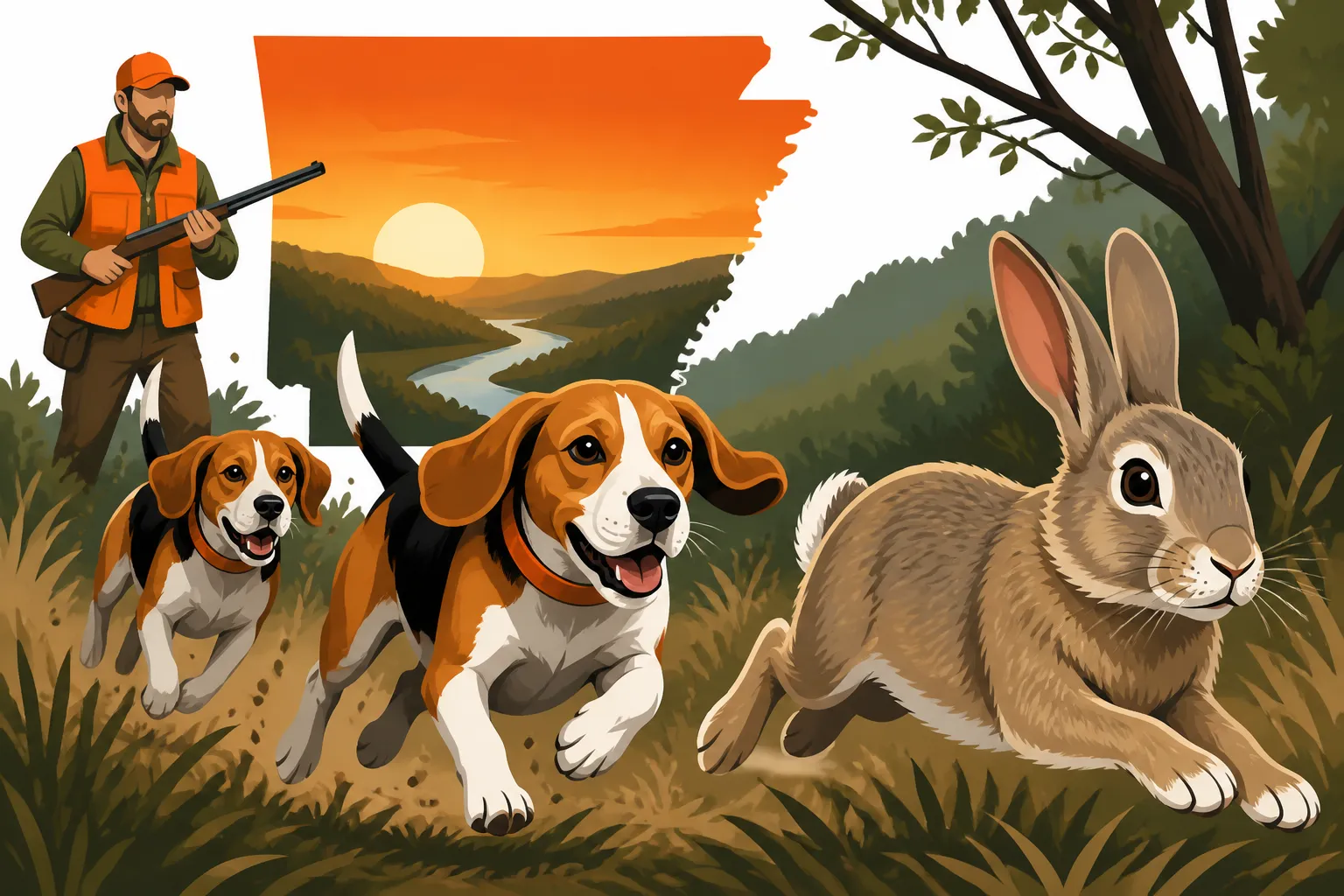
Rabbit Hunting With Beagles
There's nothing quite like the sound of a pack of beagles working a hot rabbit track through the briars, the baying growing louder and closer until a cottontail bursts into the open. For many hunters in Arkansas, this isn't just a sport; it's a cherished tradition, a vibrant symphony of hound and quarry that connects generations. Yet, knowing where to go, what to bring, and how to effectively hunt with these incredible dogs can feel overwhelming if you're new to it or looking to sharpen your skills. This guide aims to demystify the art of rabbit hunting with beagles in the Natural State, ensuring you're ready for those thrilling chases.
Why Beagles Are the Heartbeat of Rabbit Hunting in Arkansas
For many, rabbit hunting in Arkansas simply isn't complete without a pack of beagles. These small, tenacious hounds bring a unique energy and a time-honored tradition to the field that few other hunting methods can rival. It's more than just harvesting game; it's an immersive experience where the dogs are truly the stars of the show. Their dedication, their voice, and their instinct are what transform a simple walk through the woods into an exhilarating chase.
The Unmatched Instinct and Drive of a Good Beagle
Beagles are purpose-bred for scent trailing, and it shows in every fiber of their being. Their powerful noses are finely tuned to pick up the faintest rabbit scent, even hours after the cottontail has passed. Once they hit a track, their drive is incredible; they'll follow that scent through thick briars, across muddy ditches, and over rocky terrain with an unwavering determination that borders on obsessive. This isn't just a job for them; it's their entire world, and their enthusiasm is infectious.
Watching a young beagle develop this instinct is truly a marvel. They start with tentative sniffs, unsure of what they're looking for, but quickly learn to differentiate a rabbit's trail from other wildlife. Their vocalizations, the distinctive "bawl" or "chop," are their way of communicating with each other and with you, letting you know they're on a hot track, pushing the rabbit, or have lost the scent temporarily. The pure joy of listening to a full pack in harmonious pursuit, each dog contributing its unique voice to the chorus, is a fundamental part of the appeal of Rabbit Hunting With Beagles.
The Social Aspect and Tradition
Rabbit hunting with beagles is inherently a social activity, often bringing together families and friends for a shared experience. It's a fantastic way to introduce new hunters, especially younger generations, to the outdoors. The focus isn't solely on shooting, but on the dogs, the chase, and the camaraderie, which can be less intimidating than some other forms of hunting. Imagine a crisp fall morning, coffee steaming, and a group gathered, listening to the hounds work while sharing stories and laughter. That's the essence of it.
This tradition runs deep in Arkansas, passed down through generations. Grandfathers teach sons, and sons teach their own children, not just how to shoot, but how to listen to the dogs, how to read the terrain, and how to appreciate the rhythm of the chase. It's about spending quality time outdoors, building bonds, and keeping a vital piece of hunting heritage alive. Many hunters will tell you that some of their fondest memories aren't of the rabbits they shot, but of the unforgettable days spent in the field with their dogs and loved ones.
Understanding Arkansas Rabbit Habitat and Behavior
To successfully hunt rabbits with beagles in Arkansas, you need to think like a rabbit. Understanding their preferred habitat and how their behavior changes with the seasons and weather is key to putting your dogs on game and anticipating where the cottontails will appear. Arkansas offers a diverse landscape, from dense Delta bottoms to rocky Ozark uplands, each presenting unique challenges and opportunities.
Preferred Cover and Food Sources
Rabbits are masters of camouflage and concealment, thriving in dense, brushy cover that offers both protection from predators and abundant food. In Arkansas, this often means looking for areas with thick briar patches, honeysuckle tangles, greenbrier, and dense sumac stands. Old field edges that have grown up into shrubby cover are prime spots, as are recently Hunting Arkansas Cutovers and Clearcuts from timber operations. These disturbed areas quickly regenerate with new growth, providing a smorgasbord of tender shoots and browse that rabbits adore, along with the necessary overhead and lateral cover.
You'll also find rabbits frequenting areas along creek and river bottoms, where dense undergrowth and downed timber create ideal hideouts. Abandoned farmsteads, overgrown fence lines, and even brush piles left from land clearing can hold surprising numbers of rabbits. They seek out places where they can quickly dive into safety, yet still have access to clover, young grasses, and succulent broadleaf plants. A good hunter, with or without beagles, learns to identify these "rabbit magnets" by scouting before the season or even just by driving country roads and observing the landscape.
Seasonal Patterns and Rabbit Activity
Rabbit activity isn't constant; it ebbs and flows with the seasons and daily weather patterns, much like the general Arkansas Rabbit Population Trend. In the warmer early season, rabbits are most active during the cooler parts of the day – early morning and late evening – retreating to dense cover during the midday heat. As the season progresses into late fall and winter, their activity becomes more consistent throughout the day, especially on sunny, mild days following a cold snap. They need to feed more to maintain body temperature, and the dense foliage that once hid them begins to thin, making them slightly more visible, though still challenging.
Weather plays a huge role. Cold, clear days with a light frost can be excellent, as rabbits are often out foraging, and scenting conditions for beagles tend to be optimal. Rain, especially heavy rain, can wash away scent, making it tougher for dogs to trail, and rabbits often hunker down. Similarly, extremely windy days can make it difficult for dogs to hold a scent and for hunters to hear the chase. A successful rabbit hunter pays close attention to the forecast, looking for those calm, crisp days that encourage rabbit movement and favor their canine companions.
Essential Gear for a Successful Beagle Hunt
Heading out for a rabbit hunt with beagles isn't just about grabbing a gun and letting the dogs loose. Thoughtful preparation with the right gear can make all the difference between a frustrating day and a memorable, successful one. From your personal protection to keeping your hounds safe and efficient, every piece of equipment plays a role in the overall experience.
Hunter Essentials Shotguns, Ammo, Clothing
For rabbit hunting, you don't need a heavy-hitting magnum rifle. The name of the game is quick, close-range shots at fast-moving targets that often appear and disappear in a blink. A lightweight 20-gauge or 12-gauge shotgun is ideal, typically with an improved cylinder or modified choke to provide a decent spread without blowing the rabbit to smithereens at close range. Shot sizes 6 or 7.5 are perfect for cottontails, delivering enough pellets to ensure a clean harvest without excessive damage. Always carry enough ammunition, as those quick shots can sometimes require a follow-up.
Beyond your firearm, personal protection and comfort are paramount. You absolutely need to wear Arkansas Hunter Orange Requirements during modern gun seasons, and it's a smart idea during archery season too, especially when hunting with dogs where hunters might be moving. Think about a briar-proof jacket and pants – those thorns and sharp sticks are no joke when you're busting through thickets. Good, waterproof boots with ankle support are non-negotiable, as you'll be traversing uneven, often wet, terrain. A hunting vest with plenty of pockets for shells, a water bottle, and a place to carry harvested rabbits (a game bag in the back is perfect) will keep you organized and comfortable. Planning your gear can be made easier with tools like GoHunt, which can help visualize the terrain and potential obstacles you might encounter, allowing you to dress appropriately.
| Item | Recommended Specification | Purpose |
|---|---|---|
| Shotgun Gauge | 20-gauge or 12-gauge | Lightweight, quick handling |
| Choke | Improved Cylinder or Modified | Good shot spread for close targets |
| Shot Size | #6 or #7.5 lead or steel | Effective on rabbits, good pattern |
| Clothing | Briar-proof pants/jacket | Protection from thorns and brush |
| Footwear | Waterproof, ankle-support boots | Comfort and protection in varied terrain |
| Safety Gear | Hunter Orange vest/hat | High visibility for hunter safety |
| Accessories | Hunting vest with game bag, water | Carrying shells, game, hydration |
Beagle Care and Tracking Equipment
Your beagles are your partners, and their safety and performance depend on proper care and the right equipment. First and foremost, water is crucial. Beagles work incredibly hard, covering miles over rough ground, and they can easily dehydrate. Carry a water bottle and a portable bowl, offering them drinks frequently, especially on warmer days. A basic first-aid kit for dogs is also a smart addition, containing items like antiseptic wipes, gauze, vet wrap, and tweezers for removing thorns or ticks.
In today's hunting world, GPS tracking collars are almost a necessity for beagles. Brands like Garmin Alpha systems or even more basic Tractive GPS devices allow you to know exactly where your dogs are at all times, preventing lost dogs and helping you understand the dynamics of the chase. These systems can literally be lifesavers, especially when your dogs go out of sight in dense cover. Some hunters also like to put bells on their dogs, which, while not a substitute for GPS, can give you an auditory cue to their general location and activity, adding to the symphony of the hunt. Remember, happy, healthy dogs are effective dogs, so investing in their well-being is investing in your hunting success.
Running Your Beagles: Tactics and Strategy
The true magic of rabbit hunting with beagles unfolds when the dogs are turned loose. It's an intricate dance between canine instinct, rabbit evasion, and hunter strategy. Knowing how to initiate the chase, where to position yourself, and how to adapt to different scenarios is what separates a casual outing from a truly productive hunt.
Casting Your Dogs and Starting the Chase
The first step is casting your dogs into likely rabbit habitat. This isn't just letting them go anywhere; it's a deliberate choice based on your understanding of where rabbits live. Look for those dense briar patches, honeysuckle thickets, or brush piles you identified during scouting. Release your beagles in an area with fresh sign if possible – droppings, tracks in soft dirt, or nibbled vegetation. Watch their behavior closely; their noses will immediately go to the ground, tails will wag, and they'll start meticulously working the cover.
Listen for their voices. A tentative whimper might mean they're striking a cold trail, while a more excited "chop" or "bawl" indicates they're hot on a scent and actively pushing a rabbit. Encourage them verbally, cheering them on, but avoid over-interfering. Let them do what they're bred to do. Sometimes, the initial cast might not yield immediate results, and you'll need to move them to a new patch of cover. This trial-and-error process is part of the fun, and with experience, you'll learn to read your dogs and the terrain to make more informed decisions about where to start.
The Art of the Setup and Intercepting Rabbits
Once your dogs jump a rabbit and the chase is on, your role as a hunter becomes crucial. Rabbits, particularly cottontails, are creatures of habit. When pushed by hounds, they typically run in large circles within their home range, often returning to or near where they were jumped. This predictable behavior is what allows hunters to set up and intercept them. You're not chasing the dogs; you're letting the dogs do the chasing, and you're positioning yourself in anticipation.
Study the terrain and listen to the dogs. If they're running in a tight circle, the rabbit is likely staying in a particular thicket. If the chase moves further out, the rabbit might be making a larger loop. Position yourself quietly along likely escape routes or return paths: a break in the briars, an old logging road, or the edge of a field. Stay still, watch patiently, and be ready for a quick shot. The rabbit won't usually be far ahead of the dogs when it appears. Sometimes, using a mapping application like GoHunt can really help here, allowing you to visualize elevation changes, clearings, and dense cover to predict the rabbit's path and your optimal shooting lane. The sound of the chase is your primary guide; learn to interpret it to predict the rabbit's approach.
Working Different Terrain Types
Arkansas offers a diverse array of hunting landscapes, each requiring slightly different tactics when running beagles. In the Delta regions, you'll often find rabbits in dense brush piles along levee systems, the edges of agricultural fields, and in flooded timber fringes (though rabbit hunting typically occurs when water is low enough to access). Here, the cover can be extremely thick, and rabbits might hold tighter, leading to shorter, more intense chases. Your dogs will need to be particularly tough to navigate the briars and vines.
In the Ozark and Ouachita regions, you'll often encounter rabbits in upland clearcuts, along rocky ridges and hollows, and in the edges of pine plantations. These areas can be more open, and rabbits might run larger circles. Hunters might need to spread out more to cover potential escape routes, and the dogs will need to be well-conditioned to handle the hills and rocky ground. Understanding the specific characteristics of the land, whether it's Hunting Ozark Ridges and Hollows for Deer (which often share similar dense cover for rabbits) or the typical Hunting Arkansas Pine Country, will inform where you position your hunters and how you manage your dogs. Always consider the wind, as scenting conditions can be affected, and thermals in hilly country can sometimes play tricks.
Beagle Health, Training, and Ethical Considerations
Having healthy, well-trained beagles isn't just about maximizing your success in the field; it's about responsible dog ownership and contributing to the ethical practice of hunting. Your hounds are a significant investment of time, money, and emotion, and taking care of them properly ensures they have long, happy, and productive lives.
Basic Beagle Training for Rabbit Hunting
While beagles possess an innate ability to trail scent, good training refines their instincts and ensures they are safe, effective hunting partners. Basic obedience is paramount: commands like "come," "stay," and "no" are essential for control in the field, preventing them from running onto roads or bothering non-hunters. Start training early with positive reinforcement, making it a fun experience for them. Scent training can begin by letting them work rabbit-scented rags or even frozen rabbits, gradually transitioning to live rabbit pens if available and legal.
Perhaps the most critical aspect of training for a rabbit hunter is developing their recall. When the chase ends, whether with a shot or the rabbit escaping, you need your dogs to come back promptly. This takes consistent practice, even when they're excited. Managing a pack also involves understanding individual dog personalities – some might be more aggressive on the track, others more timid. Socialization with other dogs is important to ensure they work together harmoniously. Remember that a well-trained beagle is not just a better hunting dog, but a better companion overall, capable of transitioning from the intensity of the hunt to the calm of your home.
Field Safety and Ethical Hunting Practices
Safety should always be your top priority when rabbit hunting. As mentioned earlier, Arkansas Hunter Orange Requirements are critical for visibility, especially when hunters are moving through dense cover or positioning themselves for shots. Always identify your target clearly and ensure you have a safe backdrop before firing. Be mindful of where your hunting partners are located, and communicate effectively, especially if you're splitting up to cover different areas.
Ethical hunting extends beyond safety. It means respecting wildlife, adhering to bag limits, and ensuring quick, humane kills. It also involves treating landowners with respect, whether you're hunting on private land with Asking an Arkansas Landowner for Permission or navigating public ground. Be mindful of your dogs' welfare – don't overwork them, provide adequate rest and water, and check them thoroughly for injuries or ticks after each hunt. Using reputable mapping tools like GoHunt can also help you verify property lines and avoid accidental trespassing, which is a key part of ethical hunting on both public and private lands. Responsible hunters are stewards of the land and its resources, and this applies equally to rabbit hunting with beagles.
Finding Public Land for Rabbit Hunting in Arkansas
One of the great joys of hunting in Arkansas is the abundance of public land available, and rabbit hunters with beagles are no exception. While private land access can be fantastic, knowing where to find accessible public ground is essential for many, especially those who don't have extensive private leases. The key is knowing what kind of habitat to look for and which management areas are most likely to hold cottontails.
Key Arkansas WMAs for Cottontails
Arkansas's Wildlife Management Areas (WMAs) offer some prime opportunities for rabbit hunting, provided you do your homework. Many WMAs are actively managed for early successional habitat, which directly benefits deer, turkeys, and, crucially, rabbits. Look for WMAs that have recent timber harvests or prescribed burns, as these activities create the dense, young growth that rabbits favor. Using the AGFC's interactive map tool or a platform like GoHunt is invaluable for scouting these areas virtually, looking for those tell-tale cutover patches, power line clearings, or old field edges.
Areas like Trusten Holder WMA in south Arkansas, with its mixed timber and agricultural lands, or Sheffield Nelson Dagmar WMA in the Delta, with its bottomland hardwood forests and associated clearings, can offer good rabbit numbers. Even sections of Bayou Meto WMA, while famous for duck hunting, can provide excellent rabbit habitat in its upland areas and around its field margins when water levels permit access. Remember that Arkansas WMA Rules and Permits often require a WMA permit in addition to your general hunting license, so always check the specific regulations for the WMA you plan to visit, as rules can vary.
Utilizing Public Forest Lands and Other Opportunities
Beyond the dedicated WMAs, Arkansas's national forests, specifically the Ouachita National Forest Hunting and Ozark National Forest Hunting, also offer significant acreage for rabbit hunting. While these areas are often associated with deer and bear, look for less-pressured sections, particularly those with recent logging operations or clearcuts. These forest management practices create a mosaic of habitat, and the areas recovering from timber harvests can be rabbit havens. Focus on the edges of these clearcuts where they meet denser timber, or along stream bottoms and old logging roads that have grown up with brush.
Additionally, some Corps of Engineers land around various lakes and rivers can also provide rabbit hunting opportunities. These areas may not be as intensively managed for game as WMAs, but they often have pockets of good cover, particularly where utility easements or old roads exist. Remember, success on public land often comes down to scouting and being willing to walk a little further than the average hunter. These public lands are a fantastic resource for keeping the tradition of rabbit hunting with beagles alive, offering diverse terrain and the chance for exhilarating chases in the beautiful Arkansas wilderness.
Disclaimer
Please note that hunting regulations, seasons, and licensing requirements can change. Always consult the latest official Arkansas Game and Fish Commission (AGFC) regulations before planning any hunting trip. This guide is for informational purposes only and does not supersede state or federal law. It is the hunter's responsibility to know and follow all applicable rules and regulations.